“You can't eat the past. You can't even smell it. It's too late. It's gone.”
— Gavin Stevens reflecting on the past and its unchangeable nature.

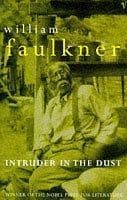
William Faulkner (1948)
Genre
Literary Fiction / Mystery
Reading Time
240 min
Key Themes
See below
Sign in to track this book
In the racially charged Deep South, a young white boy races against a lynch mob to prove the innocence of an elderly black farmer accused of murder, repaying a life debt and confronting the town's ingrained prejudices.
The story begins with news in Jefferson, Mississippi, that Lucas Beauchamp, an elderly, independent Black farmer, has been arrested for the murder of Vinson Gowrie, a white man from the violent Gowrie family. Lucas is found standing over Vinson's body with a pistol, making him the main suspect. The sheriff, Hope Hampton, arrests Lucas, but the community, especially the white population, quickly assumes his guilt. There is tension and a growing threat of a lynch mob, as the Gowries are known for taking justice into their own hands, and racial prejudice is strong in the county. Young Chick Mallison, a white teenager, feels a strange obligation to Lucas from a past event.
Chick Mallison remembers a significant childhood event: years before, he fell into an icy creek and Lucas Beauchamp rescued him. Lucas, instead of accepting payment, offered Chick a meal and treated him as an equal, despite the racial customs of the time. This interaction left a strong impression on Chick, a mix of gratitude, shame, and a growing understanding of race. Now, with Lucas in jail, Chick is called. Lucas, stoic as ever, does not directly ask for help but hints at his innocence and suggests the truth is at Vinson's grave, telling Chick to dig it up.
Moved by Lucas's request and his own complex feelings, Chick asks his Black friend, Aleck Sander, to help. They also involve Chick's uncle, Gavin Stevens, a Harvard-educated lawyer and county attorney, though Gavin is at first doubtful and warns against their actions. Under cover of darkness, the three go to the Gowrie graveyard. Despite their fears and the spooky atmosphere, they manage to dig up Vinson Gowrie's body. This secret act is dangerous; they are trespassing and violating a grave, risking serious trouble if caught by the Gowries or the authorities.
When examining Vinson Gowrie's body, Chick, Aleck, and Gavin Stevens make a key discovery: Vinson was shot with a .41 caliber bullet, not a .45 caliber, which is the size of Lucas Beauchamp's pistol. This evidence immediately casts doubt on Lucas's guilt. The finding suggests that Lucas, though present, did not fire the fatal shot. This revelation is a major turning point, shifting the investigation from Lucas to other possible suspects and confirming Lucas's quiet claim of innocence. The implications are significant, not just for Lucas but for the community's preconceived ideas.
Knowing Lucas did not fire the fatal shot, the amateur investigators, Chick, Aleck, and Gavin, broaden their search for the real killer. They are unexpectedly joined by Miss Habersham, an elderly white woman who is a loyal ally and friend of Lucas Beauchamp. Miss Habersham, defying racial and gender expectations, provides valuable local knowledge and strong support. Together, they start to piece together clues, observing local gossip, examining relationships, and trying to understand the dynamics within the Gowrie family and their associates, all while racing against time and the coming threat of the lynch mob.
The investigation leads them to Crawford Gowrie, Vinson's brother. Under pressure and facing the growing evidence, Crawford confesses to killing Vinson. The reason is a dispute over money and a hidden family secret involving gold. Crawford murdered Vinson to stop him from revealing their illegal activities and to keep the money for himself. This confession completely clears Lucas Beauchamp, showing the truth behind the murder and highlighting the corruption and violence within the white Gowrie family, a sharp contrast to the initial assumption of Lucas's guilt.
As the truth about Crawford Gowrie's guilt spreads, the threat of the lynch mob against Lucas Beauchamp disappears. The news, though shocking, stops the mob from their violent action. Sheriff Hope Hampton, who had been pressured by community sentiment, maintains order and ensures Lucas's safety once the real killer is identified. This outcome is a triumph for justice and a strong reminder of the dangers of racial prejudice and mob mentality, as Lucas is saved from an unjust death by Chick, Aleck, Gavin, and Miss Habersham.
After Crawford Gowrie's confession and his name being cleared, Lucas Beauchamp is released from jail. Despite being wrongly accused and facing the threat of lynching, Lucas's manner remains the same. He is still the proud, independent, and stoic Black man he was before the arrest. He does not express gratitude or anger, simply acknowledging the events with his quiet dignity. His steady self-possession throughout shows his strong character and his refusal to be lessened by the white community's prejudices, leaving a lasting impression on Chick.
The whole experience deeply affects Chick Mallison. He struggles with the complexities of racial injustice, the arbitrary nature of prejudice, and the moral courage shown by Lucas, Miss Habersham, and even his uncle, Gavin Stevens. Chick's initial discomfort and shame about Lucas grow into a more mature understanding and respect. Through his involvement, Chick confronts the harsh realities of racial injustice, his society's hypocrisy, and the true meaning of courage. The experience makes him question his inherited prejudices and develop his own moral compass, changing him from a naive boy into a young man with a deeper view of the world.
Gavin Stevens, Chick's uncle and a county attorney, uses the case to reflect on justice, race, and the slow, often difficult, process of societal change in the South. While he first resisted involvement and kept a detached, intellectual view, the direct encounter with injustice forces him to engage more deeply. He discusses the Southern tradition, prejudice, and the potential for progress, stressing that true change must come from within the community, rather than being forced from outside. His talks provide a philosophical framework for the novel's events.
With Crawford Gowrie's confession, the truth about the Gowrie family's criminal activities and internal conflict comes out. The family, already known for lawlessness, is further disgraced. The murder and investigation expose their hidden gold and violent tendencies, leading to legal consequences for Crawford and further damaging the family's poor reputation in the community. The resolution of the murder not only frees Lucas but also brings some justice to the criminal element within the white community, showing that violence and corruption are not limited to one race.
By the end of the story, Chick Mallison's initial, complicated feelings toward Lucas Beauchamp have changed into a deep and steady respect. He has seen Lucas's dignity, his quiet strength, and his refusal to be defined by the white community's prejudices. Chick understands the immense moral courage it took for Lucas to remain stoic and self-possessed when facing severe injustice. This respect is not pity, but a recognition of Lucas's inherent worth and humanity, going beyond the racial barriers that had previously defined their relationship.
The Protagonist
Chick evolves from a conflicted adolescent into a young man with a deeper understanding of justice, morality, and racial equality, shedding some of his inherited prejudices.
The Central Figure
Lucas remains steadfast and unchanging in his dignity and independence throughout the ordeal, serving as a moral anchor rather than undergoing significant personal change.
The Supporting Character
Gavin moves from intellectual detachment to active participation in seeking justice, though he remains primarily a commentator on the South's racial complexities.
The Supporting Character
Miss Habersham consistently demonstrates moral fortitude, remaining a steadfast and unwavering force for justice throughout the narrative.
The Supporting Character
Aleck's character arc reinforces his loyalty and bravery, serving as a crucial, understated partner in the quest for justice.
The Victim
Vinson's character is static, serving as the victim whose death unravels the truth about his family's corruption.
The Antagonist
Crawford is revealed as the true antagonist, his guilt exposed, bringing resolution to the murder mystery.
The Supporting Character
Hope Hampton's arc shows him upholding the law and order, ultimately ensuring justice once the true facts are revealed.
The novel explores racial injustice and prejudice in the Jim Crow South. Lucas Beauchamp, an independent Black man, is immediately assumed guilty of murder because of his race and his defiance of white expectations. The threat of a lynch mob shows the brutal reality of this prejudice. The story highlights how easily a community can condemn someone based on racial bias, and how difficult it is for truth and justice to win against deep-seated hatred, as seen in the community's initial reaction to Lucas's arrest and the Gowries' assumed authority.
“A white man's not going to get lynched, not in Mississippi. Not yet anyway. But a Negro… a Negro is different.”
Faulkner examines what true justice means, comparing legal systems with moral needs. The plot focuses on getting justice for Lucas Beauchamp, not through usual legal ways at first, but through the moral courage of people like Chick, Aleck, and Miss Habersham. The novel questions if justice can be served when society's prejudices control outcomes, and it suggests that sometimes, personal belief and a willingness to defy norms are needed to uncover the truth. Digging up Vinson's body, a legally questionable act, is morally right because it saves an innocent man.
“The past is not dead, it is not even past.”
Chick Mallison's journey is central to the novel's exploration of growing up. His initial discomfort with Lucas Beauchamp, based on both gratitude and shame, changes into a deep understanding and respect. Through his involvement in the investigation, Chick confronts the harsh realities of racial injustice, his society's hypocrisy, and the true meaning of courage. The experience forces him to question his inherited prejudices and develop his own moral compass, changing him from a naive boy into a young man with a deeper view of the world.
“He knew that he was not only seeing a man, but the sum of all the men he had ever known.”
Lucas Beauchamp is a strong symbol of individual dignity when facing strong societal oppression. Despite being a Black man in the Jim Crow South, Lucas refuses to act subserviently as expected. His stoicism, independence, and steady self-respect challenge the racial hierarchy and make many white characters uncomfortable. His quiet defiance, even when accused of murder and facing a lynch mob, shows the strength of the human spirit to maintain integrity and identity against forces meant to lessen it. His character shows that true worth is internal, not given by outside social status.
“He didn't need to ask. He didn't even need to say. He just knew.”
Faulkner explores how the past, specifically the legacy of slavery, the Civil War, and traditions, continues to shape the present in the South. The racial tensions, prejudices, and behavioral expectations all come from historical events. Gavin Stevens's talks often go into this theme, discussing how the South constantly deals with its history. Lucas, a descendant of both enslaved people and slave owners, shows this complex historical interaction, demonstrating how the past actively influences current events and attitudes.
“The past is not dead. It is not even past.”
Lucas Beauchamp's immediate and racially-motivated accusation for murder.
This device immediately establishes the novel's central conflict and its thematic core of racial injustice. Lucas Beauchamp, a Black man, is found standing over the body of a white man, Vinson Gowrie, with a pistol. This seemingly damning evidence is almost immediately accepted as proof of guilt by the white community, without genuine investigation. The 'unreliable accusation' functions to highlight the deep-seated prejudice and the willingness of society to condemn a Black man based on appearance and stereotype, rather than facts. It sets up the urgent need for Chick and his allies to uncover the truth, as the initial accusation is driven by racial bias rather than actual evidence.
The story is primarily told through the eyes of young Chick Mallison.
Using Chick Mallison's perspective allows Faulkner to explore complex racial and moral themes through the lens of innocence and developing understanding. Chick's initial discomfort and later awakening provide a relatable entry point for the reader into the deeply ingrained prejudices of the South. His internal struggles, questions, and observations make the societal issues more immediate and personal. This device also emphasizes the potential for change and growth in the younger generation, as Chick's experiences challenge his inherited biases and force him to forge his own moral code, offering a glimmer of hope amidst the pervasive injustice.
Lucas's subtle, indirect request for Chick to dig up Vinson Gowrie's grave.
Lucas Beauchamp's cryptic instruction to Chick to 'dig up the grave' serves as a crucial plot catalyst. Instead of directly asking for help or proclaiming his innocence, Lucas's stoic and indirect communication forces Chick to actively engage with the mystery and interpret his meaning. This device underscores Lucas's proud independence and his refusal to beg, even in dire circumstances. It also places the burden of discovery squarely on Chick, compelling him to take initiative and pursue the truth, thereby initiating his moral journey and the unraveling of the true crime.
The secret digging up of Vinson Gowrie's body to find evidence.
The exhumation of Vinson Gowrie's body is a pivotal plot device, representing a literal and symbolic digging for truth. It is a dangerous, illegal act that highlights the desperation of the situation and the lengths to which Chick and his allies must go to challenge a corrupt system. The discovery of the wrong caliber bullet during the exhumation provides the irrefutable evidence needed to exonerate Lucas, shifting the entire narrative. Symbolically, it signifies unearthing buried secrets and confronting the uncomfortable truths hidden beneath the surface of societal assumptions and prejudices.
“You can't eat the past. You can't even smell it. It's too late. It's gone.”
— Gavin Stevens reflecting on the past and its unchangeable nature.
“A man will not be any braver than he has to be, but he will be that brave.”
— Lucas Beauchamp's quiet determination and courage in the face of injustice.
“It's not when you die, but how.”
— The town's reaction to the murder and the circumstances surrounding it.
“The past is never dead. It's not even past.”
— Gavin Stevens contemplating the enduring influence of history on the present.
“Some things you must always be unable to bear. Some things you must never stop refusing to bear. Injustice and outrage and dishonor and shame. No matter how many times the world tries to teach you otherwise.”
— Gavin Stevens's internal monologue about the importance of moral conviction.
“Because they're going to try to kill him. We've got to stop them. We've got to.”
— Chick Mallison's urgent plea to save Lucas Beauchamp from the mob.
“”
— A reflection on the nature of struggle and individual freedom.
“”
— A broader philosophical statement on human experience and suffering.
“”
— A pragmatic view on fulfilling difficult obligations or duties.
“”
— A paradox about individual and collective action.
“”
— A stark observation about power dynamics and ownership in the rural South.
“”
— A pragmatic approach to truth and evidence in the face of accusation.
“”
— A definition of true courage, acknowledging fear.
“”
— Lucas Beauchamp's self-reliant and stoic philosophy.
Ready to see how well you understood this book? Take our interactive quiz with 10 questions.
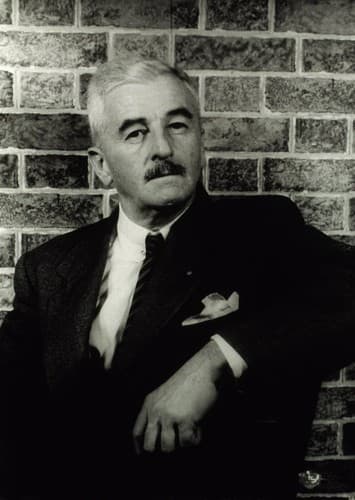
William Cuthbert Faulkner was an American writer known for his novels and short stories set in the fictional Yoknapatawpha County, based on Lafayette County, Mississippi, where Faulkner spent most of his life. A Nobel laureate, Faulkner is one of the most celebrated writers of American literature and often is considered the greatest writer of Southern literature.







