BookBrief
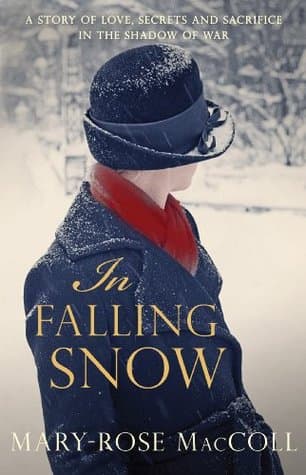
In Falling Snow cover
Archivist's Choice

In Falling Snow

Mary-Rose MacColl (2012)

Genre

Historical Fiction

Reading Time

9-10 hours

Key Themes

See below

Track Your Reading

Sign in to track this book

An elderly Iris returns to France, revisiting the WWI abbey hospital where she found love, purpose, and heartbreak while searching for her brother amidst a world at war.

Synopsis

Iris, an elderly widow, receives a reunion invitation to France, prompting her to relive her WWI experiences. In 1914, a young Iris follows her fifteen-year-old brother, Tom, to France, determined to bring him home from the war. She meets Elsie Ivens, who runs a field hospital at Royaumont Abbey. Iris decides to stay and work at the hospital, where she grows, discovering her passion for medicine, befriending Violet, and falling deeply in love. War's realities soon intrude. When tragedy strikes Iris's family, she pays a terrible price that will haunt her and her descendants for generations. The story alternates between Iris's past at Royaumont and her present-day journey back to France, where she confronts memories, reveals truths, and seeks forgiveness and understanding for the legacy of love, loss, and heroism that shaped her life.
Reading time
9-10 hours
Difficulty
Medium
Pacing
Moderate
Mood
Moving, Historical, Emotional, Reflective, Hopeful
✓ Read this if...
You enjoy sweeping historical fiction about WWI, strong female characters, and stories that explore the long-term impact of war and secrets on families.
✗ Skip this if...
You prefer fast-paced thrillers or stories without significant emotional depth and historical detail.

Plot Summary

An Invitation and Lingering Memories

In present-day Australia, the elderly Iris lives a quiet life, often thinking of her spirited granddaughter, Grace, a young doctor. Her routine changes with an unexpected invitation to a reunion in France, honoring the women who served at the Scottish Women's Hospital at Royaumont during World War I. The invitation pulls Iris back to her youth and the traumatic experiences she endured. She remembers her innocent pre-war life and the changes brought by the conflict, especially her journey to France to find her younger brother, Tom, and the meeting that led her to Royaumont Abbey.

Following Tom to France

In 1914, a young, naive Iris worries about her fifteen-year-old brother, Tom, who lied about his age to enlist in the Australian Imperial Force and is fighting on the Western Front. Against her parents' wishes, Iris travels to France, aiming only to find Tom and bring him home. She is unprepared for wartime Europe, but her determination to protect her brother drives her. Her initial experiences are marked by confusion and fear, showing her inexperience with the world beyond her quiet Australian life.

Meeting Elsie Ivens and Royaumont

While looking for Tom, Iris meets Dr. Elsie Ivens, a pioneering Scottish surgeon. Dr. Ivens is setting up the Scottish Women's Hospital in the ancient Royaumont Abbey, north of Paris, a facility staffed entirely by women. Despite her initial fear and lack of medical experience, Iris is drawn to Dr. Ivens's resolve and the hospital's mission. She decides to volunteer, finding purpose amid the chaos of war, and begins her change from a sheltered girl to a capable member of the medical team.

Life at Royaumont and New Friendships

Life at Royaumont is difficult but changes Iris. She quickly learns nursing and hospital administration, seeing firsthand the horrific injuries from the war. Amidst the grim realities, she forms deep friendships with her fellow volunteers. Her closest bond is with Violet, an independent young woman who brings much-needed lightness and companionship to Iris's life. Violet's spirited nature and experience contrast with Iris's initial shyness, helping Iris to open up and embrace her growing strength and independence within the supportive community of women.

A Developing Passion and Budding Romance

Working alongside the doctors and nurses at Royaumont, Iris discovers a talent and passion for medicine. She excels at her duties, showing both compassion and intelligence. During her time at the hospital, she meets Jean-Luc, a charming and intelligent French medical student who volunteers. Their shared experiences and the hospital's intense environment create a deep connection, and they fall passionately in love. This romance brings hope and personal joy to Iris's life, even as the war continues around them.

The Brutality of War

As the war goes on, its brutality intensifies, and the front lines get closer to Royaumont. The hospital is overwhelmed with casualties, and the staff works tirelessly under great pressure. Iris sees the devastating human cost of the conflict daily, hardening her resolve but also leaving a lasting mark on her mind. The constant threat and the sheer volume of suffering test everyone at the hospital, making their small area of healing a stark contrast to the destruction outside. The war's ever-present shadow hangs over their lives and relationships.

Tragedy Strikes Iris's Family

The war's personal toll hits Iris directly when she receives the news of her brother, Tom's, death on the front. This loss shatters Iris's world, confirming her deepest fears and leaving her with grief and guilt. Her initial mission to bring him home, which led her to Royaumont, ends in heartbreak. The tragedy shows the arbitrary and cruel nature of war, marking a permanent shift in Iris's character and outlook, forcing her to confront the ultimate price of conflict and life's fragility.

The Ultimate Price

After Tom's death, another tragedy strikes, involving Jean-Luc. In a moment of desperate love and the chaotic aftermath of war, an event occurs that forces Iris to make an impossible choice, resulting in a terrible secret. This secret, born of love, loss, and the brutal circumstances of wartime, becomes a heavy burden she carries alone for the rest of her life. The incident deeply impacts her future, shaping her decisions and relationships, and creating an emotional wound that never fully heals.

The Echo Down Generations

Iris's unspoken secret from the war casts a long shadow over her life. While she moves on, marries, and has a family, the trauma and hidden truth subtly influence her personality and interactions, particularly with her granddaughter, Grace. Grace, a doctor herself, embodies a similar spirit of independence and determination, and Iris sees echoes of her past self in her. The untold story creates an emotional distance, a weight Iris carries, and an underlying theme of unresolved history that subtly affects the family dynamics, even if Grace is unaware of the specifics.

The Reunion and Confrontation with the Past

Decades later, the elderly Iris finally decides to attend the Royaumont reunion in France. This journey is not just physical but an emotional pilgrimage back to the site of her youth, her love, and her greatest sorrow. The reunion forces her to confront the ghosts of her past, the friendships she made, the love she lost, and the secret she has kept hidden for so long. It is an opportunity for her to finally process her wartime experiences and perhaps find some peace or understanding regarding her choices.

Unveiling the Truth

At the reunion, surrounded by fellow survivors and Royaumont's memories, Iris finds the courage to finally reveal her long-held secret. Sharing her truth, born of war's extraordinary circumstances and personal tragedy, is a profound moment of release and vulnerability. This revelation allows her to unburden herself of the weight she has carried for decades, offering a path towards healing and closure for herself and potentially for her family. The truth, though painful, provides context and understanding to the sacrifices made during the war.

Legacy and Forgiveness

Iris's journey ends with peace and acceptance. By confronting her past and sharing her story, she finds personal solace and leaves a powerful legacy for her granddaughter, Grace. The narrative emphasizes the unsung acts of heroism and love's enduring power, even amidst war's brutality. Iris's life, marked by resilience and the quiet strength of her choices, shows the human spirit's capacity for survival, love, and ultimately, forgiveness, ensuring that her past lessons are not forgotten.

Principal Figures

Iris

The Protagonist

Iris transforms from a timid girl into a resourceful and skilled woman, finding love and purpose amidst war, only to be burdened by profound loss and a secret she carries for decades until her eventual confrontation and release.

Grace

The Supporting

Grace remains largely static in the story's present, serving as a catalyst for Iris's reflections and a recipient of her eventual legacy.

Tom

The Supporting

Tom's arc is tragically cut short by his death in battle, serving as a major turning point for Iris.

Violet

The Supporting

Violet helps Iris grow and adapt, remaining a steadfast friend and a source of joy amidst the war's darkness.

Jean-Luc

The Supporting

Jean-Luc experiences a loving relationship with Iris, but his story tragically concludes with an event that profoundly shapes Iris's future.

Dr. Elsie Ivens

The Supporting

Dr. Ivens remains a consistent figure of strength and leadership, providing the framework for the hospital's operation and Iris's growth.

Themes & Insights

The Unsung Heroism of Women in War

The novel shows the important and often overlooked contributions of women during WWI, especially in medical roles. Through Iris's experiences at Royaumont Abbey, staffed entirely by women, the story highlights their competence, resilience, and courage in challenging societal norms and war's brutal realities. They perform complex surgeries, manage the hospital, and care for the wounded, showing immense strength and compassion. Dr. Elsie Ivens's leadership and the collective efforts of Iris and her fellow nurses, who defied expectations to provide essential care on the front lines, exemplify this theme.

In the end, it was not the men on the front lines who held the world together, but the women, stitching it back together with thread and hope.

Narrator

Loss, Grief, and Resilience

War's devastation and its impact on individuals and families is a central theme. Iris experiences multiple losses: her innocent youth, her brother Tom's tragic death, and the heartbreak of her love with Jean-Luc. The novel explores grief and resilience in the face of sorrow. Iris's ability to continue her work, find joy and purpose amid suffering, and carry her burdens for decades shows the human spirit's enduring strength. Her decision to confront her past is an act of profound resilience.

Grief was a constant companion in that place, a shadow stretching over every bed, every face, but so too was a stubborn, quiet hope.

Narrator

Love and Sacrifice in Wartime

The novel explores various forms of love—familial, platonic, and romantic—and the sacrifices they demand during wartime. Iris's initial journey is driven by her deep, protective love for her brother, Tom. Her friendship with Violet shows the bonds of camaraderie and sisterhood formed under duress. Her passionate romance with Jean-Luc contrasts with the surrounding devastation, highlighting the human need for connection even in the darkest times. The ultimate sacrifice Iris makes, born of love and war's tragic circumstances, underscores the profound choices individuals are forced to make when confronted with impossible situations, and the enduring cost of those sacrifices.

Love, in wartime, was a fragile, fierce thing, capable of both the greatest joy and the most terrible, enduring pain.

Narrator

The Weight of Secrets and Memory

A significant theme is the long-term impact of secrets and how memories shape a person's life. Iris carries a profound secret from her time at Royaumont, a burden that influences her decisions, relationships, and demeanor for decades. The narrative structure, shifting between present-day Iris and her past, emphasizes how unresolved past events can echo through generations. The reunion invitation acts as a catalyst, forcing Iris to confront these buried memories and the weight of her secret, suggesting that true healing begins with revealing truth and processing the past.

Some secrets are like old wounds; they fester in the dark until they are brought into the light.

Narrator

Plot Devices & Literary Techniques

Dual Timeline Narrative

Alternating between present-day Iris and her WWI experiences.

The story employs a dual timeline, alternating between the elderly Iris in present-day Australia and her youth during World War I in France. This device effectively builds suspense as the reader gradually uncovers the full scope of Iris's past, particularly the secret she carries. It allows for a deeper exploration of themes like memory, the lasting impact of trauma, and the way past events shape a person's entire life. The present-day narrative acts as a frame, driven by Iris's decision to attend the reunion, which serves as a catalyst for her reflections and eventual confrontation with her past.

Catalyst (The Reunion Invitation)

An invitation to a WWI reunion triggers Iris's memories and journey.

The invitation to the Royaumont reunion serves as the primary catalyst for the entire narrative. It disrupts Iris's quiet, elderly life, forcing her to confront long-buried memories and eventually, her lifelong secret. Without this invitation, Iris's past might have remained unspoken. It propels both the present-day plot (her decision to go) and the extensive flashbacks, providing a strong narrative hook and a clear motivation for the protagonist's emotional and physical journey towards resolution.

Historical Setting (Royaumont Abbey)

The real-life Scottish Women's Hospital at Royaumont Abbey as a central backdrop.

The use of the historical setting of the Scottish Women's Hospital at Royaumont Abbey is more than just a backdrop; it is a character in itself. Royaumont provides a tangible, authentic context for the women's heroism and the unique challenges they faced. Its historical accuracy lends credibility and depth to the narrative, grounding Iris's personal story within a significant but often overlooked part of WWI history. The abbey's transformation from a religious site to a functioning hospital symbolizes the extraordinary shifts and adaptations demanded by the war, and the women's ability to create a haven of healing amidst destruction.

Foreshadowing (Iris's Burden)

Subtle hints about Iris's secret and past trauma.

From the outset, the narrative subtly foreshadows that Iris carries a significant burden or secret from her past. Descriptions of her quiet life, her preoccupation with Grace, and the immediate, powerful impact of the reunion invitation hint at unresolved trauma. Phrases like 'a terrible price that Iris has to pay, a price that will echo down the generations' create anticipation and curiosity, compelling the reader to uncover the full story behind Iris's reserved demeanor and the lasting impact of her wartime experiences. This device effectively maintains suspense throughout the novel.

Critical analysis

Notable Quotes

The past is a foreign country; they do things differently there.

While not directly from the book, this famous quote encapsulates the feeling of historical distance and the challenges of understanding past events, a central theme as the characters grapple with the implications of WWI.

War takes what it wants, and sometimes it takes everything.

A reflection on the devastating impact of World War I on individuals and families, and the lasting scars it leaves.

Some memories are like a blizzard, obscuring everything else.

Relates to the characters' struggles with traumatic memories and how they can dominate their present lives, particularly in the aftermath of the war.

Even in the deepest snow, there is life beneath, waiting for spring.

A metaphor for hope and resilience, suggesting that even after great hardship and loss, there is potential for renewal and recovery.

The silence after the guns was sometimes louder than the roar.

Refers to the psychological impact of the war, where the absence of conflict brings its own form of torment and the echoes of what was experienced.

We build our lives on stories, and sometimes the stories we tell ourselves are the most dangerous.

Highlights the theme of truth versus perception, and how personal narratives, especially those constructed to cope with pain, can be both protective and destructive.

Love, like a wound, can heal, but the scar remains.

Explores the enduring nature of love and loss, suggesting that while emotional wounds can mend, they leave permanent marks on the heart and memory.

It was not the battles that broke them, but the endless waiting, the slow erosion of hope.

Describes the psychological toll of trench warfare and the protracted nature of the conflict, emphasizing the mental strain over physical combat.

Sometimes the greatest courage is simply to keep breathing.

A poignant observation on the quiet resilience required to survive profound grief and trauma, day by day.

The world had moved on, but some hearts were still stuck in the mud of Flanders.

Illustrates the difficulty for veterans and those affected by the war to reintegrate into a changed society, still haunted by their experiences.

Secrets are like ice, beautiful on the surface, but dangerous beneath.

Refers to the hidden truths and unresolved mysteries that drive much of the plot, and the potential for these secrets to cause harm.

To truly forgive, you must first remember.

A reflection on the process of reconciliation and healing, suggesting that confronting the past, even painful aspects, is necessary for true forgiveness.

The past is never truly buried; it merely waits for the right moment to emerge.

Emphasizes the persistent influence of past events on the present, and how unresolved issues can resurface unexpectedly.

We are all haunted by the ghosts of what might have been.

A universal sentiment that resonates with the characters' regrets and the alternative lives they might have lived had the war not intervened.

Quiz

Test Your Knowledge

Ready to see how well you understood this book? Take our interactive quiz with 10 questions.

10
Questions
~5
Minutes
?
Best Score

Key Questions (FAQ)

'In Falling Snow' follows Iris, an elderly widow, who receives an invitation to a WWI reunion in France. This triggers a flood of memories from her time as a young, naive woman who went to France in 1914 to find her brother, Tom, and ended up serving in a field hospital at Royaumont Abbey.

About the author