“If you take a mouse to the movies, he'll ask you for some popcorn.”
— The very first action in the story, setting off the chain of events.

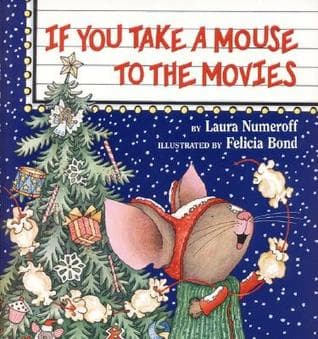
Laura Joffe Numeroff (2000)
Genre
Fantasy / Children's
Reading Time
5 min
Key Themes
See below
Sign in to track this book
A small, hungry mouse turns a movie trip into a flurry of holiday decorating and demands, all from one piece of popcorn.
The story starts with a boy taking a small mouse to the movies. As soon as they sit down, the mouse asks for popcorn. This simple request begins the whole series of events in the book. The boy, used to the mouse's ways, gets ready for more demands, knowing one action will lead to another with his energetic friend. The movie theater is the first setting, a place of fun that quickly turns into the starting point for the mouse's holiday wishes.
Once the boy gives him popcorn, the mouse decides to string it instead of eating it all. He thinks of the holidays and sees the popcorn as a festive decoration. He carefully strings the kernels, turning a snack into a craft project. This creative act shows the mouse's active imagination and how he connects everyday items with holiday cheer, leading him to the next step in his holiday plans.
With the popcorn strung, the mouse realizes he needs somewhere to hang his new decoration. He asks for a Christmas tree. The boy agrees, and they find and bring in a tree. This request further brings them into the holiday spirit, as a Christmas tree is central to many celebrations. The mouse wants a tree because of his craft, showing how one activity leads directly to the next, creating a continuous loop of requests and actions.
With the Christmas tree ready, the mouse isn't happy with just his popcorn garland. He asks for other decorations: lights, ornaments, and tinsel. The boy helps him decorate the tree, making it bright and festive. The mouse's excitement for decorating is clear, and he enjoys making the tree look perfect. This scene shows the teamwork between the boy and the mouse, and the mouse's eye for detail in holiday preparations, making sure the tree is fully decorated.
After all the decorations are on the tree, the mouse notices something is missing: a star for the top. He asks the boy to help him put it on. This is the last touch for the Christmas tree, marking the end of the decorating. The star is a classic Christmas symbol, and the mouse's insistence on having it shows his wish for a perfectly traditional holiday setup. The boy, always patient, helps him place the star, finishing the tree decoration.
Seeing the decorated tree, the mouse wants to make Christmas cards. He asks for paper, crayons, and glitter. He wants to send cards to all his friends and family, sharing the holiday cheer. This activity moves from decorating to sharing and connecting with others, a common holiday theme. The mouse's desire to make and send cards shows his caring nature and his wish to include others in his celebrations, leading to more supplies and tasks for the boy.
Once the cards are made, the mouse needs to mail them. He asks the boy to take him to the mailbox, and then, of course, to the post office. This means a trip outside, adding more holiday errands to their day. Mailing cards is a traditional part of Christmas, and the mouse's determination to send his cards shows his commitment to finishing each step of his holiday preparations. The boy goes with him, making sure the cards get to their destination.
At the post office, the mouse sees the snow outside and decides he wants a snowball fight. He asks the boy to play with him. They have a fun battle, throwing snowballs at each other. This outdoor activity adds more winter fun to their day, showing the mouse's energetic and playful personality. The snowball fight is a spontaneous moment of joy, a classic winter pastime that enhances the festive, seasonal mood of their adventure.
After the snowball fight, the mouse wants to build a snow mouse. He asks for a carrot for the nose and buttons for the eyes. The boy helps him build a tiny snow sculpture that looks like him. This creative act combines the fun of playing in the snow with the mouse's self-interest and desire to create. The snow mouse becomes a temporary, charming part of their winter scene, reflecting the mouse's imagination and enjoyment of crafting.
After all the outdoor snow activities, the mouse gets cold. He asks to go inside to warm up. The boy brings him back into the house's warmth. This move back indoors offers comfort and a break from the winter chill. It's a natural step after playing outside in the cold, and it sets the stage for the next requests about comfort and relaxation, bringing them back to the home where their day began.
Inside, the mouse asks for hot chocolate to warm him up. He also wants a blanket to snuggle under. The boy makes the drink and provides the blanket, creating a cozy and comforting space for the mouse. This scene shows the simple joys of winter and the importance of warmth and comfort after playing in the cold. Hot chocolate and a blanket are classic symbols of coziness and relaxation in colder months, meeting the mouse's immediate comfort needs.
Snuggled under his blanket with hot chocolate, the mouse asks the boy to read him a story. The boy chooses a book and starts to read. This quiet, close moment highlights the bond between the boy and the mouse, and the joy of simple shared activities. Story time is a classic childhood comfort, and for the mouse, it's the perfect way to relax after a busy day of holiday preparations and winter fun. Reading brings a sense of calm and happiness to their evening.
As the boy reads, the mouse gets sleepy and eventually falls asleep, dreaming of his holiday adventures. When he wakes up, refreshed, he asks the boy to take him back to the movies. This brings the story full circle, returning to the first request that started the whole sequence of events. The circular nature of the story is a key feature of the 'If You Give...' series, suggesting the mouse's desires are endless and new adventures are always close by.
The Protagonist
The Mouse remains consistently enthusiastic and demanding, experiencing a full cycle of holiday activities without significant personal change.
The Supporting
The Boy consistently demonstrates patience and helpfulness, serving as a reliable facilitator for the Mouse's desires.
This theme is key to the 'If You Give...' series. It shows how one simple request (taking a mouse to the movies and giving him popcorn) can lead to a big, multi-step adventure. Each action by the boy meets a request, but immediately starts a new, related desire in the mouse. This continuous chain reaction drives the story, showing how even a small urge can lead to a large, unexpected journey, as when the popcorn leads to a Christmas tree, then decorations, then cards, and so on.
“If you give him the popcorn, he'll want to string it all together.”
The book is filled with the happy feeling of the holiday season. From decorating a Christmas tree with popcorn and ornaments to making Christmas cards, having a snowball fight, and building a snow mouse, almost every activity involves traditional winter and holiday celebrations. The mouse's excitement for each holiday task, and the boy's willingness to join in, show the joy and warmth of this special time of year. It celebrates the simple pleasures and traditions that define the holiday experience.
“Then he'll want to hang it on a Christmas tree.”
The lasting relationship between the boy and the mouse is a main part of the story. Despite the mouse's demanding personality, the boy patiently and kindly fulfills every request, showing a deep bond of friendship and companionship. Their shared adventures, from decorating a tree to playing in the snow and reading stories, highlight the joy of spending time together and the willingness to go along with a friend's ideas, no matter how detailed. This relationship emphasizes the value of kindness and shared fun in a friendship.
“If you take a mouse to the movies...”
A basic theme in Numeroff's 'If You Give...' books is that meeting one desire often leads right back to the first desire or a similar one, creating a continuous loop. In this story, the mouse's journey through various holiday activities eventually leads him back to wanting to go to the movies again. This circular structure suggests that wants and needs are often connected and that satisfaction is temporary, leading to a renewed desire for the original activity, showing the mouse's endless energy and whims.
“When he wakes up, he'll ask you to take him to the movies.”
One event inevitably leads to another, forming a continuous loop.
This is the primary plot device in the 'If You Give...' series. The story's structure is built on a cause-and-effect chain where fulfilling one of the Mouse's requests immediately triggers another, logically connected request. This creates a predictable yet engaging narrative flow. For example, giving the mouse popcorn leads to stringing it, which leads to needing a Christmas tree, and so on, eventually circling back to the initial desire to go to the movies. This device drives the entire plot and creates the series' signature humor and charm.
Attributing human characteristics and behaviors to the mouse.
The Mouse exhibits distinctly human-like behaviors and desires. He wants to go to the movies, string popcorn, decorate a Christmas tree, make cards, have a snowball fight, drink hot chocolate, and listen to stories. These actions are far beyond the capabilities and typical instincts of a real mouse. This device allows young readers to connect with the character and his experiences on a human level, making the fantastic premise relatable and entertaining, despite the inherent absurdity of a mouse engaging in such complex holiday preparations.
The title and opening line subtly hint at the story's cyclical nature.
While not explicit, the very title 'If You Take a Mouse to the Movies' and the opening sentence 'If you take a mouse to the movies, he'll ask you for some popcorn' implicitly foreshadow the chain-reaction narrative. Readers familiar with the series or the concept understand that this initial action will not be the end, but rather the beginning of a long sequence of events. This device sets reader expectations for the structure of the story, even if they don't know the specific details of the Mouse's subsequent demands.
“If you take a mouse to the movies, he'll ask you for some popcorn.”
— The very first action in the story, setting off the chain of events.
“When you give him the popcorn, he'll want a drink to go with it.”
— The immediate follow-up to providing the popcorn.
“Then he'll want to sit in your lap to watch the movie.”
— The mouse's desire for comfort and closeness during the film.
“And while he's sitting in your lap, he'll probably fall asleep.”
— The natural consequence of a cozy position.
“So you'll have to carry him home.”
— The responsibility taken by the child after the mouse falls asleep.
“When you get home, he'll want to build a snowman.”
— The mouse's new idea upon seeing snow outside.
“Then he'll want to use your buttons for the eyes and a carrot for the nose.”
— The mouse's specific requests for snowman decorations.
“When the snowman is finished, he'll want to decorate the Christmas tree.”
— The shift in focus from outdoor to indoor holiday activities.
“And when he's finished, he'll want to sing carols.”
— The mouse's desire for festive music after decorating.
“Then he'll want to write a letter to Santa Claus.”
— The mouse's next holiday-related activity, focusing on gifts.
“He'll want to make a list of all the things he wants.”
— The mouse carefully planning his Christmas wish list.
“Then he'll want to get some wrapping paper and ribbons.”
— The mouse's interest in the presentation of gifts.
“He'll probably ask for some tape.”
— A small but essential detail for wrapping presents.
“And when he's all finished, he'll want to mail his letter.”
— The final step in sending his Christmas wishes.
Ready to see how well you understood this book? Take our interactive quiz with 10 questions.







