“And it was like that for us. Like we were always the only two people in the world.”
— Ellie reflects on the intensity of her and Miah's connection.


Jacqueline Woodson (1998)
Genre
Young Adult / Romance
Reading Time
90 min
Key Themes
See below
Sign in to track this book
At Percy Academy, a privileged school, a girl with inner struggles and a boy facing racial isolation find love in secret, only for it to end tragically.
Elisha, known as Ellie, starts her freshman year at Percy Academy, a private high school in New York City. She feels like an outsider, dealing with her parents' recent separation and her mother's emotional withdrawal. Jeremiah, or Miah, a junior, also goes to Percy. He is one of the few African American students in a mostly white school. He carries the weight of his family's expectations and the subtle racism he faces daily. They first see each other in the hallways and at lunch, a silent acknowledgment passing between them, a shared sense of being different in a place that wants everyone to conform. Ellie is drawn to Miah's quiet strength, and Miah is interested in Ellie's thoughtful manner.
Ellie finds it hard to connect with her new classmates, feeling misunderstood and burdened by her home life. Her parents' separation makes her feel lost and invisible. Miah, despite having some friends, often feels alone at Percy, always aware of his race and the stereotypes others put on him. He wants a deeper connection than what he finds among his peers. Their eyes meet more often, a quiet understanding passing between them. They start to spend time together during free periods and lunch, finding comfort and recognition in their shared feelings of being outsiders, despite their different backgrounds and grades.
Their first real conversations are careful but deep, often happening in the library or quiet parts of the school. They talk about their feelings about Percy, their families, and their hopes. Ellie shares her struggles with her parents' split and her wish for a stable home. Miah tells Ellie about the pressure he feels as a talented Black student in a white school and his dream to be a writer. They find they have many shared interests in books, music, and a similar view on life. These conversations quickly deepen their connection, moving beyond just knowing each other to a growing friendship that feels more important than anything either has felt before.
As their bond grows stronger, Ellie and Miah realize they are falling in love. They start meeting outside of school, walking in Central Park, visiting museums, and talking for hours on the phone. Their relationship becomes a private world, a safe place from the pressures of school and family. They know their friends and families might judge them. Ellie's friends might not understand her dating a Black boy, and Miah's family might have expectations about who he should be with. This secrecy makes their romance more intense, making every stolen moment feel special, but also creating a constant worry about being found out.
Ellie, who is white, and Miah, who is Black, come from different parts of New York City. Ellie's family is rich but broken, while Miah's family is close and supportive, with a strong sense of community. These differences, while not stopping their love, make them face societal expectations and biases. They talk about race, class, and identity, learning from each other's views. This internal navigation of their different backgrounds, combined with the external pressure of keeping their relationship secret, creates constant tension. They worry about how their parents, especially Ellie's, and their friends will react if they find out about their interracial relationship, adding fear to their happiness.
Despite the need for secrecy, Ellie and Miah's relationship thrives. They spend weekends exploring the city, sharing their dreams and fears. Miah shows Ellie jazz clubs and new neighborhoods, broadening her world. Ellie shares her love for books and art with Miah. They become each other's confidants and main source of emotional support. They find in their love a strong answer to their individual feelings of loneliness and isolation. Their bond grows stronger with each shared laugh, each comforting touch, and each late-night phone call, making the thought of their love being exposed even harder.
As their love grows, so does their fear of being found out. Ellie worries about her mother's reaction, knowing her mother is already busy with her own problems and might not accept an interracial relationship. Miah is concerned about his parents, not because they are biased, but because he fears their protective instincts and hopes for his future might make them disapprove of any distraction. The pressure of keeping the secret starts to weigh on them, casting a shadow over their otherwise joyful connection. They have brief, difficult talks about telling their families, but always put it off, unable to face the possible consequences.
The stress of their secret relationship eventually leads to an argument. Ellie expresses her frustration with always hiding, wanting their love to be recognized openly. Miah, more careful, argues for continued discretion, fearing the negative effects on their lives and studies. This disagreement shows their different ways of coping and the outside pressures on them. They briefly separate, each feeling misunderstood and hurt. This time apart is painful, making them realize how important they are to each other's happiness and strengthening how much they love each other. This ultimately brings them back together with a renewed commitment.
After their brief separation, Ellie and Miah realize they cannot be without each other. They make up, reaffirming their love and promising to handle challenges together. They decide to be more open with each other about their fears and worries, improving their communication. This reunion brings a new sense of hope and determination. They start to carefully discuss plans for the future, imagining a life where their love can be open and accepted, even if they do not yet know how to achieve it. They are stronger for having faced a challenge, and their bond feels more resilient than ever.
One evening, after leaving a jazz club, Miah is walking home alone. Police officers stop him, mistaking him for a robbery suspect. Despite his efforts to cooperate and explain, a misunderstanding escalates, and Miah is tragically shot and killed. The news shatters Ellie's world, leaving her devastated and numb. The circumstances of his death, caused by racial profiling, show the harsh realities and injustices of the world they lived in, a world their love had tried to rise above. Ellie is left to cope with immense grief, the loss of her first love, and the brutal unfairness of his death.
Miah's death causes outrage in the community, especially among the African American population. His family is heartbroken, and the media covers the story, highlighting racial tensions and police brutality. Ellie goes to Miah's funeral, a sea of unfamiliar faces, where she feels both a deep connection to Miah's grieving family and a strong sense of being an outsider to their shared cultural experience. Her own grief is made worse by the public nature of the tragedy and the racial implications, making her private sorrow part of a larger, painful story. She begins to process her grief, finding comfort in memories and the lasting power of their love.
Afterward, Ellie struggles to deal with the huge loss. She finds herself going back to places they shared, holding onto the physical memories of their time together. The secret love she once valued now becomes a painful, public memory, but also a source of strength. She thinks about the deep impact Miah had on her life, how he opened her eyes to new ideas and helped her find herself. Though their time together was tragically cut short, Ellie understands that their love was real and changed her. She decides to carry his memory, forever changed by the boy who came gently into her life and left a lasting mark on her heart.
The Protagonist
Ellie evolves from a lonely, insecure girl burdened by family issues to a young woman who experiences profound love and devastating loss, ultimately finding strength in memory and her own voice.
The Protagonist
Miah begins as a young man quietly navigating racial and academic pressures, finds profound love and acceptance with Ellie, and tragically becomes a victim of racial injustice, his potential unfulfilled.
The Supporting
Remains largely static, representing the unaddressed emotional issues within Ellie's family.
The Supporting
They experience profound grief and public outrage after Miah's death, highlighting the devastating impact of racial injustice on families.
The Supporting/Mentioned
Remain largely static, serving as a backdrop against which Ellie's personal journey unfolds.
The Antagonist (indirect)
They are static figures, serving as the catalyst for the tragic climax.
The novel shows the intense, changing nature of first love between Ellie and Miah. Their connection offers comfort and a sense of belonging amidst their individual struggles, creating a private world of understanding and joy. This theme appears in their secret meetings in Central Park, their shared talks about books and dreams, and their reliance on each other for emotional support. However, the story also shows how fragile this love is, especially when it faces outside societal forces. Miah's sudden and violent death brutally ends their new happiness, showing how vulnerable even the strongest love can be to the harsh realities of the world.
“He came softly, into my life, like a whisper. And he left with a scream.”
A main theme is the exploration of racial identity and the widespread impact of prejudice, especially through Miah's experiences as a Black student in a mostly white school and in society. Miah is always aware of how he is seen because of his race, leading to feelings of isolation and pressure to do well. The secrecy of his relationship with Ellie, a white girl, is partly due to fears of societal judgment. This theme tragically ends with Miah's death, which is clearly shown as a result of racial profiling and police brutality. This highlights the terrible real-world effects of prejudice. The novel makes readers confront the harsh realities of racial injustice.
“He knew, even then, that the world saw him differently, and that difference could be deadly.”
Ellie and Miah's choice to keep their relationship a secret is an important theme, driven by their fears of disapproval from friends and family, especially concerning their interracial romance. This secrecy at first builds a deep closeness, creating a sacred, private space for their love. However, it also becomes a heavy burden, adding stress and worry to their relationship. Their arguments about telling others about their love show the strain this secrecy puts on them, highlighting the emotional cost of living a hidden life. The irony is that their love, kept secret to protect it, is ultimately exposed and destroyed by outside forces they could not control.
“Our love was a secret, a quiet thing, afraid of the loud world.”
The novel is a deep exploration of loss and the process of grief. Miah's sudden and unfair death puts Ellie into deep and overwhelming sadness. The story carefully details her emotional journey through shock, disbelief, and the painful reality of a future that will not happen. Her grief is not just for Miah, but for the loss of what could have been, for the innocence broken, and for the brutal injustice of his death. The theme stresses that while grief is painful, it also shows how deep the love was, and that carrying the memory of a loved one can be a source of lasting strength and change.
“How do you go on when the best part of you is gone?”
Subtle hints and anxieties about Miah's vulnerability in a prejudiced world.
Foreshadowing is used subtly throughout the novel, primarily through Miah's internal monologues and conversations with Ellie about the racial dynamics he faces. There are discussions about how others perceive him, the pressures he feels as a Black student, and the dangers inherent in navigating a society prone to racial bias. These moments create an underlying tension and a sense of unease, hinting at the tragic event to come. For instance, Miah's cautiousness about their secret relationship, partly rooted in a desire to protect himself from external judgment, subtly prepares the reader for the vulnerability he ultimately faces.
Shifts between Ellie's and Miah's internal thoughts and experiences.
The novel employs an alternating first-person perspective, switching between Ellie's and Miah's viewpoints. This device allows readers to deeply understand the internal worlds of both protagonists, their individual struggles, hopes, and fears. It highlights their different backgrounds and racial experiences while simultaneously emphasizing their shared emotional landscape and the profound connection they forge. This dual perspective builds empathy for both characters and makes Miah's eventual death even more devastating, as the reader has intimately connected with his inner life and potential.
The hidden nature of their relationship represents vulnerability and resistance.
The secrecy surrounding Ellie and Miah's relationship acts as a powerful symbol. Initially, it symbolizes their intimate, private world, a sanctuary from the judgmental gaze of their peers and families, and a space where their love can flourish without external interference. However, it also comes to symbolize their vulnerability and the societal pressures that threaten their interracial romance. The act of hiding their love highlights the 'loud world' (as Ellie describes it) that they fear, making their decision to keep it quiet a form of resistance, but ultimately, a tragic testament to the dangers that lie outside their carefully constructed bubble.
“And it was like that for us. Like we were always the only two people in the world.”
— Ellie reflects on the intensity of her and Miah's connection.
“Maybe love was like that, a thing that came softly and surprised you.”
— Ellie contemplates the unexpected nature of her feelings for Jeremiah.
“He was a boy who wrote poems in his head, even when he wasn't writing them down.”
— Ellie describes Jeremiah's poetic nature and inner world.
“The world was a different place with him in it.”
— Ellie feels her perspective shift after meeting Jeremiah.
“It was just a kiss, but it felt like everything.”
— Ellie's first kiss with Jeremiah is deeply significant.
“Sometimes you just knew a person, knew them down to their bones.”
— Ellie describes the immediate understanding she has with Jeremiah.
“We were two halves of something that hadn't been whole until we found each other.”
— Ellie reflects on their sense of completeness together.
“It wasn't just about what we said, but what we didn't have to say.”
— Ellie highlights the unspoken understanding between them.
“He taught me that silence wasn't always empty. Sometimes it was full of everything.”
— Ellie learns about the depth of shared silence from Jeremiah.
“And for a little while, the world wasn't broken. It was just us.”
— Ellie finds solace and escape from external troubles in their relationship.
“You can't choose who you love, not really.”
— Ellie acknowledges the uncontrollable nature of falling in love.
“He saw me, really saw me, in a way no one else ever had.”
— Ellie feels truly seen and understood by Jeremiah.
“It was like we'd been waiting for each other our whole lives.”
— Ellie describes the feeling of inevitability and rightness in their meeting.
“Love didn't have to be loud to be strong.”
— Ellie realizes the quiet power of their bond.
Ready to see how well you understood this book? Take our interactive quiz with 10 questions.
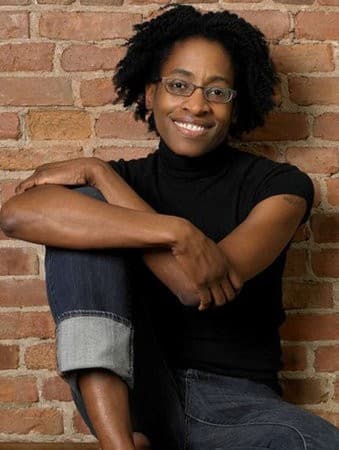
Jacqueline Woodson is an American writer of books for children and adolescents. She is best known for Miracle's Boys, and her Newbery Honor-winning titles Brown Girl Dreaming, After Tupac and D Foster, Feathers, and Show Way. After serving as the Young People's Poet Laureate from 2015 to 2017, she was named the National Ambassador for Young People's Literature, by the Library of Congress, for 2018 to 2019. She was named a MacArthur Fellow in 2020.