“Laughter is the best medicine, but if you're laughing at the wrong time, it might just get you sent to the nurse's office.”
— Jamie Grimm reflects on using humor in school, despite the risks.

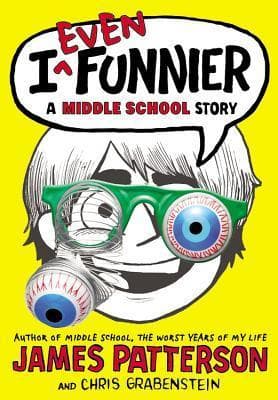
James Patterson (2013)
Genre
Children's / Young Adult
Reading Time
360 min
Key Themes
See below
Sign in to track this book
Wheelchair-bound middle school comedian Jamie Grimm must choose between his national stand-up dreams and supporting his friends and family through unexpected crises.
Jamie Grimm, fresh off his New York state win, travels to Boston with his Aunt Carol and Uncle Frankie for the national semi-finals of the Planet's Funniest Kid Comic Contest. Jamie is excited but nervous about competing against the country's best young comedians. During the drive, Uncle Frankie receives a phone call that visibly shakes him. He tries to dismiss it, but Aunt Carol presses him for details. It turns out Frankie has been having chest pains, and the doctor's office called with concerning test results, urging him to come in for more tests immediately. This news casts a shadow over their trip, and Jamie worries about his uncle.
Upon arriving in Boston, Uncle Frankie's condition worsens, and he is rushed to a local hospital. Doctors perform tests, including an angiogram, to find the cause of his chest pains. The diagnosis is a blocked artery, and he needs a stent. Jamie and Aunt Carol spend anxious hours in the waiting room, focused entirely on Frankie's well-being rather than the comedy contest. Jamie feels helpless but tries to keep Aunt Carol's spirits up with his humor. The experience shows the deep bond within their small family, and Jamie realizes that some things are far more important than winning a competition.
Despite the stress of Uncle Frankie's hospitalization, Jamie must attend the contest's preliminary rounds. He meets his fellow competitors, including 'Smiling' Sally Star, a cheerful but less talented comic, and Colleen, a confident and somewhat condescending young comedian from California who sees Jamie as her main rival. Jamie performs well in the initial rounds, using his unique perspective and self-deprecating humor to win over the judges and audience. His material often touches on his life in a wheelchair, but he makes sure it is empowering and funny, not pity-inducing. He advances to the next stage of the competition, even as his thoughts often return to his uncle's recovery.
While Jamie is in Boston, he gets a troubling call from his other best friend, Gilda. Gilda, known for her artistic flair and mischievous nature, has been caught pulling a prank at school back in Long Beach, New York. She was trying to protest the school's strict new dress code by replacing a teacher's photos with silly caricatures, but it went wrong. The school administration is threatening her with suspension, which could hurt her academic record and future. Gilda is upset and calls Jamie for advice and support. This news adds significant emotional weight to Jamie's already stressful situation, making him feel torn between his ambition and his loyalty to his friends.
With Uncle Frankie recovering but still weak, and Gilda facing a serious school crisis, Jamie feels a big internal conflict. The national finals are within his grasp, a dream he has worked hard for. However, his family and friends need him. Aunt Carol, though wanting him to pursue his dream, also needs his emotional support. Gilda is facing a potential suspension alone. Jamie realizes that his family and friends are his priority. He discusses his dilemma with Aunt Carol, who encourages him to follow his heart, assuring him that Frankie would want him to compete. Yet, the pull to be there for his loved ones is strong.
Jamie has a serious conversation with Gilda over the phone, trying to help her with her school trouble. He listens patiently to her frustration and fear, then offers practical advice. He encourages her to take responsibility for her actions, apologize sincerely, and explain her intentions, even if the execution was flawed. He reminds her of her intelligence and talent and assures her that he believes in her. This conversation shows Jamie's maturity and his deep care for Gilda, even as he faces his own pressures in the comedy contest. He emphasizes that honesty and remorse are her best path forward, and promises to support her no matter what.
Uncle Frankie's surgery is successful, and he slowly starts to recover. Though still in the hospital, his spirits lift, and he begins to regain his usual cheerful demeanor. Both Uncle Frankie and Aunt Carol notice Jamie's internal struggle and, seeing how much the contest means to him, insist that he continue. They assure him that they are proud of him regardless of the outcome and that his place is on the stage. Their unwavering support helps Jamie feel less guilty about pursuing his dream, knowing that his family is stable and cheering him on from the sidelines. This gives him a renewed sense of purpose and confidence.
When it is Jamie's turn to perform in the national semi-finals, he doesn't just tell jokes; he weaves his recent experiences into his act. He talks about the scare with Uncle Frankie, the worry for Gilda, and the realization that while comedy is his passion, family and friendship are his foundation. His performance is raw, honest, and incredibly funny, connecting deeply with the audience and judges. He uses his vulnerability to connect, showing that true humor often comes from life's challenges. He receives a standing ovation, and it is clear he has delivered a memorable and impactful set, solidifying his place as a top contender.
After all the semi-finalists perform, the judges deliberate. Jamie feels a mix of anticipation and contentment, knowing he gave his best. The results are announced, and while he is a strong contender, the specific outcome of the competition is left somewhat open-ended in the book's narrative. The emphasis shifts from who wins to what Jamie has learned throughout the journey. He realizes that the true victory is not necessarily a trophy, but personal growth, staying true to himself, supporting loved ones, and making a meaningful impact through his art. He feels a sense of accomplishment that goes beyond the contest itself.
Jamie, Aunt Carol, and a recovering Uncle Frankie eventually return to Long Beach. Gilda's situation has been resolved, with a less severe punishment than initially feared, partly due to Jamie's advice. Jamie reflects on the entire experience—the highs of performing, the lows of family illness, and the anxiety of his friend's trouble. He feels more mature and grounded. He knows his journey in comedy is just beginning, and he is ready for whatever comes next, armed with new material, a stronger sense of self, and the unwavering love of his family and friends. He looks forward to writing new jokes and performing again, knowing his support system is always there.
The Protagonist
Jamie learns that while pursuing dreams is important, the love and well-being of family and friends are paramount, deepening his sense of responsibility and self-awareness.
The Supporting
She navigates the stress of her husband's health scare while ensuring Jamie feels loved and supported in his comedic journey.
The Supporting
He faces a life-threatening health issue, recovers, and continues to be a source of strength and encouragement for Jamie.
The Supporting
She learns to take responsibility for her actions and appreciates Jamie's friendship and guidance through her school troubles.
The Supporting
She remains a consistent and supportive friend, witnessing Jamie's journey from afar.
The Supporting
She serves primarily as an external challenge for Jamie, her character remaining largely static in her competitive drive.
The Mentioned
She appears as a minor competitor, not undergoing significant development.
This theme is central to Jamie's journey, as his comedy goals are repeatedly tested by the needs of his loved ones. Uncle Frankie's health scare and Gilda's school trouble force Jamie to prioritize his relationships over the contest. He learns that true success and happiness come from the support and well-being of those he cares about, and that sometimes, putting others first is the most courageous act. This is clear when he considers leaving the competition to be with his family or to advise Gilda, showing his deep loyalty.
“''Family first, Jamie. Always family first.'”
Jamie shows resilience, navigating life in a wheelchair and using humor to cope with past tragedies and present challenges. Despite the pressure of the national comedy contest and the concurrent family and friend crises, he finds the strength to perform and support others. His ability to turn personal struggles into relatable and funny material shows his resilience. Uncle Frankie's recovery from his health scare also highlights the theme of overcoming physical adversity, reinforcing the idea that challenges can be faced and conquered.
“''I might be in a wheelchair, but my dreams still have legs.'”
Humor is not just Jamie's dream; it is his superpower. He uses it to connect with people, to cope with difficult situations, and to offer a unique perspective on life. His stand-up act allows him to express his feelings about his disability, his family, and his experiences in a way that is both entertaining and thought-provoking. Even during Uncle Frankie's hospitalization, Jamie tries to lighten the mood with jokes, showing humor's ability to provide comfort and distraction during tough times. His comedy helps both himself and others to see the lighter side of life.
“''Sometimes, the best way to deal with life's punches is to turn them into punchlines.'”
While Jamie's initial goal is to win the Planet's Funniest Kid Comic Contest, the story subtly changes the definition of success. The challenges he faces force him to consider what truly matters. By the end, success is not solely about winning a trophy, but about personal growth, staying true to oneself, supporting loved ones, and making a meaningful impact through his art. His powerful semi-final performance, which includes his personal struggles, is a greater victory than just advancing, as it shows his maturity and authenticity.
“''Winning isn't everything. Sometimes, just showing up for the people you love is the biggest prize.'”
Provides direct access to Jamie's thoughts, jokes, and emotional struggles.
The story is told entirely from Jamie Grimm's first-person perspective. This allows readers to directly experience his unique comedic voice, his anxieties, his hopes, and his observations about the world. His internal monologues are filled with jokes, self-deprecating humor, and genuine reflections, making him a relatable and engaging protagonist. This device is crucial for understanding his emotional journey and the conflict he faces between his personal ambition and his loyalty to his loved ones, as readers are privy to his inner turmoil and his process of turning life into comedy.
Two simultaneous challenges (Frankie's health, Gilda's trouble) amplify Jamie's conflict.
Jamie faces two significant, non-contest related crises simultaneously: his Uncle Frankie's life-threatening health scare in Boston and his best friend Gilda's potential school suspension back in Long Beach. These parallel crises create a strong internal conflict for Jamie, forcing him to choose between his personal dreams and his responsibilities to his loved ones. This device heightens the emotional stakes and underscores the theme of prioritizing family and friendship, as Jamie must manage his own stress while also offering support from afar or considering returning home.
The competition symbolizes Jamie's journey of self-discovery and finding his voice.
The Planet's Funniest Kid Comic Contest serves as more than just a plot driver; it's a metaphor for Jamie's journey of self-discovery, finding his voice, and navigating the challenges of life. The stage represents the platform where he can express himself, confront his fears, and connect with others. The competition forces him to hone his craft, but more importantly, it makes him reflect on what truly matters in his life. His performances become a way for him to process his experiences and share his unique perspective, ultimately defining success beyond just winning the trophy.
Jamie uses jokes and comedic observations to deal with stress, fear, and sadness.
Throughout the book, Jamie consistently uses humor as a way to cope with difficult emotions and stressful situations. Whether it's making a joke about his wheelchair, lightening the mood in a hospital waiting room, or finding the funny side of Gilda's predicament, humor is his primary defense mechanism and a source of strength. This device highlights the therapeutic power of laughter and shows how Jamie transforms his challenges into material that not only entertains but also helps him process his feelings and connect with others on a deeper level, reinforcing his resilience.
“Laughter is the best medicine, but if you're laughing at the wrong time, it might just get you sent to the nurse's office.”
— Jamie Grimm reflects on using humor in school, despite the risks.
“Sometimes the funniest people are the ones who have been through the toughest stuff.”
— Jamie shares insight from his experiences with loss and disability.
“A wheelchair doesn't define you; it's just a really fancy chair with wheels.”
— Jamie jokes about his disability to challenge stereotypes.
“If life gives you lemons, make lemonade. If life gives you a bad joke, make it worse and own it.”
— Jamie's advice on turning failures into comedic material.
“Friends are like stand-up comedians: they've got your back, even when you bomb.”
— Jamie appreciates his friends' support during his comedy journey.
“The stage is my second home, and my first home is where I practice falling off it.”
— Jamie humorously describes his dedication to comedy.
“You don't need to walk to run away from your problems; sometimes you just need a good punchline.”
— Jamie uses humor as a coping mechanism for challenges.
“Being funny isn't about making everyone laugh; it's about making yourself smile when no one else will.”
— Jamie explains the personal value of humor in tough times.
“In a world full of serious faces, be the one who tells a joke that makes them crack.”
— Jamie encourages spreading joy through comedy.
“My wheelchair isn't a limitation; it's just my mobile comedy club.”
— Jamie turns his disability into a source of empowerment and humor.
“Laughing at yourself is the first step to not caring what others think.”
— Jamie shares a lesson on self-confidence and humor.
“The best jokes come from real life, especially the parts that aren't so funny at first.”
— Jamie discusses finding humor in personal struggles.
“If you can make someone forget their troubles for a minute, you've done something amazing.”
— Jamie reflects on the impact of comedy on others.
Ready to see how well you understood this book? Take our interactive quiz with 10 questions.
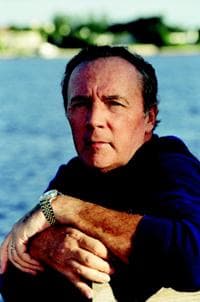
Biography coming soon.
Dan Gemeinhart
4.5

Kate O'Hearn
4.4

Jeanne Birdsall
4.4

Jen Wang
4.4
Wendelin Van Draanen
4.3

John Marsden
4.3

Chris Van Allsburg
4.3
Jennifer A. Nielsen
4.2