BookBrief
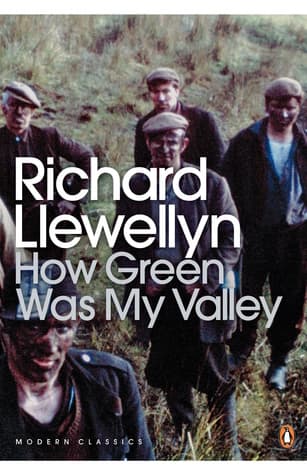
How Green Was My Valley cover
Archivist's Choice

How Green Was My Valley

Richard Llewellyn (1939)

Genre

Historical Fiction

Reading Time

10-12 hours (approx 448 pages)

Key Themes

See below

Track Your Reading

Sign in to track this book

In a Welsh mining valley, a boy's coming-of-age happens as traditions disappear and memory keeps the landscape alive.

Synopsis

Huw Morgan, the youngest son of a large mining family, tells his childhood memories of life in a South Wales coal mining valley around 1900. The story follows the close-knit Morgan family – his parents, brothers, and sister Angharad – as they live through changes in their community. The valley starts out beautiful and the family happy, but the growing coal industry brings both good times and hard times. This leads to strikes, dangerous work, and social change. Huw sees his family's difficulties and successes, from his brothers' union work and how strikes hurt their living, to Angharad's unhappy marriage and his siblings leaving. He sees the strength of his mother, Beth, and the community's strong faith. As the valley gets more industrial and covered in mine waste, Huw grows up, gets an education, and experiences personal losses. The novel ends with his father, Gwilym Morgan, dying. This shows the end of an era and the loss of the 'green valley' of his youth. Huw looks back on a world that has changed forever.
Reading time
10-12 hours (approx 448 pages)
Difficulty
Medium
Pacing
Slow
Mood
Nostalgic, Poignant, Reflective, Melancholy, Resilient
✓ Read this if...
You love rich, nostalgic historical fiction with a strong sense of place, focusing on family dynamics and the impact of industrialization on a community. Perfect for those who appreciate lyrical prose and a poignant, reflective tone.
✗ Skip this if...
You prefer fast-paced plots, lighthearted themes, or stories without significant social commentary on labor and class struggles. The book's reflective nature and emphasis on memory might feel slow to some.

Plot Summary

The Valley's Early Beauty and the Morgan Family's Harmony

The novel starts with an elderly Huw Morgan remembering his childhood in a Welsh mining valley, specifically the village where his family lived. He describes the valley before the slag heaps changed it, a place of great natural beauty and a close community. The story then moves to his early memories, when he was a young boy. His family, led by his strict father, Gwilym Morgan, and his loving mother, Beth, is large and important to the village. His six older brothers—Ivor, Dai, Owen, Gwilym, Ifor, and Gareth—are all coal miners, like their father. Huw, the youngest, is still in school and somewhat protected from the mine's harshness, though it is a big part of their lives. The family has a time of good fortune and strong family ties, often gathering for meals and singing.

Growing Pains and First Loves

Huw's early childhood follows the daily routines of village life, centered on the mine and the chapel. He notices the strong personalities in his family, especially his wise and kind mother, Beth. His oldest brother, Ivor, falls in love with Bronwen, a beautiful and kind woman from a nearby village. Their courtship makes the family happy, ending in a grand wedding that is a big social event for the whole community. Huw likes Bronwen a lot, and her arrival brings new warmth and happiness to the Morgan home. The wedding feast and celebration represent a time of unity and hope, before bigger problems start to affect the valley.

The Shadow of the Pit and the First Strike

The valley's good times begin to end as the mine owners, the Blackwood Company, suggest cutting wages. This causes growing unrest among the miners. Huw's older brothers, especially Owen and Gwilym, get more involved in the new union movement, arguing for a strike. Their father, Gwilym Morgan, a respected and traditional miner, first opposes the strike. He believes in settling things with the owners and fears the suffering a strike will cause. This disagreement creates a deep division in the family, with the sons moving out of the family home to live in the striking miners' barracks. Huw is caught in the middle, seeing the pain and division from the industrial dispute, and the increasing poverty in the valley.

Brother Against Brother: The Strike's Toll

The strike continues, bringing severe hardship to the valley. Food becomes scarce, and the community relies on charity and small savings. Huw, still a child, experiences severe hunger and sees how his family suffers physically and emotionally. His mother, Beth, tries hard to feed the family and keep them together, often giving up her own needs. Tensions rise, leading to fights between striking miners and those who choose to work. The Morgan brothers, now living apart, face the difficulties with their fellow miners. The family's unity is strongly tested, and Huw sees his people's suffering and strength, learning hard lessons about social injustice and what collective action can do, as well as its terrible results.

The Return to Work and a New Beginning

Eventually, the strike ends, and the miners return to work, though with big compromises and lasting resentment. The valley is damaged, both physically by the growing slag heaps and emotionally by the divisions. The Morgan brothers come home, but the easy friendship is somewhat strained. Huw, who was sick during the strike, is helped by the local schoolmaster, Mr. Gruffydd, and the kind preacher, Mr. Elias. He shows great intelligence and a love for learning, which his parents support. At this time, his sister Angharad falls in love with Mr. Gruffydd, but their relationship is complicated by social expectations and their different social standing.

Tragedy Strikes and Angharad's Unhappy Union

A bad mining accident kills Ivor, Huw's oldest brother and Bronwen's husband. This tragedy shatters the family and causes the whole valley to mourn. It shows the constant danger miners face. Huw is deeply affected by Ivor's death and sees the deep grief of Bronwen and his parents. Around this time, Angharad, despite her strong feelings for Mr. Gruffydd, is pressured by her family's money problems and social rules to marry Ianto Evans, a rich, snobbish mine manager's son. Her marriage is unhappy and without love, a clear contrast to the love she shared with Mr. Gruffydd, who eventually leaves the valley, heartbroken.

Huw's Education and His Mother's Strength

Huw does well in his studies, showing a sharp mind and sensitivity. He passes exams and thinks about a life away from the mines, encouraged by Mr. Gruffydd and his parents. However, the family continues to face hardship. His mother, Beth, gets a severe illness, caused by years of worry and hard work, and almost dies. Her recovery is slow and difficult, but her strength and spirit continue to be the family's foundation. Huw spends much time caring for her, making their bond stronger. The valley itself continues its slow decline, with more slag heaps appearing, further damaging the landscape and showing the spreading industrial blight.

Further Losses and the Brothers' Departure

As the mine produces less and conditions worsen, several of Huw's brothers—Owen, Gwilym, and Dai—have to leave the valley to find work elsewhere, looking for better chances. This scattering of the family is another painful blow, showing the breakup of the close family unit Huw remembers from his early childhood. The valley becomes a place with fewer young men and more sadness. Later, Huw's brother Gareth also dies in a mining accident, adding to the family's grief and showing the constant danger of the mine. Each departure and death weakens the family's core, leaving Huw and his parents to face a future that looks increasingly grim.

Huw's Coming-of-Age and Personal Struggles

Huw grows into a young man, experiencing first love with a girl named Blodwen. However, their relationship is short and ends in heartbreak, a common experience in the valley where young people often leave or face tough choices. He continues to see the changing landscape and the growing poverty of his home. The once green valley is now mostly covered by black slag heaps, a physical sign of the industry's destructive effect. Huw deals with his own identity and future, torn between his love for his family and the valley, and wanting a life beyond the mines. He stays a careful observer, learning life's lessons and losses.

The Death of Gwilym Morgan and the End of an Era

The biggest tragedy happens when Huw's father, Gwilym Morgan, a man of great honesty and strength, dies in a mining accident. He is trapped underground after a roof fall while helping a younger miner, giving up his life. His death is a terrible blow, not only to the family but to the whole community, as he was a respected person and a symbol of the valley's traditional values. Huw, now an adult, helps get his father's body. This event marks the clear end of an era for the Morgan family and for Huw's childhood. His father's death leaves Huw as the last son in the valley, facing a future where the green valley of his memory is almost completely gone.

Huw's Reflections and the Lost World

At the novel's end, Huw, now an old man, is getting ready to leave the valley for good, the last of his family remaining. He walks through the now empty and blackened landscape, seeing how different it is from the green valley of his childhood memories. He thinks about his family's lives, the love, the struggles, the tragedies, and their strength. He remembers the voices, the songs, the community spirit, and the beauty that once defined his home. His story becomes a moving tribute to a lost world, honoring the people and the way of life that have been changed forever by industry and time. He keeps these memories as his most valuable possession, a reminder of what once was.

Principal Figures

Huw Morgan

The Protagonist

Huw transforms from an innocent child observing his family's struggles to a reflective old man mourning the loss of his valley and its way of life.

Gwilym Morgan

The Supporting

He remains steadfast in his principles despite changing times and family divisions, ultimately sacrificing his life for another.

Beth Morgan

The Supporting

She endures immense personal loss and hardship, yet remains the unwavering emotional center and source of strength for her family.

Bronwen

The Supporting

She transitions from a joyful newlywed to a strong, grieving widow, maintaining her gentle spirit throughout.

Angharad Morgan

The Supporting

She sacrifices her true love for a marriage of convenience, leading to a life of unhappiness and eventual departure from the valley.

Mr. Gruffydd

The Supporting

He serves as an intellectual and moral guide, experiencing heartbreak and eventually leaving the valley.

Owen and Gwilym Morgan (brothers)

The Supporting

They become leaders in the miners' struggle, later forced to seek opportunities outside the declining valley.

Ianto Evans

The Supporting

His character remains static, representing the unappealing aspects of wealth and social climbing.

Themes & Insights

Loss and the Irreversibility of Change

The main theme of the novel is a deep sense of loss—loss of natural beauty, community, tradition, and a way of life. Huw, as an old man, often expresses sadness about his 'green valley' becoming a black, industrial wasteland. This is also seen in the loss of his family members through death and leaving, the weakening of community unity because of strikes, and the fading of Welsh culture. The novel shows that change, especially industrialization, often destroys things and cannot be undone, leaving a strong feeling of wanting the past back.

How green was my valley then, and the sunlight, like the finger of God, touched the mountain tops and the water ran clear and cold.

Huw Morgan (narrator)

Family and Community Bonds

Even with the problems of strikes, poverty, and industrial decline, the lasting strength of the Morgan family and the larger Welsh community is an important theme. The family's deep love, support for each other, and shared values (like singing and valuing education) are shown as a defense against hardship. How the community responds to tragedies, like mining accidents, shows a strong shared identity and grief. However, even these bonds are tested by disagreements during strikes and the need to leave for economic reasons, showing that even the strongest ties can be fragile under great pressure.

When there is no hope, there is nothing. And we have hope. So we are not lost.

Beth Morgan

Social Injustice and Class Struggle

The novel clearly shows the harsh truth of the coal mining industry and the class conflict between the rich mine owners and the working-class miners. The repeated strikes, wage cuts, and dangerous work conditions highlight how the miners were used. The Morgan brothers' involvement in the union movement and their disagreements with their father's more traditional approach show the growing awareness of workers' rights. The poverty and suffering of families during the strikes strongly criticize the capitalist system and the unfairness faced by the working class.

A man's life is of more value than the price of his coal.

Owen Morgan

The Power of Memory and Nostalgia

The whole story is told as an act of memory, with an elderly Huw Morgan recalling his childhood. This gives the story a strong feeling of nostalgia, a longing for a past that is made better by memory. Huw's detailed memories, often focusing on sensory details like smells and sounds, show how personal memory is and its power to keep a lost world alive. Remembering becomes a way to honor his family, his community, and the beauty of his valley, even as he knows its physical destruction. Memory is shown as a safe place and a sign of lasting love.

Indeed, there is no more beautiful valley in all the world than the valley that is in my mind now.

Huw Morgan (narrator)

Plot Devices & Literary Techniques

First-Person Retrospective Narration

An elderly Huw Morgan recounts his childhood from a distant future

The novel is entirely narrated by an elderly Huw Morgan, looking back on his life in the valley. This retrospective point of view allows for a deep sense of nostalgia and provides a mature, reflective commentary on the events of his youth. It emphasizes the theme of loss and the irreversible nature of change, as Huw constantly contrasts the 'green valley' of his memory with its current desolate state. This device also allows for foreshadowing and a philosophical perspective on the struggles and joys of his past, shaping the reader's emotional response to the story's events.

Symbolism of the Valley and Slag Heaps

The physical landscape mirrors the community's fortunes and the impact of industrialization

The valley itself is a powerful symbol. Initially, it represents natural beauty, purity, and a harmonious way of life, reflecting the initial prosperity and close-knit nature of the community. As the story progresses, the encroaching black slag heaps symbolize the blight of industrialization, environmental destruction, and the economic and social decay of the mining village. The gradual darkening and disfigurement of the landscape directly parallel the increasing hardship, loss, and fragmentation experienced by the Morgan family and the community, serving as a constant visual metaphor for the story's central themes of change and loss.

The Morgan Family as a Microcosm

The family's experiences reflect the broader struggles of the Welsh mining community

The Morgan family functions as a microcosm of the entire Welsh mining community. Their internal conflicts (e.g., father vs. sons during strikes), their joys (marriages, births), and their tragedies (mining accidents, departures) mirror the larger experiences of the valley's inhabitants. By focusing on the intimate details of one family's life, Llewellyn effectively humanizes the broader social and economic issues, making the impact of industrialization and class struggle deeply personal and emotionally resonant. The family's eventual dispersal symbolizes the fragmentation of the wider community.

Welsh Language and Song

Inclusion of Welsh words, phrases, and the importance of singing to culture

Llewellyn intersperses Welsh words and phrases throughout the English narrative, immersing the reader in the cultural fabric of the valley. More significantly, singing is a recurrent motif and a vital part of Welsh identity portrayed in the book. The family and community often sing together in times of joy, sorrow, and worship. This emphasis on song symbolizes the resilience, emotional expression, and cultural richness of the Welsh people, serving as a counterpoint to the harsh realities of their lives and a powerful reminder of their heritage and spirit.

Critical analysis

Notable Quotes

I am going to pack my two shirts with my other socks and my best suit in the little blue cloth my mother used to tie round her hair when she did the house, and I am going from the Valley.

Huw Morgan reflects on leaving his home valley as an adult, symbolizing the end of an era.

Men like my father cannot die. They are with me still, real in memory as they were in flesh, loving and beloved forever.

Huw's tribute to his father and the enduring legacy of the older generation in the valley.

How green was my Valley then, and the Valley of them that have gone.

The famous opening line, with Huw looking back on his childhood and the valley's past beauty.

There is no fence or hedge round time that is gone. You can go back and have what you like if you remember it well enough.

Huw muses on the power of memory to revisit the past.

I saw the Valley as it was, and as it is, and as it will be, and I was afraid.

Huw contemplates the changes in the valley due to industrialization and social shifts.

A man's character is like his garden. He can sow weeds, or he can sow flowers.

A piece of wisdom shared by Huw's father, Gwilym Morgan, about personal responsibility.

The world is a wheel, and it will all come round right.

A hopeful saying from the community, reflecting resilience amidst hardship.

There is no room for two in a grave, but there is always room for two in a heart.

Huw reflects on love and loss after personal tragedies in the valley.

The pit is a cruel master, but it is a master that must be served.

Acknowledgment of the harsh realities of coal mining that dominated valley life.

We are the children of the Valley, and the Valley is our mother.

Huw expresses the deep connection between the people and their homeland.

To be born in Wales is to be born with music in your blood and poetry in your soul.

A celebration of Welsh culture and heritage that permeates the valley.

The old men sit in the sun and talk of the days when the Valley was green, and the young men listen and wonder.

Depicts the generational divide and oral tradition in the community.

Grief is a stone that bears upon the heart, but in time it wears away to sand.

Huw's reflection on coping with loss over time.

A man's work is his pride, and his pride is his soul.

Emphasizes the dignity and importance of labor in the mining community.

Quiz

Test Your Knowledge

Ready to see how well you understood this book? Take our interactive quiz with 10 questions.

10
Questions
~5
Minutes
?
Best Score

Key Questions (FAQ)

The novel follows Huw Morgan's nostalgic reminiscences of growing up in a Welsh mining community in South Wales during the late 19th century. Through his eyes, readers witness the Morgan family's struggles with industrialization, labor disputes, and cultural changes, while celebrating the beauty of Welsh traditions and the close-knit community life that is gradually disappearing.

About the author






