“The wind carried the scent of pine and something else, something metallic and sweet, like blood and sugar.”
— Early in the narrative, hinting at the horrors to come in the camps.

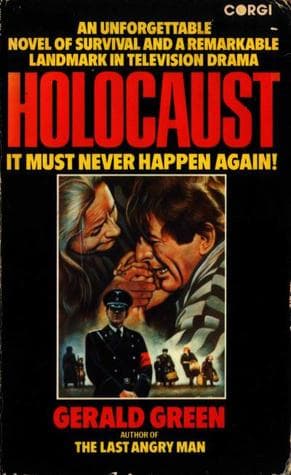
Gerald Green (1978)
Genre
Historical Fiction / Romance
Reading Time
12-14 hours
Key Themes
See below
Sign in to track this book
Amidst the rise of Nazism, an ambitious SS officer and a doomed Jewish family face the personal horrors and heartbreaking choices of the Holocaust.
In 1935 Berlin, the wealthy Jewish Weiss family, led by Dr. Josef Weiss, a respected surgeon, and his wife Berta, lives a life of culture and normalcy. Their children are Karl, an artist; Rudi, a rebellious youth; and Anna, a pianist. At the same time, Erik Dorf, a struggling lawyer, sees the rising Nazi party as a way to gain power. He is drawn to the party not by deep belief, but by a path to influence, aligning himself with Reinhard Heydrich. As the Nazi regime takes hold, the Weiss family, like many German Jews, initially believes the persecution will be temporary, holding onto their identity as Germans.
As the 1930s continue, the Weiss family experiences the tightening grip of anti-Jewish laws. Karl, an artist, finds his work called 'degenerate,' and his opportunities disappear. Rudi, increasingly angered by the injustice, thinks about resistance. Anna, though less political, feels the chilling shift in society. Meanwhile, Erik Dorf, driven by a desire for power, quickly rises in the SS, becoming Heydrich's protégé. He helps draft and implement discriminatory laws, seeing his actions as necessary for order and the Reich's good, despite his wife's quiet discomfort.
The horror of Kristallnacht in November 1938 shatters any remaining sense of safety for the Weiss family. Their synagogue burns, Jewish businesses are destroyed, and men are rounded up. Dr. Josef Weiss is arrested and sent to Buchenwald concentration camp, though he is later released through his family's efforts and a non-Jewish colleague, Professor Schmidt. This event is a clear warning, the family now understands the regime's true, violent intent. Karl's wife, Inga, a Gentile, struggles with her loyalty to her husband amid pressure to conform to Nazi ideology.
After the invasion of Poland and the start of World War II, the Weiss family is moved to the Warsaw Ghetto. Life there means overcrowding, starvation, and constant fear. Dr. Josef Weiss continues to practice medicine under impossible conditions, while Berta tries to maintain their family's dignity. Rudi, seeing the atrocities, becomes involved with the Jewish underground resistance in the ghetto, doing sabotage and preparing for a desperate fight. Karl tries to use his art to document the horrors, but despair is overwhelming.
Erik Dorf attends the Wannsee Conference in January 1942, where the 'Final Solution to the Jewish Question' is formalized. As a key administrator and legal expert, Erik helps create the bureaucratic framework for the systematic extermination of European Jews. He becomes more involved in the machinery of genocide, showing a chilling detachment and efficiency, even as he privately considers the moral implications, trying to justify his actions as merely following orders and ensuring the Reich's success. His wife, worried by his coldness, remains largely silent.
The Weiss family, along with millions of other Jews, is eventually deported from the Warsaw Ghetto to concentration camps in the East. Anna, separated from her family, is sent to Auschwitz. There, she endures horrific conditions, starvation, and forced labor. Her artistic nature is brutally tested by the inhumane environment. She sees unimaginable cruelty and death, holding onto small glimmers of hope and human connection. Her brother, Karl, tries to protect his wife Inga, but their fate is tied to the larger tragedy.
Rudi Weiss, a central figure in the Warsaw Ghetto Uprising, fights bravely against German forces in April 1943. After the Uprising is brutally suppressed, he escapes the burning ghetto, a lone survivor filled with vengeance and despair. He then joins partisan fighters in the forests, continuing his struggle against the Nazis. His experiences change him from a rebellious youth into a hardened fighter, driven by a desire for justice for his family and his people. He meets other survivors and resistance members, forming new bonds amid the chaos of war.
Karl Weiss and his non-Jewish wife, Inga, are eventually sent to Theresienstadt, a 'model ghetto' used by the Nazis for propaganda. Despite the camp's brutal reality, Karl, with Inga's support, continues to draw and document the prisoners' lives, secretly preserving the truth of their suffering. Inga, as a Gentile, faces constant pressure and danger but remains loyal to Karl, choosing to share his fate. Their love and resilience are tested daily as they see the slow dehumanization and death of those around them, yet they try to maintain their humanity.
As the war turns against Germany, Erik Dorf sees the crumbling of the regime he served. Promises of power fade, replaced by fear and desperation. He becomes paranoid and disillusioned, grappling with the moral weight of his involvement in the Holocaust. He tries to destroy incriminating documents and cover his tracks, but the approaching Allied forces loom. His wife senses his despair and the impending collapse, though she can offer little comfort or forgiveness for his monstrous deeds.
As Allied forces advance, concentration camps are liberated, showing the world the unimaginable horrors of the Holocaust. Anna Weiss is among the skeletal survivors of Auschwitz, scarred but alive. Rudi Weiss fights until the end, eventually seeking any remaining family. Karl Weiss and Inga also survive Theresienstadt. Liberation marks the end of physical torment, but emotional and psychological wounds remain. Survivors grapple with immense loss, trauma, and the challenge of finding meaning in a shattered world, as they begin the hard journey of rebuilding their lives.
With the collapse of the Third Reich, Erik Dorf, facing capture and trial for his war crimes, takes his own life rather than confront the consequences. His death shows the moral bankruptcy of his choices. Rudi Weiss, driven by a desire for justice and to find any surviving family, travels through post-war Europe. He learns of Anna's survival and eventually reunites with her and Karl and Inga. Their reunion is bittersweet, shadowed by immense loss and the marks of their suffering, but it offers fragile hope for the future.
The surviving Weiss family members – Anna, Rudi, Karl, and Inga – struggle to cope with their experiences. Anna is deeply traumatized, her spirit fragile but resilient. Rudi, hardened by war and loss, is determined that the world will never forget. Karl, though physically free, carries the weight of the genocide in his soul and through his art. They represent the millions who suffered, bearing witness to the Holocaust. Their story ends with a deep sense of loss, but also a quiet resolve to remember, to rebuild, and to ensure such atrocities are never repeated, honoring those who died.
The Protagonist/Supporting
From a man of secure standing and belief in German society, he is systematically stripped of his dignity and life, dying in a concentration camp.
The Protagonist/Supporting
She endures the destruction of her family and eventually perishes in a concentration camp, a testament to her enduring love and suffering.
The Protagonist
From a hopeful artist, he becomes a chronicler of suffering, surviving the camps with his integrity intact, though deeply scarred.
The Protagonist
From a naive rebel, he transforms into a hardened partisan fighter, seeking justice and family amidst the devastation of war.
The Protagonist
From a sheltered musician, she becomes a survivor of Auschwitz, bearing witness to the ultimate human degradation, forever changed but alive.
The Supporting
She chooses love over safety, endures the Holocaust with Karl, and survives as a testament to human decency.
The Antagonist
From an ambitious but ordinary lawyer, he transforms into a cold, efficient orchestrator of genocide, ultimately taking his own life to avoid facing justice.
The Supporting/Mentioned
She witnesses her husband's moral decline and the unraveling of their lives, ending in a state of quiet despair.
The Antagonist/Mentioned
A powerful and brutal architect of the Holocaust, his assassination serves as a catalyst for increased Nazi terror.
This theme explores how ordinary people can become perpetrators of horrific acts through ambition, conformity, and detachment. Erik Dorf shows this, starting as an unremarkable lawyer who, driven by career advancement, meticulously creates the legal and administrative framework for the 'Final Solution.' His actions are shown not as sadistic glee, but as efficient problem-solving, highlighting how evil can appear in routine, bureaucratic processes. His participation in the Wannsee Conference, where the extermination of millions is discussed calmly, is a clear example.
““We are simply following orders, ensuring the smooth functioning of the state.””
The novel carefully charts the systematic stripping away of humanity from both victims and perpetrators. For the Weiss family, their comfortable, cultured lives are gradually eroded by discrimination, ghettoization, and the camps, forcing them to face unimaginable brutality. Anna Weiss, a talented pianist, changes from a gentle artist into a traumatized survivor. Erik Dorf, on the other hand, loses his moral compass, becoming desensitized to the suffering he orchestrates. The plot shows how external forces and internal compromises can lead to deep dehumanization.
““Our humanity was a luxury we could no longer afford.””
Despite overwhelming oppression, the theme of resistance – both active and passive – and the enduring resilience of the human spirit is central. Rudi Weiss's active role in the Warsaw Ghetto Uprising and his subsequent flight to join the partisans exemplify armed resistance. Karl Weiss's secret art, documenting the horrors in Theresienstadt, represents artistic and intellectual defiance. Inga's unwavering loyalty to Karl, a Jew, despite great personal danger, is an act of moral resistance. These acts, however small, show a refusal to surrender completely to dehumanizing forces.
““We would not go like sheep to the slaughter. We would fight.””
The novel itself, and its characters, emphasize the importance of remembering the Holocaust and ensuring its lessons are not forgotten. Karl Weiss's drawings and the survivors' eventual testimonies serve as vital acts of bearing witness. The narrative ensures that the individual stories of the Weiss family, representing millions, are preserved. The lingering trauma of survivors, like Anna, and Rudi's determination to seek justice, stress the moral need for remembrance to prevent future atrocities and honor the victims.
““We must remember. We must never forget what happened here.””
Germany's rapid descent, a cultured and educated nation, into barbarism serves as a warning about the fragility of civilization. The initial normalcy of the Weiss family's life in Berlin contrasts sharply with the swift erosion of rights, laws, and basic human decency. The story illustrates how easily societal structures can be manipulated and how quickly prejudice can escalate into systematic violence when unchecked. The transformation of a modern society into one capable of genocide shows that no civilization is immune to such a collapse.
““How could a nation of poets and philosophers descend into such an abyss?””
Alternating perspectives between the victim and perpetrator families.
The novel employs a parallel narrative structure, interweaving the story of the Jewish Weiss family with that of Erik Dorf, the ambitious German lawyer who rises through the SS. This juxtaposition allows the reader to simultaneously witness the escalating persecution from the victims' perspective and the chilling bureaucratic machinery of genocide from the perpetrator's side. It highlights the direct impact of Dorf's policies on families like the Weisses, creating a powerful and often agonizing dramatic irony as the two narratives converge at various points, demonstrating the interconnectedness of their fates.
Representing broader groups within the Holocaust narrative.
The characters in 'Holocaust' function as archetypes, representing different facets of the Jewish experience and the German complicity during the war. Dr. Josef Weiss embodies the assimilated Jew; Rudi, the resistance fighter; Anna, the innocent victim; Karl, the artist chronicler. Erik Dorf, on the other hand, represents the 'desk murderer' – the ambitious bureaucrat who enables atrocities. This allows the novel to cover a wide range of experiences and perspectives, making the vast tragedy more comprehensible through individual human stories that resonate with broader historical truths.
The audience's knowledge surpassing the characters' initial understanding.
Dramatic irony is heavily utilized, particularly in the early stages of the novel. The reader, with historical hindsight, knows the horrific fate awaiting the Jewish population, while the Weiss family initially believes the persecution will pass, clinging to their German identity. This creates a profound sense of dread and pathos, amplifying the tragedy of their eventual suffering. For instance, Dr. Josef's initial dismissals of the Nazi threat are poignant because the reader understands the true scope of the disaster that will unfold.
Representing humanity, resistance, and cultural loss.
Art and music serve as powerful symbols throughout the novel. Anna Weiss's piano playing embodies beauty, culture, and the pre-war normalcy that is brutally destroyed. Karl Weiss's drawings, even in the ghettos and camps, symbolize the enduring human spirit, the need to bear witness, and the quiet act of defiance against dehumanization. The Nazi regime's condemnation of 'degenerate art' further underscores their attempt to destroy not just people, but also culture and individual expression, making these artistic endeavors acts of profound resistance and preservation of humanity.
“The wind carried the scent of pine and something else, something metallic and sweet, like blood and sugar.”
— Early in the narrative, hinting at the horrors to come in the camps.
“There was a moment when you could choose, a tiny fraction of time when you could say no. And then it was gone.”
— Reflecting on the early stages of the Nazi regime and the loss of individual agency.
“Love, even in the shadow of death, found a way to bloom, fragile but defiant.”
— Describing the developing romance between Karl Weiss and Anna Weiss amidst the persecution.
“The world had gone mad, and the only sanity was to cling to another human hand, however briefly.”
— Highlighting the importance of human connection in the face of widespread insanity and cruelty.
“They took everything, but they could not take the memories. Not yet.”
— Characters reflecting on their past lives and the solace found in remembrance.
“To survive was not a victory, but a burden. A burden of remembering.”
— A character's poignant reflection on the aftermath of the war and the weight of survival.
“The silence was the loudest sound in the world, filled with unspoken questions and unanswerable grief.”
— Describing a moment of profound loss and the overwhelming quiet that follows.
“He learned that courage was not the absence of fear, but the ability to act in spite of it.”
— A character's internal realization about the nature of bravery in extreme circumstances.
“Every day was a battle, not just against them, but against the despair that gnawed from within.”
— Illustrating the internal struggle of maintaining hope and spirit in the camps.
“The stars, indifferent and eternal, mocked their fleeting suffering.”
— A moment of cosmic perspective, contrasting human pain with the vastness of the universe.
“There were no heroes, only people trying to make it through another sunrise.”
— Underscoring the common humanity and daily struggle of ordinary individuals during the Holocaust.
“The smell of burning leaves, once a comfort, now brought only a shiver of dread.”
— A sensory detail showing how everyday experiences are tainted by past trauma.
“They built walls, but the spirit, like water, found cracks to seep through.”
— Metaphorically describing the enduring human spirit and resistance against oppression.
“To forget was to betray. To remember was to carry the weight of the world.”
— A core theme of the book, exploring the moral imperative of remembrance.
“The smallest act of kindness could illuminate the darkest night.”
— Highlighting the impact of compassion and humanity even in the most brutal environments.
Ready to see how well you understood this book? Take our interactive quiz with 10 questions.
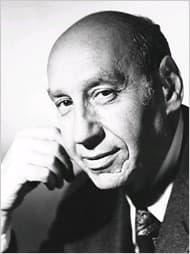
Biography coming soon.







