“Henry knew it was going to be an eventful day because he could smell it. It smelled like asphalt and something else, something exciting.”
— Henry's morning thoughts before a significant event.

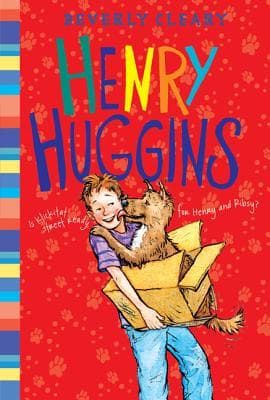
Beverly Cleary (1950)
Genre
Children's / Young Adult
Reading Time
150 min
Key Themes
See below
Sign in to track this book
A boy's ordinary life on Klickitat Street turns into a series of lively, dog-fueled adventures when a stray, ice cream-loving canine named Ribsy adopts him, showing that even everyday streets can hold extraordinary adventures.
Ten-year-old Henry Huggins, feeling his life on Klickitat Street is dull, is eating an ice cream cone when a scruffy, hungry-looking dog appears. The dog, whom Henry names Ribsy, follows him home. Henry wants to keep Ribsy, but his mother says he must find the dog's owner. After failing to find an owner, Henry decides to take Ribsy home on the bus. The bus driver, Mr. Grumbie, will not allow the dog on. Henry, desperate, hides Ribsy in a shopping bag, but Ribsy's tail wags through a hole, causing a stir. The bus stops, and a police officer, Officer Twigg, steps in, giving Henry and Ribsy an exciting ride home in the police car.
Henry decides to enter Ribsy in a local dog show. He works hard to clean Ribsy, giving him a bath and trying to brush his matted fur. However, Ribsy, being a mutt, does not fit into any specific breed category. At the dog show, Henry is sad when the judges do not seem impressed by Ribsy's mixed background. Despite Henry's efforts to make Ribsy look good, Ribsy looks more like a street dog than a show dog. This experience shows Henry's strong loyalty to Ribsy, even when others do not appreciate him.
Henry takes over a paper route for his friend Scooter, who is sick. This is Henry's first job, and it is hard. He struggles with the heavy newspapers and finding the right houses. Ribsy goes with him, at first causing some small distractions but also giving him company. One day, a strong wind scatters the newspapers, and Henry and Ribsy must quickly gather them, showing their teamwork and Henry's determination to finish his duties despite problems.
Henry and his friends, including Beezus and Ramona Quimby, are playing football when the ball goes into Mr. Capper's yard. Mr. Capper is a notoriously grumpy neighbor who is strict about children playing near his property. Henry and the others are reluctant to get the ball. Ribsy, however, bravely enters the yard and gets the football, but Mr. Capper catches them. This incident leads to a tense meeting, with Henry having to explain what they did and deal with Mr. Capper's stern disapproval, showing the conflict between children's play and adult rules.
Henry's father is painting the garage door green. While Mr. Huggins is away, Ribsy, in his usual curious way, accidentally steps into the wet green paint. Without knowing, he then walks through the house, leaving green paw prints everywhere. Henry finds the mess and, with his mother's help, starts a frantic and funny mission to clean Ribsy and the house before his father returns. This scene shows how unpredictable pets are and the humorous problems they create.
Henry decides he wants to buy a new baseball glove and starts collecting pennies. He carefully searches sidewalks and gutters for dropped coins. Ribsy, always his companion, joins him on his 'penny hunts.' During one of these searches, Ribsy sniffs out something unusual under a bush. To Henry's surprise, it is not just a few pennies, but a small, forgotten purse containing a lot of money. This unexpected discovery gives Henry a moral problem about what to do with the found money.
After finding the purse, Henry wants to keep the money to buy his baseball glove. He dreams about what he could buy. However, his conscience, and a talk with his parents, make him realize that it is the right thing to try and find the owner. He and Ribsy go to the police station, where they report the find. The police find the owner, a kind old woman, who is very grateful and rewards Henry for being honest, teaching Henry an important lesson about doing what is right.
Henry is part of a neighborhood baseball team, and they are playing an important game. Henry, not the best player, is nervous but determined. Ribsy is, of course, on the sidelines, enthusiastically barking and running around, giving moral support. During a key moment in the game, Ribsy's actions accidentally distract an opposing player, leading to an important play that helps Henry's team. This shows how Ribsy, even by accident, often affects what happens around Henry.
One day, Ribsy disappears. Henry is heartbroken and frantic. He searches all over Klickitat Street, calling Ribsy's name, but cannot find him. He puts up 'Lost Dog' posters and gets help from his friends. The neighborhood comes together to help Henry, showing the community's affection for both Henry and his beloved dog. Ribsy's absence makes Henry realize how much the dog means to him, highlighting their strong bond.
After a time of worrying, Ribsy is finally found. He had wandered off and been taken in by a kind family on the other side of town who had not seen Henry's posters. A neighbor recognizes Ribsy from one of the posters and contacts Henry's family. Henry rushes to get Ribsy, and their reunion is filled with great joy and relief. The incident strengthens the strong bond between Henry and Ribsy, assuring Henry that his life will never be boring with Ribsy by his side.
The Protagonist
Henry learns responsibility, honesty, and the value of friendship, realizing that even ordinary life can be full of excitement with the right companion.
The Supporting
Ribsy finds a loving home and becomes an integral, cherished member of the Huggins family and Klickitat Street.
The Supporting
They learn to embrace the chaos and joy Ribsy brings into their lives, further solidifying their family bond.
The Supporting
Remains a consistent, supportive friend to Henry, embodying the steady relationships of childhood.
The Supporting
Remains a lively and sometimes troublesome younger neighbor, adding to the vibrancy of Klickitat Street.
The Supporting
Remains a background friend, his illness sparking a temporary responsibility for Henry.
The Mentioned
Serves as a static, authoritative figure, providing a source of minor conflict.
The Mentioned
A brief but positive interaction, showing helpful community figures.
The main idea is about Henry's experience with Ribsy, showing both the great joy and the responsibilities that come with having a pet. From the initial struggle to keep Ribsy, to bathing him for the dog show, cleaning up the green paint mess, and the desperate search when Ribsy goes missing, Henry learns that owning a pet is a commitment. The bond between Henry and Ribsy is shown as very rewarding, making the challenges worth it. It highlights unconditional love and how a pet can make a child's life better.
“Henry knew he couldn't live without Ribsy. No matter what trouble Ribsy got into, he was Henry's dog.”
Henry initially thinks his life is boring, but Ribsy's arrival changes his view. The book shows that excitement and adventure can be found in ordinary situations on a typical suburban street. A bus ride becomes a police car escort, a paper route turns into an exercise in sticking with it, and a lost football leads to a tense neighborhood encounter. Cleary shows that with a curious mind and a loyal friend, even everyday tasks can become memorable experiences, challenging Henry's first belief that 'nothing exciting ever happened on Klickitat Street.'
“Life on Klickitat Street was never dull when Ribsy was around.”
This idea is explored through the 'penny collection' and 'lost purse' incident. Henry faces a moral problem: keep the found money for his desired baseball glove or return it to its rightful owner. His inner struggle and final decision to return the purse, despite wanting the glove, stress the importance of honesty and doing what is right. The reward he gets for his good deed reinforces the idea that doing the right thing, even when hard, is ultimately more satisfying.
“He knew he had to try to find the owner. It was the right thing to do, even if it meant no new baseball glove.”
The novel shows the strong bonds of friendship among children on Klickitat Street, especially between Henry, Beezus, and Scooter. They play together, help each other (like Henry taking over Scooter's paper route), and come together when Ribsy goes missing. The community aspect also appears in the neighbors' involvement, whether it is Mr. Grumbie the bus driver, Officer Twigg, or the family who temporarily takes in Ribsy. This idea emphasizes the supportive and connected nature of a neighborhood and the importance of having friends to share experiences with.
“All the kids on Klickitat Street knew Ribsy, and they all helped Henry look.”
A pet whose arrival sparks a series of adventures and character development.
Ribsy serves as the primary catalyst in Henry's life. Before Ribsy, Henry's life feels ordinary and uneventful. Ribsy's very presence, from the moment he follows Henry home, initiates nearly every major plot point and conflict in the story. His playful nature and propensity for mischief drive the narrative forward, transforming mundane situations into humorous or challenging adventures. He pushes Henry out of his comfort zone, leading to experiences that teach him responsibility, honesty, and loyalty.
A series of vignettes depicting everyday experiences and minor conflicts.
The novel uses a 'slice of life' structure, presenting a collection of loosely connected episodes rather than a single overarching dramatic plot. Each chapter focuses on a distinct, self-contained adventure or challenge that Henry and Ribsy face, such as the bus ride, the dog show, the paper route, or the green paint. This episodic format effectively captures the rhythm of a child's life, where small events feel significant, and allows for exploration of various themes and character traits without a heavy, complex storyline.
Situational comedy arising from unexpected and often animal-induced chaos.
Much of the book's humor stems from the misadventures caused by Ribsy's innocent but chaotic actions. The green paint incident, Ribsy's escapade on the bus, and his 'performance' at the dog show are prime examples. These situations create lighthearted comedy by depicting the unexpected consequences of a dog's natural behavior in a human world. The humor is gentle and relatable, appealing to young readers and showcasing the amusing side of pet ownership and childhood mishaps.
“Henry knew it was going to be an eventful day because he could smell it. It smelled like asphalt and something else, something exciting.”
— Henry's morning thoughts before a significant event.
“Ribsy was a dog of character. He knew what he wanted and usually got it, especially if it involved food or chasing something.”
— Description of Henry's dog, Ribsy.
“He didn't want a girl's bicycle. He wanted a boy's bicycle, the kind with a crossbar where you could hang your jacket.”
— Henry's thoughts on desired possessions and gender roles.
“Beezus was always trying to be helpful, which usually meant she was trying to tell him what to do.”
— Henry's perspective on his neighbor, Beezus Quimby.
“The worst thing about having a new puppy was that everyone wanted to pet it, even the people who didn't like dogs.”
— Henry's experience with the attention his new puppy receives.
“Henry felt a warm glow spread through him. It was a good feeling, the kind that came from doing something right.”
— Henry's internal reaction to a positive outcome.
“He wished he could just disappear, become invisible, so he wouldn't have to face the music.”
— Henry's desire to avoid consequences.
“It wasn't fair. Nothing was ever fair when you were a kid.”
— Henry's common lament about perceived injustices.
“He knew it was wrong to eavesdrop, but sometimes you just couldn't help it, especially when people were talking about you.”
— Henry's internal conflict regarding privacy and curiosity.
“Henry was a boy who liked to make things happen. He didn't just sit around and wait for adventure; he went out and found it.”
— Description of Henry's proactive nature.
“He learned that day that sometimes the best way to solve a problem was to just keep going, even when you felt like giving up.”
— Henry's reflection on perseverance after a challenge.
“The sound of his own name, yelled in a certain way, always made his stomach lurch.”
— Henry's reaction to being called by his parents in a specific tone.
“He loved the smell of the library, all dusty books and quiet whispers.”
— Henry's appreciation for the atmosphere of the library.
“It was a perfect summer day, the kind where anything could happen, and usually did.”
— Henry's optimistic outlook on a summer day.
Ready to see how well you understood this book? Take our interactive quiz with 10 questions.
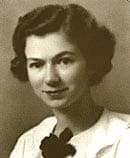
Beverly Cleary was a beloved American children's author, celebrated for her realistic and humorous portrayal of childhood. Her iconic characters, including Ramona Quimby and Henry Huggins, resonated with generations of readers. Cleary's extensive body of work, featuring titles like 'The Mouse and the Motorcycle' and 'Ramona the Brave,' earned her numerous accolades, including the Newbery Medal and the National Medal of Arts.

Dan Gemeinhart
4.5

Kate O'Hearn
4.4

Jeanne Birdsall
4.4

Jen Wang
4.4

Wendelin Van Draanen
4.3

John Marsden
4.3

Chris Van Allsburg
4.3

Jennifer A. Nielsen
4.2