BookBrief
Heaven Has No Favorites cover
Archivist's Choice

Heaven Has No Favorites

Erich Maria Remarque (1961)

Genre

Historical Fiction / Romance

Reading Time

12 Minutes

Key Themes

See below

Track Your Reading

Sign in to track this book

A dying woman with a thirst for life and a race-car driver who tempts fate forge a fleeting, passionate romance across Europe, only to discover that love can be the most dangerous gamble of all.

Synopsis

Lillian, a young woman with terminal consumption, escapes her sanatorium in the Alps, determined to live her final days experiencing the world rather than waiting to die. She crosses paths with Clerfayt, a reckless race-car driver who constantly flirts with danger. Drawn to her defiant spirit and shared embrace of the present, they embark on a passionate, whirlwind romance across Europe, from the vibrant streets of Paris to the canals of Venice. Their arrangement is based on living for the moment, devoid of future commitments, a perfect fit for two individuals living on borrowed time. However, as their bond deepens, the unspoken rule of emotional detachment is challenged when one of them inevitably begins to fall in love, forcing them to confront the painful reality of their fleeting time together.
Difficulty
Easy
Pacing
Moderate
Mood
Bittersweet, romantic, melancholic, reflective, defiant

Plot Summary

A Chance Encounter at a Sanatorium

The story begins at a Swiss sanatorium for tuberculosis patients. Lillian, beautiful and terminally ill, suffers from consumption. Despite her prognosis, she longs for life outside the hospital's sterile walls. She meets Clerfayt, a daring, cynical race car driver visiting a friend. Drawn to her defiant spirit, Clerfayt offers Lillian a ride in his car. This act symbolizes her desperate wish for freedom and experience. Lillian takes the chance, leaving the sanatorium without looking back. She starts an uncertain journey with a man she barely knows, driven by a strong urge to live fully before her inevitable death.

Paris: A Whirlwind of Decadence

Clerfayt takes Lillian to Paris. They live a life of luxury and temporary pleasures. They stay in fancy hotels, eat at exclusive restaurants, and go to high-society events. Lillian, aware of her limited time, throws herself into these experiences with great intensity, determined to enjoy every moment. Clerfayt, used to living on the edge, is captivated by her energy and her honest acceptance of her fate. Their relationship starts with a mutual understanding of impermanence, an agreement to live for the present without future commitments. They form an unusual bond built on shared pleasure and the shadow of death.

The Ghost of the Past: Hollmann

In Paris, Lillian unexpectedly meets Hollmann, a former lover and fellow patient from the sanatorium. This reunion brings back sad memories of her past and the life she left. Hollmann, still sick, represents the reality she tries to escape. Their conversation is sad, full of unspoken regrets. It highlights the contrast between Lillian's current pursuit of life and the grim future that still awaits her. The encounter reminds her of her illness, briefly interrupting her carefree life with Clerfayt and forcing her to face the emotional weight of her past relationships and her approaching death.

Venice: Romance and Growing Affection

From Paris, Lillian and Clerfayt travel to Venice, a city known for romance. There, their relationship grows beyond just companionship. Clerfayt, first drawn to Lillian's defiance and zest for life, falls more and more in love with her. He starts to imagine a future with her, even though he knows such dreams are pointless. Lillian, while returning his affection, remains deeply aware of her illness. She holds back from fully committing to his love, fearing the pain it would cause him when she is gone. Venice's beauty is a bittersweet background to their developing feelings, intensifying the joy and sorrow of their unique bond.

A Race in Monza and a Near Miss

Clerfayt races in Monza. Lillian, who has always been detached about his profession, becomes consumed with worry for his safety. Seeing the risks of his life, she realizes how deeply she feels for him, understanding that she has grown to love him. The roar of the engines and the speed of the cars heighten her awareness of life's fragility, both her own and Clerfayt's. When he barely escapes a serious accident, Lillian feels great relief. This shows that her initial detachment has changed into genuine love and fear of losing him, challenging their initial idea of living without attachment.

The Weight of Love and Illness

As Clerfayt's love for Lillian grows, he proposes marriage and a life together. He even suggests they get more medical opinions. Lillian is deeply touched by his devotion but is also burdened by her terminal illness. She struggles with the moral question of accepting his love and possibly causing him immense pain when she eventually dies from her disease. Her love for him makes her even more aware of her tragic situation. She desperately wants to live for him but knows it is impossible. This internal conflict creates deep emotional tension, showing the cruel irony of finding love just as life slips away.

A Brief Reprieve in the Countryside

Seeking a break from their intense emotions and fast-paced life, Lillian and Clerfayt go to a quiet countryside villa. This period gives them a chance for a more peaceful, almost domestic existence, away from the public and constant reminders of their respective dangers. They spend their days in quiet companionship, sharing intimate moments and talking about life, death, and their intertwined destinies. This calm time allows them to connect more deeply, strengthening their bond and giving a brief illusion of a normal future, even as the shadow of Lillian's illness grows larger over their idyllic retreat.

The Inevitable Decline

Despite their attempts to ignore it, Lillian's health visibly worsens. Her coughs become more frequent, her energy lessens, and her physical weakness becomes clear. The reality of her terminal condition can no longer be avoided. Clerfayt, heartbroken, tries to stay strong for her, but the helplessness of the situation weighs heavily on him. Lillian, brave as ever, faces her decline with resignation and a lingering wish to make the most of her remaining time. This period marks a shift from their carefree existence to a more somber acceptance of the coming tragedy, as they both prepare for the inevitable.

Clerfayt's Fatal Race

In a cruel turn of events, Clerfayt, who had escaped death many times on the race track, dies in a terrible accident during a race. The news shatters Lillian, who had been preparing for her own death but not his. The irony is great: the one expected to survive dies first, leaving the dying to grieve. His death is a sudden, brutal end to their unusual love story, leaving Lillian utterly alone and heartbroken. The man who taught her to live for the moment is gone, leaving her to face her own end with a broken heart and the tragic knowledge that their love, though brief, was deep and fated to end in sorrow.

Lillian's Final Journey

Devastated by Clerfayt's death, Lillian continues her journey, now without the lively spirit that had been with her. Her will to live, though still present, is now tinged with deep grief. She travels, fulfilling her desire to see more of the world, but each moment is shadowed by Clerfayt's loss. Her health continues its irreversible decline, and she eventually dies from her illness. Her death is not a sudden, dramatic event, but a gradual fading, a quiet end to a life lived fiercely against the odds. She dies having experienced love and life to its fullest, but also having endured the greatest heartbreak, leaving behind a legacy of defiant beauty and tragic romance.


Principal Figures

Lillian

The Protagonist

Lillian transforms from a woman seeking fleeting pleasures to one who deeply loves, experiencing both the joy and profound pain of attachment before her death.

Clerfayt

The Protagonist

Clerfayt evolves from a detached, risk-taking individual to a man profoundly in love, willing to sacrifice his independent lifestyle for Lillian, only to meet an ironic, untimely death.

Hollmann

The Supporting

Hollmann remains largely static, serving as a reminder of Lillian's past and the stark reality of her illness.

Dr. Kesten

The Supporting

Dr. Kesten remains a constant, empathetic figure, representing the medical reality Lillian escapes from and eventually succumbs to.

The Hotel Concierge (Paris)

The Supporting

Serves as a static background figure, observing the protagonists' transient life.

The Race Car Mechanics

The Supporting

These characters remain static, representing the environment and danger inherent in Clerfayt's profession.

Themes & Insights

The Acceptance of Mortality and the Pursuit of Life

The novel explores how facing imminent death can intensify the desire to live fully. Lillian's terminal illness makes her abandon societal expectations and embrace a hedonistic, uninhibited life. Her choice to leave the sanatorium and experience luxury, travel, and love is an act of defiance against her fate, showing an acceptance of her mortality that fuels her pursuit of life's richest experiences. Clerfayt, too, lives with a constant awareness of death in his dangerous profession, creating a shared understanding of impermanence that initially binds them.

Life is a hospital in which every patient is possessed by the desire to change his bed. One would prefer to suffer on the stove, another in the window. It seems to me that I am always better off where I am not.

Lillian

The Nature of Love in the Face of Impermanence

Love is a central theme, but it is complicated by the characters' awareness of their limited time. The novel questions if love can truly grow when one partner is terminally ill and the other lives a life of constant risk. Clerfayt and Lillian start a relationship built on living for the moment, without future commitments. However, as their bond deepens, they face the painful reality that love seeks permanence, creating a tragic conflict. Their love story highlights the bittersweet beauty and deep sorrow of forming strong connections when an ending is already known.

Love is not a pot of preserves to be stored for the winter. It is a perishable fruit that must be eaten now.

Narrator

Freedom vs. Confinement

Freedom and confinement is a recurring idea. Lillian escapes the physical confinement of the sanatorium, symbolizing her rebellion against the confinement of her illness and societal expectations. She seeks freedom of movement, experience, and choice. Clerfayt, through his racing, also embodies a form of freedom, constantly pushing boundaries. However, both characters eventually face different forms of confinement: Lillian by her deteriorating body, and Clerfayt by the emotional bonds of love. The novel suggests that while physical freedom can be found, emotional and existential confinements are harder to escape.

The only freedom is to be free of fear.

Clerfayt

The Irony of Fate

The novel is full of dramatic irony, especially concerning Lillian and Clerfayt's fates. Lillian, who is terminally ill, prepares for death. Clerfayt, who lives a life of extreme danger, often escapes it. The ultimate irony is that Clerfayt, the one seemingly destined to survive, dies first in a racing accident, leaving Lillian, who is dying, to grieve his loss. This unexpected reversal of fortune shows fate's arbitrary and often cruel nature, challenging assumptions about who is truly 'safe' and who is truly 'doomed.'

Heaven has no favorites.

Narrator (implied title meaning)

Plot Devices & Literary Techniques

Foreshadowing

Hints of future events, particularly death.

The narrative frequently employs foreshadowing, subtly hinting at the tragic outcomes for both Lillian and Clerfayt. Lillian's terminal illness is established from the outset, constantly reminding the reader of her impending death. Clerfayt's dangerous profession as a race car driver also serves as a constant ominous presence, suggesting that his life is always on the line. These elements create a pervasive sense of impending doom, heightening the emotional impact of the eventual deaths and underscoring the novel's themes of mortality and fate. The initial agreement between Lillian and Clerfayt to avoid love also foreshadows the heartbreak that will ensue when they inevitably fall for each other.

Symbolism of Speed and Stasis

The contrast between the fast-paced and the stagnant.

The novel uses speed and stasis as powerful symbols. Clerfayt's race car and his fast-paced, transient lifestyle represent speed, freedom, and the embrace of risk. In contrast, Lillian's initial confinement in the sanatorium and her declining health symbolize stasis, confinement, and the slow, inevitable march toward death. Their relationship bridges these two extremes, as Lillian seeks to accelerate her life experiences, while Clerfayt learns to slow down emotionally. This symbolic contrast highlights their different approaches to mortality and their shared desire to live fully within their respective constraints, ultimately converging in their shared tragedy.

The Journey Motif

A physical and emotional journey across Europe.

The physical journey across Europe, from the Swiss Alps to Paris and Venice, serves as a crucial motif. It mirrors Lillian's emotional journey from confinement to freedom, and her quest to experience life's pleasures before her death. Each city provides a distinct backdrop for the evolution of her relationship with Clerfayt and her own self-discovery. The journey is not merely about sightseeing; it is an active defiance of her illness, a desperate attempt to outrun death by embracing movement and new experiences. This motif emphasizes the fleeting nature of their time together and the urgency of their pursuit of life.

Critical analysis

Notable Quotes

Quiz

Test Your Knowledge

Ready to see how well you understood this book? Take our interactive quiz with 10 questions.

10
Questions
~5
Minutes
?
Best Score

Key Questions (FAQ)

'Heaven Has No Favorites' is a bittersweet story of unconventional love between Lillian, a charming woman dying of consumption, and Clerfayt, a daring race-car driver. They choose to live life to the fullest in the moment, defying death and societal norms, until their feelings for each other complicate their arrangement.

About the author

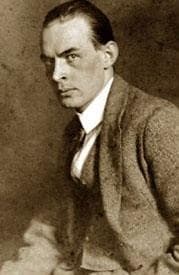
Erich Maria Remarque

Erich Maria Remarque was a German-born novelist. His landmark novel All Quiet on the Western Front (1928), based on his experience in the Imperial German Army during World War I, was an international bestseller which created a new literary genre, and was adapted to film several times. Remarque's anti-war themes led to his condemnation by Nazi propaganda minister Joseph Goebbels as "unpatriotic". He was able to use his literary success to relocate to Switzerland and the United States, where he became a naturalized citizen.