“Being a medium isn't a gift, it's a curse. A constant, unwelcome parade of the dead.”
— Violet's internal struggle with her abilities.

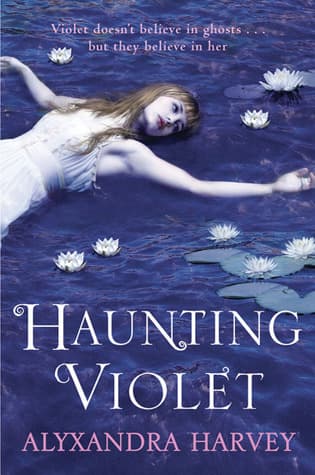
Alyxandra Harvey (2011)
Genre
Fantasy / Historical Fiction / Mystery / Young Adult / Romance
Reading Time
360 min
Key Themes
See below
Sign in to track this book
A skeptical heiress, eager to escape her mother's fake seances and secure a good marriage, finds her world changed when a murdered ghost asks for help, making her accept a power she never believed in and risk everything for justice and love.
Violet Willoughby, who often helps in her mother Madame Willoughby's fake seances, finds herself at another one, this time for the grieving Mrs. Nelson. Violet has spent years perfecting the tricks of the trade—hidden wires, secret passages, and coded signals—and is a firm skeptic of the supernatural. However, during this seance, she feels a chilling touch and hears a whispering voice that is not part of her mother's act. This encounter deeply unsettles Violet, suggesting a real ghost, challenging her long-held disbelief and hinting at a power she never knew she had.
After the unsettling seance, Violet is increasingly bothered by the ghost of a young woman named Eliza. Eliza appears to Violet more often and with more urgency, her ghostly form often bringing a sense of cold and a faint smell of lilies. Violet first tries to explain these experiences away, thinking they are due to stress or imagination, but Eliza's persistence makes them impossible to ignore. Eliza’s broken messages and desperate pleas clearly show she was murdered and is asking for Violet's help to find the truth of her death, placing a heavy, unwanted burden on Violet.
Violet's life is complicated by more than just ghosts. Her mother, Madame Willoughby, is set on arranging a good marriage for Violet to Lord Montagu, a rich and powerful man, believing it will raise their social status and provide money. Violet, though wary of her mother's manipulation, sees this as her only way out of a life of lies and poverty. She attends many social events and balls, trying to appear as a refined, eligible young lady, all while trying to hide her growing psychic abilities and Eliza's increasingly insistent presence, fearing any revelation could ruin her future.
Overwhelmed by Eliza's constant presence and the secrecy she must keep, Violet turns to the one person she trusts completely: Colin. They have been friends since childhood, and Colin has always seen past Violet's mother's theatrics and Violet's carefully built facade. Hesitantly, Violet shares her terrifying secret—that she is being haunted by a real ghost who needs help. Colin, though initially skeptical, believes Violet. He becomes her closest confidant and an important ally, offering practical help and emotional comfort as they begin to investigate Eliza's death together, despite the risks.
With Colin's help, Violet starts to actively look into Eliza's past. Eliza's fragmented memories and ghostly appearances provide clues: a distinct brooch, the smell of lilies, and vague recollections of a specific house and people. They visit the Nelson estate, where Eliza was a governess, and discreetly question servants and watch the family. Violet's ability lets her experience flashes of Eliza's life and death, confirming that Eliza was murdered and her death was made to look like an accident or suicide. Their investigation slowly uncovers a web of secrets and possible suspects within the seemingly respectable household.
As Violet and Colin spend more time together, brought together by the secret of Eliza's haunting and their dangerous investigation, their long friendship grows into something deeper. Their shared vulnerability, trust, and respect lead to an undeniable romantic tension. During a quiet moment, likely while discussing a clue or thinking about their dangerous situation, they admit their feelings for each other. This growing romance adds another layer of complexity to Violet's life, as her mother's plans for her marriage to Lord Montagu threaten to separate them.
Through Eliza's increasingly clear memories and their own observations, Violet and Colin start to identify key suspects within the Nelson household. Eliza's memories suggest Mrs. Nelson's son, Edward, had an improper relationship with her, and Mr. Nelson was a strict, possibly violent man. They also consider other household members who might have had reasons. The clues point to a cover-up, and the danger to Violet grows as she gets closer to the truth, feeling Eliza's fear and anger from the ghost, guiding her towards the person responsible.
Violet, guided by Eliza's urgent presence and a crucial piece of evidence—perhaps a specific object or a clear memory—confronts the killer. It is revealed that Mrs. Nelson herself murdered Eliza. Mrs. Nelson discovered Eliza's affair with her son, Edward, and in a fit of rage and a desire to protect her family's reputation and secure a good marriage for Edward, she pushed Eliza down stairs or poisoned her, making it look like an accident. The revelation is shocking, showing the dark side of Victorian society and how far people would go to keep up appearances.
With the truth out, Violet makes sure Eliza's story is not forgotten. While a public accusation against Mrs. Nelson might be impossible due to the social climate and lack of firm evidence, Violet finds a way to bring some form of justice to Eliza. This might involve subtly telling the truth to someone who can act, or simply by acknowledging Eliza's suffering and validating her existence. Upon hearing her story finally recognized and her killer identified, Eliza's ghostly presence begins to fade, her desperate energy replaced by a sense of calm. She thanks Violet, finding the peace she sought in the afterlife.
With Eliza's case resolved, Violet faces her own future. The good marriage to Lord Montagu, while offering security, would mean denying who she really is and her connection with Colin. She realizes she cannot live a life of pretense any longer, especially after experiencing the deep truth of Eliza's haunting. Violet chooses to reject the marriage, accepting her unique ability and her love for Colin. While their future together is uncertain in a society that doesn't understand their world, they are united in their honesty and shared experiences, ready to face what comes next on their own terms.
The Protagonist
Violet transforms from a skeptic hiding her true self to embracing her unique psychic gift and choosing an authentic life over societal expectations.
The Supporting/Romantic Interest
Colin's unwavering belief in Violet strengthens their bond, leading him to fully commit to their relationship despite societal pressures.
The Supporting
Madame Willoughby remains largely unchanged in her ambition but is eventually forced to accept Violet's choices, though she may not fully understand them.
The Supporting/Catalyst
Eliza's character arc is resolved through Violet's actions, as she finds peace and moves on after her story is heard and her murderer identified.
The Supporting/Antagonist (situational)
Lord Montagu serves as a static character, representing the path Violet chooses to reject for her own authenticity.
The Antagonist
Mrs. Nelson's true, villainous nature is gradually revealed, solidifying her role as the antagonist.
The Mentioned/Supporting
Edward's actions are part of the past that Violet uncovers, his character serving to illuminate Eliza's situation.
The novel explores the constant tension between living genuinely and maintaining a false front. Violet is first forced into deception by her mother's fake mediumship and the societal pressure to marry for status. Her journey is about removing these layers of deceit, both external and internal, to accept who she truly is and what she wants. Eliza's haunting acts as a trigger, making Violet confront the truth, not just about Eliza's death, but about her own identity and desires. The difference between Madame Willoughby's fake seances and Violet's real psychic gift highlights this theme.
“"A life built on lies, no matter how comfortable, was no life at all. Eliza had taught her that."”
Set in Victorian society, the book shows the limited choices and strict expectations placed on women. Violet's mother pushes her towards a good marriage, seeing it as the only path to security and respectability. Violet first considers this path, even though it means giving up her personal happiness and true desires. Eliza's sad story further shows how vulnerable women are, especially those of lower social standing, to the whims and cruelties of the powerful. Violet's final decision to refuse the arranged marriage and create her own path is a strong statement of female independence against these societal limits.
“"A lady's greatest asset was her reputation, and for a governess, a spotless one was a necessity. Eliza had learned that lesson too late."”
The growing romance between Violet and Colin is key to this theme. Their love is built on deep trust, understanding, and shared vulnerability, especially as they navigate the dangerous world of the haunting together. Both are willing to make sacrifices for the other—Colin by risking his reputation to help Violet, and Violet by possibly giving up a comfortable life for a future with Colin. Their love becomes a symbol of hope and authenticity amidst the deceit and danger, showing that true connection requires courage and a willingness to prioritize emotional truth over outside pressures.
“"He saw the real her, the one she kept hidden from everyone else, and in his eyes, she was not a fraud, but a marvel."”
Eliza's persistent haunting is driven by a strong need for justice. Her inability to rest until her murder is acknowledged and her killer identified shows the human desire for accountability, even after death. Violet, though at first unwilling, takes on the role of delivering this justice. The theme explores the difference between vengeful payback and the quiet, healing act of revealing truth and offering peace to the wronged. Ultimately, justice for Eliza is found not in public scandal, but in recognizing her suffering and exposing the hidden cruelty, allowing her spirit to finally find rest.
“"She wasn't seeking revenge, Violet realized. She was seeking peace. And peace began with the truth."”
Eliza's haunting forces Violet to confront her abilities and her future.
Eliza's ghost serves as the primary catalyst for the entire plot. Her persistent presence and desperate need for justice compel Violet to acknowledge her own genuine psychic abilities, which she had long suppressed or disbelieved. Without Eliza, Violet would likely continue her life of deception, potentially marrying Lord Montagu and never discovering her true self or her deep feelings for Colin. The ghost's fragmented clues and emotional intensity drive the mystery, pushing Violet and Colin into dangerous investigations and ultimately leading to the climax and resolution.
The audience knows Violet is genuinely psychic while her mother is a fraud.
Dramatic irony is prevalent in the novel, particularly concerning Violet's abilities versus her mother's fraudulent mediumship. The reader is aware from early on that Violet possesses genuine psychic gifts, even before she fully accepts them herself. This creates tension and suspense, especially when Violet participates in her mother's fake seances or interacts with potential suitors like Lord Montagu, who are completely oblivious to her secret. The irony highlights Violet's internal conflict and the risk she takes by hiding her true nature, making her eventual embrace of her powers more impactful.
Initial suspects or clues that mislead the investigation.
The novel likely employs red herrings to deepen the mystery surrounding Eliza's death. Initial clues or character interactions might point towards certain members of the Nelson household – perhaps Edward due to his affair, or even Mr. Nelson due to his stern demeanor – as the potential murderer. These misdirections keep the reader guessing and create suspense, making the ultimate revelation of Mrs. Nelson as the killer more surprising and impactful. The red herrings ensure that the truth isn't too easily discovered, mirroring the difficulty Violet and Colin face in their investigation.
Seances, both real and fake, frame Violet's journey.
The seance acts as a significant framing device, bookending Violet's journey. The initial fraudulent seance introduces Violet's skepticism and her mother's world of deception, but it's also where Eliza first appears, marking the beginning of Violet's awakening. Later, Violet's use of her genuine abilities, perhaps in a more controlled or private 'seance' with Colin, demonstrates her growth and acceptance of her gift. The contrast between the staged spectacle and the authentic spiritual connection underscores the novel's themes of authenticity and the supernatural, ultimately leading to Eliza's peaceful departure.
“Being a medium isn't a gift, it's a curse. A constant, unwelcome parade of the dead.”
— Violet's internal struggle with her abilities.
“The veil between worlds is thin, especially in places where great emotions have been felt.”
— Mrs. Albright explaining the nature of spiritual activity.
“Some secrets are meant to stay buried, no matter how much they claw at the surface.”
— Reflecting on the mystery surrounding the manor.
“A gentleman never truly leaves a lady's side, even when he's just a whisper in the air.”
— Referring to the spectral presence of a male character.
“It's not the living who are truly dangerous, but the shadows they cast.”
— Violet pondering the true threat in the story.
“Fear has a way of twisting what we see, making monsters out of memories.”
— Discussing the psychological impact of the hauntings.
“Sometimes the greatest hauntings are not of the dead, but of regret.”
— A character's reflection on past mistakes.
“You cannot outrun your destiny, Violet. It will always find you.”
— A warning given to Violet about her abilities.
“The past isn't always a foreign country; sometimes it's just a locked room.”
— Violet's investigation into the manor's history.
“Love, even across the divide of life and death, can be a powerful tether.”
— Exploring the romantic elements between living and spectral characters.
“One must learn to trust their own senses, even when they tell you impossible things.”
— Violet learning to embrace her unique perception.
“There's a difference between seeing a ghost and understanding its story.”
— Violet's development as a medium.
“Even the most elegant ball can hide the darkest intentions.”
— The contrast between the social setting and the underlying mystery.
“Sometimes, the only way to truly help the dead is to ensure justice for the living.”
— Violet realizing the practical implications of solving the mystery.
Ready to see how well you understood this book? Take our interactive quiz with 10 questions.







