“The past is our definition. We may strive, with good reason, to escape it, or to escape what is bad in it, but we will escape it only by adding something better to it.”
— Hannah reflecting on the nature of memory and history in her life.

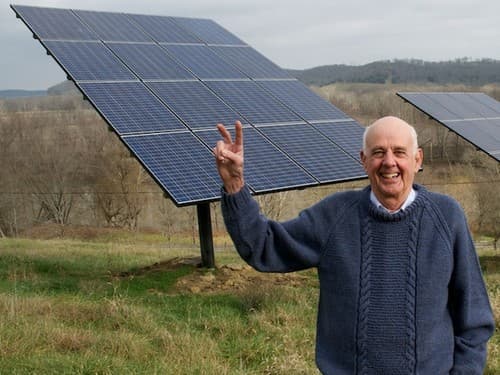
Wendell Berry (2004)
Genre
Literary Fiction / Historical Fiction
Reading Time
240 min
Key Themes
See below
Sign in to track this book
In her later years, Hannah Coulter tells the story of her life, her love for her Kentucky land, two husbands, and a community that holds strong against new times.
Hannah Coulter, an older woman, starts her story by looking back on her life, which she has lived almost entirely in Port William, Kentucky. She introduces herself and her family, especially her children and grandchildren, showing her deep connection to her home and the land. Hannah talks about the importance of memory and telling stories, saying her account helps keep the past alive and understand the present. She immediately sets up the main idea of things staying the same and changing. She notes how much the world has changed around her, but her main values stay tied to her small farming community. Her voice is calm and thoughtful, setting the mood for the personal story that follows.
Hannah tells about her early life, growing up as an orphan taken in by her Uncle and Aunt, the Feltners. She describes her childhood on their farm, learning farm life and forming close ties with her foster family. World War II casts a shadow over her youth. She meets and falls in love with Virgil Feltner, her cousin and a member of the Port William community, who joins the army. Their time together before marriage is short but strong, marked by the urgency of wartime. They marry just before Virgil leaves, showing the hopes and worries of a generation facing an unknown future.
Virgil Feltner returns from World War II greatly changed by his time as a prisoner of war. Hannah describes his physical and emotional hurts, the quiet distance he keeps, and how hard it is for him to fit back into the peaceful farm life of Port William. Despite his struggles, they start their life together, beginning their own farm and having two children, Mattie and Caleb. Hannah works hard to support Virgil and build their family, but the unspoken pain of the war affects their marriage. Virgil's inner battles show how global conflict affects the personal lives of people and communities.
Virgil's health gets worse because of his war injuries and the hard conditions he faced as a prisoner. Hannah describes him getting weaker and more farm work falling to her. Despite the difficulties, she values their time together, understanding Virgil's quiet strength and love for his family and the land. His death is a great loss for Hannah and their young children, Mattie and Caleb. Hannah is left a young widow, facing the big challenge of raising her children and managing their farm alone, deeply sad about her first love.
After Virgil's death, Hannah faces great sadness and the hard job of keeping their farm going and raising two small children. She tells about the strong support she gets from the Port William community, especially from Virgil's family and other neighbors. This time shows the strength of community ties, as friends and relatives help with chores, offer comfort, and give practical help. Hannah's strength shows as she learns to manage the farm and care for her children. She gets strength from her deep roots in the community and her love for the land, showing her resolve to keep the life she and Virgil started.
Hannah later meets Nathan Coulter, a kind and steady man from a nearby farm in Port William. She describes their careful courtship, marked by respect and a shared understanding of farm life and community values. Nathan is a widower himself, with a son named Andy, and understands Hannah's past and her needs. Their marriage brings new stability and happiness into Hannah's life and her children's. Nathan accepts Mattie and Caleb as his own. Together they build a new family, blending their children and their lives, further strengthening Hannah's place in the Port William history.
With Nathan, Hannah feels much happiness and satisfaction. She tells about their shared life on the farm, the joys and challenges of raising their blended family, which later includes another child, Margaret. Nathan is a loving husband and a devoted father, giving Hannah the stability and companionship she needs. Their life together includes hard work, support for each other, and a deep appreciation for the land and their community. Hannah thinks about the different kinds of love she had with Virgil and Nathan, valuing both for their special qualities and the rich life they made together.
As her children grow up, Hannah sees their different paths. Some, like Margaret, choose to stay near Port William and continue farming. Others, like Mattie and Andy, are drawn away by the wider world and different chances. Hannah describes the quiet sadness she feels as her children leave. She understands their need to make their own lives but feels the pain of being separated from the home and community she loves. This time shows the struggle between old ways and new times, and the changes that even close communities face as generations move on.
Hannah experiences more losses in her later life, including the deaths of loved friends and family, and eventually Nathan himself. She tells about these losses with a deep sense of acceptance, helped by her lasting faith and the steady support of the Port William community. Despite the pain of loss, Hannah finds comfort in life's cycles, the land's strength, and her home's lasting spirit. She continues to find meaning in her daily routines, her memories, and her connections to those who remain, showing the quiet strength and understanding gained from a full life.
In the last parts, Hannah looks back on her whole life, putting together her memories, observations, and deep beliefs. She talks about the importance of belonging, how people and places are connected, and the quiet worth of a life lived in tune with the land. Hannah knows the changes that have come to Port William but says the lasting values keep it going. Her story shows the power of memory, love, and community. It offers deep thoughts on what it means to live a good life, rooted in a certain place, and to face both joy and sorrow with grace and strength. She finds peace in her memories and knowing her life has been meaningful and full.
The Protagonist
From a young woman shaped by war and loss, she grows into a wise matriarch, finding deep contentment and understanding through her two marriages and her unwavering connection to her home.
The Supporting
He begins as a hopeful young man, is broken by war, and ultimately succumbs to his wounds, leaving a lasting impact on Hannah's life.
The Supporting
From a grieving widower, he finds a second chance at love and family with Hannah, living a full life rooted in Port William.
The Supporting
She grows up in Port William but ultimately chooses a life outside the community, embodying the changing times.
The Supporting
He grows up in Port William but ultimately seeks his future beyond the farm, representing the allure of the wider world.
The Supporting
He is integrated into Hannah's family, grows up in Port William, but eventually moves away, seeking his own path.
The Supporting
She grows up and chooses to stay in Port William, representing the continuation of the community's traditions.
The Mentioned
It evolves over time, facing the challenges of modernity, but ultimately endures as a source of strength and identity for Hannah.
This idea is central, showing Port William not just as a place but as something alive that shapes its people. Hannah's life is strongly tied to her community, which helps her when Virgil dies, celebrates her marriage to Nathan, and gives her a constant feeling of belonging. The connections between families, shared history, and neighbors helping each other are shown as key to a good life. The land itself is like a character, giving food and spiritual grounding, showing that true identity comes from a specific place and its people.
“What I have loved in my life, I have loved greatly. I have loved Port William and its people. I have loved the way we lived, the way we worked, and the way we talked to each other.”
Hannah's story is a deep reflection on love and loss. She experiences young love with Virgil, the sad loss of his early death from war, and then the deep, steady love with Nathan. Each loss, whether of a husband, a child leaving home, or a friend, brings sadness but also great strength. Hannah's ability to keep going and find meaning after sorrow shows her inner strength, her faith, and her community's support. It shows how life continues and new kinds of love and purpose can come from pain.
“When you are married, you are married to the one you married, but you are also married to the world you live in.”
The book quietly looks at the struggle between traditional farm life and the coming forces of modern times. Hannah and Nathan show the values of being rooted, hard work, and community. But her children choosing to leave Port William for city lives shows the changes happening in society. Hannah sees these changes with understanding, knowing the appeal of the wider world while quietly holding up the lasting value of her own way of life. This idea shows the challenges of keeping cultural heritage when things change and the different paths generations choose.
“It used to be that you were born into a place and you stayed there, and you died there. Now it's as if you're born into a place and you have to leave it to find out who you are.”
Farming and manual labor are shown not just as ways to live but as good, meaningful work. Hannah always talks about the beauty and purpose in working the land, caring for animals, and living in tune with nature. This idea shows the human responsibility to care for the earth and the deep satisfaction from physical work and a direct connection to nature. The daily tasks of farm life are given spiritual meaning, showing deep respect for creation and how all life is connected.
“The work was always there, always needing to be done, always calling for us, and the work was what held us together.”
Hannah's whole story is an act of memory and telling. It helps her keep her past, understand her present, and connect with future generations. By telling her life story, she actively shapes who she is and what she leaves behind. Her detailed memories of people, places, and events show how important oral tradition and personal history are in keeping a community together. Remembering becomes a form of understanding, letting her find meaning and continuity as life changes.
“The only way we can be true to ourselves is to be true to the people who came before us, and the only way we can be true to them is to remember them, and to tell their stories.”
An elderly Hannah recounts her entire life story from memory.
The entire novel is narrated by Hannah Coulter in the first person, looking back on her long life from old age. This allows for a deeply intimate and reflective tone, as Hannah filters events through the lens of accumulated wisdom and experience. It provides a subjective yet comprehensive view of her life, her loves, and the evolution of the Port William community. This device emphasizes the theme of memory, allowing Hannah to connect past events to present understanding and to offer profound insights into the human condition and the passage of time.
A recurring fictional setting and community across Berry's works.
The fictional community of Port William, Kentucky, serves as the consistent backdrop for Hannah's story, as it does for many of Wendell Berry's novels and poems. This device establishes a rich, interconnected literary universe where characters and families reappear, building a deep sense of history and continuity. For 'Hannah Coulter,' it immediately grounds her personal narrative within a larger, familiar context, allowing Berry to explore themes of agrarian life, community, and stewardship through the lens of a specific, evolving place that feels deeply real and lived-in.
Hannah's narrative often mirrors the natural cycles of farming and the seasons.
While not strictly chronological, Hannah's storytelling often follows a cyclical pattern, moving through the 'seasons' of her life—childhood, young love, marriage, widowhood, remarriage, raising children, and old age. This mirrors the natural cycles of planting, growing, harvesting, and resting inherent in farming life. This device reinforces the theme of continuity and the idea that life, like nature, involves recurring patterns of birth, growth, death, and renewal, providing a sense of order and meaning even amidst personal loss and societal change.
The farm and its labor symbolize life, sustenance, and spiritual connection.
The land itself, and the daily work of farming, are imbued with profound symbolic meaning. The farm represents not just a source of livelihood but also a spiritual anchor, a place of belonging, and a testament to enduring values. The acts of plowing, planting, harvesting, and tending to animals symbolize the cycles of life, the dignity of labor, and the human connection to the natural world. This device elevates the mundane aspects of rural life into metaphors for meaning, resilience, and the sacredness of creation, integral to Hannah's worldview and the novel's core message.
“The past is our definition. We may strive, with good reason, to escape it, or to escape what is bad in it, but we will escape it only by adding something better to it.”
— Hannah reflecting on the nature of memory and history in her life.
“What I know is that a man's life is always dealing with permanence—that the farm is always there, and the world is always there, and the things you do have to be done right, because they are going to last.”
— Hannah discussing the enduring nature of farm life and responsibility.
“We are members of each other. All of us. Everything. The difference ain't in who is a member and who is not, but in who knows it and who don't.”
— Hannah expressing a sense of community and interconnectedness.
“The world is full of places. Why is it that you are born in one place and not another?”
— Hannah pondering the randomness and significance of place in one's life.
“You have been given questions to which you cannot be given answers. You will have to live them out—perhaps a little at a time.”
— Hannah offering wisdom about life's uncertainties and the process of living.
“Love is what carries you, for it is always there, even in the dark, or most in the dark, but shining out at times like gold stitches in a piece of embroidery.”
— Hannah describing the enduring presence of love through hardship.
“The world doesn't stop because you are in love or in grief or in need of time to think.”
— Hannah reflecting on the relentless passage of time and life's demands.
“A man's work is to take care of what he has been given, to pass it on in better shape than he found it.”
— Hannah explaining the ethic of stewardship and legacy in farming.
“Sometimes I think the most important thing about a person is what they remember.”
— Hannah emphasizing the significance of memory in shaping identity.
“We are what we have lost as well as what we have kept.”
— Hannah reflecting on how loss defines people as much as possessions.
“The old ways are gone because the world has changed, and you can't go back, but you can look back and see what you have learned.”
— Hannah acknowledging change while valuing lessons from the past.
“There is a kind of happiness in having less, in knowing exactly what you need and no more.”
— Hannah appreciating the simplicity and sufficiency of a modest life.
“The land is not a place to own, but a place to belong to.”
— Hannah expressing a deep connection to the land beyond ownership.
“Grief is not a thing that you get over. You learn to carry it. You learn to live with it.”
— Hannah sharing insights on dealing with loss and sorrow.
Ready to see how well you understood this book? Take our interactive quiz with 10 questions.
Biography coming soon.







