“Gregor knew he was going to die. He was going to die in the Underland, a place he hadn't even known existed a year ago, a place he had been brought to against his will.”
— Gregor faces a dire situation early in the book, emphasizing the stakes.

Suzanne Collins (2006)
Genre
Fantasy / Children's / Young Adult
Reading Time
274 min
Key Themes
See below
Sign in to track this book
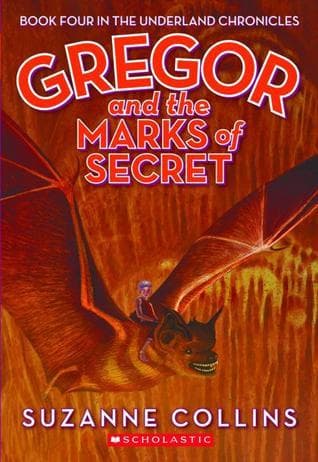
As the Underland faces a deadly plague, Gregor and Luxa uncover a horrifying truth, pushing Gregor toward the final prophecy he must fulfill.
Gregor is at summer camp when Ripred, a gnawer, urgently calls him back to the Underland through their bond. He learns that mice, usually nomadic and preyed upon by rats, are vanishing in large numbers. Luxa, the young queen of the Regalians, worries this signals a greater threat than typical rat aggression. Despite his reluctance to leave his family, Gregor feels he must return, understanding the serious implications for the Underland and the potential link to the prophecies he is bound by. He brings his toddler sister, Boots, who always brings comfort to the Underlanders.
Gregor, Boots, Luxa, and a small group of Regalians, including the warrior Hazard and the bat Aurora, go to the Labyrinth, a network of tunnels where mice live. Their goal is to find out what is happening to the mice and if rats are truly responsible for their disappearance. The journey has the usual dangers of the Underland, requiring careful navigation through treacherous terrain and vigilance against ambushes. Luxa is especially driven, seeing the mice's trouble as a sign of the vulnerability of all smaller creatures in the Underland.
Upon reaching the Labyrinth, the group finds something more disturbing than massacres. They encounter mice that are not dead but diseased, acting aggressively and without self-preservation. These 'feral' mice attack anything, even each other. It becomes clear that rats are not hunting them; a virulent plague is sweeping through the mouse population, changing their behavior and killing them. This discovery immediately raises the stakes, as such a disease could easily spread to other species.
The Regalians recognize the disease's symptoms from ancient texts and prophecies: it is the 'Blood Plague,' a contagious and deadly illness prophesied to decimate the Underland. This revelation causes fear among the group, as the Prophecy of Blood also speaks of a cure, but one that comes at a terrible cost. Gregor realizes this is the final, most dangerous prophecy he must fulfill. The plague's rapid spread and horrifying effects show the urgency of their mission, changing a fact-finding trip into a desperate race against time.
The Prophecy of Blood mentions a cryptic clue about the cure: 'The cure for the blood, in the blood of a cure.' This leads the Regalians to believe the cure might be in the most perilous and forbidden region of the Underland, deep within gnawer territories, where ancient and dangerous secrets are kept. The journey there promises to be incredibly hazardous, requiring them to navigate hostile lands populated by fierce rats and other unseen threats. Gregor understands the immense personal risk, not just for himself but for Boots and his companions.
Recognizing that the Blood Plague threatens all species, including the gnawers, Ripred, the rat warrior, and a faction of his kind join Gregor's quest. This uneasy alliance is born of necessity, not trust, as the rats have their own reasons to fear the plague's spread. Ripred's knowledge of the Underland's deepest, most dangerous regions is valuable, but his motives remain unclear, and Gregor constantly questions his true intentions. The collaboration is tense, showing the deep-seated animosity between humans, bats, and rats.
Following the cryptic clues, the group reaches the Bloodwater River, a terrifying waterway known for its reddish color and deadly creatures. They realize the river itself is the source or carrier of the plague, and they must extract a component for the cure from its depths. The journey to and along the river is full of danger, as they face attacks from mutated, plague-ridden creatures and the treacherous currents. Boots's innocence and unique connection to the Underland sometimes offer unexpected insights or protections.
The Prophecy indicates that the 'blood of a cure' refers to a rare plant called Bloodroot, which grows only in the most dangerous parts of the Bloodwater River. Retrieving it requires specialized skills and bravery. Hazard, with his agility and knowledge of the Underland, plays a crucial role in locating and trying to retrieve the Bloodroot. The task is made more perilous by the plague-infected creatures guarding the plant and the river's dangers. The race against time intensifies as the plague spreads.
During the perilous retrieval of the Bloodroot, a significant sacrifice is made. This sacrifice highlights the high stakes and the bonds formed in desperation. They discover that the Bloodroot itself is not the cure but a crucial ingredient. The true cure involves combining the Bloodroot with the venom of a specific, rare creature. This revelation adds another layer of complexity and danger to their mission, as they must now seek out this creature within the Underland's treacherous ecosystem.
With the Bloodroot and the venom obtained, the Regalian healers begin the task of formulating the cure. The process is delicate and time-sensitive. Gregor, Luxa, and the others watch anxiously, aware that even if a cure is created, its effectiveness and distribution will be massive challenges. The 'cost' mentioned in the prophecy hangs heavy over them, hinting that even if the plague is stopped, there will be lasting repercussions, possibly for Gregor himself. The ending leaves the reader with relief mixed with foreboding about the final installment.
The Protagonist
Gregor continues to embrace his role as the Warrior, accepting the sacrifices required while still longing for his normal life. He matures in his leadership and strategic thinking.
The Supporting
Boots continues to be a symbol of innocence and hope, her unique connection to the Underland proving increasingly important.
The Supporting
Luxa solidifies her leadership, demonstrating courage and strategic thinking in the face of a universal threat.
The Supporting
Ripred continues to act as a morally ambiguous but ultimately crucial ally, his pragmatism shining through in the face of a shared danger.
The Supporting
Hazard proves his bravery and resourcefulness, solidifying his role as a trusted warrior and friend.
The Supporting
Ares continues to be Gregor's steadfast companion, his loyalty unwavering even in the face of old animosities.
The Supporting
Aurora continues to offer gentle support and wisdom, her presence a comforting contrast to the dangers faced.
The Mentioned
Their collective suffering and transformation into feral creatures drives the main plot and reveals the true threat of the Blood Plague.
The Antagonist
Their transformation and aggressive behavior represent the immediate threat of the plague.
Gregor continues to deal with the prophecies that shape his life in the Underland. He questions the cost of fulfilling these ancient predictions, especially when they demand personal sacrifice or lead to morally ambiguous alliances. The Prophecy of Blood adds a terrifying layer to his destiny, forcing him to confront widespread devastation and his central role in preventing it. His reluctance to be the Warrior is a recurring internal conflict, yet he always meets the challenge, driven by his love for his family and the innocent.
““The Prophecy of Blood. That’s the last one, isn’t it?””
The novel shows how the fate of one species affects all others in the Underland. The disappearance of the seemingly insignificant mice starts a chain of events that reveals a universal threat: the Blood Plague. This forces even long-standing enemies like the Regalians and the gnawers to form an uneasy alliance, recognizing that the plague goes beyond their traditional conflicts. The health of the entire ecosystem, from the smallest mouse to the largest rat, is shown to be linked, emphasizing nature's delicate balance.
““When one part of the Underland sickens, all parts sicken with it.””
Sacrifice is a central theme, especially in the quest for the Blood Plague cure. Characters must continually make difficult choices, risking their lives for the greater good. The prophecy itself hints at a 'cost' for the cure, suggesting that even if the plague is stopped, there will be a price to pay, perhaps for Gregor or those closest to him. This theme explores the moral complexities of heroism and the heavy burden of leadership when lives are at stake, showing that salvation rarely comes without loss.
““The cure for the blood, in the blood of a cure. But at what cost, Gregor? At what cost?””
Fear is present throughout the story as the Blood Plague spreads and threatens the entire Underland. The sight of the feral mice causes terror, and the ancient prophecies evoke dread. However, despite this fear, there is also enduring hope. Gregor, Luxa, and their companions hold onto the possibility of finding a cure, driven by their determination to protect life. Boots, in particular, embodies innocence and hope, often providing moments of lightness and reminding the characters of what they are fighting for. The narrative explores how hope can last even in the darkest times.
““Even in the deepest dark, there is always a flicker of light.””
An ancient, cryptic verse foretelling a deadly plague and its dangerous cure.
This prophecy serves as the central driving force of the plot. It reveals the nature of the mice's disappearance as a plague and sets the parameters for finding a cure. Its cryptic language ('The cure for the blood, in the blood of a cure') creates a puzzle that Gregor and his companions must decipher, leading them on a perilous quest. The prophecy also hints at a significant 'cost,' building suspense and foreshadowing future challenges, particularly for Gregor as the Warrior.
A highly contagious and transforming disease affecting the Underland's creatures.
The Blood Plague is the primary antagonist and conflict driver. It's a virulent illness that not only kills but transforms its victims (initially mice) into aggressive, feral beings. This creates a terrifying and immediate threat that forces an unprecedented alliance between traditional enemies. The plague's rapid spread and horrifying symptoms elevate the stakes, making the quest for a cure a desperate race against time and an existential crisis for the entire Underland. It symbolizes both biological and societal decay.
The forced cooperation between humans, bats, and rats for a common goal.
This device highlights the existential threat posed by the Blood Plague. The necessity of fighting a universal enemy compels the Regalians (humans and bats) to form a fragile alliance with the gnawers (rats), led by Ripred. This dynamic creates inherent tension, mistrust, and moral dilemmas, as characters must overcome generations of animosity and prejudice. The alliance underscores the theme of interconnectedness and the idea that common threats can force even the most unlikely partners to cooperate, albeit reluctantly.
The toddler's uncorrupted nature and ability to interact with Underland creatures.
Boots's presence functions as a vital plot device. Her innocence often disarms hostile creatures, and her unique ability to communicate with and be understood by various Underland species provides crucial information or unexpected solutions. She acts as a moral compass for Gregor and a source of comfort amidst the darkness. Her vulnerability also heightens the stakes for Gregor, as he is constantly balancing his mission with his responsibility to protect her, making her a symbol of the fragile hope they are fighting for.
“Gregor knew he was going to die. He was going to die in the Underland, a place he hadn't even known existed a year ago, a place he had been brought to against his will.”
— Gregor faces a dire situation early in the book, emphasizing the stakes.
“The prophecy of the warrior was always a double-edged sword. It brought hope, but it also brought the expectation of sacrifice.”
— Reflecting on the nature of the prophecies and Gregor's role.
“There was no such thing as a small secret in the Underland. Every hidden thing had the potential to unravel everything.”
— Highlighting the danger of secrets in the Underland's complex politics.
“He was just a kid from the Overland, but down here, he was a warrior, a leader, and sometimes, he felt like a pawn.”
— Gregor's internal struggle with his identity and role.
“Fear was a powerful weapon, and it was being wielded with precision.”
— Describing the tactics of the antagonists.
“The weight of a promise, once given, could be heavier than any stone.”
— Gregor considers the implications of his commitments.
“Sometimes, the only way to find your path was to get lost first.”
— A moment of introspection amidst confusion.
“The marks were not just on his skin; they were on his soul, changing him, shaping him.”
— Referring to the mysterious 'marks' central to the plot.
“It was one thing to fight for your life, another to fight for the lives of everyone you cared about.”
— Gregor's motivation shifts as the stakes increase.
“Even in the darkest places, there was always a flicker of light, if you were brave enough to look for it.”
— A message of hope in a bleak situation.
“He learned that sometimes the greatest strength wasn't in fighting, but in enduring.”
— Gregor's evolving understanding of true strength.
“The Underland had a way of pulling you in, making you part of its intricate, dangerous web.”
— Describing the inescapable influence of the Underland.
“Loyalty was a currency more valuable than any jewel down here.”
— Highlighting the importance of alliances and trust.
“He had to make choices, hard choices, that no kid should ever have to make.”
— Gregor grapples with difficult decisions and their consequences.
Ready to see how well you understood this book? Take our interactive quiz with 10 questions.
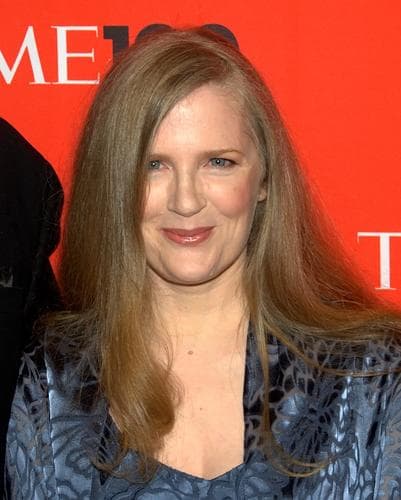
Suzanne Collins is an American author and television writer. She is best known as the author of the young adult dystopian book series The Hunger Games.







