“Goodnight room”
— The bunny begins saying goodnight to the room before bed.

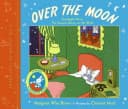
Margaret Wise Brown (2017)
Genre
Children's / Young Adult
Reading Time
5 min
Key Themes
See below
Sign in to track this book
In a great green room, a little bunny softly bids goodnight to every cherished object, from a red balloon to the quiet old lady whispering 'hush,' in a rhythmic dance towards slumber.
The story opens in a 'great green room' where a young bunny, referred to as 'a little bunny,' is nestled comfortably in his bed. The room is filled with familiar objects and furnishings, each depicted with clear, simple illustrations. The atmosphere is warm and cozy, setting a peaceful tone for the impending bedtime ritual. An old woman, presumably the bunny's caretaker, is seated in a chair nearby, knitting, showing a watchful and comforting presence as night falls outside the window.
As the bunny prepares for sleep, he systematically begins to say 'Goodnight' to the various objects that populate his room. This ritual starts with the room itself, 'Goodnight room,' and then extends to the prominent features within it. He acknowledges the 'moon' visible through the window and the 'cow jumping over the moon' depicted in a picture on the wall. This repetition establishes a comforting rhythm, guiding the child through a gentle process of acknowledging and releasing the day's sights.
The bunny continues his goodnight routine by addressing the furniture and personal belongings in his immediate vicinity. He says 'Goodnight chair' and 'Goodnight red balloon,' noting specific, colorful items in the room. This stage of the ritual includes his own clothing, 'Goodnight clothes,' suggesting a complete separation from the day's activities and a transition into the passive state of sleep. The systematic nature of these goodbyes reinforces a sense of order and security.
The goodnight sequence progresses to the pictures hanging on the wall, specifically 'Goodnight kittens' and 'Goodnight mittens,' which are depicted together in a charming illustration. He then bids farewell to the 'little toy house' and the 'young mouse' within it, adding a touch of whimsical detail. The bunny also acknowledges a 'Goodnight comb' and 'Goodnight brush,' as well as a 'Goodnight bowl full of mush,' and a 'Goodnight bear,' continuing the comprehensive inventory of his surroundings.
Amidst his goodnight litany, the bunny includes 'Goodnight nobody,' a subtle nod to the quiet, unobtrusive presence of the 'old woman' who has been silently knitting in the corner. This acknowledges her watchful yet non-interfering role. He also says 'Goodnight clocks' and 'Goodnight socks,' encompassing both the passage of time and everyday objects. The illustrations subtly shift, showing the room growing darker as the goodnights progress, mirroring the approach of deep night.
The goodnight ritual expands to include even smaller details, showing the bunny's thoroughness in acknowledging his environment before sleep. He says 'Goodnight little house' and 'Goodnight mouse,' reinforcing the earlier mention of the toy house and its inhabitant. The sequence continues with 'Goodnight comb' and 'Goodnight brush,' and 'Goodnight bowl full of mush,' demonstrating a comprehensive farewell to every aspect of his immediate world, preparing his mind for rest.
As the goodnight sequence nears its end, the bunny's focus gently shifts from the immediate confines of his room to the world outside. He bids 'Goodnight stars' and 'Goodnight air,' encompassing the vastness beyond his window. This expansion of his goodbyes means a peaceful acceptance of the larger world while still being safely tucked in his bed. The illustrations continue to darken, enhancing the sense of the night settling in.
Finally, the little bunny concludes his exhaustive list of goodbyes. He says 'Goodnight noises everywhere,' acknowledging the subtle sounds of the night that might otherwise keep him awake. The last goodnight is a simple and final 'Goodnight nobody,' again referencing the old woman, who remains a quiet, comforting presence. With his ritual complete, the bunny is ready for sleep, and the final illustrations depict the room in peaceful darkness, suggesting he has drifted off to a restful slumber.
The Protagonist
The bunny's arc is a simple transition from wakefulness to sleep, achieved through a calming ritual of acknowledgement and release.
The Supporting
The old woman's arc is static, serving as a consistent, comforting anchor in the bunny's world.
The Mentioned
The moon remains a constant, distant presence, marking the passage of time into night.
The Mentioned
The cow is a static image, a piece of the room's comforting decor.
The Mentioned
The kittens and mittens are static images, part of the room's comforting details.
The Mentioned
The red balloon is a static object, a detail of the bunny's environment.
The Mentioned
These are static objects, part of the room's detailed inventory.
The entire narrative is built around the bunny's methodical goodnight ritual. This routine provides comfort and predictability for a child preparing for sleep. Each item named, from the 'red balloon' to the 'old woman' and 'goodnight noises everywhere,' reinforces the idea that an ordered, repeated sequence of actions can bring peace and security. The consistent structure of the text itself mirrors this theme, creating a calming rhythm for the reader.
“Goodnight room. Goodnight moon.”
The 'great green room' is a safe, cozy, and familiar space where the little bunny feels completely secure. The presence of the silently knitting 'old woman' further enhances this feeling of being cared for and protected. By systematically acknowledging every object, the bunny reasserts his comfort within his own environment, making it a sanctuary before sleep. The darkening of the room throughout the story does not evoke fear but rather a gentle transition into a peaceful night.
“In the great green room...”
The act of saying 'Goodnight' to each item symbolizes the process of letting go of the day and transitioning into sleep. From active toys like the 'red balloon' to the 'comb' and 'brush' used during the day, each farewell marks a step towards rest. Even bidding 'Goodnight stars' and 'Goodnight air' signifies a mental release from the external world, allowing the bunny to fully embrace the quiet and stillness of bedtime. This theme resonates with the child's daily experience of moving from wakefulness to slumber.
“Goodnight nobody.”
The book encourages close observation of one's surroundings. The bunny's detailed goodnight list draws attention to every item in the room, from the large 'chair' to the small 'young mouse.' This meticulous acknowledgment creates a sense of being present and aware of one's immediate environment. For a child, it teaches them to notice and appreciate the familiar details that make up their personal space, turning ordinary objects into comforting anchors for their imagination and sense of belonging.
“Goodnight little toy house, and goodnight mouse.”
The repeated phrase 'Goodnight' creates a soothing, rhythmic effect.
The constant repetition of 'Goodnight' at the beginning of almost every sentence is the primary structural device. This creates a predictable and calming rhythm, mimicking the lull of a bedtime song. For young children, this repetition aids in language acquisition, reinforces the core message of the story, and provides a sense of security through predictability. It is central to the book's soothing quality, guiding the reader gently towards the story's peaceful conclusion.
The illustrations subtly grow darker to reflect the passage of time into night.
Clement Hurd's illustrations gradually darken with each turn of the page. Initially, the room is brightly lit, but as the bunny says goodnight to more objects, the colors become softer and the overall light diminishes, culminating in a nearly dark final spread. This visual progression subtly mirrors the natural transition from dusk to night, reinforcing the bedtime theme without explicitly stating it. It helps children visually track the passage of time and the approach of sleep.
The systematic listing of objects in the room provides a comprehensive overview.
The bunny's goodnight ritual functions as an inventory or catalog of his possessions and surroundings. By naming each item—from 'red balloon' to 'bowl full of mush'—the narrative creates a detailed mental picture of the room. This device helps children identify and name objects, expanding their vocabulary, while also offering a comforting sense of order and completeness. It ensures that every familiar detail is acknowledged before the peace of sleep.
Treating inanimate objects as if they can receive a 'goodnight.'
While not explicitly stated, the act of saying 'Goodnight' to inanimate objects like 'room,' 'chair,' and 'clothes' implicitly personifies them. This common childhood behavior imbues the objects with a gentle, responsive quality, making them feel like companions in the bedtime ritual. It reflects a child's perspective where the world around them is alive and responsive, enhancing the sense of comfort and familiarity with their surroundings.
“Goodnight room”
— The bunny begins saying goodnight to the room before bed.
“Goodnight moon”
— The bunny addresses the moon directly, a central theme.
“Goodnight cow jumping over the moon”
— Reference to the nursery rhyme picture on the wall.
“Goodnight light and the red balloon”
— Noticing objects in the room as part of the ritual.
“Goodnight bears, goodnight chairs”
— Saying goodnight to toys and furniture.
“Goodnight kittens and goodnight mittens”
— Part of the rhythmic listing of items.
“Goodnight clocks and goodnight socks”
— Continuing the pattern of bidding goodnight to everyday objects.
“Goodnight nobody”
— A quiet, contemplative moment in the book.
“Goodnight mush”
— Referring to a bowl of mush on the table.
“And goodnight to the old lady whispering "hush"”
— The quiet presence of the old lady in the room.
“Goodnight stars”
— Looking out the window at the night sky.
“Goodnight air”
— A more abstract element included in the goodnight ritual.
“Goodnight noises everywhere”
— The final line, signaling the end of the day.
Ready to see how well you understood this book? Take our interactive quiz with 10 questions.
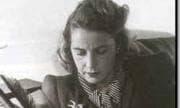
Margaret Wise Brown was an American writer of children's books, including Goodnight Moon and The Runaway Bunny, both illustrated by Clement Hurd. She has been called "the laureate of the nursery" for her achievements.

Dan Gemeinhart
4.5

Kate O'Hearn
4.4

Jeanne Birdsall
4.4

Jen Wang
4.4

Wendelin Van Draanen
4.3

John Marsden
4.3

Chris Van Allsburg
4.3

Jennifer A. Nielsen
4.2