“The Secret Seven would have to find a new meeting place. This one was far too obvious now.”
— After realizing their old shed is compromised.

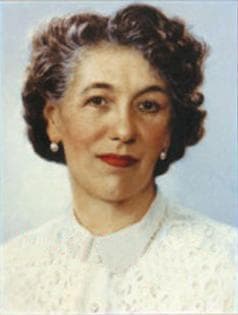
Enid Blyton (1960)
Genre
Children's / Mystery / Young Adult
Reading Time
90 min
Key Themes
See below
Sign in to track this book
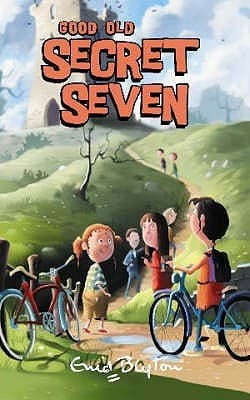
The Secret Seven are on the case when mysterious lights and disturbed jackdaws at Torkling Castle hint at a secret lurking within its ruined tower, far more intriguing than a simple ghost story.
The Secret Seven — Peter, Janet, Jack, Barbara, Pam, Colin, and George — hold their first meeting of the holidays in their shed. Peter, the leader, suggests a new password: 'Guy Fawkes'. Janet reports hearing peculiar noises and seeing lights in the ruined Torkling Castle, a local landmark that is supposedly deserted. The children discuss the possibility of the castle being haunted or used by poachers. Driven by curiosity and a desire for adventure, they decide to investigate Torkling Castle the following day, agreeing to meet early and pack provisions for a full day's exploration.
The Secret Seven arrive at Torkling Castle and begin their investigation. They notice that the usually numerous jackdaws, known for nesting in the ruins, are agitated and flying about in a disturbed manner. Inside the castle, they discover fresh footprints and other signs of recent human presence, indicating that someone has been there very recently. They also find a small, dark bundle of cloth, which seems out of place. This confirms their suspicions that the castle is not as deserted as it appears, intensifying their determination to uncover the mystery.
While exploring, the Secret Seven spot a shifty-looking man lurking near the castle ruins. He seems to be trying to avoid detection and is carrying a large, heavy sack. They follow him cautiously and observe him disappearing into a cleverly concealed entrance that leads to a hidden tunnel. This discovery is a major breakthrough, confirming that the castle is being used for secret activities. The children realize they are on the trail of something more significant than just trespassers and decide to report their findings to Peter's father, a local police contact.
Peter and Janet report their findings to Peter's father, hoping he will take their claims seriously. However, he is initially dismissive, attributing the sounds and lights to local youngsters or natural phenomena. He advises them not to get involved in dangerous situations. Disappointed but undeterred, the Secret Seven decide to take matters into their own hands. They plan a secret night-time stakeout at Torkling Castle to gather more concrete evidence that Peter's father cannot ignore, showing their resolve and independence.
Under the cover of darkness, the Secret Seven return to Torkling Castle for their stakeout. They hide in strategic positions and wait patiently. After some time, they hear voices and witness two men meeting in the ruins. They manage to eavesdrop on a crucial conversation. The men discuss plans involving 'the goods' and 'delivery,' hinting at illicit activities. This confirms their suspicions that the men are criminals and solidifies the children's belief that a serious crime is being committed at the castle, providing the concrete evidence they sought.
From the overheard conversation and observations, the Secret Seven piece together the puzzle. They deduce that Torkling Castle is being used as a temporary hiding place for stolen goods. The men are planning to move the items soon, likely under the cover of night. The heavy sack seen earlier and the talk of 'delivery' now make perfect sense. The children realize the urgency of their situation and the importance of acting quickly before the criminals can escape with their loot. Their adventure has turned into a race against time.
After their successful night-time stakeout, the Secret Seven meet to formulate a plan. They decide that they must alert the police again, this time with undeniable proof. They agree that Peter and Janet should go to Peter's father first thing in the morning, armed with the specific details they overheard. The other members will keep a discreet watch on the castle from a distance, ready to signal if the criminals attempt to move the goods. Their plan shows their teamwork and quick thinking.
Armed with the specific details of the criminals' conversation and plans, Peter and Janet present their evidence to Peter's father. This time, the details are too precise to be dismissed. Peter's father, now convinced, immediately contacts the local police force and organizes a raid on Torkling Castle. He commends the children for their bravery and keen observation, acknowledging their role in uncovering the crime. The long-awaited police involvement marks a turning point in the mystery.
The police, acting on the Secret Seven's information, launch a swift and successful raid on Torkling Castle. They surprise the criminals, who are caught in the act of preparing to move the stolen goods. The men are apprehended, and a significant amount of valuable items, including jewelry and antiques, are recovered. The jackdaws, which had been disturbed by the earlier activities, finally settle down. The Secret Seven watch from a safe distance, feeling a great sense of accomplishment and relief that their efforts have paid off.
Following the successful capture of the criminals and the recovery of the stolen goods, the Secret Seven are hailed as heroes by Peter's father and the local police. They receive commendations for their bravery, intelligence, and perseverance. The children celebrate their triumph with a special meeting in their shed, sharing lemonade and biscuits. They reflect on their exciting adventure, proud of their contribution to solving the mystery of Torkling Castle and bringing the criminals to justice, solidifying their reputation as amateur detectives.
The Protagonist
Peter starts as a confident leader and further solidifies his leadership skills through the successful resolution of the Torkling Castle mystery.
The Protagonist
Janet grows in confidence as her initial observations prove crucial to solving the mystery, validating her keen sense of perception.
The Supporting
Jack remains a supportive and loyal member, reinforcing his role within the established group dynamic.
The Supporting
Barbara consistently contributes to the group's efforts, solidifying her role as a dependable team member.
The Supporting
Pam's quiet observations prove useful, reinforcing her value to the Secret Seven.
The Supporting
Colin remains a steadfast member, contributing to the group's overall success through his reliability.
The Supporting
George consistently participates, reinforcing the collective strength of the Secret Seven.
The Supporting
Peter's father transitions from skeptical parent to supportive authority figure, validating the children's abilities.
The Antagonist
The criminals are successfully apprehended, failing in their attempt to escape with the stolen goods.
The novel shows how careful observation and logical deduction can lead to solving mysteries, even by children. Janet first notices the unusual lights and sounds at Torkling Castle, prompting the Secret Seven's investigation. Their ability to track footprints, find a hidden tunnel, and later eavesdrop on a crucial conversation demonstrates their keen senses and intelligence. This theme is central to the children's success, as they piece together seemingly different clues to understand the criminals' activities and the castle's purpose as a hideout.
““It’s no good saying the castle is haunted, because it isn’t. Someone is there and they’re doing something secret.””
A core theme is the ability of children to take initiative and solve problems independently, even when adults are initially dismissive. Despite Peter's father's initial skepticism, the Secret Seven do not give up. They devise their own plans, conduct night-time stakeouts, and gather concrete evidence, showing their resourcefulness and determination. This theme empowers young readers, demonstrating that their curiosity and persistence can lead to significant accomplishments, and that they can be agents of change in their own communities.
““We’ll just have to prove it to him ourselves, won’t we?””
The success of the Secret Seven is a direct result of their strong teamwork and camaraderie. Each member, despite their individual personalities, contributes to the group's overall effectiveness. From planning meetings in the shed to executing a dangerous night-time stakeout, they rely on each other's strengths and support. Their friendship provides the foundation for their adventures, allowing them to overcome challenges and achieve their goals together. This theme emphasizes the importance of collaboration and mutual trust in achieving a common objective.
““We’re the Secret Seven, and we’re going to find out what’s going on.””
The book taps into the universal appeal of mystery and adventure, particularly for young readers. The ruined Torkling Castle, with its hidden tunnels and disturbed jackdaws, provides a classic setting for intrigue. The children are driven by a thirst for excitement and the thrill of uncovering a secret. This theme highlights how everyday surroundings can become extraordinary through the lens of curiosity and imagination, turning a quiet holiday into an exhilarating detective story. The unknown fuels their motivation and leads them into a dangerous but ultimately rewarding quest.
““Wouldn’t it be fun if there really was a mystery for us to solve this holiday?””
A hidden location for the Secret Seven's discussions and planning.
The shed serves as the central hub for the Secret Seven, providing a private and exclusive space for their meetings. It reinforces the 'secret' aspect of their club and allows them to discuss their plans and findings without adult interference. This device symbolizes their independence and the clandestine nature of their operations, fostering a sense of camaraderie and shared purpose among the members.
An adult figure who initially doubts the children's claims.
Peter's father, a police officer, initially dismisses the Secret Seven's reports of strange happenings at Torkling Castle. This device serves to heighten the stakes for the children, forcing them to take greater initiative and gather more concrete evidence to prove their findings. It highlights the theme of child agency and empowers the young detectives by showing that they can overcome adult skepticism through perseverance and solid proof.
An atmospheric and mysterious setting that harbors secrets.
Torkling Castle, a local ruined landmark, is the primary setting for the mystery. Its dilapidated state, hidden passages, and reputation as a potentially haunted place provide an ideal backdrop for illicit activities. The castle's inherent mystery and isolation make it a perfect hiding spot for criminals, while its historical nature adds an element of intrigue. It acts as a catalyst for the children's adventure and the central focus of their investigation.
The act of secretly listening to conversations to gain crucial information.
Eavesdropping is a critical plot device used by the Secret Seven during their night-time stakeout. By hiding and listening to the criminals' conversation, the children gain vital information about their plans, the nature of their illegal activities, and the stolen goods. This direct evidence is what finally convinces Peter's father to take action, making it a pivotal moment that moves the plot towards its resolution.
“The Secret Seven would have to find a new meeting place. This one was far too obvious now.”
— After realizing their old shed is compromised.
“It's much more exciting when there's a real mystery to solve, isn't it?”
— Peter expressing the thrill of a genuine puzzle.
“They were the Secret Seven, and they were ready for anything.”
— A general statement about the group's readiness.
“Even though he was the leader, Peter always listened to what the others had to say.”
— Describing Peter's leadership style.
“You can't have a secret society without secrets, can you?”
— Jack emphasizing the importance of keeping their activities hidden.
“It was quite thrilling to be out in the dark, knowing they were doing something important.”
— The children on a nighttime observation.
“Sometimes the grown-ups just don't understand how serious things can be for us.”
— Janet lamenting adult dismissal of their concerns.
“A good detective always pays attention to the smallest details.”
— Peter reminding the group about observation skills.
“They had a secret password, a secret sign, and a secret meeting place. What more could a secret society want?”
— Listing the elements of their secret club.
“But the best part was knowing they had solved it themselves.”
— After successfully unraveling a mystery.
“Scamper barked, as if to say he agreed with every word.”
— Referring to their dog's involvement.
“They might be only children, but they had sharp eyes and even sharper wits.”
— Describing the capabilities of the group.
“It's no fun if you know the answer right away. The chase is half the fun!”
— Colin enjoying the process of investigation.
Ready to see how well you understood this book? Take our interactive quiz with 10 questions.
Biography coming soon.

Dan Gemeinhart
4.5

Kate O'Hearn
4.4

Jeanne Birdsall
4.4

Jen Wang
4.4

Wendelin Van Draanen
4.3

John Marsden
4.3

Chris Van Allsburg
4.3
Jennifer A. Nielsen
4.2