BookBrief
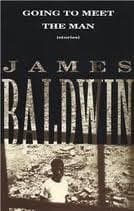
Going to Meet the Man cover
Archivist's Choice

Going to Meet the Man

James Baldwin (1965)

Genre

Literary Fiction

Reading Time

250 min

Key Themes

See below

Track Your Reading

Sign in to track this book

In these eight raw and unflinching stories, James Baldwin dissects the ingenious and often desperate measures his characters employ to survive the suffocating weight of racism, familial betrayal, and personal demons in a world determined to drown them.

Synopsis

James Baldwin's "Going to Meet the Man" is a collection of eight short stories that explore individual struggles with suffering, identity, race, and sexuality in mid-20th century America. In "Sonny's Blues," a schoolteacher tries to reconnect with his estranged, heroin-addicted jazz musician brother, Sonny, after Sonny is released from prison. This story looks at artistic expression, family responsibility, and the search for meaning amid pain. "Going to Meet the Man," the collection's most difficult story, focuses on a white Southern deputy. He cannot perform sexually with his wife, and he remembers the traumatic memory of witnessing a black man's castration and lynching as a child. This memory shows the deep psychological damage and perversion caused by racism. Other stories explore racial prejudice, the internal conflicts of artists, the complexities of family relationships, and the search for self-acceptance in a world often hostile to difference. Baldwin portrays characters, both black and white, as they navigate their personal torments and societal pressures, often finding solace, despair, or a fragile sense of understanding in their attempts to survive and make sense of their lives.
Reading time
250 min
Difficulty
Medium
Pacing
Moderate
Mood
Introspective, Dark, Haunting, Thought-provoking
✓ Read this if...
You appreciate profound character studies, unflinching explorations of racism and prejudice, and the lyrical prose of a master storyteller.
✗ Skip this if...
You prefer light-hearted reads or are sensitive to graphic depictions of racial violence and psychological distress.

Plot Summary

The Rockpile

Johnnie, the younger son of Gabriel and Elizabeth Grimes, plays on the forbidden rockpile with his older brother, Roy. While roughhousing, Johnnie is hit in the eye by a rock and seriously injured. Roy, a boisterous and often defiant child, is sent home by his mother, Elizabeth, to get his father, Gabriel, a strict and unforgiving preacher. This incident highlights the stark differences between Roy, who is Gabriel's biological son, and Johnnie, who is Elizabeth's illegitimate son from a previous relationship. Gabriel constantly uses this fact to emotionally torment both Elizabeth and Johnnie. The accident on the rockpile brings the simmering tensions within the Grimes household to a head, especially between Gabriel and Elizabeth, and exposes Gabriel's harsh judgment.

The Outing

The story follows two young boys, Paul and David, on a church outing to a lake. The day involves swimming, picnicking, and the lively energy of other children. However, the main focus of the outing is the impending revival service led by Reverend Davis. As the day goes on, the atmosphere shifts from playful to deeply spiritual. During the service, both boys experience intense religious conversions, marked by strong emotional and physical reactions. Paul, in particular, feels an overwhelming sense of divine presence and purity, a feeling that both excites and frightens him. This experience shows the powerful, often overwhelming, influence of religious fervor and the search for spiritual meaning in their lives, hinting at the complexities and potential ambiguities of such intense spiritual encounters.

The Man Child

Jamie, a young boy, celebrates his birthday with his family and guests. The atmosphere is initially festive, but an underlying tension exists between his parents, Eric and Lydia. During the party, a disturbing incident occurs: Eric, while drunk, makes a crude comment about Jamie's parentage, implying Jamie might not be his biological son. This revelation shatters the celebratory mood and deeply wounds Lydia, who is already fragile. Jamie, though young, senses the deep distress and unspoken truths that suddenly fill the room. The incident exposes the deep-seated insecurities and resentments within the marriage, highlighting the destructive power of secrets and the vulnerability of a child caught in adult conflicts, leaving a lasting scar on Jamie's understanding of his family.

Previous Condition

Peter, a talented young black actor, faces constant frustration and discrimination in New York City. Despite his abilities, he is repeatedly cast in stereotypical roles or denied opportunities due to his race. He lives in constant anxiety, struggling to pay rent and maintain his dignity. He often seeks comfort with his white friend, Jules, a musician, but their friendship is strained by unspoken racial dynamics. One evening, Peter meets Ida, a black woman who is also an artist. Their brief, intense interaction is charged with a shared understanding of their marginalized existence and the pressures they face. Peter's story is a moving exploration of the psychological cost of racism and the relentless fight for self-worth in a society that constantly diminishes him, forcing him to confront his identity.

Sonny's Blues

The unnamed narrator, a high school algebra teacher in Harlem, learns that his younger brother, Sonny, has been arrested for selling and using heroin. This news forces him to confront their strained relationship, marked by Sonny's troubled past and his passion for jazz music, which the narrator initially struggles to understand. After Sonny is released from prison, the brothers try to reconnect. Sonny moves in with the narrator's family, but their interactions are often awkward and tense. The narrator deals with his own guilt and responsibility, especially after the death of his daughter, Grace. The story ends with the narrator finally attending one of Sonny's jazz performances, where he has an epiphany. He recognizes the profound beauty and redemptive power of Sonny's music, and understands his brother's struggle and his artistic expression as a means of survival and communication.

This Morning, This Evening, So Soon

Caleb, a successful black American singer living in France with his white French wife, Harriet, and their son, Paul, grapples with his racial identity and the complexities of his past. Despite his apparent success and the relative freedom he experiences in Europe, the memory of American racism continues to haunt him. He reflects on his journey from the segregated South to his current life, and the sacrifices he made to achieve his dreams. A visit from his younger brother, Alex, who is less assimilated and more openly angry about racial injustice, forces Caleb to confront his own conflicted feelings and the compromises he has made. The story explores the psychological burden of being black in a white-dominated world, the tension between assimilation and cultural heritage, and the search for an authentic self across continents, revealing Caleb's internal struggle.

Come Out the Wilderness

Ruth, a young black woman living in New York, is in a relationship with Paul, a white man. Their relationship is passionate but full of unspoken tensions and societal pressures. Ruth, who works as a secretary, is fiercely independent and protective of her emotional space, having grown up with the complexities of racial and social marginalization. She is hesitant to fully commit to Paul, fearing the loss of her identity and the potential for pain. Her internal thoughts reveal her deep anxieties about love, race, and self-worth. The story explores the intricacies of an interracial relationship in a racially charged environment, looking at Ruth's struggle to balance her desires for love and connection with her need for autonomy and her awareness of the external judgments they face as a couple, highlighting her resilience.

Going to Meet the Man

Jesse, a white deputy sheriff in a Southern town, cannot achieve sexual arousal with his wife, Grace. His impotence triggers a disturbing flashback to his childhood. As he lies in bed, he remembers being taken by his parents as a young boy to witness the brutal lynching and castration of a black man. The memory is vivid and horrifying, filled with the gruesome details of the mob's sadistic glee and the victim's suffering. This childhood experience, which he initially saw as a display of white power and dominance, is the source of his deep psychological and sexual dysfunction. The story powerfully links his personal trauma and sexual anxieties to the historical trauma of racial violence, exposing the deep and destructive impact of racism on both perpetrators and victims, revealing the core of his being.

Principal Figures

Gabriel Grimes

The Antagonist

Gabriel remains largely static, his character deepening in its depiction of his internal corruption and the devastating impact of his actions on his family.

Elizabeth Grimes

The Supporting

Elizabeth endures her circumstances with quiet defiance, her love for her children being her main source of strength and resistance.

Johnnie Grimes

The Protagonist

Johnnie's immediate arc is marked by his injury and the subsequent revelation of family tensions, emphasizing his fragile innocence.

Roy Grimes

The Supporting

Roy's arc in 'The Rockpile' is limited to his role in Johnnie's accident and his favored status within the family.

Peter

The Protagonist

Peter's arc is one of persistent struggle against external forces, marked by moments of despair and fleeting connection.

Sonny

The Protagonist

Sonny moves from a state of addiction and estrangement towards a fragile reconciliation with his brother and a clearer path for his artistic expression.

The Narrator (Sonny's Blues)

The Protagonist

The narrator evolves from judgment and distance to empathy and profound understanding of his brother's artistic and personal struggles.

Caleb

The Protagonist

Caleb confronts the lingering impact of American racism on his psyche, even in his successful life abroad, leading to a deeper introspection about his identity.

Ruth

The Protagonist

Ruth's arc centers on her internal struggle to balance her desire for love and connection with her fierce need for independence and self-preservation.

Jesse

The Protagonist

Jesse's arc is a descent into the depths of his traumatic past, revealing the profound and destructive impact of racism on his personal life and psyche.

Themes & Insights

The Destructive Power of Racism

Baldwin vividly portrays racism not just as an external societal force, but as a corrosive agent that deeply wounds both its victims and its perpetrators. In 'Going to Meet the Man,' Jesse's sexual dysfunction and psychological torment are directly linked to his childhood experience of witnessing a lynching. This shows how racial violence warps the human mind. In 'Previous Condition,' Peter's talent is stifled and his spirit worn down by constant discrimination. Even in 'This Morning, This Evening, So Soon,' Caleb, despite his success in France, cannot escape the psychological scars of American racism, which appear as an internal struggle with identity and belonging. Baldwin emphasizes that racism is a pervasive illness that infects individuals and communities, leaving lasting marks.

He would have to pay for it, his body knew, but he had not known that he would have to pay for it for the rest of his life.

Narrator, 'Going to Meet the Man'

The Search for Identity and Self-Acceptance

Many characters in Baldwin's collection deal with basic questions of who they are, especially regarding their race, sexuality, and social standing. Sonny in 'Sonny's Blues' finds his identity through his music, using it to express his pain and find his place in the world. Caleb in 'This Morning, This Evening, So Soon' struggles with his identity as a black American expatriate, caught between the expectations of his past and his present life in Europe. Ruth in 'Come Out the Wilderness' fights to maintain her independent identity within an interracial relationship, fearing the loss of self. This theme highlights the complex internal journeys characters take to define themselves against societal pressures and personal demons, striving for authenticity.

It isn't only the good people who are important. It is all the people.

Sonny, 'Sonny's Blues'

Family Dysfunction and Intergenerational Trauma

Baldwin often explores the deep impact of family dynamics, especially how unresolved issues, secrets, and abuse are passed down through generations. In 'The Rockpile' and 'The Man Child,' the fathers' cruelty and unresolved personal issues inflict deep psychological wounds on their children, shaping their identities and relationships. Gabriel's unforgiving treatment of Johnnie in 'The Rockpile' is a clear example of how a parent's prejudice and past sins can poison the family environment. The narrator's guilt and responsibility in 'Sonny's Blues' come from a long history of family misunderstandings and unaddressed pain, which he eventually confronts to build a deeper connection with his brother. These stories show how family structures can either provide comfort or perpetuate cycles of suffering.

Children suffer when their parents suffer, and they suffer from the very things that make their parents suffer.

Narrator, 'Sonny's Blues'

The Power and Limitations of Art and Expression

Art, especially music, is a key means of expression, healing, and communication for many characters, offering a way to say things words cannot capture. Sonny's jazz in 'Sonny's Blues' is a powerful example; it is his refuge, his voice, and ultimately, the bridge that reconnects him with his brother. Through his music, Sonny transforms his pain and suffering into something beautiful and redemptive. Peter in 'Previous Condition' tries to use his acting talent but is limited by racial barriers, highlighting the societal restrictions on artistic freedom. This theme highlights art's ability to go beyond individual suffering and connect people, even as it acknowledges the external forces that can stifle creative expression and the internal struggles artists face.

It was not only part of his story, but part of everybody's story, too.

Narrator, 'Sonny's Blues'

Sexuality and Repression

Baldwin explores the complex interaction of sexuality, repression, and societal norms, particularly in the context of racial and personal trauma. In 'Going to Meet the Man,' Jesse's sexual dysfunction is directly linked to his repressed memory of the lynching. This shows how racial violence can distort intimacy and identity. His inability to connect with his wife, Grace, is a sign of his internal psychological damage. The story suggests that the violent assertion of white male power over black bodies, witnessed in his youth, has deeply perverted his own capacity for healthy sexuality. This theme highlights how societal rules and traumatic experiences can lead to deep personal and sexual alienation.

He knew that he had been trying to find a way to get rid of it, that secret, for a long time.

Narrator, 'Going to Meet the Man'

Plot Devices & Literary Techniques

Flashback

Interruption of chronological narrative to reveal past events.

Flashbacks are crucial in several stories to reveal the psychological roots of present-day conflicts and character motivations. In 'Going to Meet the Man,' Jesse's inability to achieve sexual arousal triggers a vivid, horrifying flashback to his childhood memory of witnessing a lynching. This device is essential for understanding the source of his profound psychological and sexual dysfunction. Similarly, in 'Sonny's Blues,' the narrator's recollections of his mother's warnings and Sonny's early struggles provide vital context for their strained relationship, illuminating the historical and personal burdens they carry. Flashbacks deepen character psychology and reveal the lasting impact of past traumas on the present.

First-Person Narration

Story told from the perspective of a character within the narrative.

Many of Baldwin's stories, notably 'Sonny's Blues' and 'Previous Condition,' employ first-person narration. This device allows for an intimate exploration of the narrator's thoughts, feelings, and biases, providing direct access to their internal struggles and perceptions of the world. In 'Sonny's Blues,' the narrator's perspective is crucial for understanding his initial judgment of Sonny and his eventual epiphany, making his journey of empathy deeply personal and impactful. This perspective often highlights the subjective experience of racism and alienation, drawing the reader into the characters' emotional landscapes and fostering a stronger sense of identification with their plights.

Symbolism of Music

Music representing freedom, expression, and the human condition.

Music, particularly jazz and blues, functions as a powerful symbol throughout the collection, most prominently in 'Sonny's Blues.' Here, Sonny's piano playing symbolizes his means of survival, expression, and spiritual redemption. It is a language through which he articulates the inexpressible pain and beauty of his life, transforming suffering into art. The music represents freedom from societal constraints, a form of authentic self-expression, and a connection to a shared cultural heritage. It also acts as a bridge between individuals, allowing for understanding and empathy where words often fail, ultimately becoming a testament to the resilience of the human spirit.

Religious Imagery and Allusion

References to biblical stories and spiritual concepts.

Religious imagery and allusions are woven throughout the collection, often used ironically or to highlight hypocrisy. In 'The Rockpile' and 'The Outing,' the characters' lives are deeply intertwined with the church, but faith is presented as both a source of potential salvation and a tool for oppression. Gabriel Grimes's rigid religiosity in 'The Rockpile' is exposed as a mask for his cruelty and hypocrisy. The intense, almost ecstatic religious conversions in 'The Outing' reveal the powerful, sometimes overwhelming, influence of spiritual fervor. Baldwin uses these allusions to explore the complexities of faith, its capacity for both grace and judgment, and its often-ambiguous role in the lives of his characters, particularly within the black community.

Critical analysis

Notable Quotes

Perhaps the only way to tell the story, to bear witness, is to go back and become the child again, to relive the horror, and to try to understand what it was that happened, and why it happened, and how it came to be.

From the title story, reflecting on the protagonist's childhood and the roots of his racism.

That was the way to do it. That was the way to make a nigger remember who he was.

From 'Going to Meet the Man,' the white deputy Jesse reflects on the lynching he witnessed as a child and how it shaped his identity and power.

You think your pain and your heartbreak are unprecedented in the history of the world, but then you read. It was books that taught me that the things that tormented me most were the very things that connected me with all the people who were alive, who had ever been alive.

From 'Sonny's Blues,' the narrator reflects on the universal nature of suffering and the solace found in art and shared experience.

All I know is that I've been all over this world and I've seen some things. And I've learned some things. And I've paid some dues.

From 'Sonny's Blues,' Sonny speaking to his brother about his experiences and the cost of his life choices.

But the man who is truly a man, the man who is truly free, is the man who can look at himself in the mirror and not be ashamed.

From 'The Rockpile,' exploring themes of masculinity and self-acceptance within a Harlem setting.

It was not a question of whether or not one could endure, but of whether or not one could be free.

From 'The Outing,' a character contemplating the nature of freedom and its relationship to endurance.

There are some things, after all, that one does not forgive.

From 'The Man Child,' exploring betrayal and the limits of forgiveness within a family dynamic.

He knew that what he was feeling was not love, but a kind of desperation, a terrible need to be loved.

From 'Previous Condition,' the protagonist, Peter, reflects on his complex relationships and emotional needs.

The world is before you and you need not take it on your shoulders, for it is already there. You have only to walk into it.

From 'Sonny's Blues,' the narrator's thoughts on the future and the burden of life.

Perhaps home is not a place but simply an irrevocable condition.

From 'This Morning, This Evening, So Soon,' reflecting on the complex meaning of home for an expatriate.

And the trouble is that, in America, if you are a Negro, you are not supposed to be there.

From 'A Report from the Bahamas,' discussing the systemic exclusion and othering of Black people in America.

But a man is a man, and a man has to live. And if he can't live, he's got to die.

From 'The Outing,' a character's stark realization about the necessities of life and survival.

It was not necessary to hate. It was only necessary to remember.

From 'Going to Meet the Man,' Jesse's internal justification for his actions, linking memory to the perpetuation of racism.

Freedom is not something that anybody can be given. Freedom is something people take, and people are as free as they want to be.

From 'The Outing,' a sermon-like reflection on the active nature of acquiring freedom.

Quiz

Test Your Knowledge

Ready to see how well you understood this book? Take our interactive quiz with 10 questions.

10
Questions
~5
Minutes
?
Best Score

Key Questions (FAQ)

The central theme unifying the stories is the pervasive and destructive impact of racism, both on its victims and its perpetrators, and the various coping mechanisms—often self-destructive—individuals employ to deal with their suffering and identity in a prejudiced world. Baldwin explores how societal pressures and personal histories shape characters' internal lives and external actions, particularly in the context of racial tension and power dynamics.

About the author

James Baldwin

James Arthur Baldwin was an American writer. He garnered acclaim for his work across several forms, including essays, novels, plays, and poems. His first novel, Go Tell It on the Mountain, was published in 1953; decades later, Time magazine included the novel on its list of the 100 best English-language novels released from 1923 to 2005. His first essay collection, Notes of a Native Son, was published in 1955.