“The greatest gift you can give another is the purity of your attention.”
— When Harley first meets Christine and begins to teach her about presence.


Joan Brady (1995)
Genre
Fantasy / Spirituality / Philosophy / Romance
Reading Time
90 min
Key Themes
See below
Sign in to track this book
A burnt-out woman finds her 'Higher Power' in a mysterious, Harley-riding stranger named Joe, who guides her on a journey of self-discovery.
Christine Moore, a thirty-seven-year-old woman dealing with career burnout, loneliness, and a sense of not being fulfilled, finds herself on a deserted beach late one night. She thinks about her life, feeling that she has not achieved the happiness and success she once imagined. As she considers her disappointments, a powerful Harley Davidson motorcycle appears, ridden by an exceptionally handsome man. He introduces himself as Joe and immediately shows an unusual knowledge of Christine's deepest thoughts and desires. Despite her initial doubt, his calm manner and deep insights begin to draw her in, suggesting a journey far beyond what she currently understands. This meeting marks a turning point in Christine's life, starting her spiritual awakening.
Joe begins to guide Christine on her spiritual journey, starting with self-love. He explains that true happiness and the ability to love others come from accepting and appreciating oneself, flaws and all. Christine, who has spent years criticizing her body, career choices, and perceived failures, finds this concept difficult. Joe encourages her to look beyond societal expectations and internal judgments, urging her to see her inherent worth. He challenges her to find and let go of the negative self-talk that has bothered her, saying that self-love is not vanity but a necessary base for a fulfilling life and spiritual growth.
As Joe continues his guidance, Christine faces unresolved issues from her past. She remembers a difficult relationship with her emotionally distant father and a broken engagement that made her feel inadequate. Joe helps her understand that these past experiences, though painful, shaped her and offered chances for growth. He teaches her the importance of forgiveness—not just for others, but also for herself. By acknowledging and processing these old wounds, Christine begins to let go of the resentment and self-blame that have held her back, making way for emotional healing and a new sense of peace.
Joe introduces the second principle: the power of living fully in the present moment. Christine often thinks about past regrets or worries about future challenges, stopping her from enjoying the 'now.' Joe gently reminds her that the past cannot be changed and the future is uncertain, and true peace can only be found by focusing on the current experience. He encourages her to practice mindfulness, appreciating simple things like the feel of the wind, the taste of food, or the beauty of nature. This change in perspective helps Christine reduce her anxiety and find a new appreciation for the small, everyday moments of her life.
The third principle is forgiveness. Joe explains that holding onto anger and resentment only harms the individual, creating emotional blocks. Christine initially struggles to forgive those who hurt her, especially a former boss who treated her unfairly and a friend who betrayed her trust. Joe guides her to understand that forgiveness is not approving of others' actions, but releasing the emotional burden for her own well-being. He also emphasizes forgiving herself for perceived mistakes and shortcomings, teaching her that self-compassion is important for spiritual freedom and inner peace.
Joe introduces the fourth principle: gratitude. He explains that focusing on what one has, rather than what one lacks, changes perspective and opens the door to abundance and joy. Christine, who has often focused on her perceived flaws, begins to see the many good things in her life, from her health to the beauty of nature around her. Joe encourages her to keep a gratitude journal and consciously acknowledge the positive parts of her days. This practice helps Christine develop a more positive outlook, changing how she sees her circumstances and creating a deeper sense of contentment and well-being.
The fifth principle Joe shares with Christine is detachment. He teaches her to let go of specific outcomes and expectations, especially about relationships and career goals. Christine has often felt disappointed when her carefully made plans did not happen, leading to frustration and despair. Joe explains that true peace comes from trusting in a larger, divine plan and accepting that not everything is within her control. He encourages her to do her best and then let go of the results, allowing life to unfold naturally without strong attachments. This principle helps Christine reduce stress and find freedom in letting go.
Joe reveals the final principle: the importance of serving others. He explains that true happiness is often found not in personal gain, but in helping the world and those around us. Christine, who has been focused on her own struggles, begins to look for ways to help others. Joe emphasizes that even small acts of kindness can have a big impact. This principle encourages Christine to move beyond her self-focus and connect with humanity, finding a deep sense of purpose and fulfillment in showing compassion and support to others, which helps her own spiritual growth.
After learning Joe's six powerful principles, Christine changes profoundly. She is no longer the burnt-out, insecure woman she once was. She shows a new peace, self-acceptance, and optimism. Her view of life, relationships, and her own worth has completely shifted. While her future is still open, she has the spiritual tools to handle challenges with grace and confidence. She understands that self-discovery is ongoing, but she now has the inner wisdom and strength to live a life with purpose, joy, and real connection, ready for whatever comes next.
As Christine's spiritual transformation becomes solid, Joe says his time with her is ending. He reassures her that the wisdom she gained is now hers to use in her daily life. Their last interaction is gentle and deep, with Christine expressing great thanks for his guidance. Joe's departure is not a loss, but a sign of her readiness to walk her path independently, empowered by the spiritual truths he gave her. Christine understands that while Joe may no longer be physically present, his teachings have become a lasting part of her, forever changing her perspective and guiding her toward a life of peace and fulfillment.
The Protagonist
Christine transforms from a disillusioned and self-critical individual into a woman who embodies self-love, peace, and spiritual wisdom.
The Spiritual Guide / Mentor
Joe's role is primarily to facilitate Christine's arc, remaining a consistent source of divine wisdom and guidance throughout her transformation.
This is the main theme, saying that true happiness and the ability to love others start with accepting and valuing oneself without conditions. Christine's journey begins with her deep insecurities about her appearance, career, and marital status. Joe guides her to stop self-criticism and embrace her inherent worth. This theme shows as Christine learns to forgive herself for past mistakes and appreciate her unique qualities, leading to deep inner peace and confidence.
“You can never truly love another until you first love yourself.”
The story shows Christine's journey from spiritual emptiness to enlightenment. She starts as a woman looking for external validation and happiness, but through Joe's teachings, she finds that true fulfillment comes from within. This theme is clear in her adoption of the six principles, which systematically break down her old beliefs and replace them with a deeper, peace-focused view. Her transformation affects her emotional, mental, and spiritual well-being.
“I'm going to show you a peace so beautiful, you'll probably forget what your life has been like up until now.”
Forgiveness, both of self and others, is a crucial step towards freedom and inner peace. Christine holds onto resentment towards her father, a former boss, and herself for past failures. Joe teaches her that holding onto these grievances only harms her. Forgiveness is not about excusing past wrongs but about releasing the emotional burden they cause, allowing Christine to move forward without bitterness. This theme is central to her healing.
“Resentment is like drinking poison and then waiting for the other person to die.”
The book stresses the importance of mindfulness and focusing on the 'now' instead of dwelling on the past or worrying about the future. Christine initially spends much of her time regretting past decisions or feeling anxious about what is to come. Joe guides her to appreciate the beauty and peace in each present moment, showing how this practice reduces stress and increases joy. This theme encourages readers to find contentment in the immediate experience of life.
“The past is gone. The future isn't here yet. All you have is this precious moment.”
Joe, a figure of divine wisdom, guides the protagonist on her spiritual journey.
Joe serves as the classic wise mentor figure, appearing at a crucial moment in Christine's life when she is most lost. His enigmatic nature, profound knowledge, and unconventional mode of transport (the Harley Davidson) immediately establish him as an extraordinary, almost supernatural, being. He doesn't provide direct answers but rather offers precepts and prompts Christine to discover truths for herself, embodying the archetype of the spiritual guide who illuminates the path rather than walking it for the student.
A structured set of spiritual principles that form the backbone of Christine's transformation.
The six precepts (self-love, living in the present, forgiveness, gratitude, detachment, and service to others) act as a clear, progressive framework for Christine's spiritual development. Each precept is introduced sequentially, allowing Christine (and the reader) to absorb and integrate one lesson before moving to the next. This structured approach makes complex spiritual concepts accessible and provides a tangible roadmap for personal growth, serving as both a narrative device and a practical guide.
The motorcycle represents freedom, independence, and an unconventional path to spirituality.
Joe's Harley Davidson is more than just a vehicle; it's a powerful symbol. It represents freedom from societal constraints, the open road of self-discovery, and an unconventional, non-traditional approach to spirituality. Unlike the quiet, contemplative settings often associated with spiritual quests, the Harley suggests a dynamic, active, and perhaps even rebellious journey towards enlightenment. It underscores Joe's unique character as a modern 'God' figure who meets people where they are, embracing contemporary symbols while delivering timeless wisdom.
“The greatest gift you can give another is the purity of your attention.”
— When Harley first meets Christine and begins to teach her about presence.
“Life is not about finding yourself, it's about creating yourself.”
— A core philosophical lesson Harley imparts to Christine about taking agency.
“Fear is just excitement without the breath.”
— Harley's reframe for Christine's anxiety and hesitation.
“You are exactly where you need to be to learn what you need to learn.”
— Harley reassuring Christine about her current life circumstances.
“Love is not about possession, it's about appreciation.”
— Harley's definition of true love, contrasting it with Christine's past experiences.
“The only constant in life is change. Embrace it.”
— Harley encouraging Christine to let go of resistance to life's transitions.
“Your past does not define your future.”
— Harley helping Christine overcome her guilt and past mistakes.
“Joy is not a destination, it's a way of traveling.”
— Harley's teaching on finding happiness in the present moment.
“The universe doesn't give you what you ask for with your thoughts; it gives you what you demand with your actions.”
— Harley explaining the importance of action over mere wishing.
“Sometimes the most spiritual thing you can do is take a nap.”
— Harley's humorous yet profound advice on self-care and rest.
“You can't pour from an empty cup.”
— Harley emphasizing the need for Christine to prioritize her own well-being.
“Listen to your intuition. It's the voice of your soul.”
— Harley guiding Christine to trust her inner wisdom.
“The only way to truly live is to surrender to the moment.”
— Harley's lesson on living fully and without resistance.
“Every ending is a new beginning.”
— Harley's comforting words during a period of transition for Christine.
Ready to see how well you understood this book? Take our interactive quiz with 10 questions.
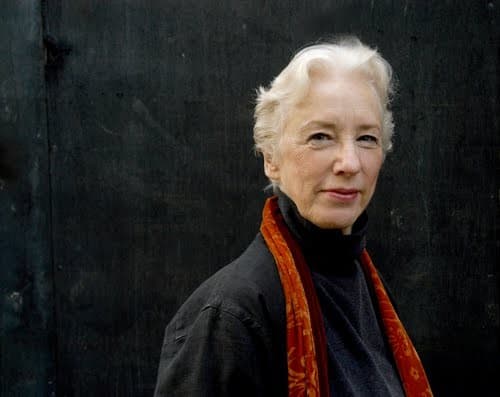
Biography coming soon.







