“Being gay wasn't a choice. It was a fact. Like having brown hair. Or being left-handed.”
— Russell ponders his identity and the immutability of his sexual orientation.

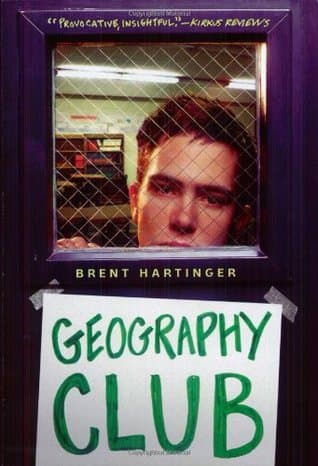
Brent Hartinger (2003)
Genre
Young Adult / Romance
Reading Time
220 min
Key Themes
See below
Sign in to track this book
In the difficult world of high school, a secret club offers LGBTQ+ teens a safe place to explore who they are and find love, all while keeping their identities hidden from judging classmates.
Russel Middlebrook, a high school student, is surprised when Kevin Land, the school's star baseball player, kisses him in the locker room. Kevin quickly dismisses it as a mistake, blaming stress from an upcoming game. Russel feels confused and interested despite Kevin's denial. Later, Russel's friend, Min, tells him she is secretly dating Terese, another girl from their school. This news gives Russel a sense of shared secrecy and confirms some of his own growing feelings, making him feel less alone in his struggles with his identity.
Because of his own secret and Min's confession, Russel decides to form a club where students can share their true identities without fear. He calls it the 'Geography Club,' a dull name meant to keep away anyone not truly interested in its real purpose. He asks Min to help him spread the word, subtly hinting at the club's true nature to those he suspects might be interested. The goal is to create a safe space for LGBTQ+ students to meet and talk about their experiences, believing others in their school are also hiding who they are.
The first Geography Club meeting takes place in a quiet classroom, with only a few people attending. Besides Russel and Min, the members include Terese, Min's girlfriend; Ike, a quiet boy; and later, Kevin, who initially seems to show up out of curiosity. The atmosphere is tense at first, but as students cautiously share parts of their lives and feelings, a sense of friendship grows. They realize they are not alone in hiding their identities from the school, and the club becomes a support network.
Kevin's involvement in the Geography Club is irregular and cautious. He attends some meetings, but his fear of being outed as gay, especially as a star athlete, makes him very careful. He continues to date girls publicly, further confusing Russel, who still has feelings for him. Russel feels torn between his attraction to Kevin and his frustration with Kevin's inability to fully embrace his identity. This creates emotional conflict for Russel, who wants a real connection with Kevin but understands the immense pressure Kevin faces.
Paul, a former friend of Kevin's who feels wronged, learns about the Geography Club and its true purpose. He starts to piece together the members' secrets, especially Kevin's. Paul sees this as a chance to get revenge on Kevin and possibly other club members. He begins spreading rumors and making veiled threats, creating fear among the club members. This outside threat increases the students' internal struggles, forcing them to face the real-world results of their hidden identities.
Inspired by the support he finds in the Geography Club, Ike bravely decides to come out to his parents. Their initial reaction is complex and not entirely positive, showing the challenges many young people face when revealing their sexual orientation to their families. While they do not disown him, their struggle to understand and accept his identity highlights existing societal pressures. Ike's experience, though difficult, is a powerful moment for the club members, showing both the risks and rewards of living authentically.
Paul, wanting to ruin Kevin's reputation, publicly outs him as gay, revealing his involvement with the Geography Club. This news shocks the school, especially the baseball team. Kevin faces immediate negative reactions, scorn, and alienation from his teammates and the student body. The incident brings the club members' hidden struggles into public view, forcing them to confront the fears they tried to avoid. The club is no longer a secret, and its members must now deal with the consequences.
After Kevin is outed, the Geography Club members show strong solidarity and support. Despite their own fears, they rally around Kevin, offering him comfort and a safe space. This collective support shows the club's true purpose and strength, proving that even when facing adversity, their bond provides a crucial lifeline. It shows that while their secrets might be exposed, their community and mutual acceptance remain, offering hope amid public outcry.
Inspired by his friends' courage and the injustice Kevin faces, Russel takes a public stand. He openly defends Kevin and the Geography Club, challenging the prejudice and homophobia at their school. This act marks a turning point for Russel, as he fully embraces his own identity and moves past the fear of being outed. His public defense supports his friends and makes a strong statement against intolerance, encouraging others to reconsider their biases. It shows Russel's change from a secretive person to an advocate for his community.
The public outing and following events leave the Geography Club members facing an uncertain future. While some students remain prejudiced, others begin to show understanding or support. The club, no longer a secret, becomes a visible symbol of LGBTQ+ presence in the school. The members learn to navigate the challenges of being openly gay in high school, finding strength in each other and their shared experiences. The book ends with cautious optimism, suggesting that while the path ahead is not easy, the club has built a foundation for greater acceptance and self-discovery.
The Protagonist
Russel transforms from a closeted and fearful individual to someone who openly embraces his identity and stands up for his friends.
The Supporting/Love Interest
Kevin moves from deep denial and fear to a difficult acceptance of his identity, forced by public exposure but supported by his friends.
The Supporting
Min remains a strong, stable force, offering consistent support and wisdom to her friends.
The Supporting
Terese finds strength and belonging within the club, reinforcing the importance of community.
The Supporting
Ike gains the courage to come out to his family, demonstrating significant personal growth and bravery.
The Antagonist
Paul acts as a static antagonist, driven by resentment and homophobia, serving to expose the characters' secrets.
The main theme is the characters' journeys to understand and accept their sexual identities in a world that often pressures them to fit in. Russel's thoughts constantly deal with his feelings for Kevin and his own identity. Min and Terese have found some acceptance in their relationship but keep it secret from the school. Ike's struggle ends with him bravely coming out to his parents, showing the personal growth that comes with self-acceptance. The Geography Club itself shows this theme, offering a space where these identities can be explored and confirmed without fear.
“I knew that any wrong action, however slight, could reveal my true identity...”
The Geography Club is a vital sanctuary for its members, showing how finding a supportive community can change lives. Before the club, characters like Russel and Ike feel alone in their struggles. In the club, they find validation, understanding, and courage. When Kevin is outed, the club members' collective support becomes his lifeline, showing that even in public adversity, a strong community can provide strength. The club becomes more than a secret meeting; it becomes a symbol of solidarity.
“Their secret should be safe.”
A main tension in the book is the constant fear of being outed versus the desire to live authentically. Kevin's character best shows this conflict, as his popularity and athletic status make him terrified of exposure. Russel feels similar anxieties, leading him to create the club as a secret way to connect. The book's climax, where Paul outs Kevin, brings this theme to a head, showing the devastating results of exposure but also leading to moments of public authenticity and defiance from Russel. The story explores the heavy cost of living a double life.
“But after a while, the truth's too hard to hide - at least from each other - so they form the 'Geography Club.'”
The book clearly shows the prejudice and homophobia common in a high school setting. Paul's character embodies this antagonism, driven by malice to expose and harm the LGBTQ+ students. The reactions of the baseball team and other students to Kevin's outing highlight the systemic nature of homophobia and the social exclusion that can happen. This theme emphasizes the challenges the characters face and provides the external conflict that drives much of the plot. It stresses the importance of the club as a counter to the prevailing intolerance.
“Nobody else will come. Why would they want to?”
A covert meeting place for LGBTQ+ students to share their identities.
The Geography Club is both a literal setting and a symbolic device. Initially, it functions as a safe, hidden space where characters can explore their identities without fear of judgment. Its unassuming name is a deliberate camouflage. As the story progresses, the club evolves from a secret refuge to a symbol of solidarity and, eventually, a public statement of LGBTQ+ presence in the school, especially after its members are outed. It represents the need for community and the journey from hiddenness to visibility.
The story is told entirely from Russel Middlebrook's perspective.
Telling the story through Russel's first-person perspective allows the reader deep insight into his internal struggles, anxieties, and developing understanding of his sexuality. This device creates a strong sense of empathy for Russel, as his confusion, hope, and fear are directly conveyed. It also limits the reader's knowledge to only what Russel experiences or observes, building suspense around other characters' secrets (like Kevin's initial reluctance) and the looming threat of exposure. This intimate viewpoint makes Russel's journey of self-acceptance particularly resonant.
Paul's deliberate exposure of Kevin's sexuality to the entire school.
The outing incident is the major turning point and climax of the novel. It functions as a catalyst, forcing the characters to confront their greatest fears and the real-world consequences of their secrets. This device shatters the illusion of safety provided by the Geography Club, pushing the characters out of their comfort zones. It serves to highlight the theme of prejudice and homophobia, while also prompting acts of courage and solidarity from Russel and the other club members, ultimately leading to their collective growth and a more public stance against intolerance.
“Being gay wasn't a choice. It was a fact. Like having brown hair. Or being left-handed.”
— Russell ponders his identity and the immutability of his sexual orientation.
“The hardest part about being gay wasn't being gay. It was being alone.”
— Russell reflects on the isolation he feels before finding others like him.
“There was a whole world out there, waiting for him, full of people who understood.”
— Russell begins to realize he isn't the only one and there's hope for connection.
“Sometimes, the only way to be brave was to pretend you weren't scared.”
— Russell prepares to take a risk or face a difficult situation.
“Secrets were like heavy weights, always pulling you down.”
— Russell feels the burden of hiding his true self from friends and family.
“You couldn't choose who you loved, but you could choose what you did about it.”
— Russell grapples with his feelings for Kevin and the implications.
“It was a strange kind of freedom, being able to be himself, even if it was only for an hour a week.”
— Russell experiences the relief of being open in the Geography Club.
“Maybe being different wasn't so bad after all. Maybe it was even good.”
— Russell starts to reframe his perspective on his identity.
“The truth had a way of coming out, whether you wanted it to or not.”
— Russell considers the inevitability of his secrets being revealed.
“Love didn't care about labels, or what other people thought.”
— Russell reflects on the purity of his feelings for Kevin.
“Sometimes the biggest adventures weren't about going to new places, but about discovering new things about yourself.”
— Russell's journey of self-discovery is presented as an adventure.
“He was tired of living a lie. Tired of pretending to be someone he wasn't.”
— Russell reaches a turning point where he desires to be authentic.
“The world was bigger than his high school, bigger than his town, bigger than all the worries that tried to keep him small.”
— Russell gains perspective on his struggles and the possibilities beyond his current environment.
Ready to see how well you understood this book? Take our interactive quiz with 10 questions.