BookBrief
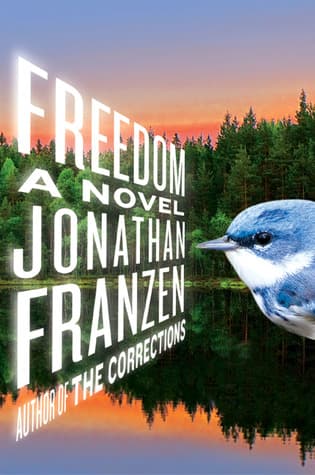
Freedom cover
Archivist's Choice

Freedom

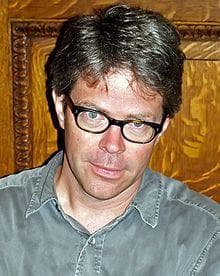
Jonathan Franzen (2010)

Genre

Literary Fiction

Reading Time

12 Minutes

Key Themes

See below

Track Your Reading

Sign in to track this book

Synopsis

Patty and Walter Berglund, once the epitome of progressive suburban parenthood in St. Paul, find their carefully constructed lives unraveling in the new millennium. As their seemingly perfect marriage and family life begin to crack, their teenage son moves in with the conservative neighbors, Walter takes a controversial job with Big Coal, and Walter's rock-star college friend, Richard Katz, re-emerges, further complicating their dynamic. The narrative delves into the individual crises of Patty and Walter, revealing their past choices, secret desires, and the compromises they've made, all while exploring the broader themes of freedom, ambition, and the disillusionment of the American dream. The story charts their struggles to navigate personal liberty and its consequences in a rapidly changing world, ultimately exposing the complexities beneath their ideal facade.
Difficulty
Medium
Pacing
Moderate
Mood
Introspective, satirical, melancholic, observant, sprawling

Plot Summary

The Berglunds of Barrier Street

The novel opens by introducing the Berglund family: Patty, Walter, and their children, Joey and Jessica, through the eyes of their St. Paul neighbors. They are presented as the quintessential liberal, environmentally conscious, and socially engaged family, a model of modern gentrification. However, the narrative quickly shifts to the present, revealing that their idyllic facade has crumbled. Patty is withdrawn, Walter is working for a coal company, and their son Joey has moved in with their conservative Republican neighbors, the Steelys. The neighbors speculate about the causes of their downfall, hinting at underlying tensions and past events that have led to their current disarray. This initial section establishes the central mystery and the fractured state of the family, setting the stage for the extensive flashbacks that will follow.

Patty's Early Life and College Years

The narrative goes into Patty's backstory, revealing her difficult childhood with a distant, critical mother and an absent father. Basketball becomes her refuge and her path to college, where she excels as an athlete. At the University of Virginia, she meets Walter Berglund, a thoughtful and earnest environmentalist, and his charismatic, rebellious best friend, Richard Katz, an aspiring indie rock musician. Patty is drawn to both men, but an incident involving a sexual assault at a party, which Walter witnesses but fails to intervene in, creates a complex dynamic. She ultimately chooses Walter, but her attraction to Richard remains, shaping her future relationships and self-perception.

Marriage and Early Parenthood in St. Paul

Patty and Walter move to St. Paul, Minnesota, and begin their family life. Walter commits fully to environmental activism, while Patty, having given up basketball due to injuries, struggles with her identity and the demands of motherhood. She finds comfort in her children, Joey and Jessica, but also battles depression and feelings of inadequacy, made worse by her past trauma and her complex emotions regarding Richard. Their marriage, while outwardly stable and committed to shared progressive ideals, is subtly undermined by Patty's unfulfilled desires and Walter's earnest but sometimes oblivious nature. The section highlights their efforts to create a meaningful life, even as personal anxieties simmer beneath the surface of their domestic bliss.

Joey's Rebellion and the Steelys

As Joey enters adolescence, he becomes more alienated from his parents' liberal values and their seemingly suffocating expectations. He develops a crush on Connie Monaghan, the daughter of their conservative Republican neighbors, the Steelys. Joey begins to spend more time at the Steelys' house, finding their straightforward, unapologetically capitalist worldview appealing in contrast to his parents' nuanced, often self-critical progressivism. His rebellion culminates in him officially moving in with the Steelys, an act that deeply wounds Patty and Walter and further exposes the cracks in their family unit. This move symbolizes a generational and ideological rift, as Joey actively rejects the principles his parents embody.

Richard Katz's Re-entry and Patty's Affair

Richard Katz, now a moderately successful indie rock musician, re-enters the Berglunds' lives. Walter, still deeply fond of his old friend, facilitates their reunion, unaware of the powerful, unresolved attraction between Patty and Richard. Patty, feeling increasingly isolated and unfulfilled in her marriage, succumbs to her long-suppressed desires and begins an affair with Richard. This secret relationship provides her with an escape from her domestic responsibilities and a reawakening of her sense of self, but it is fraught with guilt and the potential for devastating consequences. The affair highlights Patty's yearning for passion and recognition beyond her role as wife and mother.

Walter's Environmental Crusade and the Coal Deal

Walter, driven by his deep passion for environmentalism, dedicates himself to a project aimed at protecting the cerulean warbler by purchasing vast tracts of land in West Virginia. To fund this ambitious endeavor, he makes a difficult choice: he takes a job with a large coal company, Cerberus, which agrees to fund his conservation efforts in exchange for his public endorsement and a degree of greenwashing. This decision is a profound compromise of his principles, shocking his liberal friends and family, and reflects his growing disillusionment with traditional environmental activism. It also creates a significant rift with Patty, who struggles to reconcile his actions with the man she married.

Jessica's Struggles and College Life

Jessica, the more grounded and observant of the Berglund children, goes off to college. She grapples with the fallout from her parents' collapsing marriage and her brother Joey's controversial choices. She maintains a complicated relationship with Joey, often acting as a mediator or a reluctant confidante, but also forming her own opinions and making her own mistakes. Her college experience involves navigating academic pressures, social dynamics, and the complexities of her family's public and private dramas. Jessica's storyline provides an external perspective on the Berglunds' unraveling, highlighting the ripple effects of her parents' actions on their children.

The Affair's Revelation and Aftermath

The affair between Patty and Richard eventually comes to light, primarily through Walter's discovery of Patty's confessional memoir, which she had been writing in secret. The revelation shatters Walter, leading to a furious confrontation and the immediate breakdown of their marriage. Patty moves out, and the family is thrown into disarray. The emotional fallout is immense, affecting not only Patty and Walter but also their children and their wider social circle. This section marks the lowest point for the Berglund family, as the hidden resentments and betrayals finally surface, forcing them to confront the painful realities of their long-standing illusions.

Joey's Business Ventures and Growth

After college, Joey embarks on a series of business ventures, first in real estate development in West Virginia, then in manufacturing for a military contractor. He exhibits a keen eye for opportunity and a pragmatic, sometimes cynical, approach to commerce, embodying the capitalist ideals he embraced with the Steelys. His relationships with women, particularly Jenna, are often transactional and marked by a lack of deep emotional connection. Despite his financial success, Joey struggles with finding genuine happiness and purpose, continually seeking validation and a sense of belonging. His journey reflects a search for identity outside the shadow of his parents' values.

Walter's Solitude and Continued Work

Following the divorce, Walter retreats to the land he purchased in West Virginia, dedicating himself fully to the conservation project and the protection of the cerulean warbler. He lives a solitary life, finding comfort and purpose in his work with nature, largely cut off from his former life and family. Despite the controversy surrounding his association with the coal company, he remains committed to his environmental goals, believing he is making a tangible difference. This period highlights Walter's resilience and his deep, unwavering connection to the natural world, even as he grapples with the profound personal losses he has endured.

Patty's Reckoning and Reintegration

After the affair and divorce, Patty lives with Richard for a time, but their relationship proves unsustainable. She eventually moves back to St. Paul, living a more isolated existence. She grapples with the consequences of her actions, reflecting on her childhood traumas, her choices, and the pain she inflicted on her family. Patty attempts to reconnect with her children, particularly Jessica, and eventually seeks to mend fences with Walter. Her journey is one of introspection, self-forgiveness, and a gradual effort to reintegrate into her family and community, coming to terms with her past mistakes and seeking a path toward a more authentic future.

Reconciliation and New Beginnings

Years later, the Berglund family members begin a slow and tentative process of reconciliation. Patty and Walter, though no longer married, find a way to communicate and even support each other, particularly through shared concern for their children. Joey, having achieved financial success, starts to mature and re-evaluate his priorities, eventually seeking a more meaningful connection with his family. Jessica continues to navigate her own life, maintaining a pragmatic connection to her parents. The novel concludes with a sense of cautious hope, suggesting that while the family may never fully return to its idealized past, they can forge new, more honest relationships built on understanding and forgiveness, acknowledging their individual freedoms and the responsibilities that come with them.

Principal Figures

Patty Berglund

The Protagonist

Patty moves from a state of internal suppression and outward perfection to an explosive act of self-assertion, leading to the collapse of her marriage, and eventually to a period of painful introspection and a more honest, albeit less glamorous, reintegration into her family and self.

Walter Berglund

The Protagonist

Walter evolves from an idealistic, somewhat rigid environmentalist and family man to a more jaded but still dedicated conservationist, learning to accept the messy realities of life and love after experiencing profound betrayal and loss.

Richard Katz

The Supporting

Richard remains largely static in his cynical worldview but serves as a disruptive force, facilitating the unraveling of the Berglunds' marriage and forcing both Patty and Walter to confront uncomfortable truths.

Joey Berglund

The Supporting

Joey begins as a rebellious teenager rejecting his parents' values, evolves into a successful but emotionally unfulfilled businessman, and eventually matures into a more reflective adult seeking genuine connection and purpose beyond material wealth.

Jessica Berglund

The Supporting

Jessica matures from a watchful teenager into an independent young woman, learning to navigate complex family dynamics and forge her own path while maintaining a deep but realistic connection to her parents and brother.

Connie Monaghan

The Supporting

Connie remains a consistent, relatively stable character, serving primarily as a catalyst for Joey's early development and ideological shift, representing a path of conventional happiness that Joey eventually moves beyond.

Lalitha

The Supporting

Lalitha provides Walter with a chance at a new, more stable relationship and a renewed sense of purpose, embodying a future where his idealism can be tempered with practical action and companionship.

Carol Monaghan

The Supporting

Carol remains a consistent character, serving as a stable, contrasting presence and a mirror for the Berglunds' struggles, rather than undergoing significant personal development.

Themes & Insights

The Burdens and Illusions of Freedom

The novel explores the complex nature of 'freedom' in contemporary American life. Characters constantly seek freedom—from parental expectations, societal norms, unhappy marriages, or even the constraints of their own ideals. However, these quests often lead to unexpected burdens, loneliness, and a realization that absolute freedom can be destructive. Patty's pursuit of sexual and emotional liberation leads to the collapse of her family, while Walter's desire for environmental freedom forces him into a moral compromise. The book suggests that true freedom might lie not in limitless choices, but in accepting limitations and responsibilities, finding a balance between individual desires and collective well-being.

The great thing about America is that you can do whatever you want. The terrible thing about America is that you can do whatever you want.

Narrator (reflecting a common sentiment in the novel)

The Decline of American Liberalism and Idealism

Franzen examines the challenges and perceived failures of the liberal, progressive ideals that defined the Berglund generation. Walter's environmental activism, initially pure, becomes compromised by corporate interests. The family's attempts at conscious living and parenting are undermined by internal strife and external pressures. Joey's rejection of his parents' values for a more pragmatic, capitalist worldview signifies a generational shift and a disillusionment with the efficacy of traditional liberalism. The novel questions whether the pursuit of a 'better world' can survive in a complex, often cynical, modern world, and highlights the hypocrisy and self-absorption that can sometimes accompany well-intentioned idealism.

He was an environmentalist not because he loved nature, but because he hated people.

Walter Berglund (reflecting on his own motivations)

The Complexities of Marriage and Family Life

At its heart, 'Freedom' is a study of a modern marriage and its slow, painful unraveling. The novel dissects the compromises, resentments, unspoken desires, and betrayals that accumulate over decades. Patty and Walter's marriage, initially built on shared ideals, succumbs to individual longings and unresolved past traumas. The impact of their marital breakdown on their children, Joey and Jessica, is also a central focus, illustrating how parental choices ripple through generations. The book portrays marriage not as a static institution but as a dynamic, fragile entity requiring constant negotiation, honesty, and a willingness to confront uncomfortable truths.

Marriage is a long conversation, interrupted by orgasms.

Richard Katz

The Search for Authenticity and Identity

Many characters, particularly Patty and Joey, grapple with questions of who they truly are versus who they are perceived to be or who they feel they 'should' be. Patty struggles to reconcile her past as an athlete and her present as a homemaker, leading to her affair as a desperate attempt to reclaim a lost self. Joey actively seeks an identity distinct from his parents, exploring different ideologies and lifestyles. The novel suggests that authenticity is a hard-won state, often requiring painful self-reflection, the shedding of illusions, and the acceptance of one's flaws and desires. It's a continuous process of becoming, rather than a fixed state.

It was impossible to be an authentic person and a good person at the same time.

Patty Berglsund (in her memoir)

Nature vs. Human Impulse

This theme appears in Walter's deep connection to the natural world and his unwavering commitment to conservation, often in stark contrast to the destructive or self-serving impulses of humanity. The cerulean warbler becomes a symbol of fragile nature needing protection, while the coal industry represents human exploitation. However, the theme also extends to human 'nature' itself—the primal desires, sexual urges, and territorial instincts that drive characters like Patty and Richard, often overriding their more rational or moral considerations. The novel explores the tension between our ecological responsibilities and our inherent, sometimes chaotic, human drives.

The greatest danger to the environment is not the destruction of habitat, but the human heart.

Walter Berglund

Plot Devices & Literary Techniques

The Omniscient Narrator with Character-Specific Sections

A shifting narrative voice that delves deep into individual characters' perspectives.

Franzen employs a highly intrusive, often witty, and judgmental omniscient narrator who frequently offers social commentary and psychological insights. However, the narrative structure also includes extended sections (like Patty's 'memoir' and Walter's 'corrections') where the voice adopts the character's perspective, sometimes even blurring the lines between the narrator's voice and the character's inner thoughts. This allows for deep dives into individual psyches, revealing their subjective truths, biases, and self-deceptions, while the overarching narrator maintains a critical distance and broader social scope.

Patty's Secret Memoir

A hidden autobiography that serves as a confessional, a narrative device, and a catalyst for conflict.

Patty's 'memoir,' titled 'Mistakes Were Made,' is a crucial plot device. Initially written in secret, it becomes the primary vehicle for revealing her backstory, her internal struggles, and the truth about her affair. When discovered by Walter, it acts as the explosive catalyst for the breakdown of their marriage. The memoir allows for a deep, first-person dive into Patty's subjective experience, offering her unfiltered perspective on events. Its existence and eventual discovery underscore themes of hidden truths, self-deception, and the devastating impact of secrets within a marriage.

The Cerulean Warbler

A symbolic endangered bird that represents Walter's idealism and the fragility of nature.

The cerulean warbler is more than just an endangered species; it becomes a powerful symbol throughout the novel. For Walter, it represents his pure, unwavering environmental idealism and his dedication to protecting a fragile, beautiful part of the natural world. His efforts to save its habitat drive his most significant professional compromises and personal sacrifices. The bird symbolizes the delicate balance of ecosystems, the vulnerability of nature in the face of human expansion, and Walter's almost spiritual connection to a cause larger than himself. Its fate mirrors the often-tenuous success of idealistic endeavors.

The Berglund Family Home on Barrier Street

A physical setting that reflects the family's aspirations, eventual decay, and their place in the community.

The Berglunds' house on Barrier Street in St. Paul is more than just a dwelling; it's a microcosm of their idealized liberal lifestyle and its eventual unraveling. Initially, it symbolizes their commitment to gentrification, community, and progressive values. As the family begins to fray, the house reflects this decay, becoming a site of tension, secrets, and public scrutiny from their neighbors. It represents the domestic sphere where their private lives play out against the backdrop of their public image, and its changing atmosphere mirrors the family's internal struggles and the shifting dynamics of their relationships. It's a stage for their personal and ideological dramas.

Critical analysis

Notable Quotes

Quiz

Test Your Knowledge

Ready to see how well you understood this book? Take our interactive quiz with 10 questions.

10
Questions
~5
Minutes
?
Best Score

Key Questions (FAQ)

Freedom by Jonathan Franzen is an epic novel that explores the complexities of love, marriage, and family life in contemporary America. It follows the Berglund family as they navigate personal and societal challenges, examining themes of environmentalism, politics, and the search for meaning.

About the author

Jonathan Franzen

Jonathan Earl Franzen is an American novelist and essayist. His 2001 novel The Corrections, a sprawling, satirical family drama, drew widespread critical acclaim, earned Franzen a National Book Award, was a Pulitzer Prize for Fiction finalist, earned a James Tait Black Memorial Prize, and was shortlisted for the International Dublin Literary Award. His novel Freedom (2010) garnered similar praise and led to an appearance on the cover of Time magazine alongside the headline "Great American Novelist". Franzen's latest novel Crossroads was published in 2021, and is the first in a projected trilogy.