“I want to fly. I want to be up there, where the world makes sense.”
— Ida Mae Jones expresses her longing to become a pilot early in the story.

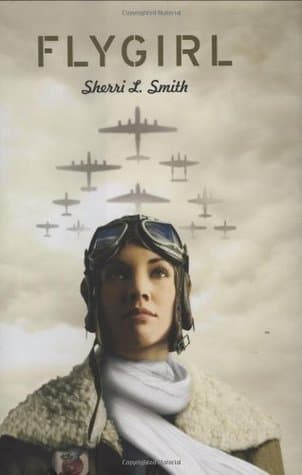
Sherri L. Smith (2009)
Genre
Historical Fiction / Young Adult
Reading Time
360 min
Key Themes
See below
Sign in to track this book
In 1940s America, a skilled Black pilot, determined to fly for her country, makes the choice to pass as white to join the Women Airforce Service Pilots, forcing her to confront the cost of chasing her dreams during war and prejudice.
In Lake Charles, Louisiana, Ida Mae Jones works at a local diner, her mind often on flying. Her greatest desire is to fly airplanes, a passion inherited from her deceased father, who was a pilot despite the racial biases of his time. Ida Mae keeps her father's pilot's logbook and a photo of him with his plane. She faces the realities of segregation, experiencing daily discrimination in her town. When news of the attack on Pearl Harbor reaches her, and her brother, Thomas, is drafted into the Army, Ida Mae feels a strong need to help with the war, especially through aviation. She knows that as a Black woman, her chances of becoming a military pilot are almost nonexistent.
Ida Mae finds an article about the Women Airforce Service Pilots (WASP) program, which trains female civilian pilots to ferry planes and tow targets for the military. This program gives her hope, but she quickly realizes that the WASP, like most institutions of the time, is only for white women. Wanting to fly and help with the war, Ida Mae makes the decision to 'pass' as white. She is light-skinned enough to possibly succeed, but it means cutting ties with her family and her identity, at least for a while. She applies to the WASP program, carefully creating a new persona and background.
Leaving her worried mother and the segregated world of Louisiana behind, Ida Mae travels by train to Sweetwater, Texas, the WASP training base at Avenger Field. The journey itself reminds her of the racial divide, as she experiences the freedom and fear of navigating a white-dominated society while hiding her true identity. Upon arrival, she is struck by the size of the operation and the varied group of women from all backgrounds who have come to fly. She meets other trainees, including the reserved Lily and the more open Patsy, beginning to form new relationships under her assumed identity.
Training at Avenger Field is intense. Ida Mae, alongside her fellow trainees, goes through ground school, physical training, and flight instruction in various aircraft, including Stearmans and BT-13s. She proves to be a natural pilot, doing well in the air, which brings her great joy but also constant worry about her secret. She becomes good friends with Patsy, a spirited Texan, and slowly starts to get through Lily's reserved nature. The friendships among the women are strong, but Ida Mae constantly fears that a mistake or a chance encounter could reveal her true racial heritage, leading to shame and expulsion.
As training continues, Ida Mae's flying skills keep impressing her instructors. However, her secret identity is always at risk. Another trainee, a prejudiced woman from the South named Mildred, watches Ida Mae with suspicion, making subtle, racially charged comments that make her uneasy. Ida Mae has to be careful about her speech, mannerisms, and personal history. During a difficult cross-country flight, Ida Mae shows great skill and calm, further establishing her reputation as a talented pilot. Despite her success, the pressure of keeping up her facade weighs heavily on her, making it hard to fully relax and connect with her friends.
Ida Mae experiences the triumph of her first solo flight, a moment that confirms her lifelong dream. During a short leave, she makes the dangerous decision to visit her mother in Louisiana. The reunion is bittersweet; her mother is proud but also worried about the risks Ida Mae is taking, both in the air and with her identity. Ida Mae experiences the contrast between the relative freedom of Avenger Field and the segregation of her hometown, reinforcing the reasons behind her choice. She returns to Sweetwater with renewed determination but also a heavier heart, missing her family and the comfort of being herself.
Ida Mae progresses to flying more advanced aircraft, including bombers like the B-26 Marauder. The training becomes even more demanding and dangerous, with several accidents and fatalities among the WASP trainees, showing the real risks they face. She continues to bond with Patsy and Lily, sharing their hopes and fears. A romantic interest develops between Ida Mae and a male pilot, but she keeps him at a distance, knowing that a deeper relationship would expose her secret. She deals with the loneliness that her deception places on her personal life.
One evening, Ida Mae finds Lily crying in their barracks. Lily reveals that she is a Jewish woman who has also faced discrimination and is using an Anglicized name to avoid prejudice. This shared vulnerability creates a deeper bond between them. Soon after, Mildred confronts Ida Mae directly, accusing her of being Black. Ida Mae, surprised, manages to deflect the accusation with a careful lie and the support of Patsy, who, though unaware of the truth, stands by her friend. This incident leaves Ida Mae shaken, reinforcing the constant threat of exposure.
As the war ends, the WASP program is suddenly deactivated, denying the women military status and benefits. Ida Mae and her fellow pilots are heartbroken and angry, feeling their contributions have been undervalued. Faced with the end of her flying dream as a WASP, Ida Mae makes a decision. Instead of continuing to pass as white, she chooses to reclaim her identity. She tells Patsy and Lily the truth about her heritage. While Patsy is initially shocked, she accepts and supports Ida Mae. Lily, understanding the pain of hiding one's identity, offers solidarity.
Ida Mae returns to Louisiana, no longer hiding who she is. She reunites with her brother, Thomas, who has returned from the war, injured but alive. They share their wartime experiences and the changes they've undergone. Ida Mae, with the support of her family and the knowledge of her own strength and skill, begins to explore new ways to fly, perhaps as a civilian pilot or instructor. She understands that the fight for equality continues, but she is now better able to face it, having proven her abilities in the air and found the courage to be authentically herself. The novel ends with hope and determination for Ida Mae's future.
The Protagonist
Ida Mae transforms from a young woman hiding her identity to achieve her dream, to someone who reclaims her true self, understanding that authenticity is more important than a dream built on deception.
The Supporting
She remains a constant source of love and worry for Ida Mae, eventually accepting and celebrating her daughter's return to her true self.
The Supporting
He experiences the war firsthand, returning home changed, and provides a crucial emotional reunion for Ida Mae.
The Supporting
Patsy evolves from a friendly acquaintance to a deeply loyal friend who ultimately accepts Ida Mae's true identity, demonstrating personal growth and empathy.
The Supporting
Lily transitions from a reserved individual hiding her identity to a trusted confidante for Ida Mae, finding solidarity in their shared experiences.
The Antagonist
Mildred remains a static character, her prejudice serving as a constant external threat to Ida Mae's secret.
The Supporting
He serves as a professional mentor, guiding Ida Mae's flight development without being aware of her personal struggles.
The Mentioned
His legacy serves as a constant source of inspiration and connection to Ida Mae's dream, even in his absence.
The novel explores identity, especially through Ida Mae's decision to 'pass' as white. Her time at Avenger Field makes her confront who she is versus who she pretends to be. While she achieves her dream of flying, the constant burden of her secret and the denial of her heritage lead to internal conflict. Her decision to reclaim her true identity, even if it means ending her WASP career, shows self-discovery and acceptance, highlighting that true fulfillment comes from authenticity. Lily's similar struggle as a Jewish woman also shows this theme.
“Maybe it was easier to fly than to be me.”
Racial segregation in 1940s America forms the background of Ida Mae's story. From Jim Crow laws in Louisiana to the racial exclusion of the WASP program, the novel shows the barriers faced by Black individuals. Ida Mae's decision to 'pass' is a direct result of this racism, illustrating the measures people took to overcome such obstacles. The prejudice from characters like Mildred and the contrast between Ida Mae's hometown and Avenger Field highlight the racial tensions of the era and the personal cost of navigating a segregated society.
“It was one thing to be black in a black world, and another thing entirely to be black in a white world.”
Beyond race, the novel examines the limits placed on women during World War II, even as wartime needs created new opportunities. The WASP program was a temporary initiative, as shown by its deactivation and the denial of military status to its pilots. Ida Mae, along with her fellow trainees, fights against the idea that women cannot fly or serve in important roles. Their dedication and skill challenge traditional gender norms, showing women's competence and courage in a male-dominated field, even as they face sexism and a lack of recognition.
“We were doing a man's job, and doing it well, but we were still just girls to them.”
Ida Mae's journey shows various forms of courage and sacrifice. Her decision to 'pass' requires personal courage and the sacrifice of her family and true identity. The WASP pilots, including Ida Mae, show physical courage daily, flying dangerous missions and facing the risk of accidents. Beyond the battlefield, they make sacrifices by leaving their homes and enduring hard training. The novel emphasizes that courage is not just about facing external threats, but also about the inner strength to pursue one's dreams and, ultimately, to be true to oneself.
“Some dreams cost more than others.”
Despite individual challenges, the friendships among the WASP trainees are important. Ida Mae finds support and companionship in Patsy and Lily, with whom she shares the unique experiences of training. The revelation of Lily's own secret creates a moment of shared understanding and empathy, showing how common struggles can build deep connections. These friendships offer Ida Mae moments of solace and strength, providing the support she needs to reclaim her identity and face the future, demonstrating the power of human connection against adversity.
“We were all in this together, even if we didn't know each other's deepest secrets.”
Provides intimate access to Ida Mae's internal thoughts and struggles.
The story is told from Ida Mae Jones's first-person perspective, immersing the reader directly into her experiences, fears, and triumphs. This narrative choice is crucial for conveying the profound internal conflict she faces while 'passing' as white. Readers gain intimate access to her anxieties about exposure, her longing for authenticity, and her deep love for her family and the act of flying. This perspective allows for a nuanced exploration of her emotional journey and the psychological toll of her deception, making her struggles feel immediate and personal.
A symbolic link to Ida Mae's past, heritage, and dream of flying.
The pilot's logbook belonging to Ida Mae's deceased father serves as a powerful symbol throughout the novel. It represents her inherited passion for aviation, her connection to her family's legacy, and the defiance of racial barriers that her father embodied. Keeping the logbook close provides Ida Mae with a tangible link to her true identity and her dream, especially when she is forced to deny her heritage. It reminds her of where she comes from and what she is fighting for, even as she navigates her fabricated persona.
A symbolic setting representing both opportunity and constraint.
Avenger Field, the WASP training base in Sweetwater, Texas, functions as a significant symbolic setting. For Ida Mae, it represents a place of immense opportunity, where she can pursue her dream of flying, transcending the racial and gender limitations of her civilian life. However, it also embodies constraint, as it is where she must constantly maintain her false identity and live in fear of exposure. The rigorous training and the camaraderie forged there contrast sharply with the external world, making it a crucible for Ida Mae's self-discovery.
A central plot device driving conflict and exploring themes of identity and race.
The act of 'passing' – a light-skinned Black person presenting themselves as white – is the central plot device that propels the narrative and generates its core conflict. It enables Ida Mae to achieve her dream of flying in the WASP program but at a profound personal cost. This device allows the author to explore themes of identity, race, sacrifice, and the psychological burden of deception. It creates constant internal and external tension, as Ida Mae must meticulously manage her persona, constantly fearing exposure and grappling with the denial of her true self and family.
“I want to fly. I want to be up there, where the world makes sense.”
— Ida Mae Jones expresses her longing to become a pilot early in the story.
“Sometimes you have to pass to get where you're going.”
— Ida Mae reflects on her decision to pass as white to join the Women Airforce Service Pilots (WASP).
“We're not just flying for ourselves. We're flying for every girl who ever dreamed of something more.”
— Ida Mae talks to fellow WASP trainees about the significance of their service.
“The sky doesn't care what color you are.”
— Ida Mae finds solace in flying, where racial barriers seem to disappear.
“Courage isn't the absence of fear. It's doing what you have to do, even when you're scared.”
— Ida Mae encourages a fellow pilot during a challenging training exercise.
“My name is Ida Mae Jones, and I am a pilot.”
— Ida Mae asserts her identity and profession with pride later in the book.
“They can ground us, but they can't stop us from dreaming.”
— Ida Mae responds to discrimination and setbacks faced by the WASP.
“Every takeoff is a leap of faith.”
— Ida Mae describes the thrill and risk of flying during her training.
“Home isn't just a place. It's who you are when you're there.”
— Ida Mae reflects on her family and roots in Louisiana while away at training.
“We're writing history with every flight.”
— A WASP instructor motivates the trainees about their pioneering role.
“The hardest battles are the ones you fight with yourself.”
— Ida Mae struggles with the moral implications of passing as white.
“Freedom is in the cockpit, where the only thing that matters is skill.”
— Ida Mae finds a sense of liberation and fairness in flying.
“Sometimes you have to lose yourself to find who you really are.”
— Ida Mae contemplates her journey of self-discovery through her experiences.
“We're not just breaking barriers; we're building bridges.”
— Ida Mae discusses the broader impact of the WASP with her friends.
Ready to see how well you understood this book? Take our interactive quiz with 10 questions.

Biography coming soon.







