BookBrief
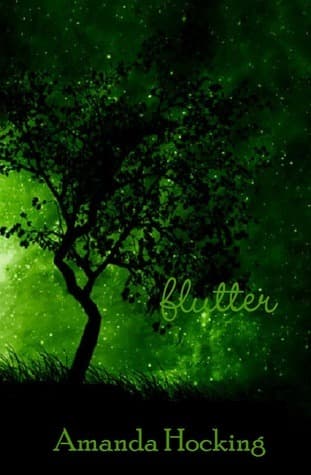
Flutter cover
Archivist's Choice

Flutter

Amanda Hocking (2010)

Genre

Thriller / Psychology / Mystery / Romance

Reading Time

12 Minutes

Key Themes

See below

Track Your Reading

Sign in to track this book

Undead teen Alice Bonham must control her bloodlust and navigate a dangerous rescue mission to save her friends from rabid vampires, all while her own love life hangs precariously in the balance.

Synopsis

Alice Bonham, an undead woman, faces a tumultuous period where her personal life and the lives of those around her spiral into chaos. Her brother's blossoming romance highlights the complexity of her own, while her friend Mae struggles and her best friend Jane develops a dangerous addiction to vampire bites. Alice herself battles an escalating bloodlust, fearing she might lose control and harm someone. Amidst this internal and external turmoil, she volunteers for a perilous rescue mission with Ezra, confronting a pack of rabid vampires, a challenge that pushes even Ezra's limits and threatens to overwhelm them both.
Difficulty
Medium
Pacing
Moderate
Mood
Suspenseful, intense, angsty, dark, romantic

Plot Summary

The Weight of Undead Life

Alice Bonham, now a vampire, struggles with a constant, overwhelming urge for blood, fearing she might lose control and harm an innocent. Her younger brother, Milo, is involved with Esme, a human, which makes Alice protective and anxious. Her best friend, Jane, has developed an addiction to vampire bites, specifically from Peter, a situation Alice finds concerning and tries to stop. Mae, another close friend and vampire, shows signs of severe emotional and mental distress, further burdening Alice. Amidst these personal struggles, Alice's complicated romantic life with Jack and Peter continues to cause her internal conflict, making her undead existence far from simple.

Jane's Addiction and Alice's Intervention

Alice sees Jane's increasing dependence on Peter's bites, recognizing the signs of addiction and the potential harm it poses. She confronts Jane, expressing her worry and trying to make her understand the risks, both physical and emotional. Jane, however, is defensive and struggles to admit the problem, downplaying her cravings and Peter's manipulative involvement. This confrontation creates tension between the two friends. Alice feels a desperate need to help Jane, while Jane resents Alice's interference, believing she understands her own choices. Alice's attempts to protect Jane often clash with Jane's desire for independence and her current, destructive path.

Mae's Descent

Mae, a vampire and friend, begins to act erratically and withdraw. She experiences nightmares, struggles with her bloodlust, and becomes distant from her friends, including Alice. Alice observes Mae's decline with concern, recognizing that Mae is not coping well with their undead existence. Mae's emotional fragility and struggles with her vampire nature become a significant worry for Alice, who feels responsible for helping her. The group tries to support Mae, but her condition seems to worsen, hinting at deeper psychological issues and the impact of their supernatural lives on their mental well-being.

The Rescue Mission

A dire situation arises: a group of vampires has been captured and imprisoned by an extremist human organization known as the 'Society for Human Preservation.' Recognizing the urgency and the potential for torture or death, Alice volunteers to join a rescue mission. She partners with Ezra, a powerful and experienced vampire known for his combat skills and strategic thinking. The mission is perilous, as the Society is well-armed and ruthless. Alice's decision comes from her sense of duty and her desire to protect fellow vampires, even those she doesn't know, despite the immense risks involved.

Infiltrating the Compound

Alice and Ezra plan their infiltration of the Society's heavily fortified compound. They gather intelligence, mapping out security systems, guard patrols, and entry points. Their strategy involves stealth, diversion, and direct confrontation when necessary. Alice uses her heightened senses and agility, while Ezra leverages his strength and combat prowess. The tension is palpable as they navigate the dangerous perimeter, narrowly avoiding detection. The compound is a labyrinth of traps and armed guards, making every step a calculated risk. Their objective is not just to get in, but to locate the captured vampires without alerting the entire facility.

Encounter with Rabid Vampires

Once inside the compound, Alice and Ezra discover a horrifying truth: many of the captured vampires are not merely imprisoned but have been experimented upon, turning them into rabid, feral creatures driven solely by bloodlust. These 'rabid' vampires are aggressive and unpredictable, posing a new, unexpected threat that complicates their rescue efforts. Alice and Ezra are forced to fight these former allies, a morally distressing task. The realization that the Society is not just imprisoning but actively corrupting vampires adds a new layer of horror and urgency to their mission, as they must now contend with both human guards and their own monstrous kind.

The Society's Cruelty

As they go deeper into the compound, Alice and Ezra witness the Society's brutal and inhumane practices. They discover laboratories where vampires are subjected to torture, designed to understand and exploit their weaknesses, or to transform them into weapons. Evidence of extreme cruelty and disregard for any form of life is abundant. This revelation solidifies Alice's resolve, fueling her anger and determination to dismantle the organization. The Society's actions are not just about preservation but about control, torture, and eradication, revealing a dark side of humanity that mirrors the monstrousness they claim to fight.

The Confrontation and Escape

Alice and Ezra engage in a fierce battle with the Society's guards and scientists. They fight with desperation, knowing the lives of the remaining captive vampires depend on their success. The fight is intense and dangerous, with casualties on both sides. Alice uses her speed and strength, while Ezra employs his raw power. They manage to free some of the less-affected vampires, but the rabid ones prove a tragic and difficult obstacle. Their primary goal shifts from mere rescue to containment and escape, ensuring that the Society's experiments cannot continue. The escape is chaotic and narrow, pushing both Alice and Ezra to their physical and emotional limits.

Aftermath and Reflection

Following the rescue mission, Alice is deeply shaken by the horrors she witnessed. The images of the tortured and rabid vampires haunt her, reinforcing the brutal realities of the conflict between humans and vampires. She reflects on the dangers of their existence and the moral ambiguities involved in fighting such a ruthless enemy. The mission also forces her to confront her own capacity for violence and her evolving understanding of good and evil. The experience solidifies her bond with Ezra, who proved to be a steadfast and formidable ally, but it also leaves her questioning the future and the endless cycle of violence.

Repercussions and New Threats

The rescue mission, while partially successful, has significant repercussions. The Society for Human Preservation is now fully aware of Alice and Ezra's involvement, escalating the conflict and potentially putting more vampires at risk. The existence of rabid vampires, a direct result of human experimentation, poses a new and terrifying threat to the vampire community itself. Alice realizes that the battle is far from over and that the lines between hunter and hunted are becoming increasingly blurred. The experience changes her, making her more resolute but also more aware of the pervasive darkness in their world, hinting at future conflicts and sacrifices.

Principal Figures

Alice Bonham

The Protagonist

Alice grows in her acceptance of her vampiric nature, learning to control her bloodlust and embrace her strength for the greater good, becoming a more decisive and formidable protector.

Milo Bonham

The Supporting

Milo remains largely consistent, serving as a symbol of humanity and the normalcy Alice strives to preserve, though he becomes more aware of the supernatural world's proximity.

Jane

The Supporting

Jane's addiction deepens, causing a rift with Alice and making her a pawn in Peter's games, illustrating the destructive power of supernatural allure.

Mae

The Supporting

Mae's mental state deteriorates significantly, emphasizing the psychological toll of vampirism and becoming a source of worry for Alice.

Jack

The Supporting

Jack continues to be a steady, if complicated, romantic presence for Alice, his role often contrasting with Peter's more volatile influence.

Peter

The Supporting

Peter's manipulative tendencies become more apparent through his relationship with Jane, solidifying his role as a morally grey character and rival for Alice's affections.

Ezra

The Supporting

Ezra proves himself a reliable and powerful ally to Alice, demonstrating his unwavering commitment to protecting the vampire community and forming a strong, trusting bond with her.

The Society for Human Preservation

The Antagonist

The Society's cruelty and reach are fully exposed, solidifying their role as a clear and present danger to all vampires, escalating the human-vampire conflict.

Themes & Insights

The Burden of Immortality and Undead Nature

The novel explores the psychological and emotional toll of being a vampire. Alice constantly battles her overwhelming bloodlust, fearing she will lose control and harm innocents, highlighting the inherent monstrousness of her condition. Mae's mental deterioration further emphasizes the challenges of coping with heightened senses, isolation, and the endlessness of undead life. The theme questions whether immortality is a gift or a curse, illustrating the constant struggle to maintain humanity and sanity when one's existence is defined by a need for blood.

The hunger was a constant, gnawing thing, a dark whisper in the back of her mind, always threatening to consume the last vestiges of who she used to be.

Narrator

Addiction and Manipulation

This theme is displayed through Jane's dangerous addiction to vampire bites from Peter. It shows how supernatural allure can be exploited for manipulation and how easily one can fall into destructive patterns. Jane's denial and Peter's calculated charm highlight the insidious nature of addiction, where the victim becomes dependent on a source that ultimately harms them. The theme also extends to power dynamics, where individuals exploit vulnerabilities for personal gain or control, blurring the lines between desire and dependency. Alice's struggle to help Jane underscores the difficulty of breaking such cycles.

She knew it was wrong, knew it was dangerous, but the craving… it was a fire in her veins that only he could quench.

Narrator, regarding Jane's thoughts

Prejudice and Extremism

The Society for Human Preservation embodies prejudice and extremism. Their ruthless pursuit and torture of vampires, driven by fear and hatred, reflect real-world issues of intolerance and demonization of 'the other.' The Society's actions, particularly their experimentation on vampires to create 'rabid' creatures, demonstrate how fear can lead to inhumane and monstrous acts, ironically mirroring the very 'monsters' they claim to fight. This theme explores the dangerous consequences of prejudice when it escalates into organized violence and the dehumanization of an entire group, showing the cyclical nature of conflict born from misunderstanding and fear.

They called us monsters, but what did that make them, with their cages and their scalpels and their twisted vision of purity?

Alice Bonham

Love and Loyalty in a Dangerous World

Despite the constant threats and personal struggles, the bonds of love and loyalty remain central. Alice's fierce protectiveness of Milo, her unwavering concern for Jane and Mae, and her complicated romantic entanglements with Jack and Peter all highlight the enduring power of human connection. The theme explores how these relationships provide solace, motivation, and a reason to fight in a world filled with darkness. It also examines the sacrifices made for loved ones and the complexities of romantic feelings when life itself is perpetually on the line, forcing characters to choose between personal desires and communal safety.

No matter how dark the world became, no matter how much she changed, some things remained constant: her brother's smile, her friends' laughter, and the fierce, burning need to keep them safe.

Narrator

Plot Devices & Literary Techniques

Love Triangle

Alice's romantic dilemma between Jack and Peter.

The love triangle involving Alice, Jack, and Peter serves as a significant source of internal conflict and emotional tension for the protagonist. It complicates Alice's personal life, adding a layer of romantic drama amidst the supernatural dangers. This device allows for the exploration of different facets of Alice's desires and fears, as Jack often represents stability and understanding, while Peter embodies a more dangerous, alluring, and morally ambiguous path. The triangle not only drives Alice's emotional arc but also intertwines with the larger plot, particularly through Peter's manipulative actions with Jane, demonstrating how personal relationships can have broader consequences.

MacGuffin (The Captured Vampires)

The captured vampires as the primary objective of the rescue mission.

The captured vampires, held by the Society for Human Preservation, serve as a classic MacGuffin, a plot device that drives the main action and motivates the protagonist. While their individual identities are not central to the narrative, their plight creates a clear objective for Alice and Ezra: to rescue them. This device propels Alice into a dangerous mission, allowing for the introduction of new antagonists, locations, and escalating conflicts (such as the rabid vampires). It effectively provides a sense of urgency and purpose, enabling the exploration of the Society's cruelty and the wider human-vampire war, even if the 'who' of the captured vampires is less important than the 'why' of their rescue.

Foreshadowing (Mae's Decline)

Mae's deteriorating mental state hinting at the psychological toll of vampirism.

Mae's gradual mental and emotional decline acts as a significant piece of foreshadowing, hinting at the profound psychological toll and inherent dangers of being a vampire. Her struggles with nightmares, withdrawal, and erratic behavior suggest that the undead existence is not merely about physical changes but also about deep-seated mental and emotional challenges. This device subtly prepares the reader for the darker aspects of vampirism and the potential for mental instability, adding a layer of dread and realism to the supernatural world. It also raises the stakes for Alice, as it shows her a potential future if she fails to control her own nature.

Moral Dilemma (Rabid Vampires)

Alice and Ezra forced to fight their own kind turned rabid.

The encounter with the 'rabid' vampires, former captives transformed by human experimentation, presents a powerful moral dilemma for Alice and Ezra. They are forced to confront and fight creatures that were once their own kind, now mindless and dangerous. This device challenges the protagonists' sense of morality and the traditional understanding of 'enemy.' It highlights the brutal consequences of the human-vampire conflict and the blurring of lines between victim and aggressor. This dilemma forces Alice to question the nature of monstrosity and the tragic choices required for survival, adding a layer of emotional weight and ethical complexity to the action sequences.

Critical analysis

Notable Quotes

Quiz

Test Your Knowledge

Ready to see how well you understood this book? Take our interactive quiz with 10 questions.

10
Questions
~5
Minutes
?
Best Score

Key Questions (FAQ)

Flutter is the third book in the My Blood Approves series. It follows Alice Bonham, who is struggling with her undead life. Her brother's love life is progressing, while hers is complicated by her own bloodlust and the dangerous situations surrounding her friends and family.

About the author

Amanda Hocking

Amanda Hocking is a prolific author of young adult fantasy and paranormal romance. She gained significant popularity through her self-published "Trylle" series, including "Switched" and "Torn," which were later picked up by a major publisher. Her work is known for its fast-paced plots and relatable characters, resonating with a large readership in the genre.






