“Humanity has always been divided into two classes: those who have and those who have not. The have-nots are the ones who make history.”
— A reflection on the nature of society and revolution.

Erich Maria Remarque (1941)
Genre
Fantasy / Children's / Young Adult
Reading Time
500 min
Key Themes
See below
Sign in to track this book
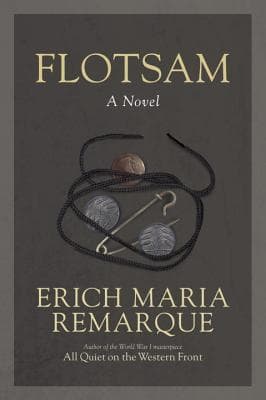
In Nazi Europe's shadow, two displaced men navigate a relentless, border-hopping existence, finding unexpected love and humanity amidst their struggle for survival.
The novel opens by introducing Josef Steiner and Ludwig Kern, two of the many stateless refugees crossing Europe in the late 1930s. They are always moving, having overstayed their two-week visa in Czechoslovakia and now facing expulsion. Kern, a young medical student, and Steiner, a former journalist, share a common problem: no country will grant them permanent asylum, and they are constantly escorted from one border to the next. They live hand-to-mouth, selling small items like shoelaces and safety pins, always aware that their meager existence can be uprooted by a border guard or a change in rules. Their journey is a cycle of temporary safety and inevitable expulsion, showing the dehumanizing reality of being stateless.
Steiner and Kern find a brief, uncertain haven in Vienna, where they meet other exiles. Among them are Marill, an older, cynical man who has been a refugee for years, and a young woman named Ruth Holland, who shares their plight. These encounters provide moments of camaraderie and shared understanding in an otherwise hostile world. They pool their meager resources and offer each other support, forming a makeshift family. However, even these small communities are fragile, always threatened by surveillance and the danger of discovery and deportation. Their time in Vienna, though offering some solace, highlights the impermanence of their situation, always watching for the next threat.
During their time in Vienna, Josef Steiner meets Ruth Holland, a young Jewish woman also adrift and stateless. Ruth, like Steiner and Kern, is an exile, her family having been persecuted. They quickly form a deep connection, drawn together by their shared vulnerability and longing for stability. Ruth offers hope and a possibility of love amid the despair. Steiner, hardened by his experiences, finds himself protective of Ruth, and their relationship becomes a central emotional anchor in his life. Their growing affection contrasts with the harsh realities of their existence, providing a glimpse of humanity and intimacy in a world stripped of both.
Driven by the dream of finding a more permanent refuge, Steiner, Kern, Ruth, and Marill decide to go to Paris. Paris is a symbol of freedom and a place where they might live without constant fear of deportation. The journey itself is dangerous, requiring them to cross borders illegally, rely on strangers, and evade authorities. They face hunger, cold, and the constant psychological strain of uncertainty. Each step towards Paris shows their resilience and desperate hope for a better future, even as Nazi Germany's shadow grows over Europe.
Upon arriving in Paris, Steiner, Kern, and Ruth find that life is still difficult. While Paris offers anonymity, they remain undocumented and must live in the shadows. They take odd jobs, often exploitative and poorly paid, to survive. Steiner, with his journalistic background, struggles to find legitimate work, while Kern tries to continue his medical studies secretly. Ruth also works to support herself. They frequent cafes and soup kitchens, mingling with other refugees and outcasts, always aware of their uncertain legal status. Despite Paris's cultural life, their personal world remains one of constant vigilance and struggle.
The bond between Josef Steiner and Ruth Holland deepens into love. Their relationship becomes a vital source of strength and meaning in their desolate lives. They find solace and joy in each other's company, sharing meager meals and dreaming of a future they can barely imagine. Their love story contrasts with the dehumanizing forces of their statelessness, showing the human need for connection and intimacy even in extreme adversity. Steiner's protective instincts towards Ruth intensify, and he becomes determined to secure a stable life for them, a nearly impossible task given their circumstances.
Ludwig Kern, increasingly frustrated by his inability to pursue his medical studies legitimately, becomes desperate. He faces the harsh reality that his dreams are unattainable as a stateless person. The constant struggle for survival and the lack of a future weigh heavily on him. He decides to leave Paris, believing he might have better luck finding a place where he can continue his education, even if it means further risk. Kern's departure highlights the individual struggles and different paths taken by refugees, each seeking their own solution to an intractable problem. His decision shows the fragmentation and despair in their situation.
Marill, the older, experienced refugee, is a mentor and a source of cynical wisdom for Steiner and Ruth. He has seen it all, having been an exile for many years, and understands the futility of many of their hopes. His outlook is grim but realistic, often providing a sobering counterpoint to their youthful optimism. Marill's character embodies the long-term toll of statelessness. Eventually, Marill succumbs to his circumstances, through illness, despair, or the relentless pressure of his existence. His fate is a stark reminder of the harsh realities and fragility of life for those without a country.
As the political climate in Europe worsens, with World War II approaching, the situation for refugees like Steiner and Ruth becomes more perilous. Nazi Germany's influence spreads, and borders tighten, making escape or finding safe haven nearly impossible. French authorities, under pressure, crack down harder on undocumented immigrants, leading to more arrests and deportations. The fragile peace Steiner and Ruth found in Paris is shattered by the encroaching global conflict, forcing them to confront new dangers, as their status as 'enemy aliens' or 'undesirables' makes them targets.
Facing immediate danger and the threat of Ruth's deportation, Josef Steiner makes a desperate choice. To protect Ruth and secure some temporary stability for her, he decides to turn himself in to the authorities, hoping that by sacrificing his own freedom, he might buy her time or a path to safety. This act shows his deep love and commitment to Ruth, demonstrating the lengths individuals will go to protect loved ones in dire circumstances. It is a self-sacrificing gesture born from the extreme pressures of their stateless existence and the escalating political crisis.
After Steiner's sacrifice, Ruth is left to navigate the world alone, carrying the weight of his love and the memory of their shared struggle. She continues her fight for survival, now with stronger resolve, fueled by Steiner's final act of protection. Ruth embodies the resilience of the human spirit, determined not to let their experiences be in vain. Her journey shows enduring hope and the strength found in love, even when faced with loss and ongoing persecution. She represents the thousands who survived, carrying the stories of those who didn't.
The novel concludes without a definitive resolution for all characters, emphasizing the ongoing and often unresolved plight of refugees. While some may find temporary safety or make difficult compromises, the overarching theme remains the lasting impact of statelessness. The characters' journeys highlight the loss of identity, dignity, and belonging that comes with being 'flotsam' on the tides of history. The ending shows that even if physical survival is achieved, the psychological scars and the longing for a true home persist, leaving a somber impression of the human cost of political upheaval and persecution.
The Protagonist
Steiner evolves from a detached survivor to a man deeply committed to protecting Ruth, ultimately making a profound sacrifice for her safety.
The Protagonist/Love Interest
Ruth transforms from a vulnerable refugee into a strong survivor, carrying the legacy of love and resistance.
The Supporting
Kern's arc shows the erosion of youthful optimism under the relentless pressure of statelessness, leading to a desperate search for a place to fulfill his ambitions.
The Supporting
Marill's arc is largely static, representing the unchanging reality of long-term exile and eventually succumbing to its toll.
The Antagonists
Not applicable as they are a collective force, their role remains consistent as an oppressive societal mechanism.
The Supporting
Not applicable; a static character representing human kindness.
The Mentioned
Not applicable; a collective, unseen presence.
The central theme explores the psychological and physical toll of being stateless. Stripped of nationality, identity, and legal rights, characters like Steiner and Kern are reduced to 'flotsam,' drifting without belonging. Remarque shows how this status leads to constant fear, hunger, and loss of dignity. Scenes of border crossings and the arbitrary power of officials (e.g., when Steiner and Kern are repeatedly expelled from countries) highlight the dehumanizing effect of being denied a home. The characters' desperate attempts to find even temporary sanctuary underscore the human need for belonging and recognition, which is denied to them.
“A man without papers is a man without a country, and a man without a country is nothing.”
Despite despair and cruelty, the novel emphasizes the power of human connection, especially through the love between Josef Steiner and Ruth Holland. Their relationship is a beacon of hope and a source of strength against a collapsing world. Their shared moments of tenderness, solace, and sacrifice (e.g., Steiner's ultimate act to protect Ruth) show that even in inhumane conditions, love, compassion, and the will to protect others can persist. This theme highlights humanity's capacity for kindness and intimacy even when society fails its most vulnerable members, suggesting these connections are vital for survival.
“Love was not a luxury; it was the last refuge of the hunted.”
The characters in 'Flotsam' cling to fragile hopes—the hope of reaching Paris, of finding work, of securing papers. However, these hopes are constantly undermined by the harsh realities of their situation and Europe's political turmoil. The illusion of safety is repeatedly shattered, as seen when their brief respites in various cities are cut short by new rules or the threat of war. Even Paris, initially seen as a haven, proves to be a precarious existence for undocumented refugees. This theme shows the transient nature of peace and security for the displaced, highlighting how their lives are always subject to external forces beyond their control.
“Every morning was a reprieve, every evening a miracle.”
Statelessness strips individuals not only of their legal rights but also of their personal identity and purpose. Kern, a promising medical student, cannot pursue his studies, while Steiner, a journalist, cannot practice his profession. Their skills and past lives become irrelevant in their struggle for basic survival. This theme explores how forced displacement erodes one's sense of self and future, reducing individuals to mere 'existence.' The constant need to adapt and hide prevents them from living authentically or contributing to society in meaningful ways, showing the psychological damage inflicted by the loss of a recognized identity.
“We were not men, we were numbers, and numbers could be erased.”
The perpetual, aimless movement of the characters symbolizes their statelessness and lack of belonging.
The constant physical journey of Steiner, Kern, and Ruth across borders and through various European cities is a central plot device. This perpetual movement is not one of exploration or discovery, but of forced displacement and evasion. It symbolizes their statelessness, their lack of a fixed home, and the arbitrary nature of national borders. The journey highlights the physical and psychological toll of being perpetually 'on the road,' unable to settle, and constantly at the mercy of external forces. It also underscores the fleeting nature of any sanctuary they find, as they are always moving from one precarious situation to the next.
The title itself symbolizes the characters as debris cast adrift by the tides of political upheaval.
The title 'Flotsam' is a powerful symbolic device. It refers to wreckage or cargo found floating on the sea after a shipwreck, implying that the characters are like debris, cast adrift and unwanted by the turbulent political currents of pre-WWII Europe. This metaphor underscores their dehumanized status, their lack of control over their own destinies, and their constant vulnerability to the whims of nations and authorities. It highlights their precarious existence, without roots or destination, simply surviving as best they can while being tossed about by forces beyond their control.
The cafes and temporary meeting places serve as small, fragile havens and reflections of the refugee community.
Throughout the novel, cafes, soup kitchens, and other temporary meeting places function as significant plot devices. These locations become microcosms of the refugee experience, offering brief respites, opportunities for camaraderie, and places to exchange information or find illicit work. They are spaces where the characters can temporarily shed their anonymity and find a sense of community, however fragile. These havens contrast sharply with the hostile outside world, emphasizing the constant search for moments of normalcy and human connection amidst overwhelming adversity. They highlight the resilience of the human spirit in creating community even in exile.
Brief glimpses into the characters' past lives underscore what they have lost.
Remarque occasionally employs brief flashbacks or reminiscences, particularly for Steiner, to provide glimpses into the characters' lives before they became refugees. These moments serve as a poignant plot device, highlighting the stark contrast between their former identities (e.g., Steiner as a journalist, Kern as a medical student) and their current degraded circumstances. They underscore the profound loss of status, profession, and personal history that comes with statelessness, emphasizing not just what they are enduring, but what they have been forced to abandon. These recollections deepen the characters' emotional resonance and the reader's understanding of their tragedy.
“Humanity has always been divided into two classes: those who have and those who have not. The have-nots are the ones who make history.”
— A reflection on the nature of society and revolution.
“Loneliness is the most terrible poverty.”
— A character contemplating the emotional struggles of being an outcast.
“Hope is a good breakfast, but it is a bad supper.”
— A cynical observation about the fleeting nature of hope in difficult times.
“The past is never dead. It's not even past.”
— Discussing how past traumas and experiences continue to influence the present.
“Courage is fear holding on a minute longer.”
— A character's internal definition of bravery when facing danger.
“It is better to be unhappy with the truth than happy with a lie.”
— A philosophical statement on the value of honesty and self-deception.
“War makes men mad, but peace makes them forget.”
— Reflecting on the cyclical nature of conflict and human memory.
“Every man has his breaking point. The trick is to find it and push past it.”
— A character's grim determination to survive against overwhelming odds.
“To forget is to forgive. But to remember is to live.”
— Contemplating the balance between moving on and acknowledging past experiences.
“The greatest prison people live in is the fear of what other people think.”
— An observation about societal pressures and individual freedom.
“Happiness is a brief spell, a respite between sorrows.”
— A somber view of happiness as a fleeting state amidst life's hardships.
“Even in the darkest night, there are stars.”
— A moment of hope amidst despair, reminding of enduring beauty.
“The world is a dangerous place, not because of those who do evil, but because of those who look on and do nothing.”
— A call to action against indifference and inaction.
“You can survive anything if you know how to breathe.”
— A simple yet profound statement about finding inner strength and calm.
Ready to see how well you understood this book? Take our interactive quiz with 10 questions.
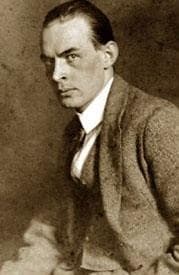
Erich Maria Remarque was a German-born novelist. His landmark novel All Quiet on the Western Front (1928), based on his experience in the Imperial German Army during World War I, was an international bestseller which created a new literary genre, and was adapted to film several times. Remarque's anti-war themes led to his condemnation by Nazi propaganda minister Joseph Goebbels as "unpatriotic". He was able to use his literary success to relocate to Switzerland and the United States, where he became a naturalized citizen.







