“Darrell Rivers had a quick temper, as you know. It was one of her chief faults.”
— Introducing Darrell's main character flaw early in the book.


Enid Blyton (1967)
Genre
Children's / Young Adult
Reading Time
160 min
Key Themes
See below
Sign in to track this book
Amidst the clifftop winds of Malory Towers, fiery Darrell Rivers navigates friendships, pranks, and the daunting journey of fitting in, all while discovering the true meaning of school spirit.
Darrell Rivers arrives at Malory Towers, a boarding school on a cliff overlooking the sea. She is eager to start her new life but immediately notices the school's atmosphere and the personalities of her new classmates in the North Tower First Form. She quickly befriends Sally Hope, a quiet and sensible girl who is initially reserved but proves to be a loyal friend. Darrell's enthusiasm often gets the better of her, leading to early struggles with self-control, particularly her quick temper. She wants to do well but finds the transition to boarding school life both exciting and challenging.
Darrell quickly forms a strong bond with Sally Hope and takes a protective liking to the timid Mary-Lou, a small, easily frightened girl. However, she also encounters Gwendoline Lacey, a spoiled and selfish girl who frequently complains and tries to shirk her responsibilities. Alicia Johns, a clever and mischievous girl, becomes another prominent figure, often playing pranks and getting into trouble, which sometimes involves Darrell. Darrell's impulsive nature leads to a few early misunderstandings and minor arguments, particularly when she feels a sense of injustice or when her temper flares up unexpectedly, causing her to lash out at others.
Darrell's biggest challenge is her fiery temper, which she struggles to control. During a moment of frustration, provoked by Alicia's teasing and a misunderstanding over a lost fountain pen, Darrell loses control completely. In a fit of rage, she pushes Alicia, causing her to fall and injure her wrist. This incident deeply shames Darrell, who is horrified by her own actions. The school authorities, including Miss Grayling and Miss Potts, are informed, and Darrell faces consequences for her behavior, including a temporary suspension from games and a period of disgrace among her peers.
Following the incident with Alicia, Darrell is consumed by remorse and shame. She sincerely apologizes to Alicia and makes an effort to control her temper. This period is difficult for her, as she feels isolated and judged. However, Sally and Mary-Lou remain loyal friends, offering support and understanding. Darrell's genuine regret and her visible efforts to change her behavior gradually earn her the forgiveness of Alicia and the respect of her classmates and teachers. This experience marks a turning point in her character development, as she learns the painful but vital lesson of self-discipline.
Gwendoline Lacey continues to be a source of minor irritation, complaining about school food, trying to avoid chores, and generally being self-pitying. Her laziness and lack of consideration for others often lead to her getting into minor scrapes. In contrast, the timid Mary-Lou, despite her initial fears, begins to show courage. During a school trip to the cliffs, Gwendoline almost falls, and it is Mary-Lou who, despite her own fear of heights, bravely calls for help and tries to assist, showing a budding strength of character that surprises her classmates.
The girls, led by Alicia and Darrell, decide to organize a traditional midnight feast in their dormitory. They pool their resources, smuggling in treats and preparing for a secret gathering after lights out. The feast is a great success, creating camaraderie and fun among the girls. However, they are eventually discovered by Miss Potts, the form mistress, due to the noise and a dropped plate. While they face a reprimand and some minor consequences, the incident is treated with understanding, acknowledging the harmless fun and bonding it provided, rather than as a serious rebellion.
Alicia Johns, known for her sharp wit and love of mischief, frequently devises pranks and tricks. While often amusing, her antics sometimes cause trouble for the First Form, leading to scoldings from Miss Potts and Miss Grayling. Darrell often finds herself caught up in Alicia's schemes, sometimes willingly, sometimes reluctantly. Despite the occasional disciplinary action, Alicia's cleverness is admired by her peers, and her pranks are often a source of entertainment, though they show the need for the girls to learn responsibility and respect for rules.
As the first term at Malory Towers draws to a close, Darrell reflects on her experiences. She has made firm friends, learned lessons about self-control, and adapted to the routines of boarding school life. Her temper is still a challenge, but she has learned strategies to manage it and understands the importance of thinking before acting. The girls celebrate the end of term with games and goodbyes, looking forward to the holidays and their return for the next term. Darrell leaves Malory Towers feeling more mature and self-aware, ready to continue her journey of growth and friendship.
The Protagonist
Darrell learns to confront and control her impulsive temper, moving from a girl prone to violent outbursts to one who strives for self-discipline and thoughtfulness.
The Supporting
Sally remains a constant, reliable friend, her quiet steadfastness providing an anchor for Darrell's development.
The Supporting
Alicia continues to be mischievous but shows a capacity for forgiveness and good sportsmanship.
The Antagonist/Supporting
Gwendoline remains largely unchanged, illustrating the difficulty of overcoming ingrained selfishness without genuine effort.
The Supporting
Mary-Lou begins to overcome her timidity, showing nascent signs of courage and self-reliance.
The Supporting
Miss Grayling consistently upholds the school's values, guiding students with wisdom and firmness.
The Supporting
Miss Potts consistently provides guidance and discipline, helping the First Form girls adjust to school life.
The Supporting
Irene remains brilliant but absent-minded, a consistent source of academic talent and gentle amusement.
The Mentioned
N/A
The most prominent theme is Darrell's struggle to control her fiery temper and impulsive nature. The incident where she pushes Alicia is a clear demonstration of the consequences of losing self-control. Through remorse, guidance from Miss Grayling and Miss Potts, and her own conscious effort, Darrell learns the lesson of thinking before acting. This theme is central to her character arc, showing that true strength comes from inner discipline rather than unchecked passion, laying the foundation for her future growth as a responsible individual.
“Darrell knew she ought to count ten, but before she had counted one, her temper had got the better of her.”
The formation and testing of friendships are important to the story. Darrell finds unwavering loyalty in Sally Hope and develops a protective bond with Mary-Lou. These friendships provide emotional support, especially during Darrell's period of disgrace after the Alicia incident. Even with Alicia, a friendship develops despite their initial clash. The midnight feast is a prime example of the bonding and camaraderie that define the girls' relationships, showing how shared experiences, both good and bad, strengthen their connections and create a supportive community within the school.
“A friend in need is a friend indeed, and Sally certainly proved herself to be that.”
The book explores the challenges and rewards of adapting to a new environment, specifically boarding school life. Darrell, along with her classmates, must learn to navigate new routines, rules, and social dynamics. This theme is evident in Gwendoline's inability to adapt, contrasting with Darrell's eventual success. Each girl, in her own way, is learning to grow up, take responsibility, and find her place within a larger community. The school itself acts as a place for character development, encouraging independence and resilience in its pupils.
“Malory Towers was going to be a wonderful place, Darrell thought, but it was certainly going to take some getting used to.”
The narrative consistently shows that actions have consequences, both positive and negative. Darrell's push of Alicia leads to injury and her own deep shame and temporary disgrace. This event forces her to confront her responsibility and learn accountability. Similarly, Alicia's pranks sometimes lead to disciplinary action, and Gwendoline's laziness results in her being disliked. The school system, under Miss Grayling and Miss Potts, ensures that girls understand the repercussions of their choices, teaching them to be responsible members of their community.
“You must learn that a bad temper can cause a great deal of unhappiness, Darrell, not only to others but to yourself.”
A contained environment for character development and social interaction.
The Malory Towers boarding school serves as a microcosm where girls from diverse backgrounds are brought together. This setting facilitates intense friendships, rivalries, and character development, as the girls learn to live independently and within a community structure. The enclosed nature of the school means that conflicts and triumphs are magnified, allowing for focused exploration of themes like self-control, friendship, and responsibility without external distractions. The routines, rules, and shared experiences inherent in a boarding school environment are central to the plot's progression and the girls' growth.
Contrasting personalities to highlight character traits.
Enid Blyton extensively uses foil characters to emphasize specific traits. Gwendoline Lacey, with her selfishness and complaining nature, acts as a foil to Darrell's underlying good heart and Sally's steadfastness, highlighting the virtues of resilience and consideration. Similarly, the timid Mary-Lou provides a contrast to Darrell's initial boisterousness, and Alicia's mischievousness balances Darrell's more serious struggles. These contrasts allow the reader to better understand the strengths and weaknesses of the main characters and the moral lessons being conveyed.
A focused character flaw and its resolution as the primary plot driver.
Darrell's uncontrollable temper is not merely a character trait but a central plot device that drives much of the narrative. Its initial manifestation (pushing Alicia) creates the main conflict and subsequent emotional journey for Darrell. The struggle to overcome this flaw provides the primary character arc for the protagonist in this first book. Her efforts to manage her temper, the consequences of her outbursts, and her eventual progress towards self-control form the backbone of the plot, making it a powerful tool for demonstrating personal growth and the theme of discipline.
“Darrell Rivers had a quick temper, as you know. It was one of her chief faults.”
— Introducing Darrell's main character flaw early in the book.
“It's all very well for you to say 'don't be silly,' but I'm going to be expelled, I know it!”
— Gwendoline Lacey's dramatic reaction to a minor transgression, often exaggerating the consequences.
“The first term at a new school is always a bit frightening, but it soon passes.”
— A reassuring thought about starting school, reflecting a common experience.
“Malory Towers was a school of four towers, built on the side of a cliff, overlooking the sea.”
— A description of the iconic school setting.
“It was impossible to be cross with Sally, because she was so calm and sensible.”
— Describing Sally Hope's steady and calming influence on others.
“She looked at the girls with shining eyes. 'Oh, what fun it's going to be!'”
— Alicia Johns' enthusiastic outlook on school adventures and mischief.
“You can't go through life losing your temper every time things don't go your way.”
— A piece of advice given to Darrell about controlling her temper.
“The midnight feast was the best part of the evening.”
— A common and beloved tradition in boarding school stories, often a highlight for the girls.
“It's not what you say, it's what you do that matters.”
— A lesson learned about actions speaking louder than words.
“She was an untidy girl, and her books were always falling out of her locker.”
— Describing Mary-Lou, who struggles with tidiness but is sweet-natured.
“There are always new things to learn, even if you think you know everything.”
— A subtle message about humility and continuous learning, applicable to first-term students.
“Kindness is more important than cleverness sometimes.”
— A value highlighted in the school, especially when contrasting characters like Alicia and Mary-Lou.
“She looked forward to the next term, knowing she had made true friends.”
— Darrell reflecting on her first term and the friendships formed.
“The wind howled round the towers, and the sea crashed on the rocks below.”
— Evocative imagery of the Malory Towers setting, emphasizing its dramatic location.
Ready to see how well you understood this book? Take our interactive quiz with 10 questions.
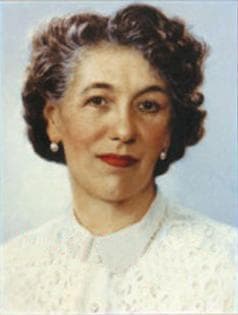
Biography coming soon.

Dan Gemeinhart
4.5

Kate O'Hearn
4.4

Jeanne Birdsall
4.4

Jen Wang
4.4

Wendelin Van Draanen
4.3

John Marsden
4.3

Chris Van Allsburg
4.3
Jennifer A. Nielsen
4.2