“I was born to fly. We all were. And we are not going to let anyone clip our wings.”
— Fang's determination to live freely, reflecting the core theme of the flock's struggle.


James Patterson (2010)
Genre
Fantasy / Science Fiction / Young Adult / Romance
Reading Time
300 min
Key Themes
See below
Sign in to track this book
With an apocalypse looming and a prophecy foretelling her soulmate's demise, winged teen Max must protect Fang while navigating a mysterious billionaire's scrutiny and the ever-present threat of being torn apart.
The book opens with Max and the Flock, Fang, Iggy, Nudge, Gazzy, and Angel, on a mission in Africa, helping to rescue endangered animals. Their efforts attract the attention of a wealthy man named Dr. Hans Gunther, who shows unusual interest in their abilities. Gunther offers them a luxurious stay at his compound and promises to help them understand their origins. Despite Max's initial mistrust, the Flock, tired from constant running and fighting, accepts his offer, hoping for a break and answers about their creation and the Institute.
While at Dr. Gunther's compound, Angel, with her developing psychic abilities, has a terrifying vision. She prophesies that Fang, Max's closest companion, will be the first of the Flock to die. This revelation shocks the group, especially Max, who is fiercely protective of Fang and has a deep connection with him. The prophecy increases Max's anxieties about their future and the threats they face, making her even more possessive of Fang and straining their dynamic.
During their time at Gunther's compound, the Flock uncovers disturbing information about the Institute's latest plan. They learn that their creators are developing a deadly airborne pathogen, meant to wipe out a large part of the human population. This revelation shifts their focus from personal safety to a global crisis, realizing they are the only ones who can stop this catastrophic plan. The scale of the threat is unprecedented, forcing them to consider the ultimate stakes of their battle against the Institute and their responsibility to humanity.
Angel's prophecy about Fang's death intensifies the unspoken romantic tension between Max and Fang. Max, realizing how much she stands to lose, becomes aware of her deep love for him. This realization is both exciting and terrifying, as the threat of his death looms. Their interactions become charged with emotional urgency, leading to moments of intimacy. Max struggles with the desire to protect him at all costs while also wanting to experience their connection before it might be too late, creating internal conflict in their relationship.
Despite his initial kind appearance, Dr. Gunther's true, sinister agenda is exposed. He is not merely a benefactor but a former Institute scientist with his own twisted plans for the Flock. He intends to use them for his research and to manipulate them into fulfilling a darker purpose related to the global catastrophe the Institute is planning. This betrayal forces the Flock to flee his compound, realizing they have walked into another trap. The revelation shatters any hope they had for a safe haven and reinforces their deep distrust of adults.
With the Institute's plan to unleash a deadly virus becoming imminent, the Flock searches desperately for a way to stop it. They realize that the virus targets specific genetic markers, and their unique genetic makeup might hold the key to a cure or resistance. Their journey takes them to various locations, including abandoned labs and secret facilities, as they try to understand the Institute's biological warfare. The urgency of their mission weighs heavily on them, pushing their physical and emotional limits as they face constant danger.
In a confrontation with the Institute's forces, Fang makes a selfless sacrifice to protect Max and the rest of the Flock. He faces overwhelming odds, allowing the others to escape or complete a critical part of their mission, seemingly fulfilling Angel's prophecy. Max is devastated by his apparent death, falling into grief and despair. His sacrifice leaves a wound in the Flock, challenging their unity and Max's leadership, as she struggles to cope with the loss of her soulmate and the weight of their ongoing fight without him.
In the aftermath of Fang's sacrifice, the Flock is shattered. Max is consumed by grief, struggling to lead. However, the remaining members, Iggy, Nudge, Gazzy, and Angel, rally around her, reminding her of their shared purpose and the importance of continuing their fight against the Institute. They mourn Fang but find strength in their bond and their determination to prevent the global catastrophe. A glimmer of hope appears as they discover clues that suggest Fang might not be entirely gone, or that his sacrifice has opened new avenues for their resistance.
As the Flock continues its mission, they uncover more details about the Institute's virus. It is not just about population control; it is also designed to accelerate the evolution of a new, genetically engineered human species, with the Flock being a prototype. They also meet an unexpected ally: a scientist who was formerly involved with the Institute but has had a change of heart. This individual provides crucial information and resources, helping the Flock understand the virus and the Institute's ultimate goals, offering an advantage in their difficult fight.
Armed with new information and a fragile hope, Max and the Flock create a desperate, high-stakes plan to infiltrate the Institute's primary facility and stop the release of the deadly virus. This plan requires immense coordination, individual sacrifices, and the full use of each member's abilities. They know failure means global devastation. The mission is dangerous, forcing them to confront their deepest fears and push their limits. The fate of humanity rests on their winged shoulders as they prepare for the ultimate confrontation.
The Protagonist
Max evolves from a purely protective leader to one who grapples with her romantic feelings for Fang and embraces a broader responsibility for humanity, even as she faces profound personal loss.
The Supporting/Romantic Interest
Fang's arc centers on his developing relationship with Max, his selfless dedication to the Flock, and his willingness to make the ultimate sacrifice, seemingly fulfilling a dark prophecy.
The Supporting
Iggy maintains his role as a crucial, resourceful member of the Flock, his disability never hindering his effectiveness, rather highlighting his adaptability and loyalty.
The Supporting
Nudge continues to be the inquisitive and emotionally resonant member, growing in her understanding of the world's dangers while retaining her hopeful spirit.
The Supporting
Gazzy remains a brave and resourceful younger member, his youthful energy and surprising skills proving vital in critical moments.
The Supporting
Angel's psychic abilities continue to expand, making her an indispensable, albeit sometimes frightening, asset, and her prophecies drive significant plot points.
The Antagonist
Gunther's arc is one of deception and revealed villainy, shifting from a seemingly helpful figure to a clear antagonist with his own distinct, dangerous agenda.
The Antagonist
The Institute continues its role as the primary antagonist, escalating its threat from pursuing the Flock to planning a global biological catastrophe, solidifying its position as the ultimate evil.
The theme of love and sacrifice is central, particularly through Max and Fang's relationship. Angel's prophecy about Fang's death forces Max to confront her deep feelings for him, leading to intense emotional moments and a desperate desire to protect him. Fang's apparent sacrifice to save the Flock exemplifies selfless love, showing that true love often requires immense personal cost. This theme is not only romantic but also extends to the familial love within the Flock, as each member is willing to risk their lives for the others in their fight against the Institute and the deadly virus.
“Sometimes, the only way to save the ones you love is to let them go. Or, even worse, to watch them go.”
Max constantly deals with the burden of leading her family. She is responsible for their safety, their choices, and their survival. This burden is made worse by Angel's prophecy, which places an unbearable weight on Max to protect Fang. She questions her decisions, fears failure, and often feels isolated in her role. The narrative explores the psychological toll of leadership, especially when faced with impossible choices and the constant threat of losing those she loves, as seen in her despair after Fang's sacrifice.
“I was the leader. I was supposed to have all the answers. But all I had was a knot of fear in my stomach and a growing sense of dread.”
The Flock, being genetically engineered bird-kids, constantly questions what it means to be human. They have unique abilities but also human emotions, desires, and vulnerabilities. The Institute's plan to unleash a virus and create a 'new' humanity forces the Flock to consider their own place among species. Are they monsters, saviors, or merely experiments? Their fight to protect 'normal' humans, despite being hunted by them, highlights their humanity and moral compass, contrasting sharply with the inhumanity of their creators.
“We weren't human, not really. But if saving humanity made us human, then maybe we had a chance.”
Angel's prophecy about Fang's death introduces a conflict between prophecy and free will. Max's desperate attempts to prevent the prophecy from coming true drive much of her actions and internal struggle. The question arises: can fate be defied, or are their lives predetermined? Fang's sacrifice appears to fulfill the prophecy, leaving Max to question whether their efforts were useless or if his actions were a conscious choice despite the foretelling. This theme explores the psychological impact of knowing a dark future and the struggle to either accept it or fight against it.
“Angel said it would happen. But I couldn't just stand by and let it.”
Angel's precognitive vision foretelling Fang's death.
Angel's dire prophecy that Fang will be the first to die serves as a major plot driver and a source of intense dramatic tension. It creates immediate stakes for Max and Fang's relationship, forcing Max to confront her feelings and become fiercely protective. The prophecy acts as a ticking clock, adding urgency to the Flock's actions and foreshadowing a significant loss. It also introduces an element of predestination versus free will, as Max desperately tries to prevent it, only for it to seemingly come true, amplifying the emotional impact of Fang's sacrifice.
The deadly airborne pathogen created by the Institute.
The Institute's plan to unleash a deadly airborne virus acts as the primary MacGuffin in 'Fang.' It is the central object of desire (to stop it) and the main catalyst for the Flock's actions, shifting their focus from personal survival to global responsibility. The virus provides a clear, urgent objective for the protagonists and raises the stakes significantly, transforming their fight against the Institute into a mission to save humanity. Its existence drives the plot forward, forcing the Flock into dangerous confrontations and desperate searches for a cure or a way to neutralize it.
Dr. Gunther's deception and hidden agenda.
Dr. Gunther's initial benevolent facade and subsequent betrayal serve as a significant plot device. His offer of sanctuary and answers creates a false sense of security for the Flock, only to pull the rug out from under them. This betrayal reinforces the Flock's deep-seated distrust of adults and authority figures, complicates their journey, and adds another layer of antagonism. It highlights the pervasive nature of the threats they face and the difficulty in discerning allies from enemies, pushing them further into self-reliance and solidifying their bond.
The ambiguous resolution of Fang's apparent death.
The book concludes with Fang's apparent sacrifice, leaving his ultimate fate ambiguous. While he seemingly fulfills Angel's prophecy, there are often subtle hints or a lack of definitive proof of death, creating a classic cliffhanger. This device leaves the reader questioning whether Fang is truly gone or if he might return, generating anticipation for the next installment. It amplifies the emotional impact of his 'death' while also providing a glimmer of hope, ensuring continued engagement with the series and its central romantic tension.
“I was born to fly. We all were. And we are not going to let anyone clip our wings.”
— Fang's determination to live freely, reflecting the core theme of the flock's struggle.
“Sometimes the only way to save someone is to let them go.”
— A difficult realization Fang has about the choices his friends make.
“We were a family, not by blood, but by wing and claw and the absolute refusal to give up on each other.”
— Fang reflecting on the bond within the flock.
“There's a difference between living and just existing.”
— Fang contemplating the meaning of their fight for survival and purpose.
“You can't outrun your past, but you can learn from it.”
— Fang's internal struggle with his own history and the choices he's made.
“Hope is a dangerous thing. It can drive you crazy. But it can also keep you alive.”
— Fang's perspective on the double-edged sword of maintaining hope in dire situations.
“The hardest battles are often fought within ourselves.”
— Fang grappling with his own inner demons and responsibilities.
“Love isn't always easy, and it definitely isn't always fair. But it's always worth it.”
— Fang's thoughts on his complex relationship with Max and the sacrifices involved.
“Even heroes get scared. The difference is, they don't let it stop them.”
— Fang acknowledging his own fears while still pushing forward.
“Sometimes, the only way to find your way is to get completely lost first.”
— Fang's journey of self-discovery amidst chaos and uncertainty.
“We may be broken, but we're not defeated.”
— A defiant statement from Fang about the flock's resilience despite their hardships.
“Silence can be louder than any scream.”
— Fang observing the weight of unspoken truths and emotions.
“The world isn't black and white. There are a lot of shades of gray, and sometimes, that's where the real monsters hide.”
— Fang's growing understanding of moral ambiguities and the complexities of good and evil.
“You can't choose your family, but you can choose who you fight for.”
— Fang's commitment to the flock, emphasizing loyalty over biological ties.
Ready to see how well you understood this book? Take our interactive quiz with 10 questions.
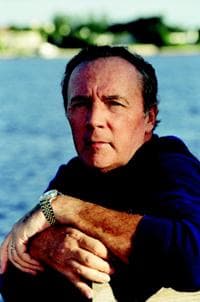
Biography coming soon.







