“The world isn't always fair, and sometimes the good guys don't win. But that doesn't mean you stop fighting.”
— A character offering a harsh but important lesson about perseverance.

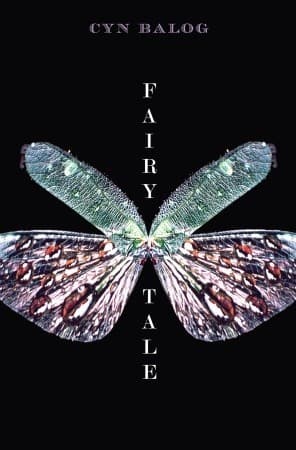
Cyn Balog (2009)
Genre
Fantasy / Young Adult / Romance
Reading Time
165 min
Key Themes
See below
Sign in to track this book
A teenage girl's perfect romance shatters when her boyfriend reveals his true identity as a changeling fairy prince, forcing them to defy an ancient magical claim to their love and future.
Morgan Sparks, a typical high school girl, is deeply in love with her boyfriend, Cam. Their relationship is stable and comfortable, built on shared history and mutual affection. Their lives are routine until Cam's estranged cousin, Pip, comes to stay with his family. Pip's arrival immediately introduces an unsettling atmosphere. Cam becomes increasingly withdrawn and melancholic, a stark contrast to his usual cheerful demeanor. Morgan notices these changes and is concerned, but Cam initially dismisses her worries, attributing his mood to typical family stress with Pip. However, the emotional shift in Cam is too significant to ignore, foreshadowing a deeper, more extraordinary secret that is beginning to surface.
Unable to bear the burden alone, Cam finally confides in Morgan, revealing a truth that shatters her understanding of their world. He explains that he is a changeling, a human baby swapped by fairies with one of their own at birth. This revelation is linked to Pip, who is not a human cousin but a fairy sent to observe and guide Cam. Cam further explains that his biological fairy brother, the true heir to the fairy throne, died, leaving Cam as the unexpected successor. The fairies now demand his return to claim his rightful place as their king, a destiny he dreads but cannot escape, as his human body is slowly deteriorating.
As Cam grapples with his impending return to the fairy realm, his physical body begins to undergo a distressing transformation. He experiences extreme fatigue, a loss of appetite, and a general weakening of his human form. His skin becomes paler, and his eyes, once vibrant, now hold a distant, almost ethereal quality. These changes are not just superficial; they are a direct consequence of his true fairy nature asserting itself, slowly rejecting the human vessel he has inhabited for so long. Morgan witnesses this deterioration firsthand, which solidifies the reality of his claims and intensifies her fear of losing him.
Determined to fight against his fairy destiny and remain with Morgan, Cam, with her unwavering support, devises a desperate plan. Their goal is to somehow fool the fairies into believing he is not suitable to be their king, thus allowing him to stay in the human world. They discuss various strategies, from feigning incompetence to creating a distraction, hoping to exploit any loophole in fairy law. This plan becomes their shared mission, a symbol of their commitment to each other against seemingly insurmountable odds. Morgan's love for Cam fuels her resolve to help him, even as the situation grows increasingly perilous.
Pip, who is revealed to be a powerful fairy, acts as both an observer and a reluctant guide for Cam. While he respects Cam's desire to remain human, he also understands the immutable laws of the fairy world. Pip provides crucial information about fairy customs, the nature of their magic, and the severe repercussions of defying the fairy council. He explains that the fairy realm is not a place of whimsy but of strict hierarchy and ancient traditions. Pip's warnings, though delivered with a hint of sympathy, underscore the gravity of Cam's situation and the immense power of the forces arrayed against him and Morgan.
The ongoing physical and emotional changes in Cam begin to strain his relationship with Morgan. He becomes more distant, his thoughts increasingly preoccupied with the fairy world he is being drawn into. Morgan, while still loving him deeply, finds herself struggling to connect with the person he is becoming. She starts to question if their love can truly bridge the chasm between two worlds, especially as Cam's human qualities fade and his fairy essence emerges. This growing divide introduces a painful uncertainty into their once-unbreakable bond, forcing Morgan to confront the potential reality of a future without the Cam she knows.
Through Pip's subtle demonstrations of magic and Cam's accelerating transformation, Morgan begins to perceive the ethereal beauty and dangerous allure of the fairy realm. She learns about its intricate politics, its ancient history, and the deep differences between fairy and human existence. This exposure, initially through Cam's fading humanity, offers her a glimpse into the world that is claiming him. It's a world both captivating and terrifying, filled with power and responsibility far beyond human comprehension. This new understanding helps her grasp the magnitude of Cam's predicament and the impossible choice he faces.
The time for Cam's decision finally arrives. The fairy council, through Pip, delivers an ultimatum: Cam must return to the fairy realm and accept his destiny as king, or face severe consequences that could endanger both him and those he loves in the human world. The pressure mounts, and Cam is torn between his love for Morgan and his duty to a world he barely knows. This moment of truth forces him to confront the full weight of his heritage and the impossible choice between two lives, two loves, and two destinies. Morgan, too, feels the crushing weight of this decision, knowing it will irrevocably alter their lives.
As Cam's human body continues to fail and his fairy essence grows stronger, Morgan undergoes a deep shift in perspective. She witnesses his suffering in the human world, recognizing that staying human is slowly killing him. She begins to understand that his true self, his true power, and perhaps his true happiness, lie in embracing his fairy heritage. This realization is heartbreaking but also liberating, as it moves her beyond her initial selfish desire to keep him human. She starts to consider what is truly best for Cam, even if it means sacrificing their human love.
In a poignant and emotionally charged scene, Cam makes his final decision. With Morgan's tearful but understanding support, he chooses to accept his role as the Fairy King. This choice is not made lightly; it is a sacrifice of his human life and his love for Morgan in its current form. He embraces his true identity, understanding that his destiny lies in the fairy realm. The farewell between Cam and Morgan is bittersweet, filled with enduring love but also the pain of separation, as Cam fully transitions into his fairy form, ready to rule his people. Morgan is left with the memory of their love and the hope for an uncertain future.
The Protagonist
Morgan evolves from a naive girlfriend focused on her human love to a woman who understands and accepts a greater purpose for Cam, even if it means their separation.
The Protagonist
Cam transforms from a human boy resisting his destiny to an accepting and powerful Fairy King, embracing his true self while cherishing his human memories.
The Supporting
Pip remains largely consistent, acting as an impartial but informative conduit between the two worlds, fulfilling his duty to the fairy realm.
The Supporting/Mentioned
Their character arc is minimal, serving primarily as anchors to Cam's human life and the innocence of the human world.
The Mentioned/Antagonistic Force
The Fairy Council remains a constant, unyielding force, representing the immutable laws of the fairy world.
The central theme is the nature of love and the sacrifices it demands. Morgan and Cam's love is tested by an impossible situation: Cam's destiny as a fairy king. Initially, their love drives them to resist this fate, but as Cam's health deteriorates, Morgan realizes that true love sometimes means letting go and accepting what is best for the beloved, even if it means personal heartbreak. Cam's ultimate choice to embrace his destiny, despite his love for Morgan, is a sacrifice for a greater purpose. This is evident in Morgan's shifting perspective as she watches Cam suffer, moving from a desire to keep him human to understanding his need to fulfill his fairy potential.
“"Maybe love wasn't about holding on so tightly that you broke, but about letting go enough to watch them fly."”
The novel explores the struggle with identity when faced with an inescapable destiny. Cam, having lived his entire life as a human, is suddenly confronted with his true fairy heritage and the responsibility of kingship. He grapples with who he truly is—the human boy Morgan loves, or the powerful fairy heir. His physical transformation mirrors his internal conflict, forcing him to reconcile these two disparate parts of himself. The theme highlights that true identity may not always align with upbringing or personal desire, and that destiny, though daunting, can ultimately lead to self-fulfillment. This is evident in Cam's gradual acceptance of his changing body and his eventual embrace of his role as king, despite his initial resistance.
“"You were born to wear a crown, Cam. No matter how much you wish it wasn't true, it's etched into your very being."”
The story portrays the stark contrast and incompatibility between the human and fairy worlds. The human world represents normalcy, familiar love, and a predictable future, while the fairy realm embodies ancient magic, strict duty, and an ethereal existence. Cam is caught directly between these two worlds, suffering physically and emotionally as his human body is rejected by his true fairy essence. Morgan's journey involves coming to terms with the existence of a world beyond her comprehension, a world that ultimately claims the person she loves. The narrative illustrates the boundaries and distinct natures of these realms, suggesting that some divides are too deep to bridge without significant sacrifice. This is shown through Cam's physical decay in the human world and Pip's explanations of fairy laws.
“"The human world is a fragile shell, Morgan. Our world is ancient, and its laws are unyielding."”
The novel challenges the characters', and by extension the reader's, perception of reality. Morgan's ordinary world is shattered by the sudden revelation of fairies and changelings, forcing her to re-evaluate everything she thought she knew. The existence of a hidden, magical world beneath the surface of everyday life introduces an element of wonder and fear. This theme explores how quickly perceived reality can crumble when confronted with the supernatural, and how individuals adapt to extraordinary truths. Morgan's initial disbelief and subsequent acceptance of Cam's fairy nature exemplify this theme.
“"It was like a curtain had been pulled back, revealing a stage I never knew existed, and everything I thought was real was just a prop."”
A magical substitution of a human baby with a fairy.
The changeling myth is the central plot device, establishing Cam's true identity and the core conflict. It dictates his dual nature and the impending demand for his return. This device creates inherent tension as Cam's human life is fundamentally a temporary state, setting up the inevitability of his transformation and the ultimate choice he must make. It justifies the existence of Pip and the fairy world's claim on Cam, propelling the entire narrative forward.
Cam's human body weakening as his fairy nature emerges.
This device serves as a ticking clock and a visual manifestation of Cam's internal struggle. As Cam's body physically weakens and subtly transforms, it makes his predicament tangible and urgent. It forces Morgan to confront the reality of his situation beyond mere words and underscores the danger of him remaining in the human world. This physical change directly influences Morgan's shift in perspective, making her realize that staying human is detrimental to Cam's survival and well-being.
A fairy sent to inform and escort Cam back to his realm.
Pip acts as the primary conduit between the human and fairy worlds. He provides crucial exposition about fairy lore, laws, and the consequences of defying them. His presence is a constant reminder of Cam's impending destiny and the inescapable nature of the fairy world's demands. Pip's role is to ensure the fairy prophecy is fulfilled, subtly influencing events and offering warnings that shape Cam and Morgan's understanding of their predicament.
A final, non-negotiable demand from the fairy world.
The ultimatum is a classic plot device that creates peak tension and forces the protagonist into an irreversible decision. In this story, it signifies the end of Cam's grace period and the point of no return. It eliminates any possibility of further delay or evasion, making the choice between his human life and his fairy destiny immediate and absolute. This device directly leads to the climax and resolution of Cam's personal conflict.
“The world isn't always fair, and sometimes the good guys don't win. But that doesn't mean you stop fighting.”
— A character offering a harsh but important lesson about perseverance.
“Magic isn't about waving a wand; it's about seeing the extraordinary in the ordinary.”
— A discussion about the true nature of magic in their world.
“Fear can be a powerful motivator, but it can also be a paralyzing cage.”
— A character reflecting on the dual nature of fear.
“Some stories are meant to be told, even if they're dangerous.”
— Justifying the sharing of forbidden knowledge or legends.
“Love isn't a spell you cast; it's a choice you make, every single day.”
— A romantic confession, emphasizing agency in love.
“The forest remembers. It always remembers.”
— A mystical reference to the ancient, sentient nature of the forest.
“Even the darkest night eventually gives way to dawn, if you're brave enough to wait for it.”
— Offering comfort and hope during a difficult time.
“Sometimes the monsters aren't under your bed; they're inside your own head.”
— A character struggling with internal demons or self-doubt.
“A promise made in earnest is a bond stronger than any chain.”
— Emphasizing the importance and weight of a solemn promise.
“You can't outrun your destiny, but you can choose how you face it.”
— A character accepting their fate but asserting their agency.
“The most beautiful things are often the most fragile.”
— A reflection on the delicate nature of certain magical creatures or relationships.
“To truly see someone, you must look beyond what they show you and into what they hide.”
— A moment of deeper understanding between characters.
“Not all wounds are visible, and not all healing is immediate.”
— Discussing the long-term impact of emotional or psychological trauma.
Ready to see how well you understood this book? Take our interactive quiz with 10 questions.







