BookBrief
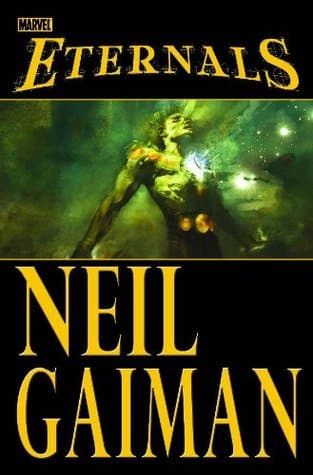
Eternals cover
Archivist's Choice

Eternals

Neil Gaiman (2007)

Genre

Fantasy / Science Fiction

Reading Time

240 min

Key Themes

See below

Track Your Reading

Sign in to track this book

Ancient, powerful beings, tasked with Earth's protection for millennia, awaken to a world that has forgotten their very existence, forcing them to confront not just new threats, but the unsettling void of their erased history.

Synopsis

The Eternals, ancient and powerful beings created by the Celestials, have been living as ordinary humans for centuries, their memories suppressed and their powers dormant. Ikaris, a construction worker, starts having strange visions and fragmented memories, which make him question his reality. At the same time, Sersi, a socialite, finds her own past resurfacing, drawing her into a world she barely understands. As the monstrous Deviants, their old enemies, reappear, led by Kro, the scattered Eternals must reawaken their true selves and reclaim their powers. They soon find that their amnesia is part of a larger cosmic game orchestrated by the manipulative Druig, who wants to control the awakening Dreaming Celestial. Makkari, the fastest Eternal, sets out to communicate with the Celestial, while the other Eternals deal with their divided loyalties between humanity and their cosmic purpose. The return of Zuras, their leader, lets them form the Uni-Mind, a powerful collective consciousness, to confront the Celestial. In the end, the Dreaming Celestial delivers its judgment, making the Eternals accept a new role in protecting Earth, forever changed by finding their true heritage.
Reading time
240 min
Difficulty
Medium
Pacing
Moderate
Mood
Mysterious, Epic, Introspective, Mythic
✓ Read this if...
You enjoy cosmic superhero stories with a focus on forgotten history, philosophical questions about humanity's place in the universe, and Neil Gaiman's signature narrative style.
✗ Skip this if...
You prefer straightforward action-packed superhero tales without much introspection or a slower build-up of mystery.

Plot Summary

Ikaris's Reawakening and the Forgotten Past

The story begins with Ikaris, living as 'Ike Harris' in New York. He experiences fragmented memories and an unexplained pull toward celestial events. He feels a deep unease and a growing sense that his current reality is false. He observes a comet, which triggers stronger memories of his past as a powerful Eternal, a cosmic being created by the Celestials. He senses a coming threat and the disturbing realization that not only he, but all his fellow Eternals, have had their memories wiped and their true identities hidden, living as ordinary humans. This awakening starts his journey to find the truth and reassemble his scattered family.

The Awakening of Sersi and Mark Curry

Ikaris, guided by his growing memories, seeks out Sersi, an Eternal known for her flamboyant social life and powerful transmutative abilities. He finds her living as a party planner. She is initially resistant to his claims but gradually believes him as her own dormant powers return. At the same time, Ikaris meets Mark Curry, a medical student who shows strange abilities and vivid, unsettling dreams. Ikaris realizes that Mark is a reincarnated Eternal, unaware of his past. This discovery shows the extent of the memory wipe and the complex nature of the Eternals' existence, creating an important dynamic between the reawakened and the newly discovered.

The Deviant Threat and Kro's Appearance

As the Eternals slowly reawaken, so do their ancient enemies, the Deviants. These monstrous, genetically unstable beings emerge from their underground cities, causing chaos and attracting human attention. Kro, the immortal leader of the Deviants, appears, showing surprising cunning and a deeper understanding of the global situation than the reawakened Eternals. He hints at a connection between the Eternals' amnesia, the Deviants' sudden activity, and a colossal, dormant Celestial called the Dreaming Celestial, which lies buried beneath San Francisco. Its awakening is a potential world-ending event.

Druig's Manipulation and the Global Conspiracy

Druig, an Eternal known for his cunning and lack of morals, is revealed to have already reawakened and integrated himself into human power structures. He works as a high-ranking official in a fictional Eastern European nation, using his mind-control abilities to manipulate political leaders and create conflicts. He gathers information and consolidates his influence. His actions show how Eternals can abuse their powers and the dangers they pose to humanity, even without a direct threat from the Deviants. Druig's motivations are purely self-serving, aiming to become a global power player amid the emerging chaos.

The Dreaming Celestial's Awakening

The colossal Dreaming Celestial, dormant for millennia, begins to stir beneath San Francisco. Its movements cause massive seismic activity, widespread power outages, and unexplainable phenomena, plunging the city into chaos and attracting global attention. Humanity reacts with fear and confusion, unable to understand the scale of the entity or its purpose. The Celestial's awakening acts as a catalyst, forcing the reawakened Eternals to confront their true existence and the coming threat it represents to Earth, as its awakening could either judge humanity worthy or condemn it to destruction.

Makkari's Quest and the Celestial's Message

Makkari, a speedster Eternal, is unique because he was the first to fully reawaken and has become the Dreaming Celestial's prophet. He has been receiving direct communications from the dormant giant, interpreting its increasingly urgent warnings about humanity's impending judgment. Makkari struggles to convey these complex, cosmic messages to his fellow Eternals and to humanity, who largely dismiss them or cannot understand the stakes. His intense focus on the Celestial, almost to the exclusion of other concerns, highlights the profound impact of the Celestial's presence on the Eternals and his important role in understanding its intentions.

The Eternals' Divided Loyalties and the Human Element

As more Eternals reawaken, they show different levels of acceptance of their past and their roles. Some, like Ikaris and Sersi, want to protect humanity, while others, like Druig, seek to exploit the situation. Mark Curry, a newly awakened Eternal who keeps his human compassion and perspective, acts as a moral guide for the reassembling group. His struggles to reconcile his human identity with his cosmic heritage highlight the series' main conflict: whether the Eternals are truly guardians of Earth or just cosmic instruments, and where their loyalties lie when faced with the Celestial's judgment.

Zuras's Return and the Uni-Mind

The eventual reawakening of Zuras, the Prime Eternal and the most powerful of their kind, brings much-needed leadership to the fractured group. Zuras, with his vast experience, understands the seriousness of the Dreaming Celestial's awakening and the need for action. Under his guidance, the Eternals decide to form the Uni-Mind, a collective consciousness where all their minds merge into one powerful entity. This ancient ritual is their ultimate tool for communication and decision-making. They intend to use it to directly interface with the Dreaming Celestial and understand its purpose, hoping to influence its judgment of humanity.

The Confrontation and the Celestial's Judgment

The Eternals, in the form of the Uni-Mind, contact the Dreaming Celestial. This direct confrontation is a monumental event as they try to understand its intentions and advocate for humanity. The Celestial, an entity of immense power and unfathomable intellect, begins its judgment process, scanning humanity and evaluating its worth. The Eternals learn that the Celestial is not hostile but simply fulfilling its ancient directive to judge the life it seeded. The stakes are incredibly high, as the Celestial's decision will determine the fate of all life on Earth, either allowing it to continue or wiping it clean.

The Celestial's Decision and the Eternals' New Role

After its thorough assessment, the Dreaming Celestial judges humanity worthy to continue existing. This decision is a great relief for the Eternals, especially those who championed humanity. The Celestial then re-enters its dormant state, leaving the Eternals with a renewed purpose. They understand that their role is not just to protect humanity from external threats like the Deviants, but also to subtly guide and observe its development, ensuring its continued worthiness. The memory wipe is lifted, and they fully embrace their identities, preparing for a long and watchful future.

Principal Figures

Ikaris

The Protagonist

From a confused human 'Ike Harris' to a fully aware and leading Eternal, Ikaris reclaims his identity and purpose as a guardian of humanity.

Sersi

The Supporting

She transitions from a carefree human to a powerful Eternal, fully embracing her heritage and using her abilities for good.

Mark Curry

The Supporting

Mark's journey is one of self-discovery, as he grapples with his dual identity as both human and Eternal, ultimately accepting his place among them.

Druig

The Antagonist

Druig's arc is one of sustained self-interest, using the chaos of the reawakening to further his own power until he is forced to align with the others for survival.

Kro

The Supporting

Kro remains largely consistent as the pragmatic leader of the Deviants, adapting his strategies to the evolving threat of the Celestials.

Makkari

The Supporting

Makkari evolves from an isolated prophet to an integral part of the Uni-Mind, using his unique connection to guide the Eternals.

Zuras

The Supporting

Zuras reawakens to reclaim his leadership role, guiding the Eternals through their greatest challenge and redefining their purpose.

Themes & Insights

Memory and Identity

The main theme is the Eternals' struggle to reclaim their lost memories and understand who they truly are. The global memory wipe forces them to confront their past, reconcile their human lives with their cosmic heritage, and question their purpose. Characters like Ikaris and Mark Curry show this struggle as they piece together fragmented recollections and deal with the implications of their true identities. The story suggests that identity is deeply connected to memory, and without it, even ancient beings can become lost.

You are thousands of years old. You have amazing powers. You have watched civilizations rise and fall. So why does no one remember any of this?

Narrator/Promotional material

Humanity's Worth and Judgment

The entire plot ends with humanity's judgment by the Dreaming Celestial. This theme explores whether humanity, with all its flaws and potential, deserves to continue existing. The Eternals act as both observers and advocates, with some like Ikaris believing in humanity's value, while others like Druig see them as tools. The Celestial's decision to spare humanity, despite its destructive tendencies, highlights the idea of potential and the lasting hope for growth, suggesting that flaws do not necessarily negate overall worth.

They are flawed, yes. But they are also capable of great beauty, great art, great love. They are worth saving.

Ikaris (paraphrased)

Duty Versus Free Will

The Eternals are created with a specific duty: to protect Earth and observe humanity. The memory wipe and subsequent reawakening make them re-evaluate this directive. Do they blindly follow their programming, or do they use their free will to choose their own path? Druig shows the abuse of free will, while Ikaris tries to balance his duty with his growing affection for humanity. The story explores the tension between predetermined purpose and individual choice, especially when faced with the immense power of the Celestials and the fate of an entire planet.

We were made for a purpose. But what if that purpose no longer aligns with who we have become?

Sersi (paraphrased)

The Nature of Power and Responsibility

The Eternals have immense cosmic power, and the story constantly questions how that power should be used. Druig's actions show the corrupting influence of unchecked power, while Ikaris tries to use his abilities responsibly for protection. The very existence of the Celestials, who can create and destroy civilizations, highlights this theme on a grand scale. The story suggests that true power comes with great responsibility, and its misuse can lead to catastrophic consequences for individuals and entire species.

With such power, comes a terrible choice: to rule, or to serve.

Zuras (paraphrased)

Plot Devices & Literary Techniques

The Memory Wipe

A global amnesia afflicting the Eternals, erasing their past.

The memory wipe is the primary catalyst for the entire story. It serves as a mystery that Ikaris must unravel, driving the plot forward as he seeks to understand why he and his kind have forgotten their true identities and history. This device allows for a fresh, human-level perspective on ancient, god-like beings, making them relatable as they struggle with existential questions. It also creates dramatic tension, as the reawakening of memories often comes with pain, confusion, and the return of ancient conflicts.

The Dreaming Celestial

A colossal, dormant Celestial whose awakening triggers the main conflict.

The Dreaming Celestial is the ultimate ticking clock and external threat in the narrative. Its awakening is the central event that forces the Eternals to confront their purpose and make crucial decisions. As a largely inscrutable and immensely powerful entity, it represents an existential threat to humanity, acting as the ultimate judge. Its presence elevates the stakes from a personal quest for identity to a global fight for survival, providing a powerful, cosmic backdrop to the Eternals' internal and external struggles.

The Uni-Mind

A collective consciousness formed by the Eternals for immense power and communication.

The Uni-Mind is a crucial plot device that represents the ultimate unity and power of the Eternals when they act as one. It allows them to overcome individual weaknesses and communicate on a cosmic scale, directly engaging with the Dreaming Celestial. This device serves as a symbol of their collective responsibility and their potential, highlighting the idea that their greatest strength lies in their ability to transcend individual egos and work together for a common goal. It is their final, desperate measure to influence the fate of Earth.

Critical analysis

Notable Quotes

We are the Eternals. We have walked the Earth for millennia. We have seen empires rise and fall. We have been worshipped as gods and reviled as monsters. But always, we have endured.

A general statement about the Eternals' long history and resilience on Earth.

The Celestials made us. They are our creators, our masters. They are the reason we exist.

Explaining the origin of the Eternals and their relationship with the Celestials.

Humanity. So fragile, so fleeting. Yet they dream, they strive, they build. And sometimes, they surprise even us.

An Eternal reflecting on the nature of humanity.

What is a god to a non-believer? A story. A myth. But what is a god to one who has seen them walk among us?

Musing on the perception of gods and the reality of the Eternals' existence.

Every time we intervene, we risk altering the tapestry of human history. A single thread pulled can unravel the whole.

Discussing the dangers and consequences of the Eternals' involvement in human affairs.

We are guardians. We are protectors. But who protects us from ourselves?

An Eternal questioning their own fallibility and internal conflicts.

The Deviants. Our ancient enemies. Forever twisted, forever seeking to destroy what we protect.

Introducing the Deviants as the primary antagonists.

Love, hate, despair, joy. These are the things that make humans so fascinating. And so dangerous.

Observing the emotional spectrum of humanity.

To forget is a kindness. To remember, a burden.

An Eternal reflecting on the weight of their long memories.

The world is not as simple as it seems. There are forces at play beyond human comprehension, beyond even our own.

Hinting at larger cosmic forces and mysteries.

We are bound by duty, by our very nature. But sometimes, duty is a cage.

Expressing a sense of confinement due to their inherent duties.

Change is the only constant. Even for those of us who believe we are unchanging.

Acknowledging the inevitability of change, even for immortal beings.

Every choice has a ripple. Every action, a consequence. And for us, those ripples can last for centuries.

Emphasizing the long-term impact of their decisions.

We are not truly alive until we understand what it means to die. And we, the Eternals, understand it very little.

A philosophical musing on mortality and the Eternals' unique perspective on it.

Quiz

Test Your Knowledge

Ready to see how well you understood this book? Take our interactive quiz with 10 questions.

10
Questions
~5
Minutes
?
Best Score

Key Questions (FAQ)

The core premise explores a group of immortal, super-powered beings known as the Eternals, who possess a fragmented memory of their own existence and the world's history. They are constantly battling the Deviants, their grotesque genetic cousins, and are often manipulated by the Celestials, their cosmic creators, all while struggling to understand why humanity has no recollection of their past interventions or even their existence.

About the author

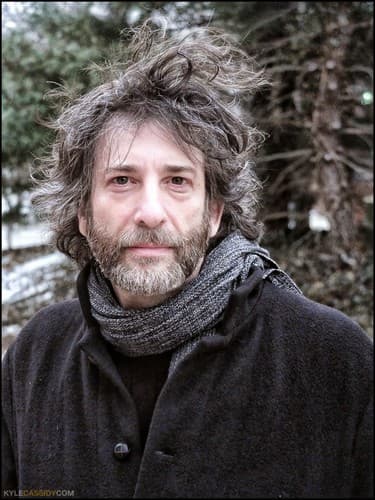
Neil Gaiman

Neil Richard MacKinnon Gaiman is an English author of short fiction, novels, comic books, graphic novels, audio theatre, and a screenwriter. His works include the comic book series The Sandman and the novels Good Omens, Stardust, Anansi Boys, American Gods, Coraline, and The Graveyard Book. He has won numerous awards, including the Hugo, Nebula, and Bram Stoker awards, as well as the Newbery and Carnegie medals. He is the first author to win both the Newbery and the Carnegie medals for the same work, The Graveyard Book (2008). In 2013, The Ocean at the End of the Lane was voted Book of the Year in the British National Book Awards. It was later adapted into a critically acclaimed stage play at the Royal National Theatre in London.