“No dream is a mere dream.”
— Early in the story, Dr. Fridolin reflects on the significance of dreams.

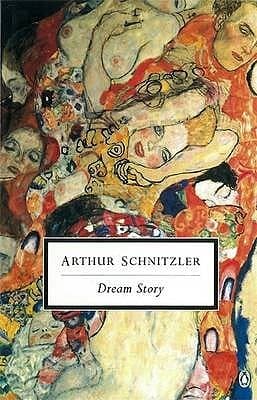
Arthur Schnitzler (1990)
Genre
Literary Fiction / Romance
Reading Time
90 min
Key Themes
See below
Sign in to track this book
In a nocturnal Vienna, a doctor's life unravels into a labyrinth of erotic obsession and vengeful fantasy after his wife confesses a fleeting desire for another man.
Dr. Fridolin, a successful Viennese physician, and his wife, Albertine, discuss a recent masked ball. Albertine recounts a dream where she was at a ball and saw Fridolin being crucified, while she was forced to give herself to another man. She admits that in the dream, she felt a powerful desire for this stranger. Even when she awoke, a lingering feeling for him persisted. This revelation deeply disturbs Fridolin, who had always believed their love was idyllic. He feels a sudden jealousy and a desire to explore his own subconscious and the world of illicit desires he now suspects exists just beneath their comfortable lives.
Disturbed by Albertine's dream, Fridolin leaves their home and wanders the streets of Vienna. He encounters a young prostitute, Mizzi, who takes him back to her room. However, Fridolin is unable to commit to the act, feeling a profound disinterest, almost a revulsion, despite his earlier intent. As he leaves, he sees a doctor rushing into a house, clearly distressed. He learns the doctor is attending to his own dying wife. This encounter briefly pulls Fridolin back to the reality of life and death, and the seriousness of his own marriage, but the pull of the unknown remains strong.
Fridolin continues his aimless wandering, drawn by an urge. He passes a costume rental shop and feels a compulsion to enter. Inside, he encounters a man who recognizes him. After a brief, cryptic exchange, the man gives him a password and an invitation to a secret gathering that night. The man hints at a world where desires are freely indulged, a world that seems to mirror the illicit longing Albertine expressed in her dream. Fridolin, intrigued and still wrestling with his jealousy and curiosity, decides to attend.
Armed with the password and a rented monk's habit, Fridolin arrives at a secluded villa where the secret gathering is taking place. He enters a lavish, candlelit setting filled with masked figures, mostly women, engaging in a sensual, ritualistic dance. He observes the scene, feeling both fascinated and repelled. He is approached by a mysterious, alluring woman who tries to entice him. However, his presence is soon discovered to be an intrusion by the masked host, who recognizes him as an outsider. Fridolin is quickly identified as an intruder, and the atmosphere turns menacing.
As Fridolin's identity as an uninvited guest is revealed, the masked figures turn hostile. The host, a powerful and intimidating man, demands that Fridolin be punished. Just as Fridolin faces imminent danger, the mysterious woman who had approached him earlier steps forward and offers to take the punishment in his place. She reveals that she knows him, perhaps from a previous encounter or through his reputation. Her sacrifice allows Fridolin to escape the villa unharmed, but he is left with guilt and wonder about her identity and fate.
Fridolin returns home in the early morning, shaken by his experiences. He tries to reconcile the illicit world he just witnessed with his ordinary life. He thinks constantly of the mysterious woman who saved him, feeling gratitude, curiosity, and responsibility. He attempts to find out more about her, visiting the costume shop again and even making discreet inquiries. His search leads him to the apartment of the woman, where he learns of her mysterious death, perhaps a suicide or a consequence of her actions at the villa. The news deeply affects him, cementing the reality and danger of the hidden world he briefly entered.
Upon returning home, Fridolin finds Albertine awake. She recounts another vivid dream, one that mirrors his own night. In her dream, she attends a ball where Fridolin is present, but he is surrounded by beautiful, seductive women. She describes a sense of being on the outside, watching him, and feeling a similar mix of longing and jealousy to what Fridolin experienced. Her dream includes details that resonate with Fridolin's own experiences at the secret villa, suggesting a psychic connection or a shared subconscious exploration of forbidden desires.
Albertine's second dream prompts a tense confrontation. Fridolin, deeply affected by her dream's accuracy and the weight of his own secret, confesses his night's adventures, omitting some of the more dangerous details. Albertine, in turn, confesses not just her dreams but also her past infatuations and desires for other men, which she had suppressed. They lay bare their hidden desires, their jealousy, and the temptations they both faced. This moment is a turning point, revealing the cracks in their seemingly perfect marriage and the complex, often contradictory nature of their love.
Fridolin revisits the house where he saw the distressed doctor earlier. He learns that the doctor's wife has indeed died. This encounter is a stark reminder of the fragility of life and the real consequences of love and loss. It juxtaposes the dreamlike, almost fantastical nature of his night with the harsh realities of existence, forcing him to confront the seriousness of his own life and choices. The doctor's grief contrasts sharply with Fridolin's own emotional turmoil, highlighting the different forms of suffering and devotion.
After their confessions, Fridolin and Albertine spend the night in a state of emotional exhaustion. They awaken in the morning with a newfound, albeit fragile, understanding. They acknowledge the existence of a 'dream world' where their forbidden desires reside, but they also recognize the importance of their shared reality and their commitment to each other. Their experiences, both real and imagined, have stripped away their illusions of perfect harmony, replacing it with a more nuanced and perhaps stronger bond built on mutual honesty and acceptance of human imperfection.
Fridolin and Albertine, having peeled back the layers of their unconscious desires and confronted the temptations of the outside world, decide to continue their life together. Their love is no longer an idealized, naive affection but a more complex, mature bond forged through shared vulnerability and the acknowledgment of their individual human frailties. They understand that their fidelity is not just a given but a conscious choice, and that true intimacy involves accepting the 'dream story' that each carries within themselves. They move forward, perhaps with a touch of melancholy, but also with a deeper, more realistic commitment to their life together.
The Protagonist
Fridolin transforms from a complacent husband to a man deeply aware of the complexities of human desire and the fragility of relationships.
The Protagonist
Albertine moves from a state of repressed desires to open communication, acknowledging her own complex inner world.
The Supporting
Mizzi remains static, serving as a mirror for Fridolin's internal state rather than undergoing personal development.
The Supporting
Her brief appearance creates a lasting impact on Fridolin, symbolizing the cost of venturing into forbidden realms.
The Supporting
Nachtigall remains a static, functional character, serving to advance Fridolin's journey.
The Antagonist/Supporting
He serves as an obstacle and a source of tension for Fridolin, embodying the risks of the secret world.
The Mentioned
This character provides a brief, tragic counterpoint to Fridolin's journey, emphasizing the seriousness of life and death.
The novella explores the complex and often contradictory nature of human desire, both conscious and subconscious. It questions the limits of marital fidelity, suggesting that fidelity extends beyond physical acts to the realm of thought and fantasy. Albertine's dream, and Fridolin's subsequent journey into Vienna's erotic underworld, reveal how easily the mind can wander and how potent suppressed desires can be. The story suggests that true fidelity might involve acknowledging these inner landscapes rather than pretending they don't exist, as seen in their final confessions and renewed, albeit more complicated, commitment.
““No dream is entirely a dream.””
A central theme is the blurring of lines between dreams and waking life, and how subconscious desires can manifest in both. Albertine's dreams are not mere fantasies; they are psychological insights that often prefigure or parallel Fridolin's actual experiences. Fridolin's night journey itself takes on a dreamlike quality, with its masked figures, secret rituals, and ambiguous events. The story suggests that the 'dream story' each person carries within them is as real and impactful as their waking life, profoundly shaping their understanding of themselves and their relationships, particularly evident in how Albertine's second dream mirrors Fridolin's actual night.
““And now I believe that no dream is entirely a dream.””
Schnitzler exposes the hidden, often illicit, aspects of Viennese society beneath its polished, respectable surface. Fridolin's journey takes him from his comfortable bourgeois home to brothels, costume shops, and secret orgies, revealing a world of masked identities and unrestrained sensuality. This theme highlights the hypocrisy and double standards prevalent in society, where forbidden desires are indulged in secret. The existence of the secret society and its severe rules shows that even in this 'underworld,' there are structures and dangers, contrasting sharply with the idyllic facade Fridolin initially perceives in his marriage and city.
““There are more things between heaven and earth than are dreamt of in your philosophy, Horatio.””
Jealousy is a driving force in the narrative, particularly for Fridolin. Albertine's dream ignites a fierce jealousy in him, not just of a phantom lover but of the idea that his wife could harbor such desires. This jealousy quickly escalates into an obsession to understand, and perhaps even replicate, her imagined transgressions. His quest to find the 'other man' or to experience similar illicit encounters is fueled by this emotion. The story illustrates how jealousy can distort perception and drive individuals to irrational and dangerous behaviors, ultimately leading to a deeper, albeit painful, understanding of self and partner.
““But you must understand, Albertine, that the thought of you, of you giving yourself to another, even in a dream, was unbearable to me.””
Albertine's initial dream ignites the entire plot.
Albertine's vivid dream, where she desires another man and witnesses Fridolin's crucifixion, serves as the primary catalyst for the entire narrative. It shatters Fridolin's complacency, introduces the theme of subconscious desire, and propels him into his nocturnal wanderings. The dream is not merely a symbolic foreshadowing but an active force that directly influences Fridolin's actions, leading him to seek out experiences that mirror his wife's imagined infidelity. It blurs the line between the inner world and external reality, suggesting that dreams hold profound psychological truth and can trigger real-world consequences.
Physical and metaphorical masks conceal true identities and desires.
Masks and disguises are central to the novella, both literally and figuratively. Fridolin wears a monk's habit to the secret orgy, while all the attendees are masked, concealing their true identities and social statuses. This allows for the uninhibited expression of desires that would be unacceptable in their waking lives. Metaphorically, Fridolin and Albertine themselves wear masks of marital contentment, suppressing their individual desires until Albertine's confession. The masks highlight the duality of human nature and the societal pressures that force individuals to hide their true selves and their forbidden longings.
Fridolin's physical journey mirrors Albertine's psychological one.
The narrative employs the device of parallel journeys, where Fridolin's physical exploration of Vienna's illicit underworld directly mirrors Albertine's psychological journey through her dreams and subconscious desires. Albertine's second dream, in particular, eerily reflects Fridolin's experiences at the masked ball, suggesting a profound, almost telepathic connection between the couple. This parallelism emphasizes the idea that both partners are exploring similar themes of temptation and desire, albeit through different mediums, ultimately leading them to a shared, deeper understanding of their relationship and individual selves.
Vienna serves as a character, embodying both respectable society and hidden desires.
While never explicitly named as Vienna, the city itself functions as a crucial plot device, almost a character. It provides the backdrop for Fridolin's journey, transforming from a familiar, respectable setting into a labyrinth of hidden desires and secret societies at night. The city's duality reflects the internal duality of the characters, with its elegant boulevards masking a subterranean world of illicit pleasures. The specific locales—costume shops, brothels, grand villas—are not just settings but functional elements that facilitate Fridolin's exploration and the unfolding of the plot, embodying the 'dream story' within its very architecture.
“No dream is a mere dream.”
— Early in the story, Dr. Fridolin reflects on the significance of dreams.
“Nothing is completely true, and nothing is completely false.”
— Fridolin ponders the nature of reality and perception after his wife's confession.
“The border between dream and reality is not as firm as one might think.”
— A recurring theme as Fridolin's nocturnal adventures blur with his waking life.
“What we dream is perhaps only the most vivid expression of what we desire.”
— Fridolin considers the connection between dreams and suppressed desires.
“One never knows what one is capable of until one is put to the test.”
— Fridolin reflects on his own actions and impulses during his night of wandering.
“Perhaps the greatest secret is that there are no secrets.”
— A musing on the nature of hidden desires and their eventual surfacing.
“We are all strangers to ourselves, until a moment reveals us.”
— Fridolin's journey forces him to confront aspects of himself he hadn't known.
“Jealousy is a monstrous thing, for it turns joy into torment.”
— Fridolin grapples with feelings of jealousy after his wife's confession.
“Love is a dream, and dreams are often cruel.”
— A poignant reflection on the nature of love and its potential for pain.
“The night holds its own truths, different from those of the day.”
— Fridolin's nighttime escapades reveal hidden aspects of his world and himself.
“Every human being has a world within them that is known to no one else.”
— A thought on the inner lives and private worlds of individuals.
“Sometimes one must go astray to find the right path.”
— Fridolin's meandering journey leads him to a deeper understanding.
“What we call reality is often just a dream we all agree upon.”
— A philosophical observation on the constructed nature of shared reality.
“Perhaps the most dangerous mask is the one we wear for ourselves.”
— Fridolin considers self-deception and the masks people wear.
Ready to see how well you understood this book? Take our interactive quiz with 10 questions.
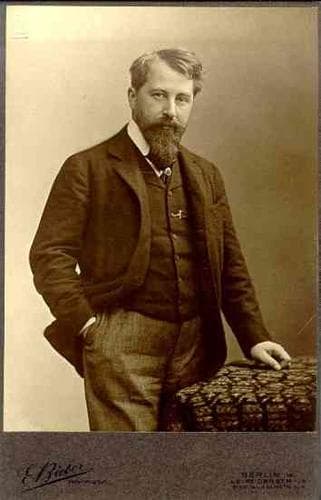
Arthur Schnitzler was a prominent Austrian novelist and playwright, a leading figure in Viennese Modernism. His works, including "Dream Story" (basis for the film "Eyes Wide Shut"), the play "La Ronde," and the novella "Fräulein Else," are celebrated for their psychological depth and exploration of human sexuality and mortality. Schnitzler's incisive prose and keen observation of societal mores cemented his literary legacy.







