“It was a strange, exciting, terrifying thing, this sudden, overwhelming love that had sprung up between them.”
— Describing Miranda's intense feelings for Nicholas.

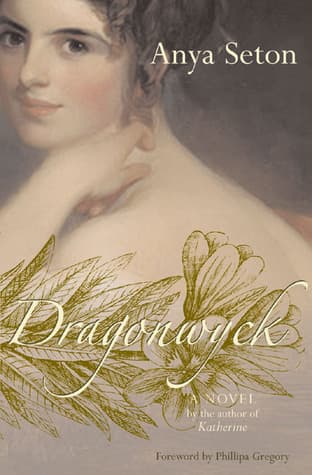
Anya Seton (1944)
Genre
Historical Fiction / Mystery / Romance
Reading Time
9-10 hours
Key Themes
See below
Sign in to track this book
An 18-year-old's dream of escaping rural life for luxury with a mysterious relative at his gothic upstate New York estate, Dragonwyck, quickly descends into a nightmare of dark secrets and terror.
In 1844, eighteen-year-old Miranda Wells lives a monotonous life on her family's farm in Greenwich, Connecticut. She wants adventure beyond her chores and the dull suitors her parents, Ephraim and Abigail Wells, approve of. One day, a grand letter arrives from Nicholas Van Ryn, her mother's distant cousin and the wealthy patroon of Dragonwyck, a sprawling estate in the Hudson Valley, New York. Nicholas invites Miranda to live with them as a companion to his young daughter, Katrine. Despite Ephraim's Puritanical disapproval of the Van Ryns' opulent lifestyle and their tenant farmer system, Abigail, who secretly admires the Van Ryns' status, persuades him to allow Miranda to go, seeing it as an opportunity for her daughter.
Miranda arrives at Dragonwyck, a magnificent, gothic mansion that immediately enchants her. She meets Nicholas Van Ryn, a handsome, cultured, yet intensely reserved man, his frail and sickly wife, Johanna, and their sweet daughter, Katrine. The lavish lifestyle, the extensive library, and the sophisticated company — including visiting European royalty and American socialites — are a stark contrast to Miranda's humble upbringing. She quickly adapts to the luxurious surroundings, finding solace in books and developing a strong affection for Katrine. However, she also senses an underlying tension and melancholy within the household, especially concerning Johanna's declining health and Nicholas's often brooding demeanor.
As Miranda settles into Dragonwyck, she learns about the estate's dark reputation and the whispers surrounding the Van Ryn family. She learns about the patroon system, a feudal-like arrangement where tenant farmers are bound to the land, sparking discontent among them. Dr. Jeff Turner, the local physician, a kind and pragmatic man, warns her about the Van Ryns' history of madness and their possessive attachment to Dragonwyck. Miranda also hears unsettling stories about previous Van Ryn wives and their untimely deaths. Despite these ominous undertones, Miranda is increasingly drawn to Nicholas, captivated by his intelligence and his melancholic presence.
Johanna's health continues to worsen, with extreme fatigue and unusual symptoms. Miranda, though initially sympathetic, also feels a growing, forbidden attraction to Nicholas. After a period of intense suffering, Johanna dies, seemingly from heart failure, though Dr. Jeff Turner expresses private doubts. Following a respectable mourning period, Nicholas, much to Miranda's shock and secret delight, proposes marriage to her. He explains that he needs a strong mistress for Dragonwyck and a mother for Katrine. Despite her parents' disapproval and her own lingering doubts about the suddenness of events, Miranda accepts, swept away by her love for Nicholas and the allure of becoming mistress of Dragonwyck.
Miranda and Nicholas marry, and she takes on the role of mistress of Dragonwyck. She strives to manage the household and care for Katrine, but she finds Nicholas increasingly distant and preoccupied, especially with the growing unrest among the tenant farmers due to the Anti-Rent War. She discovers his secret opium addiction, which further isolates him and fuels his erratic behavior. Miranda also learns she is pregnant, but the joy is overshadowed by her husband's mood swings and her growing unease about the true circumstances of Johanna's death. She begins to suspect Nicholas's involvement, recalling Dr. Turner's earlier concerns and Nicholas's sudden interest in obscure poisons.
Miranda gives birth to a son, but the baby is born with a heart defect and dies shortly after. This tragedy devastates Miranda and further isolates her from Nicholas, who seems consumed by his addiction and the financial woes of Dragonwyck. During her grief, Miranda discovers a hidden compartment in Nicholas's study containing a vial of digitalis, a powerful poison. This discovery, coupled with her earlier memories of Johanna's symptoms and Nicholas's interest in toxicology, solidifies her suspicion that Nicholas murdered his first wife. She confronts him, but he vehemently denies it, twisting her accusations into a sign of her own instability.
The Anti-Rent War reaches its peak. The tenant farmers, led by figures like Dr. Jeff Turner, actively protest the feudal system, refusing to pay rent and engaging in violent clashes with the authorities. Nicholas, stubbornly clinging to the anachronistic patroon system, refuses to compromise. The political tide turns against the patroons, and eventually, the New York State legislature abolishes the system. This legislative change financially devastates Nicholas, who had invested heavily in Dragonwyck, believing its inherent value would always sustain his family. His pride is shattered, and his opium addiction intensifies, leading to further mental deterioration.
Nicholas's mental state rapidly declines under the weight of his financial ruin, his addiction, and the perceived loss of his ancestral power. He becomes increasingly paranoid and violent, often lashing out at Miranda. One night, in a fit of drug-induced delirium, Nicholas confesses to Miranda that he poisoned Johanna. He reveals his motive: Johanna could not give him a healthy male heir to inherit Dragonwyck, and he was desperate to preserve his lineage and the estate. He had administered digitalis to her slowly, making her death appear natural. Miranda is horrified and terrified, realizing the full extent of her husband's depravity.
Fearing for her life and Katrine's, Miranda resolves to escape Dragonwyck. She confides in Dr. Jeff Turner, who has always been a steadfast friend. Jeff, who had long suspected foul play in Johanna's death, believes Miranda's story and helps her plan her departure. With Jeff's assistance, Miranda takes Katrine and flees the mansion, leaving Nicholas to his madness and the crumbling ruins of his once-grand estate. Her escape is a desperate act of survival, severing her ties with the dark legacy of Dragonwyck and the man she once loved.
Miranda and Katrine find refuge with Jeff Turner, who offers them a safe and loving home. Nicholas, left alone in Dragonwyck, eventually succumbs to his madness and addiction, dying by suicide or overdose, though the book implies suicide. With Nicholas gone, the dark spell of Dragonwyck is broken. Miranda, though scarred by her experiences, begins to heal. She realizes her true feelings for Jeff, recognizing his unwavering kindness and moral strength. They marry, and Miranda finds genuine happiness and stability, finally free from the gothic terror and the tragic legacy of Dragonwyck, embracing a future built on love and authenticity.
The Protagonist
Miranda transforms from a sheltered, romantic girl into a strong, independent woman who confronts evil and finds genuine happiness.
The Antagonist
Nicholas descends from a proud, albeit flawed, patroon into a paranoid, drug-addicted murderer, ultimately losing everything he valued.
The Supporting
Jeff remains steadfast in his principles and love, eventually providing Miranda with the stability and happiness she deserves.
The Supporting
Johanna's tragic life and suspicious death are a catalyst for the main conflict and Miranda's eventual awakening.
The Supporting
Katrine finds stability and love with Miranda and Jeff, escaping the corrupting influence of her father.
The Supporting
Ephraim remains largely unchanged, serving as a foil to the opulence and moral decay of Dragonwyck.
The Supporting
Abigail's initial ambition for Miranda eventually gives way to concern, but she remains largely a static character.
The Mentioned
The Countess serves as a symbol of Nicholas's illicit desires and the moral corruption within Dragonwyck, her presence highlighting Miranda's increasing isolation.
The novel shows how unchecked power and an entrenched aristocratic system lead to moral decay and cruelty. Nicholas Van Ryn's position as patroon of Dragonwyck, with its feudal rights over tenant farmers, creates a sense of entitlement. This power allows him to act without consequence, leading to the murder of his first wife and his descent into madness. The suffering of the tenant farmers, driven to rebellion by their exploitation, shows the injustice of the system. Dragonwyck itself, while magnificent, becomes a symbol of this corruption, its beauty hiding dark secrets and moral rot, as seen in Nicholas's opium addiction and his tyrannical control over his family and tenants.
“Dragonwyck was like a beautiful, poisonous flower, its petals dazzling, its roots steeped in darkness.”
Miranda's initial attraction to Dragonwyck and Nicholas is fueled by romantic illusion. She wants a life of grandeur and excitement, seeing Nicholas as a Byronic hero and the mansion as a gothic fantasy. This romanticized view blinds her to the warning signs: Johanna's frailty, Nicholas's brooding nature, and the estate's dark reputation. Her love for Nicholas is initially a projection of her desires, leading her to overlook his flaws and the sinister undercurrents. Only when the illusions are shattered by tragedy and discovery does she see the true, monstrous nature of her husband and the danger she is in, forcing her to confront reality. This theme highlights the peril of mistaking surface glamour for genuine happiness.
“She had dreamed of a prince, but had found a monster cloaked in silk and charm.”
The novel is set during the Anti-Rent War in upstate New York, providing a historical backdrop for the clash between the antiquated patroon system and America's developing democratic ideals. Nicholas Van Ryn stubbornly clings to his feudal rights, believing in his inherent superiority and the divine right to his land and tenants. This contrasts with the tenant farmers' demands for land ownership and freedom, championed by progressive figures like Dr. Jeff Turner. The eventual abolition of the patroon system symbolizes the triumph of democratic principles over aristocratic privilege and highlights the social and political upheaval of the era. Nicholas's downfall is directly tied to his inability to adapt to these changing times.
“The old ways, like old trees, had deep roots, but even the deepest roots could be torn from the earth.”
Despite the patriarchal society and the formidable challenges she faces, Miranda shows remarkable strength and resilience. Initially a naive girl, she endures emotional manipulation, tragedy, and the terrifying discovery of her husband's crimes. She finds the courage to confront Nicholas, protect Katrine, and ultimately escape Dragonwyck. Her journey from vulnerable romantic to self-reliant survivor shows the inner strength needed to break free from oppressive circumstances. Her ability to rebuild her life and find happiness with Jeff Turner highlights female empowerment and the capacity for healing and growth after trauma.
“She had come to Dragonwyck as a girl, but she left as a woman, forged in fire.”
The use of an isolated, decaying mansion to create an atmosphere of mystery and dread.
Dragonwyck, with its towers, secret passages, and remote location, functions as a classic gothic setting. It is a character in itself, embodying the Van Ryn family's pride and secrets. Its imposing architecture and historical legacy contribute to the sense of foreboding and entrapment. The mansion mirrors Nicholas's soul, grand and beautiful on the surface, but filled with hidden darkness and decay. Its isolation reinforces Miranda's vulnerability and the feeling of being cut off from the outside world, intensifying the psychological tension and claustrophobia as she uncovers its horrors.
Hints and clues that suggest future tragic or sinister events.
The novel employs extensive foreshadowing to build suspense. Dr. Jeff Turner's early warnings about the Van Ryns' history of madness and the 'curse' on their wives, the whispers among the servants about Johanna's illness, and Nicholas's sudden interest in poisons all subtly hint at Johanna's eventual murder. Miranda's own uneasy feelings and dreams often prefigure dark events. This technique keeps the reader anticipating the inevitable revelations and reinforces the sense of creeping dread, allowing the audience to piece together the truth alongside Miranda, or even before her.
Nicholas Van Ryn as a charismatic, brooding, and ultimately destructive romantic figure.
Nicholas Van Ryn embodies the archetype of the Byronic hero. He is handsome, intelligent, aristocratic, and possesses a magnetic charm, but is also moody, cynical, and harbors a dark secret. Miranda is initially drawn to his mysterious allure, seeing him as a romantic, tragic figure. However, his Byronic traits of pride, isolation, and disregard for conventional morality ultimately devolve into cruelty and madness, revealing the destructive potential beneath the romantic façade. This device contrasts Miranda's romantic ideals with the harsh reality of Nicholas's true nature.
An object or goal that drives the plot, particularly Nicholas's actions.
Nicholas's obsessive desire for a male heir to inherit Dragonwyck serves as a crucial MacGuffin, driving much of the plot. His desperation to preserve the Van Ryn lineage and the estate's legacy is the primary motive for murdering Johanna, who could not provide him with a healthy son. This obsession dictates his choices, his marriage to Miranda, and ultimately his downfall. While not a physical object, the 'heir' functions as a central, driving force for his character, highlighting his deep-seated pride and the anachronistic values he clings to.
“It was a strange, exciting, terrifying thing, this sudden, overwhelming love that had sprung up between them.”
— Describing Miranda's intense feelings for Nicholas.
“Dragonwyck was like a living thing, breathing secrets, holding its inhabitants in a thrall.”
— Referring to the imposing and mysterious nature of the estate.
“The past, after all, was never truly past. It lingered, a shadow, a whisper, a stain.”
— Reflecting on the enduring impact of past events and secrets.
“He had a way of looking at her that made her feel both cherished and consumed.”
— Miranda's perception of Nicholas's intense gaze.
“Some men are born to rule, and others to be ruled. It is the natural order of things.”
— Nicholas's aristocratic and controlling worldview.
“A woman's place is to make her husband happy, and her home a haven.”
— A traditional societal expectation placed upon women in the era.
“Fear was a cold, creeping thing that could wither the soul.”
— Describing the pervasive sense of dread Miranda sometimes felt.
“There were shadows in Dragonwyck that even the brightest sun could not dispel.”
— Highlighting the inherent darkness and secrets of the mansion.
“Happiness, she learned, was a fragile butterfly, easily crushed.”
— Miranda's realization about the fleeting nature of joy amidst her troubles.
“He saw her not as she was, but as he wished her to be.”
— Reflecting on Nicholas's idealized and controlling perception of Miranda.
“The truth, sometimes, was a terrible thing, best left buried.”
— A character's justification for keeping dark secrets hidden.
“One could not escape one's destiny, no matter how hard one tried.”
— A fatalistic view on the unfolding events and character fates.
“The silence of the house was not empty; it was filled with unspoken words and hidden pains.”
— Describing the oppressive atmosphere of Dragonwyck, laden with history.
“Freedom, once tasted, was a powerful craving.”
— Miranda's growing desire for independence from Nicholas and Dragonwyck.
Ready to see how well you understood this book? Take our interactive quiz with 10 questions.
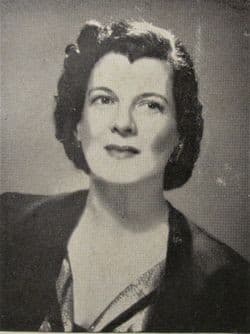
Anya Seton was a celebrated historical novelist known for her meticulously researched and romantic tales. Her most famous works, including 'Dragonwyck' and 'Katherine,' brought vividly imagined historical periods and compelling characters to life. Seton's ability to blend factual accuracy with captivating storytelling earned her a dedicated readership and enduring popularity in the genre.







