“We were a family of dreamers, and sometimes, for a little while, we made our dreams come true.”
— Moon Shadow reflecting on his family's nature and achievements.

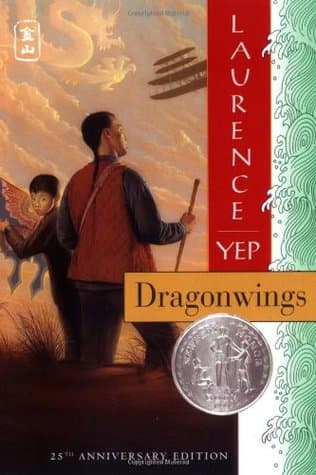
Laurence Yep (1975)
Genre
Children's / Historical Fiction / Young Adult
Reading Time
240 min
Key Themes
See below
Sign in to track this book
In 1903 San Francisco, a young Chinese immigrant boy helps his father, a laundryman, build and fly an airplane, defying poverty, prejudice, and community skepticism.
Eight-year-old Moon Shadow sails from China to San Francisco in 1903, leaving his mother and grandmother. The bustling, unfamiliar city and many 'white demons' overwhelm him. He meets his father, Windrider, for the first time. Windrider works in the Tang people's laundry, run by the Company, a kind but strict group of Chinese men. Moon Shadow struggles to adjust to the new environment and Tang customs, especially the teasing from his cousins, Hand Clap and Black Dog. He soon learns of his father's unusual nature and his secret love for flying machines.
Moon Shadow begins to understand his father, Windrider, better, noticing his quiet dignity and odd habits. He learns that Windrider believes he was a dragon in a past life and has a connection to the sky. Windrider spends his nights drawing and designing flying machines. Other Company members, especially Uncle Bright Star, see this as foolish. Moon Shadow is at first doubtful but becomes more interested in his father's dream, seeing Windrider's careful work and steady dedication, despite constant mockery and no support from others.
One day, while delivering laundry, Windrider and Moon Shadow meet Miss Whitlaw, an eccentric white woman living in a rundown house on a hill. Miss Whitlaw is fascinated by Windrider's dream of flying. Seeing his dedication, she offers them a small stable on her property to live and work on the flying machine. This offer is a turning point, giving Windrider the space and freedom he needs away from the Company's judgment. Moon Shadow is hesitant about living among white demons, but his father sees it as a chance to pursue his dream without problems, despite cultural barriers and disapproval from his relatives.
Windrider and Moon Shadow move to Miss Whitlaw's stable, which upsets the Company, who think they are abandoning their community. The move brings Windrider new freedom; he can now work on his flying machine openly. Moon Shadow, however, feels isolated. He misses Chinatown's familiar activity and struggles with cultural differences. He spends his days helping his father and exploring the hill, slowly forming a careful friendship with Miss Whitlaw and her niece, Robin. This new environment challenges Moon Shadow's ideas about 'white demons' and broadens his view of the world beyond Chinatown.
After months of work, Windrider finishes his first flying machine, a glider he names 'Dragonwings.' With Moon Shadow's help, they take it to a nearby hill. Company members, including Uncle Bright Star and Hand Clap, secretly come to watch, showing their curiosity and concern. Windrider tries to fly, but the glider is not perfect. He crashes, gets hurt, and the machine is damaged. Despite the setback and pain, Windrider remains determined. He sees the failure as a learning experience and immediately plans improvements, showing his steady commitment to his dream.
The 1906 San Francisco earthquake strikes, causing chaos. Moon Shadow and Windrider, living outside Chinatown, see the destruction and fires. They rush back to Chinatown to find and help their family and friends. The earthquake destroys much of the city, including the laundry and the Company's homes. Amid the rubble and despair, the Chinese community shows great resilience and mutual support. Moon Shadow is deeply affected by the tragedy, seeing life's fragility and the lasting strength of human connection and community in the face of great hardship.
After the earthquake, Company members work together to rebuild their lives and community. They combine resources and open a new laundry, showing their resilience and unity. Despite the hardship, Windrider's dream of flying remains. He continues to work on his designs, inspired by the spirit of rebuilding and the enduring hope of the Tang people. Moon Shadow, now more mature, helps his father with renewed dedication, understanding how important the dream is to Windrider. Their shared purpose becomes a source of hope during the city's reconstruction.
Black Dog, Moon Shadow's cousin, struggles with opium addiction, leading to desperate acts. He steals from the Company and Windrider, causing financial and emotional distress. His actions represent the darker side of life in the new country and the difficulties many immigrants faced. Windrider and the Company try to help him, but his addiction is too strong. This part of the story highlights challenges within the community and adds realism to the immigrant experience, showing that not all struggles are external; internal conflicts can be just as damaging.
Windrider eagerly follows news of the Wright brothers' successful flights, which both inspires and humbles him. He studies their designs and ideas, using their achievements to improve his understanding of aerodynamics and flight mechanics. This outside validation strengthens his resolve and gives him practical knowledge, allowing him to significantly improve his 'Dragonwings' design. Moon Shadow sees his father's renewed focus and the scientific care he puts into his work, further confirming his belief in Windrider's skill and the possibility of their shared dream. Advancements in aviation push Windrider to seek perfection.
Through Miss Whitlaw, Windrider meets Mr. Wittman, a wealthy and influential white man intrigued by Windrider's passion and clever designs. Mr. Wittman offers financial support and access to better materials, allowing Windrider to start building a new, more advanced flying machine, which he calls 'Dragonwings II.' This support is important, as it provides resources previously out of reach. Moon Shadow helps his father, learning carpentry and engineering skills. Building the new machine marks a period of intense work and renewed hope, bringing them closer to their goal.
As 'Dragonwings II' nears completion, Windrider and Moon Shadow move it to a remote, open field for the test flight. Company members, including Uncle Bright Star, are at first doubtful but come to watch this important event, their earlier mockery replaced by quiet anticipation and pride. Moon Shadow feels a mix of excitement and fear, understanding the great personal stakes for his father. Windrider carefully checks every detail, his dragon spirit strong. The final preparations show years of dedication, sacrifice, and steady belief in a dream that once seemed impossible.
On a clear, windy day, Windrider climbs into 'Dragonwings II.' With Moon Shadow's final adjustments and a deep breath, he takes off. The machine struggles at first but then flies into the sky, a magnificent sight. Windrider flies for a long time, circling above the field, fulfilling his lifelong dream and proving himself a 'dragon.' Moon Shadow watches with great pride and joy, tears in his eyes. Company members, Miss Whitlaw, Robin, and Mr. Wittman all watch, amazed. The successful flight is a triumph, not just for Windrider, but for the entire Chinese community, symbolizing the power of dreams and endurance.
After the successful flight, Windrider is celebrated by his family and friends, and gains some respect from the wider community, including newspaper coverage. While the flight doesn't make him rich, it brings him a deep sense of accomplishment and confirms his unusual path. He continues to work on his designs, always a man of the sky. Moon Shadow, having been a part of his father's journey, feels a deep bond with Windrider and a greater understanding of his own identity. The experience strengthens their relationship and gives Moon Shadow a lasting appreciation for courage, innovation, and pursuing dreams.
The Protagonist
From a fearful, tradition-bound boy, Moon Shadow grows into a mature, courageous young man who embraces both his heritage and the promise of a new world.
The Protagonist
Windrider perseveres through ridicule, poverty, and setbacks to achieve his lifelong dream, proving that unconventional dreams can be realized.
The Supporting
She remains a steadfast, supportive figure, representing understanding and acceptance across cultural divides.
The Supporting
From a skeptic who prioritizes practicality, he evolves to grudgingly respect and even take pride in Windrider's extraordinary achievement.
The Supporting
Black Dog's arc is tragic; he descends further into addiction, causing pain and disruption, and ultimately remains unredeemed.
The Supporting
He matures from a teasing boy to a responsible member of the community who, like his father, eventually respects Windrider's dream.
The Supporting
She remains a consistent, supportive friend to Moon Shadow, symbolizing cross-cultural understanding.
The Supporting
He provides essential, late-stage support, enabling Windrider's dream to finally materialize.
The novel looks at the challenges and successes of Chinese immigrants seeking a better life in America. Moon Shadow and Windrider face poverty, racial prejudice from 'white demons,' and cultural misunderstandings. Yet, they also find community, resilience, and opportunities. Keeping cultural identity while adapting to a new world is central, seen in the contrast between Chinatown's traditions and Windrider's individual pursuit of his dream outside its limits. The 1906 earthquake and the rebuilding efforts show the community's endurance in the face of great difficulty.
“We had come to the Land of the Golden Mountain to make our fortunes. Instead, we found only hard work and disdain.”
Windrider's steady dream of flight drives the story. Despite constant ridicule, financial hardship, and physical setbacks (like his first crash), he never gives up. His dedication inspires Moon Shadow and eventually earns his community's respect. The story shows that real success comes not from money, but from fulfilling a deeply held passion. Windrider's belief in his dragon heritage fuels his conviction, making his dream both personal and spiritual.
“A man's dreams are like a great river, always flowing, always searching for the sea.”
The developing relationship between Moon Shadow and Windrider is the core of the story. Initially strangers, they form a deep bond built on mutual respect, shared purpose, and love. Moon Shadow becomes his father's helper, learning about mechanics, courage, integrity, and the importance of following one's heart. Windrider, in turn, learns to trust and rely on his son. Their journey together strengthens their family against outside pressures and internal doubts, showing how a shared dream can create a strong connection.
“I was no longer just his son, but his partner, his fellow adventurer.”
The novel clearly shows the traditions of the Chinese community in San Francisco's Chinatown, highlighting the importance of family, loyalty, and community support. It contrasts this with the often hostile attitudes of the 'white demons,' who misunderstand and fear the Chinese. Moon Shadow's journey involves navigating these cultural divides, learning to tell the difference between individual prejudice and genuine kindness (as with Miss Whitlaw). The story shows the struggle to keep one's heritage while adapting to a new, often unwelcoming, society, and finally finding a place where both can exist.
“We were not 'Chinamen' but the Tang people, with our own ways and our own pride.”
The dragon symbolizes Windrider's spirit, ambition, and connection to his heritage.
The dragon is a powerful symbol throughout the novel. Windrider believes he was a dragon in a previous life, and his flying machines are named 'Dragonwings.' The dragon represents his spiritual connection to the sky, his innate desire to fly, and his unique, often misunderstood, spirit. It also connects him to his Chinese heritage, where dragons are revered as powerful, benevolent, and often sky-dwelling creatures. The successful flight of 'Dragonwings II' is not just a mechanical triumph but a spiritual fulfillment of Windrider's dragon nature, symbolizing the soaring of the immigrant spirit and the realization of seemingly impossible dreams.
The story is told from the perspective of young Moon Shadow, allowing for a fresh and evolving view of the world.
The use of first-person narration through Moon Shadow's eyes provides an intimate and deeply personal account of the events. As an eight-year-old immigrant, Moon Shadow's initial perceptions of America, 'white demons,' and even his own father are naive and tradition-bound. His perspective allows the reader to experience his culture shock, his growth, and his evolving understanding of the world alongside him. This narrative choice makes the themes of cultural adaptation, prejudice, and the father-son bond particularly poignant, as the reader witnesses Moon Shadow's maturation and his changing views firsthand, adding authenticity and emotional depth to the story.
A historical event that serves as a major turning point and catalyst for change.
The devastating 1906 San Francisco earthquake is a pivotal plot device. It acts as a major turning point, destroying Chinatown and forcing the Company to rebuild. This event highlights the resilience and unity of the Chinese immigrant community in the face of catastrophe. For Moon Shadow and Windrider, it reinforces their bond and the importance of community, even as they pursue an individual dream. The earthquake serves as a reset, clearing the path for new opportunities and further solidifying Windrider's determination to achieve his dream amidst the rebuilding of the city, symbolizing that even from destruction, new possibilities can arise.
“We were a family of dreamers, and sometimes, for a little while, we made our dreams come true.”
— Moon Shadow reflecting on his family's nature and achievements.
“I had come to America to help my father build a dragon, and now I was going to help him fly it.”
— Moon Shadow's realization of his purpose and commitment to his father's dream.
“It was a strange land, full of strange people, but it was also a land of wonders.”
— Moon Shadow's initial impressions of America.
“A man must stand by his word, for if he does not, he is nothing.”
— Windrider's strong belief in honor and integrity.
“The wind was our friend, if only we could learn to ride it.”
— Windrider's perspective on the challenge and potential of flight.
“Sometimes you have to break with the old ways to find new ones.”
— Moon Shadow considering the need for innovation and progress.
“Even if the dragon broke, even if we never flew again, we had flown once. And that was enough.”
— Moon Shadow's acceptance of the outcome after their first flight.
“It was not enough to just dream; one had to work to make the dream real.”
— The practical philosophy behind achieving Windrider's vision.
“The world was bigger than I had ever imagined, and there were so many things to learn.”
— Moon Shadow's expanding worldview as he experiences new things.
“We were all strangers in a strange land, but we were also a family.”
— Moon Shadow reflecting on the bonds within the Chinese community in America.
“Fear is a bad master, and courage is a good servant.”
— Windrider's advice on overcoming obstacles.
“I had learned that some dreams, even if they seemed impossible, were worth chasing.”
— Moon Shadow's final thoughts on the journey with his father.
“To fly was to be free, to be above all the troubles of the earth.”
— The profound meaning of flight for Windrider and Moon Shadow.
“Sometimes, the smallest things can carry the greatest weight.”
— Moon Shadow observing the significance of seemingly minor details or actions.
Ready to see how well you understood this book? Take our interactive quiz with 10 questions.
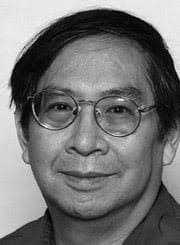
Biography coming soon.

Dan Gemeinhart
4.5
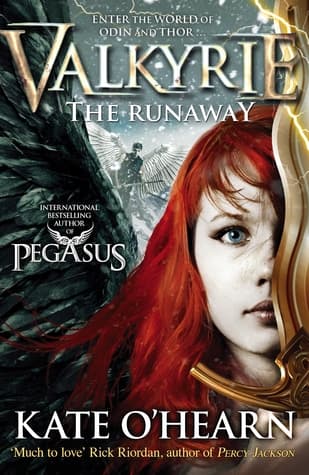
Kate O'Hearn
4.4

Jeanne Birdsall
4.4

Jen Wang
4.4
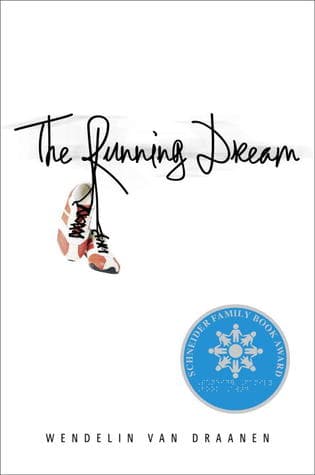
Wendelin Van Draanen
4.3

John Marsden
4.3

Chris Van Allsburg
4.3
Jennifer A. Nielsen
4.2