“The old ways are lost, and the dogs are the only thing that remembers the songs.”
— Russel Susskit reflects on the loss of traditional Inuit culture and the connection dogs have to it.

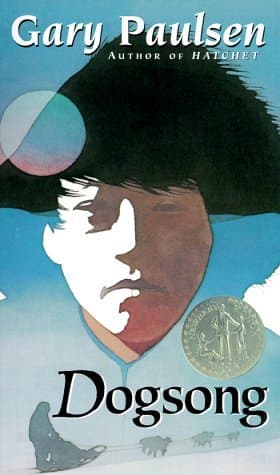
Gary Paulsen (1985)
Genre
Children's / Historical Fiction / Young Adult
Reading Time
120 min
Key Themes
See below
Sign in to track this book
A young Inuit boy, wanting to learn his people's old ways, takes a dog sled into the Alaskan wilderness to find his own identity.
Russel Susskit, a fourteen-year-old Inuit boy, lives in a modern Alaskan village with snowmobiles, diesel fumes, and television. He feels a deep unease and wants to live like his ancestors, which seems lost to his community. His father, a hunter, uses a snowmobile, and dog teams are almost gone. Russel tells Oogruk, an elderly shaman and the last dog musher in the village, about his feelings. Oogruk understands Russel's desire. Oogruk, though unsure at first, begins to teach Russel about traditional ways, like the importance of quiet, watching, and the spirit world. Russel starts spending more time with Oogruk and his dogs, feeling more connected to the past.
Russel often has a strong, repeating dream. In this dream, he sees himself as an ancient hunter, running with dogs, feeling the cold, and having a strong sense of belonging. The dream feels so real it seems like a memory, a call from a past life. This dream makes him want even more to find his own 'song' – a traditional Inuit way of expressing identity, often found through a big life event. He talks about the dream with Oogruk, who says it means Russel must go alone into the wilderness with Oogruk's dog team to find himself and his song. Oogruk gets Russel ready for the difficulties of survival.
Following Oogruk's advice, Russel takes only a few things: a knife, a sleeping bag, some dried meat, and a rifle. He takes Oogruk's dog team, learning to harness and command them. Oogruk gives final advice, saying to listen to the land, trust the dogs, and find strength inside himself. With a heavy heart but a firm spirit, Russel leaves the village, going north into the large, frozen wilderness. The first days are hard; he struggles with the cold, driving the dogs, and the quiet of the landscape, feeling both scared and excited.
As Russel goes deeper into the wilderness, he slowly loses his modern worries. He learns to hunt for food, setting traps for rabbits and tracking bigger animals. He builds snow shelters, starts fires, and notices nature's patterns. The dogs, at first just for travel, become his friends and teachers; he learns to understand them and trust what they know. He faces blizzards, hunger, and being alone, but each problem makes him stronger and more connected to the land. He watches animals, feels the old pulse of the earth, and starts to understand how his ancestors lived on their own.
During his trip, Russel sees many caribou migrating. He hides and watches in wonder as thousands of caribou pass, a sight of great power. This experience moves him deeply, showing him how all life is connected and how big the natural world is. He feels a basic connection to the animals and the land, a feeling like his dreams in the village. This moment is a big step in his spiritual awakening, helping him understand life and death in the wilderness and his place in it. He sees how delicate and strong life is.
Russel finds a remote trapper's cabin and meets Lonnie, an old trapper. Lonnie, careful at first, later welcomes Russel and shares his knowledge of the wilderness, including trapping, animal behavior, and respecting nature. Lonnie is another example of the old ways, living a life of self-reliance and in tune with the environment. Russel spends a few days with Lonnie, learning practical skills and getting new ideas about his journey. Lonnie's stories and quiet wisdom further help Russel understand his heritage and what it takes to live off the land.
Continuing his journey, Russel finds a young Inuit woman, very pregnant and alone, struggling in the snow. Her husband had gone hunting and not returned. Even though he has no experience, Russel, guided by instinct and the urgent situation, helps her build a shelter and stay warm. He helps her through a difficult labor, and she has her baby. This unexpected and important experience makes Russel face life and death directly. He feels a strong sense of responsibility and ability, realizing his own strength in a new way. This act of helping someone marks a big change for him.
After helping the woman and her new baby, Russel decides it is time to go back. The return trip is different; he is no longer the unsure boy who left. He moves with confidence, aware of the land and his dogs. He thinks about his experiences – the hunger, the cold, the caribou, Lonnie, and the baby's birth. He realizes he has found his 'song,' not as a real melody, but as an inner understanding of who he is and his link to his heritage. He arrives back in his village a changed young man, with the wisdom and strength from his solo journey.
Russel returns to find Oogruk waiting, who sees the change in the boy's eyes. Russel, though not talking about his journey in detail, has a quiet confidence and a deeper understanding of himself and his place in the world. He has found his song – his identity rooted in the old ways, but able to live in the modern world. He is no longer unhappy but settled. His journey sparks new interest in the old ways among some villagers, quietly affecting his community. Russel shows that tradition can fit with modern life, becoming a bridge between two worlds.
The Protagonist
Russel transforms from a discontented, uncertain boy into a confident, self-reliant young man who has found his identity and purpose.
The Supporting
Oogruk serves as a catalyst for Russel's journey, his wisdom and trust in Russel's potential are affirmed by Russel's transformation.
The Supporting
Lonnie provides a brief but impactful interlude in Russel's journey, solidifying his practical skills and understanding of the wilderness.
The Supporting
Her struggle and the birth of her child serve as a catalyst for Russel's final transformation and realization of his 'song'.
The Supporting
His character primarily serves to illustrate the generational shift that Russel is reacting against, remaining largely unchanged.
The Supporting
The dogs serve as constant companions and guides, their consistent presence facilitating Russel's journey and growth.
The main theme is Russel's search for his 'song' – his unique identity. Unhappy with his modern village life, he goes into the wilderness to connect with his ancestors. Through survival challenges, encounters with nature, and helping others, Russel learns about his own abilities, strength, and kindness. He finds an identity based on both tradition and his own experiences. His journey is a classic coming-of-age story set during a cultural change.
“He knew then that his song was not a thing of words, but of feeling, of knowing who he was and what he could do.”
The book clearly shows the difference between ancient Inuit ways and the modern world. Russel's village has snowmobiles, television, and diesel fumes, which show the loss of old culture. Oogruk represents the 'old ways,' while Russel's father uses modern things. Russel's journey tries to connect these two, to honor his heritage without rejecting new things. The wilderness itself stands for the lasting power of tradition, free from modern influences.
“The snowmobiles, the constant roar of the engines, the smell of diesel oil... it was all wrong. It was not the way.”
This theme looks at the strong link between people and nature, especially in a tough place like the Arctic. Russel's journey makes him live in balance with nature, learning to hunt, build shelter, and deal with the weather. He sees the caribou migration, gaining a deep respect for the cycle of life and death. The dogs also show this connection, being important partners for survival. The book shows that living close to nature builds strength, spiritual understanding, and a feeling of belonging.
“The land was not empty. It was full. Full of life, full of cold, full of silence, full of song.”
Russel's journey shows human strength and the will to survive. He faces extreme cold, hunger, loneliness, and the dangers of the wilderness. Each challenge, from setting traps to building snow shelters to helping with childbirth, pushes him and makes him learn new skills and inner strength. His strength is not just physical but also mental and spiritual, as he overcomes fear to become capable and confident.
“He was cold, so cold he could not feel his fingers, but he was alive. He was still alive.”
A symbolic representation of an individual's identity, purpose, and connection to their heritage.
The 'song' is a central symbolic device in the novel. It is not a literal melody but a metaphor for Russel's personal quest for identity and meaning within his Inuit culture. In traditional Inuit society, a 'song' was often found through a significant life experience, reflecting one's spirit and place in the world. For Russel, finding his song means understanding his connection to the ancient ways, his capabilities, and his purpose. His journey into the wilderness is the process of discovering this internal 'song', which grounds him and gives him a sense of belonging.
A premonitory and guiding vision that compels Russel to embark on his journey.
Russel's recurring dream, where he sees himself as an ancient hunter running with dogs, serves as a powerful psychological and spiritual catalyst for his journey. It is a premonitory vision that connects him to his ancestral past and ignites his longing for the old ways. The dream is so vivid and real that it feels like a memory, suggesting a deep, inherited connection to his heritage. It provides the initial impetus for his quest, acting as a call to adventure and validating his feelings of disconnect from modern life, pushing him towards self-discovery.
A setting that acts as a teacher, a crucible for transformation, and a symbol of traditional life.
The vast, harsh Arctic wilderness is more than just a setting; it is a major character and a powerful plot device. It serves as a crucible where Russel is stripped of modern comforts and forced to confront himself and nature directly. The wilderness becomes his teacher, imparting lessons in survival, resilience, and the rhythms of life and death. It symbolizes the enduring 'old ways' and offers a pristine environment where Russel can reconnect with his heritage, free from the distractions of the modern village. Its stark beauty and unforgiving nature facilitate his profound transformation.
“The old ways are lost, and the dogs are the only thing that remembers the songs.”
— Russel Susskit reflects on the loss of traditional Inuit culture and the connection dogs have to it.
“A man is what he does, not what he says.”
— Russel learns from Oogruk about the importance of action and survival in Inuit life.
“The song of the dogs is the song of the land.”
— Oogruk explains how dogs and their movements are intertwined with the Arctic environment.
“You do not find yourself, you make yourself.”
— Russel realizes his journey is about creating his own identity through experience.
“Cold is not an enemy if you know how to live with it.”
— Russel learns survival skills and a respectful attitude toward the harsh Arctic climate.
“The snow has a memory, and it sings to those who listen.”
— Oogruk teaches Russel to perceive the subtle sounds and stories in the snowy landscape.
“A dog team is not pulled, it is led.”
— Russel understands the partnership and leadership required in mushing.
“Hunger is a teacher that never sleeps.”
— During his solo journey, Russel experiences hunger as a constant challenge and lesson.
“The world is made of stories, and we are the tellers.”
— Russel reflects on how his journey and Inuit culture are preserved through narrative.
“Silence is not empty; it is full of answers.”
— Russel learns to value quiet moments and introspection in the Arctic wilderness.
“To run with dogs is to run with the wind of your ancestors.”
— Russel feels a deep connection to his Inuit heritage through dog sledding.
“Fear is a fire that burns only what you feed it.”
— Russel confronts his fears during dangerous parts of his journey.
“The land does not care if you live or die, but it will teach you how to live.”
— Russel gains respect for the indifferent yet instructive nature of the Arctic.
“A song is not just a sound; it is a map of where you have been.”
— Russel creates his own dogsong, symbolizing his personal journey and growth.
Ready to see how well you understood this book? Take our interactive quiz with 10 questions.
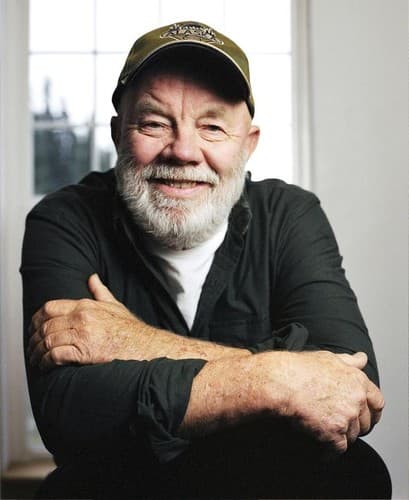
Biography coming soon.
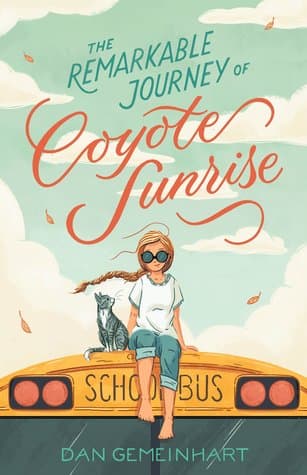
Dan Gemeinhart
4.5

Kate O'Hearn
4.4

Jeanne Birdsall
4.4

Jen Wang
4.4
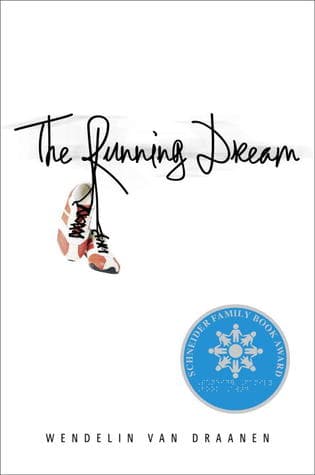
Wendelin Van Draanen
4.3

John Marsden
4.3

Chris Van Allsburg
4.3
Jennifer A. Nielsen
4.2