“I'm not a kid, you know. I'm a grown-up.”
— Greg often tries to assert his maturity, despite his actions.

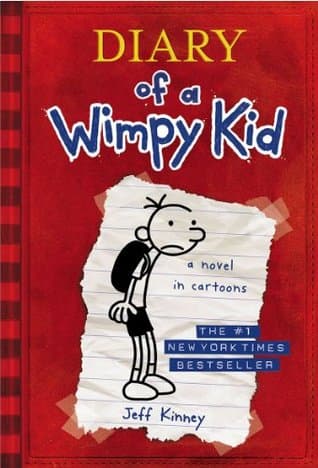
Jeff Kinney (2007)
Genre
Children's / Young Adult
Reading Time
120 min
Key Themes
See below
Sign in to track this book
Greg Heffley navigates the difficult social world of middle school, making plans to become popular and bringing his best friend Rowley along for a funny, diary-documented journey of unexpected events and embarrassing moments.
Greg Heffley, an awkward middle schooler, starts his new school year with his best friend, Rowley Jefferson. Greg sees middle school as a difficult social world where being popular is most important. He writes about his daily experiences in a journal (which he insists is NOT a diary), outlining his plans for survival and social advancement. He describes the different groups, the bad school food, and the constant fear of the 'Cheese Touch' – a legendary cootie that has been at the school for years. Greg wants to avoid being at the bottom of the social ladder and hopes to use Rowley to become popular.
For Halloween, Greg and Rowley plan a big trick-or-treating route, aiming for the most candy. Greg's younger brother, Manny, joins them, dressed as a pirate. Their night ends early when teenagers in a pickup truck spray them with a water hose. Greg throws an egg at the truck in return, but it misses and hits the driver's window instead. The teenagers chase them home, forcing Greg and Rowley to hide in Greg's grandmother's house. Greg blames Rowley for not being fast enough, causing problems in their friendship.
Greg tries different plans to become more popular, including trying out for the school play (The Wizard of Oz) and joining the safety patrol. While Greg doesn't get a good part in the play and struggles with his safety patrol duties, Rowley unexpectedly becomes popular. Rowley is chosen to be the cartoonist for the school newspaper, drawing a comic strip called 'Zoo-Wee Mama!' Greg, who first made fun of Rowley's simple drawings, becomes jealous and tries to take credit for Rowley's success, even trying to create his own, more 'sophisticated' comic.
As a safety patrol member, Greg misuses his power, making younger kids walk on the grass and even throwing snowballs at them. One day, he throws a snowball at a group of kindergartners, breaking one's glasses. When Principal Skinner investigates, Greg gets scared and lets Rowley take the blame. Rowley is suspended from safety patrol for a week. Greg feels bad but doesn't confess, hurting their friendship more. Rowley's parents are upset with Greg, and their friendship becomes tense, with Rowley keeping his distance from Greg.
Greg decides to try out for the school play, 'The Wizard of Oz,' hoping to impress a girl named Patty Farrell. He gets the role of a tree, which means he has to throw apples at Dorothy. During the show, Greg gets carried away and throws apples too hard, hitting Patty. This leads to a messy scene where the other 'trees' join in, throwing apples at Patty. The play ends badly, confirming Greg's reputation for being awkward and failing to gain any popularity from it. His attempts to get closer to Patty are completely ruined.
Near the end of the school year, the legendary 'Cheese Touch' returns to the blacktop. The Cheese, a moldy piece of cheese that has been on the school grounds for years, is accidentally touched by another student. Everyone avoids the student, fearing the cootie. To save Rowley from being avoided and to fix their broken friendship, Greg makes a bold move: he touches the Cheese himself. He then spreads a lie that he 'got rid' of the Cheese Touch by taking it with him when he leaves for summer vacation, effectively becoming the new carrier, but saving Rowley's social standing.
With the school year ending, Greg and Rowley make up, largely because of Greg's sacrifice with the Cheese Touch. Greg, now carrying the Cheese Touch, manages to keep it a secret by making sure no one touches him. He accepts his situation, knowing that he saved Rowley from social ruin. The book ends with Greg looking forward to summer vacation, and while he still faces his own social problems, his friendship with Rowley seems to be getting better, even with Greg carrying a new, strange burden.
The Protagonist
Greg begins as a self-absorbed boy focused solely on his own social standing and ends with a small act of self-sacrifice for his friend, hinting at a glimmer of maturity.
The Supporting
Rowley starts as Greg's unquestioning sidekick and develops a small sense of independence, even gaining unexpected popularity, before ultimately reconciling with Greg.
The Supporting
Rodrick remains a static character, consistently fulfilling his role as the older, tormenting brother.
The Supporting
Manny remains a static character, consistently acting as the spoiled younger sibling.
The Supporting
Frank remains a static character, consistently trying to guide his sons.
The Supporting
Susan remains a static character, consistently trying to nurture her family.
Greg's whole story is driven by his constant, often mistaken, search for popularity in the difficult social world of middle school. He tries various plans, from joining the safety patrol to trying out for the school play, all to improve his social status. This theme is clear in his observations about the 'popular' kids and his attempts to avoid those at the bottom of the social ladder. His jealousy of Rowley's accidental popularity in the 'Zoo-Wee Mama!' comic strip further shows his obsession.
“The only reason I'm not popular is because I live in a town where there aren't any other kids as smart as me.”
The relationship between Greg and Rowley makes up the main part of the book, showing the good and bad times of middle school friendship. Greg often takes advantage of Rowley's kind nature, uses him as a social shield, and even lets him take the blame for his own mistakes (like the safety patrol incident). Despite these betrayals, Rowley stays loyal, and their friendship eventually mends. The climax, where Greg takes on the Cheese Touch to save Rowley, shows a growing understanding of true friendship, where sacrifice can be more important than personal gain.
“I guess I should've seen this coming. Rowley is a really good friend, and I'm a really bad one.”
While Greg often tries to seem more mature than he is, his actions often show his immaturity and lack of responsibility. His attempts to avoid blame, his small jealousies, and his inability to see consequences (like the snowball incident) all highlight his childishness. The book subtly explores growing up, where taking responsibility for one's actions and making sacrifices for others are important steps. Greg's eventual decision to take the Cheese Touch for Rowley shows a significant, though small, step towards real maturity.
“I'm not saying I'm perfect, but I'm pretty sure I'm better than most of the people I know.”
The Heffley house is a small example of typical family life, with its own set of problems and relationships. Greg's interactions with his older brother, Rodrick, who always teases him, and his younger brother, Manny, who is spoiled and often gets him into trouble, highlight the frustrations of sibling rivalry. His parents, Frank and Susan, have different ways of parenting, often adding to Greg's troubles. The family life provides a relatable background to Greg's personal struggles, showing how home life can both help and complicate a child's development.
“My family is not exactly a big fan of 'teamwork.'”
The story is told entirely through Greg's journal entries and drawings.
This device allows readers to experience the world directly through Greg's subjective and often unreliable perspective. His journal entries, complete with crude but expressive illustrations, provide insight into his thoughts, anxieties, and skewed understanding of social dynamics. This format enhances the humor and allows for Greg's self-serving biases to be clearly presented, making him a relatable yet flawed protagonist. It also makes the book feel authentic to a middle schooler's experience, as if reading a genuine diary.
A legendary school cootie that symbolizes social ostracism.
The Cheese Touch is a recurring motif and plot device that represents the ultimate fear of social isolation in middle school. It's a mythical cootie that spreads from a piece of moldy cheese on the blacktop, causing anyone who 'has' it to be completely avoided. This device creates a constant underlying tension and fear for Greg, driving many of his social anxieties. Its eventual resolution, with Greg sacrificing himself to save Rowley, serves as a powerful symbol of friendship and self-sacrifice, bringing the main conflict to a satisfying close.
Repetitive jokes and familiar faces that add to the comedic tone.
The book utilizes several running gags, such as Rodrick's band 'Löded Diper,' Manny's spoiled behavior, and the various embarrassing situations Greg finds himself in. Recurring minor characters like Fregley, the weird neighbor, and Patty Farrell, Greg's nemesis, also contribute to the comedic fabric. These elements provide continuity, reinforce character traits, and build a familiar, humorous world for the reader, making the narrative engaging and lighthearted despite Greg's frequent misfortunes.
“I'm not a kid, you know. I'm a grown-up.”
— Greg often tries to assert his maturity, despite his actions.
“The only reason I'm not popular is because I don't have a car.”
— Greg frequently blames external factors for his lack of popularity.
“Manny is the youngest in the family and he gets away with murder.”
— Greg's constant frustration with his younger brother, Manny.
“Being a kid is great. No responsibilities, no bills, no job.”
— An ironic thought from Greg, who often complains about being a kid.
“I just wish I had a normal family.”
— A common sentiment from Greg, despite his family being quite typical.
“Rodrick is the laziest person I know.”
— Greg's description of his older brother, Rodrick.
“I have to admit, I'm pretty good at coming up with excuses.”
— Greg's self-awareness (or lack thereof) about his tendency to make excuses.
“It's not fair that I have to go to school when it's still dark out.”
— A typical complaint from Greg about the minor inconveniences of life.
“I think I'm starting to get the hang of this 'being popular' thing.”
— Greg's often misguided belief that he's achieving popularity.
“My mom always says that I'm a 'late bloomer.'”
— Greg's mom's attempt to reassure him about his development.
“The Cheese Touch is the worst thing that can happen to you at school.”
— The infamous schoolyard legend that haunts Greg and his peers.
“I'm pretty sure I'm going to be famous someday.”
— Greg's recurring fantasy of future fame and success.
“You can't trust anyone, especially when it comes to getting picked for teams.”
— Greg's cynical view on friendships and social dynamics.
“I just want to get through middle school without embarrassing myself.”
— Greg's primary goal, which he often fails to achieve.
Ready to see how well you understood this book? Take our interactive quiz with 10 questions.
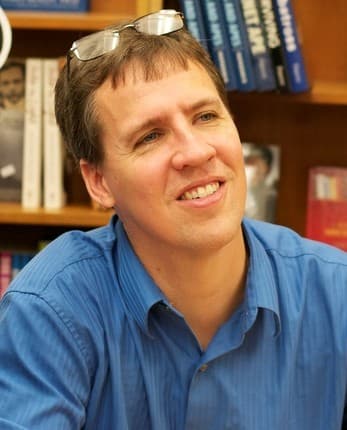
Jeffrey Patrick Kinney is an American author and cartoonist, best known as the creator of the children's book series Diary of a Wimpy Kid. He also created the child-oriented website Poptropica.
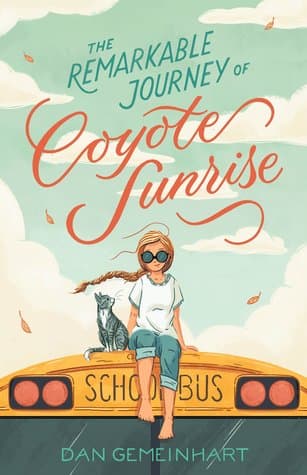
Dan Gemeinhart
4.5
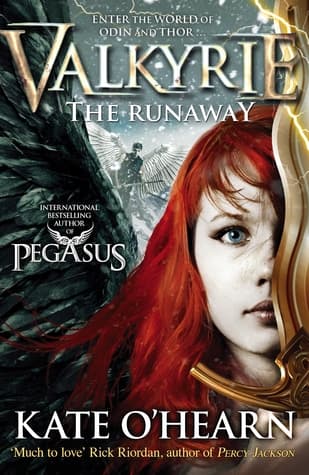
Kate O'Hearn
4.4

Jeanne Birdsall
4.4

Jen Wang
4.4
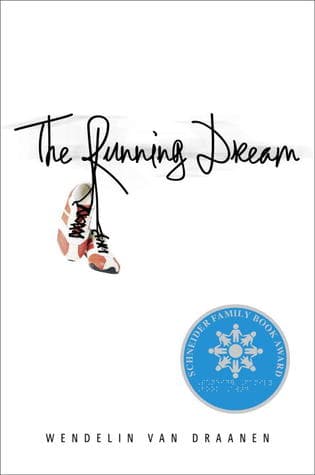
Wendelin Van Draanen
4.3

John Marsden
4.3

Chris Van Allsburg
4.3
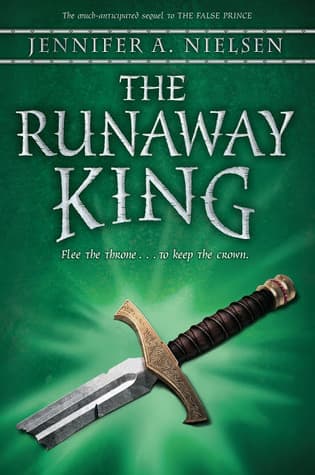
Jennifer A. Nielsen
4.2