“The worst part about being invisible isn't that people don't see you. It's that you start to believe it.”
— Maeve reflects on her feelings of being overlooked.


Phoebe Stone (2008)
Genre
Children's / Young Adult / Romance
Reading Time
280 min
Key Themes
See below
Sign in to track this book
A tomboy sixth-grader navigates first love when her popular crush, sidelined by an injury, unexpectedly enters her world, leaving her to wonder if their connection will last beyond his recovery.
Jessie Lou O'Malley, a sixth-grader in Northfield, Vermont, is consumed by her secret love for Conrad Parker Smith, the most popular boy at Northfield Elementary. Jessie Lou is a tomboy, known for her short hair, love of sports, and disinterest in typical 'girly' things, which often leaves her feeling like an outsider. Her only consistent friend is the on-again, off-again Eddie. She spends her days observing Conrad from afar, fantasizing about a connection, and feeling inadequate next to his easy popularity. Her thoughts are filled with longing and self-doubt, comparing her own image with the 'perfect' girls she believes Conrad would notice.
The social dynamics of Northfield Elementary change when Conrad Parker Smith, known for his athleticism and leadership on the playground, suffers a serious leg injury. He breaks his leg in multiple places, requiring a cast and crutches, sidelining him from all his usual activities, including sports and his group of friends. This accident leaves Conrad feeling isolated and frustrated, unable to participate in the games and social rituals that defined his popularity. Jessie Lou, seeing his struggle, feels a mix of sympathy and a strange, hesitant hope, as his vulnerability makes him seem more accessible than ever before.
With Conrad sidelined, his usual friends drift away, leaving him lonely during recess and after school. Jessie Lou, observing this, starts to tentatively approach him. Their initial interactions are awkward but soon grow as they discover a mutual love for reading and quiet conversations. Jessie Lou, known for her intelligence and thoughtful nature, begins to share her insights on books and life, finding that Conrad genuinely listens and responds. They spend time together in the library, on park benches, and even at Conrad's house, having deeper discussions than either of them typically have with their peers. Jessie Lou is thrilled but also anxious, wondering if this newfound friendship is genuine or merely a temporary convenience for Conrad.
Just as Jessie Lou and Conrad's friendship deepens, a new girl, Emily, arrives in Northfield. Emily is everything Jessie Lou perceives herself not to be: conventionally pretty, graceful, and immediately popular with the 'in' crowd. Emily quickly takes an interest in Conrad, drawn to his quiet charm and the sympathy surrounding his injury. Jessie Lou finds herself consumed by jealousy as she watches Conrad interact with Emily, fearing that Emily represents the kind of girl Conrad would truly be interested in once his leg heals. This new dynamic brings Jessie Lou's insecurities to the forefront, making her question the true nature of her bond with Conrad.
The school prepares for the annual Halloween dance, a significant social event. Jessie Lou, despite her tomboyish nature, feels a pull to attend, hoping for a moment with Conrad. She considers asking him, but her courage falters. Meanwhile, Eddie, her on-again, off-again friend, asks her to the dance. Jessie Lou, torn between her loyalty to Eddie and her longing for Conrad, agrees to go with Eddie. At the dance, she observes Conrad from afar, seeing him interact with Emily and feeling a pang of disappointment and jealousy. The evening highlights her internal conflict between her desire to fit in and her authentic self.
A series of small misunderstandings and overheard conversations lead Jessie Lou to believe that Conrad is more interested in Emily than he is in her. This deeply wounds her, reinforcing her deepest fears about her unworthiness. She pulls back from Conrad, feeling hurt and betrayed. However, during a quiet moment, Conrad confronts her, sensing her distance. He clarifies his feelings, explaining that while he enjoys Emily's company, his connection with Jessie Lou is unique and important to him. This conversation is a turning point, reassuring Jessie Lou that her friendship with Conrad is genuine and not just a temporary substitute.
The day arrives when Conrad's leg brace is finally removed. This milestone is met with mixed emotions for Jessie Lou. While she is happy for Conrad's recovery, a wave of familiar anxiety washes over her. She fears that with his physical limitations gone, Conrad will immediately revert to his old popular self, leaving her behind and forgetting their shared moments of quiet intimacy. She watches him cautiously, anticipating his return to the sports field and his old group of friends, bracing herself for the inevitable shift in their dynamic and the potential loss of their special connection.
Despite Jessie Lou's fears, Conrad does not immediately abandon her for his old crowd. While he does rejoin some of his previous activities, he makes an effort to continue spending time with Jessie Lou. He seeks her out, invites her to hang out, and continues their quiet conversations. These actions reassure Jessie Lou that their bond was not merely a product of his injury. He shows her that he values her intelligence, her unique perspective, and her genuine friendship, proving that their connection runs deeper than just convenience. This period is a test for their evolving relationship, which it passes.
Jessie Lou begins to understand that 'popularity' is not just about being the most visible or athletic. Through her friendship with Conrad, she sees that true connection and mutual respect are far more meaningful. She observes that Conrad, even back on his feet, still values their shared interests and quiet moments. She starts to feel more comfortable in her own skin, realizing that her unique qualities are precisely what drew Conrad to her. This shift in perspective allows her to redefine what it means to be 'popular,' valuing authentic relationships over superficial status.
As the school year progresses, the bond between Jessie Lou and Conrad deepens further. One afternoon, during a quiet moment, their unspoken feelings culminate in a tentative, sweet first kiss. This moment solidifies their transition from close friends to something more, acknowledging the romantic undertones that have been present throughout their journey. The kiss signifies a mutual understanding and a promise of future possibilities, leaving Jessie Lou with a sense of hope and joy. It marks the culmination of her long-held crush and the beginning of a new, exciting chapter in her life, built on a foundation of genuine connection and shared understanding.
The Protagonist
Jessie Lou grows from a self-conscious tomboy consumed by an unrequited crush into a more self-assured young girl who understands the value of genuine connection over superficial popularity, ultimately finding reciprocal affection.
The Love Interest/Secondary Protagonist
Conrad transitions from being defined by his popularity and athleticism to appreciating deeper, more intellectual connections, ultimately recognizing and valuing Jessie Lou's unique qualities.
The Supporting
Eddie remains a loyal friend to Jessie Lou, adapting to her changing social landscape.
The Supporting
Emily serves as a catalyst for Jessie Lou's internal conflict, but her role is largely static.
The Supporting
Her arc is static, providing a supportive background for the main characters.
The Supporting
His arc is static, providing a supportive background for the main characters.
The Supporting
Her arc is static, representing a traditional perspective that Jessie Lou navigates.
The novel explores the nature of popularity, contrasting superficial status with genuine connection. Initially, Jessie Lou idealizes Conrad's 'deep down popularity' based on his athletic prowess and social standing. However, Conrad's injury strips away his superficial popularity, revealing a quieter, more thoughtful side. Jessie Lou learns that true popularity is being genuinely liked and respected for who you are, rather than for what you can do or how you look. This is evident when Conrad, even after recovering, continues to value his quiet time with Jessie Lou over rejoining his boisterous friends.
“Maybe deep down popular wasn't about being the best at everything, but about being truly seen.”
Jessie Lou's journey is about accepting herself as a tomboy in a world that often expects girls to be traditionally feminine. She grapples with her short hair, her love for sports, and her disinterest in 'girly' things, constantly comparing herself to girls like Emily. Her friendship with Conrad, who values her intelligence and unique perspective, helps her to see that her authentic self is her greatest asset. By the end, she realizes that she does not need to change who she is to be loved or popular, finding confidence in her own identity.
“I was me. And maybe, just maybe, that was enough.”
The story shows how relationships can grow from initial crushes and superficial interactions into deep, meaningful connections. Jessie Lou's unrequited crush on Conrad transforms into a genuine friendship built on shared interests and mutual respect, which then blossoms into first love. The initial awkwardness and the challenges (like Emily's arrival) test and strengthen their bond. The novel highlights that true love often grows from a foundation of genuine understanding and companionship, rather than just immediate attraction.
“It wasn't just a crush anymore. It was... real. Like a book you never wanted to end.”
Conrad's leg injury is a catalyst for his and Jessie Lou's connection. His vulnerability, stemming from his physical limitations and social isolation, allows Jessie Lou to approach him and for him to open up. It strips away his 'popular' facade, revealing a more introspective and sensitive boy. This shared vulnerability creates a safe space for them to connect on a deeper level, showing that true intimacy often arises when people are open about their struggles and imperfections.
“His injury had opened a door, a quiet little door that only I seemed to notice.”
A physical disability that isolates Conrad and changes his social dynamics.
Conrad's broken leg is the primary inciting incident and a crucial plot device. It removes him from his popular, athletic sphere, making him vulnerable and accessible to Jessie Lou. Without the injury, their paths might never have truly crossed, or their connection wouldn't have had the space to deepen. It serves as a literal and metaphorical 'leveler,' bringing the popular boy down to earth and allowing a more genuine relationship to form outside the usual social hierarchies of middle school.
A common interest that forms the foundation of Jessie Lou and Conrad's connection.
The shared love for reading and books is a significant plot device. It provides a common ground and an immediate topic for conversation between Jessie Lou and Conrad, bypassing their initial awkwardness. Their discussions about stories and characters allow them to explore deeper themes and reveal their intellectual and emotional depths to each other. It's a quiet, introspective activity that contrasts with Conrad's previous athletic pursuits, highlighting the shift in his interests and the genuine nature of their bond.
A romantic rival who fuels Jessie Lou's insecurities and tests her relationship with Conrad.
Emily, the new girl, functions as a classic romantic rival and a catalyst for Jessie Lou's internal conflict. Her conventional beauty and immediate popularity serve to amplify Jessie Lou's self-doubt and jealousy, forcing her to confront her deepest insecurities about her appearance and worthiness. Emily's presence tests the strength of Conrad and Jessie Lou's budding relationship, making Jessie Lou question whether their connection is strong enough to withstand external pressures and Conrad's return to his former social standing.
Jessie Lou's detailed thoughts and feelings, providing deep insight into her character.
Jessie Lou's extensive internal monologue is a key plot device, allowing readers direct access to her anxieties, hopes, and observations. It's through her thoughts that the nuances of her crush, her self-consciousness, and her evolving understanding of popularity are explored. This device builds a strong empathetic connection with the protagonist, making her journey of self-discovery and first love deeply personal and relatable. It also provides a stark contrast between her inner world and the external social dynamics of middle school.
“The worst part about being invisible isn't that people don't see you. It's that you start to believe it.”
— Maeve reflects on her feelings of being overlooked.
“Sometimes the biggest secrets aren't the ones you tell, but the ones you keep from yourself.”
— Maeve contemplates her own hidden desires and truths.
“Popularity is like a mirage. You chase it, but it's never really there, and you end up thirstier than before.”
— Maeve's cynical view of the social hierarchy at school.
“It's funny how you can know someone your whole life, and then one day, they just... change. Or maybe you do.”
— Maeve observes changes in her long-time friends and herself.
“Being brave isn't about not being scared. It's about being scared and doing it anyway.”
— Maeve's internal monologue as she considers taking a risk.
“The library was my fortress, my escape. Every book a window to somewhere else.”
— Maeve describes her love for reading and the library.
“You can pretend all you want, but eventually, the truth has a way of bubbling up.”
— Maeve considers the inevitability of honesty.
“Love isn't always fireworks. Sometimes it's just a quiet understanding, a comfortable silence.”
— Maeve's evolving perception of romantic love.
“The hardest part of growing up is realizing that not everyone stays. Some people are just passing through.”
— Maeve reflects on the transient nature of some relationships.
“Sometimes the people you least expect are the ones who see you most clearly.”
— Maeve discovers an unexpected ally or confidant.
“It's not about fitting in. It's about finding where you belong.”
— Maeve's realization about self-acceptance and community.
“A good story isn't just about what happens, but how it changes you.”
— Maeve's reflections on the power of narrative and personal growth.
“Maybe being 'popular' isn't about being liked by everyone, but about being truly liked by the right people.”
— Maeve redefines her understanding of what it means to be popular.
Ready to see how well you understood this book? Take our interactive quiz with 10 questions.

Dan Gemeinhart
4.5

Kate O'Hearn
4.4

Jeanne Birdsall
4.4

Jen Wang
4.4
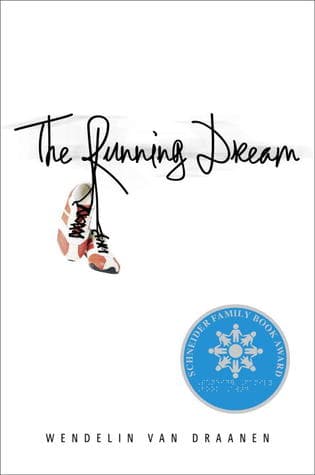
Wendelin Van Draanen
4.3

John Marsden
4.3

Chris Van Allsburg
4.3
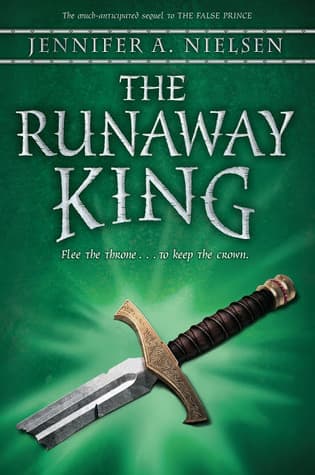
Jennifer A. Nielsen
4.2