“The great thing about the future is that it comes only one day at a time.”
— A general observation on the gradual unfolding of time.

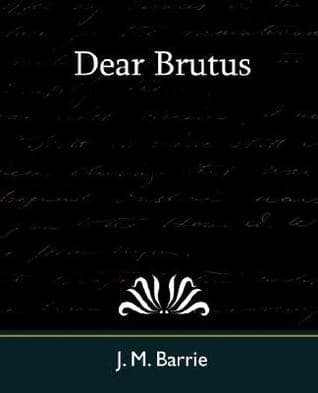
Sign in to track this book
On a midsummer's eve, a group of unhappy guests enter an enchanted forest that shows them the lives they might have had, only to learn that character, not circumstance, shapes destiny.
On Midsummer Eve, a group of different guests gathers at a remote country house. Their host is Mr. Lob, an ancient man with a mischievous look and a strange connection to the supernatural. The guests include the unhappily married Mr. and Mrs. Dearth; Mr. Dearth is an artist whose career never succeeded. Also there are Joanna Trout, a flirtatious young woman; Mr. Coade, a quiet, scholarly man; and the fashionable couple, Mr. and Mrs. Purdie, who are both restless. Lob hints at a magical wood that appears only on this night, promising a chance for each of them to see what their lives might have been like if they had made different choices. The guests are doubtful but interested by Lob's odd statements and the strange feel of the house.
As the clock strikes midnight, a dense, enchanted wood appears outside the house. Mr. Lob explains that this wood offers a look into 'might-have-been' lives, where different decisions led to different outcomes. Despite some initial worry, the guests are drawn to the wood. Mrs. Dearth, frustrated with her childless marriage, is especially eager to explore. Mr. Dearth, still wanting his lost artistic potential, also feels a strong pull. One by one, they go into the mysterious forest, each hoping to find answers or perhaps a better version of themselves. Lob watches them go, a knowing smile on his lips, hinting at the deeper truths that await them inside the magical trees.
Inside the wood, Mr. Dearth finds himself in an alternate reality. He is no longer the struggling, alcoholic artist but a celebrated painter, living in a charming cottage. Most importantly, he has a loving daughter named Margaret. Margaret brings all the joy and purpose Dearth lacked in his real life, inspiring his art and filling him with a deep sense of fatherly love. He is completely devoted to her, and his artistic success comes directly from the happiness and stability she brings. This 'might-have-been' life is everything he ever wanted, and he enjoys being a father and an artist, completely forgetting his real-world wife, Mrs. Dearth.
Meanwhile, Mrs. Dearth's alternate life within the wood unfolds differently. She finds she is married to Mr. Purdie, one of the other guests, and not her real-life husband, Mr. Dearth. Despite this change, her situation is similar to her actual life – she is still childless and remains deeply unhappy. The change in spouse has not altered her basic unhappiness, showing that her problems may come more from her own character than from her specific husband. She is bitter and critical, much as she is in her real life, highlighting the idea that a change in outside events does not always lead to inner happiness.
Mr. and Mrs. Purdie also experience their own 'might-have-been' lives. In their alternate reality, their roles are largely reversed: Mrs. Purdie, who is flirtatious in real life, is now married to Mr. Dearth, while Mr. Purdie is married to Joanna Trout. Despite these new pairings, neither finds true happiness. Mrs. Purdie, married to Dearth, is still restless and bored, while Mr. Purdie, married to Joanna, is also unfulfilled. Their alternate lives only rearrange their relationships without fixing the underlying character flaws and desires that make them unhappy in the first place. This supports the play's main idea that one's character, rather than outside events, determines happiness.
Joanna Trout, the young and flirtatious guest, finds herself in an alternate life where her flirtatious ways have led her to a lonely existence. She is a single woman, living a quiet, unattached life, having seemingly pushed away potential partners through her superficiality. This 'might-have-been' shows her the possible results of her real-life behavior, suggesting that her constant search for attention, without real connection, could lead to isolation. It is a sharp contrast to the lively, desired woman she presents herself as in her real life, offering a serious look at a future she might unknowingly be creating for herself.
Interestingly, Mr. Coade, the quiet and scholarly guest, seems least affected by the magic of the wood. When he returns from his 'might-have-been,' he reports little change in his situation or mood. He seems happy with his life, whether in the alternate reality or the real one. This suggests that his inner peace and happiness do not depend on outside factors or different choices, but rather come from his basic character and acceptance of his lot. His experience contrasts with the other characters, showing that real contentment comes from within, rather than from a different path.
As the sun rises, the magical wood slowly begins to disappear, and the guests gradually awaken from their alternate realities. The memories of their 'might-have-been' lives are strong at first, causing confusion and a feeling of longing, especially for Mr. Dearth who desperately holds onto the memory of his daughter, Margaret. He struggles to accept the deep love he felt for her with the reality of his childless marriage to Mrs. Dearth. The other guests also deal with what they have seen, some feeling regret for missed chances, others a renewed sense of disappointment, and a few a flicker of understanding about their own natures.
Mr. Dearth is heartbroken by the 'loss' of his daughter Margaret, who never existed in his real life. He questions Lob, asking why he was shown such a beautiful vision only to have it taken away. Lob, with his mix of wisdom and mischief, explains that the wood does not change people's basic character; it merely shows them the results of their choices and who they truly are. He implies that Dearth's artistic failure and lack of a child came from his own weaknesses and choices, not just bad luck. Lob suggests that the experience should be a lesson, not a source of endless regret.
The guests must face the reality of their actual lives. Mr. Dearth, though still grieving Margaret, starts to understand that his 'might-have-been' success and happiness were linked to a different, more responsible version of himself. Mrs. Dearth remains cynical, seemingly unchanged by her experience. The Purdies, too, return to their arguments, their alternate lives having offered no real solutions. Joanna Trout, however, shows a hint of thought, perhaps realizing the emptiness of her superficiality. The wood has revealed their true natures and the direct impact of their choices, leaving them to decide whether to learn from the experience or return to old patterns.
As the morning goes on, the enchanted wood completely vanishes, leaving no trace. The guests prepare to leave Lob's house, each carrying the weight of their recent experiences. The memories of their 'might-have-been' lives are clear, especially for Dearth, whose grief for Margaret is strong. Lob observes them, a quiet reminder of the human tendency to blame fate rather than take responsibility for one's own character and choices. The play ends with the guests returning to their ordinary lives, forever affected by the glimpse of what could have been and the realization that their own dispositions create their destinies, showing that 'the fault, dear Brutus, is not in our stars, but in ourselves.'
The Host/Magical Figure
Lob remains largely unchanged, serving as a constant, all-knowing force that facilitates the other characters' arcs.
The Protagonist
Dearth moves from self-pity and blame to a painful but profound understanding of his own character's role in his fate.
The Supporting/Antagonist
Mrs. Dearth largely resists change, remaining cynical and seemingly unimpacted by the revelations of the wood, highlighting the difficulty of altering ingrained character.
The Supporting
Purdie's experience shows that changing external partners doesn't solve internal dissatisfaction, reinforcing his unchanging, restless nature.
The Supporting
Similar to her husband, Mrs. Purdie's experience in the wood confirms her inherent restlessness, with little internal change.
The Supporting
Joanna shows potential for growth, moving from carefree flirtation to a dawning realization of the potential emptiness of her path.
The Supporting
Mr. Coade's arc is one of steadfast contentment, serving as a benchmark against which the other characters' struggles are measured.
The Mentioned/Symbolic
Margaret's existence, though fleeting, serves as a pivotal point for Mr. Dearth's character development, representing a lost ideal.
The main theme, shown by the play's title, is that an individual's character and choices, not outside events or fate, decide their happiness and destiny. The magical wood provides 'might-have-been' lives, but these alternate realities consistently show that the characters' basic flaws and good qualities continue regardless of changed partners or careers. Mr. Dearth's potential for artistic success and fatherhood in the wood is tied to a more responsible version of himself, while Mrs. Dearth and the Purdies remain unhappy despite different spouses. Mr. Coade's happiness, unchanged in the wood, further highlights this, suggesting inner peace is a personal trait.
“The fault, dear Brutus, is not in our stars, / But in ourselves, that we are underlings.”
The play explores the human tendency to think about 'what might have been' and the pain of missed chances. The magical wood directly shows the characters these alternate paths. Mr. Dearth's deep grief for his non-existent daughter, Margaret, is the most moving example of this theme. The characters must face the results of their past choices and the possible happiness or sorrow that escaped them. This theme encourages self-reflection, prompting the audience to consider their own choices and regrets.
“There are always two chances, you know. The second chance, which is no chance at all, and the first chance, which is all chance.”
Barrie asks what truly makes up happiness and fulfillment. Is it outside success, romantic love, or something internal? The characters' experiences in the wood suggest that real happiness is not found by simply changing partners or jobs. Mrs. Dearth and the Purdies remain unhappy even in their alternate, seemingly better situations. Only Mr. Coade, who is happy in both realities, and Mr. Dearth, who finds deep love and purpose through fatherhood (in the alternate reality), hint at a deeper, internal source of happiness. The play suggests that self-awareness and personal growth are more important than outside factors.
“I suppose it's the only way to find out what you really are, to be somebody else for a bit.”
The play's entire idea deals with the unclear lines between illusion and reality. The magical wood offers a convincing illusion of alternate lives, which feel very real to the characters. Mr. Dearth's struggle to accept the clear memory of his daughter Margaret with the reality of her not existing is a powerful example. This theme explores how easily humans can be drawn in by fantasy and how hard it can be to return to a sometimes harsh reality, especially when the illusion offers something deeply desired. Lob's role is to present these illusions to reveal deeper truths about reality.
“The wood is not for changing you, but for showing you.”
A supernatural forest that appears on Midsummer Eve, revealing 'might-have-been' lives.
The magical wood is the central plot device. It materializes mysteriously on Midsummer Eve, offering each character a glimpse into an alternate life they might have lived had they made different choices. It functions as a psychological mirror, reflecting their unfulfilled desires, hidden potential, and the consequences of their character flaws. The wood is not merely a setting but an active catalyst for the characters' self-discovery, forcing them to confront the reality of their choices and who they truly are.
The host's mysterious powers and cryptic pronouncements drive the narrative.
Mr. Lob's character serves as a significant plot device. His ancient, mischievous, and seemingly magical nature is what brings the disparate characters together and introduces the concept of the 'might-have-been' lives. His cryptic pronouncements and detached observations guide the audience towards the play's central themes without explicitly stating them. He is the orchestrator of the magical experience, a deus ex machina figure who sets the events in motion and provides a philosophical framework for understanding them.
The traditional magical night enhances the fantastical elements and theme of transformation.
The choice of Midsummer Eve as the setting is a crucial plot device. Historically associated with magic, fairies, and the blurring of worlds, it provides a believable (within the play's fantastical context) backdrop for the appearance of the magical wood. This traditional association with enchantment immediately signals to the audience that extraordinary events are about to unfold, creating an atmosphere of wonder and possibility that facilitates the characters' willingness to enter the wood and explore alternate realities.
The depiction of 'might-have-been' lives to reveal character and consequences.
The presentation of parallel lives or alternate realities is the core mechanism through which the play explores its themes. By showing each character a different version of their existence based on different choices, Barrie directly illustrates the impact of character and decision-making. This device allows for a dramatic comparison between 'what is' and 'what could have been,' highlighting how fundamental dispositions persist or how specific choices lead to profound changes in happiness and circumstance, particularly for Mr. Dearth.
“The great thing about the future is that it comes only one day at a time.”
— A general observation on the gradual unfolding of time.
“It is not in the stars to hold our destiny but in ourselves.”
— Mabel's reflection on personal responsibility for one's life.
“We are all of us, in some measure, the makers of our own fortunes.”
— A character's musing on the impact of individual choices.
“You can never tell what a bad man will do, but you can always tell what a good man will do.”
— Joanna's cynical view on human nature and predictability.
“There are no second chances, not really.”
— Lady Caroline's somber reflection on irreversible choices.
“If you don't believe in fairies, they die.”
— A playful but profound statement about belief and existence.
“What we are, we are not because of what we have, but because of what we are.”
— A philosophical point about identity beyond possessions.
“It's a mistake to think that you can ever really know another person.”
— Dearth's observation on the inherent mystery of human relationships.
“The past is a foreign country; they do things differently there.”
— A character's thought on the disconnect between present and past experiences.
“Every man has a secret life, which is unknown even to himself.”
— A deep dive into the subconscious and hidden aspects of personality.
“The saddest thing in life is wasted talent.”
— A lament about unfulfilled potential and missed opportunities.
“It is not the years in your life but the life in your years that counts.”
— A reflection on the quality of life over mere longevity.
“We are all prisoners of our own ideas.”
— A character's insight into the limitations imposed by one's own mindset.
Ready to see how well you understood this book? Take our interactive quiz with 10 questions.
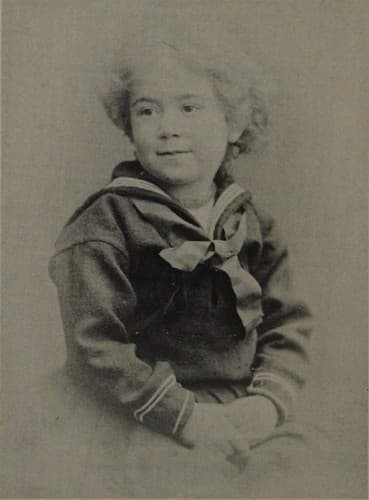
Sir James Matthew Barrie, 1st Baronet, was a Scottish novelist and playwright, best remembered as the creator of Peter Pan. He was born and educated in Scotland and then moved to London, where he wrote several successful novels and plays. There he met the Llewelyn Davies boys, who inspired him to write about a baby boy who has magical adventures in Kensington Gardens, then to write Peter Pan, or The Boy Who Wouldn't Grow Up, a 1904 West End "fairy play" about an ageless boy and an ordinary girl named Wendy who have adventures in the fantasy setting of Neverland.







