“The fog was so thick, I could barely see my hand in front of my face. It was like the world had disappeared.”
— Angie and her friends driving into the mysterious fog on their way to Poinsettia Island.

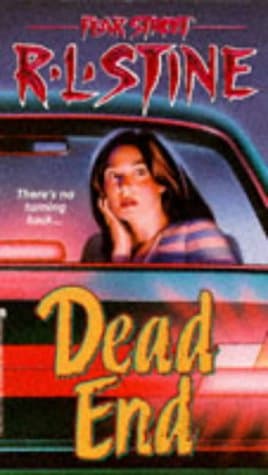
R.L. Stine (1995)
Genre
Thriller / Children's / Mystery / Young Adult
Reading Time
90 min
Key Themes
See below
Sign in to track this book
Teenagers who covered up a fatal car accident are terrorized by an anonymous blackmailer who knows their secret, leaving them trapped and afraid.
The story begins with Natalie Erickson remembering a horrifying event from the previous summer. She, her boyfriend Chip, and their friends Deirdre, Carla, and Denny were driving on a foggy night. Chip, who had been drinking, drove recklessly on the winding road to the dead end, a local hangout. Despite Natalie's pleas for him to slow down, Chip kept speeding. As they neared the dead end, a figure suddenly appeared in the road. Chip swerved, but it was too late. They heard a sickening thud. Scared and panicked, the group decided to flee the scene, convincing themselves no one would ever find out. This shared secret becomes a dark cloud over their lives.
Months after the accident, Natalie starts receiving strange and disturbing notes. The first is a simple "I KNOW" left on her locker at school. This is followed by a chilling message written on her car's fogged-up window: "DEAD END." These anonymous threats begin to unravel Natalie's already fragile composure, making her paranoid and suspicious of everyone. She confides in Chip, but he dismisses her fears, urging her to forget about it. However, the escalating threats make it clear to Natalie that their secret is no longer safe, and someone is deliberately trying to terrorize them.
The anonymous tormentor intensifies their campaign. Deirdre finds a dead bird in her locker, and Carla's car tires are slashed. Denny receives a package containing a doll with its head twisted off, a chilling reminder of the accident. These incidents confirm to the group that the threats are real and directed at all of them, not just Natalie. Paranoia grips the friends, and they begin to suspect each other. Natalie starts to question Chip's dismissive attitude and wonders if one of their own is behind the terror, or if someone outside their circle witnessed the accident and now seeks revenge.
Driven by desperation and a need for answers, Natalie persuades Chip to drive her back to the dead end where the accident happened. They hope to find some clue, some forgotten detail that might explain who is tormenting them. The return to the scene is full of tension and fear, bringing back vivid, traumatic memories of that foggy night. As they search the area, the desolate surroundings and the lingering sense of dread only amplify their anxieties, offering no clear answers but deepening their sense of being trapped by their past actions. The visit leaves Natalie more disturbed than before.
A new student named Nora transfers to their school. Natalie finds Nora's presence unsettling, especially when Nora seems to observe their group closely. Nora is quiet and often appears in unexpected places, further fueling Natalie's paranoia. While there's no direct evidence, Natalie's gut feeling tells her that Nora might be connected to the ongoing threats. The arrival of an outsider who seems to know too much or be too interested in their group adds another layer of suspicion and fear to the already tense atmosphere among the friends, making them wonder if she knows their secret.
The constant terror and anonymous threats cause the group's fragile alliance to crumble. Accusations fly as they start to suspect each other. Deirdre confronts Natalie, suggesting that perhaps Natalie herself is orchestrating the threats, or that Chip is. Chip, in turn, lashes out at Denny, questioning his loyalty. The trust that once bound them is shattered, replaced by fear and suspicion. Each friend sees the others as potential enemies, and the once-solid group is now a collection of isolated, terrified individuals, each wondering who among them is the betrayer or the target.
Natalie receives a terrifying phone call. The voice on the other end is distorted and menacing, directly referencing the dead end accident. The caller taunts her, saying things like, "You can't hide," and "I know what you did." This direct contact, rather than just notes or pranks, pushes Natalie to the brink. The call confirms that the tormentor is not just playing games but is actively trying to break them down, and that the person knows intimate details of the accident, suggesting they were either present or have been meticulously investigating the incident.
While driving home alone one evening, Natalie's car experiences a sudden malfunction. Her brakes seem to fail, and she barely manages to avoid a serious accident. She suspects this was no mere coincidence but another deliberate attempt by the tormentor to scare or even harm her. The incident intensifies her fear and makes her realize the danger is becoming physical. She reports it to Chip, who is also shaken, but still seems reluctant to take the threats as seriously as Natalie does, adding to her frustration and sense of isolation.
Natalie receives a final, cryptic message, instructing her to meet the tormentor at the dead end. Despite her terror, she feels compelled to go, believing it's the only way to end the nightmare. She arrives alone, the fog once again thick, mirroring the night of the accident. The atmosphere is heavy with dread. As she waits, she realizes she's walked directly into a trap. The desolate location and the isolation amplify her vulnerability, setting the stage for the dramatic and terrifying climax where the truth will finally be revealed.
At the dead end, the tormentor finally reveals themselves: it's Nora, the new student. Nora confronts Natalie, revealing that the person killed that night was her older brother. She had been searching for answers about his disappearance and had pieced together the truth about the hit-and-run, specifically identifying Chip's car. Nora, consumed by grief and a desire for justice, orchestrated the campaign of terror to make the friends suffer and confess. She explains how she meticulously planned her transfer to their school and gathered evidence to expose their secret.
Nora then reveals that she has lured not just Natalie, but the entire group to the dead end, having sent each of them similar messages. She confronts them with the truth, detailing how she knew they were responsible for her brother's death. Faced with Nora's unwavering resolve and the undeniable evidence she presents, Chip finally breaks down and confesses their involvement in the hit-and-run. The weight of their secret, amplified by Nora's relentless pursuit, becomes too much for him to bear, leading to a moment of truth and accountability for their actions.
With Chip's confession, the truth is out. The group must face the legal and moral consequences of their actions. The police are involved, and the friends must account for their role in the hit-and-run and subsequent cover-up. While the outcome for the friends is grim, Nora finally achieves some closure and justice for her brother's death. The story concludes with the understanding that secrets, especially those involving such a grave act, can never truly remain buried, and that justice, however delayed, will eventually find its way.
The Protagonist
Natalie transforms from a guilt-ridden accomplice to someone who, though still fearful, eventually confronts the truth and its consequences.
The Supporting/Antagonist
Chip starts as defiant and dismissive, eventually breaking down and confessing under pressure, showing the weight of his guilt.
The Antagonist
Nora's arc is one of relentless pursuit of justice, culminating in the exposure of the truth and a measure of peace.
The Supporting
Deirdre's character remains largely static in her fear and suspicion, showing the corrosive effect of guilt and paranoia.
The Supporting
Carla's arc primarily highlights the shared terror and the breakdown of trust within the group.
The Supporting
Denny's character arc reinforces the theme of guilt and paranoia, showing how it isolates individuals within a group.
The Mentioned
Not applicable as he is deceased, but his death is the catalyst for the entire plot.
The main theme is the crushing weight of guilt after a terrible act and its inevitable consequences. Natalie and her friends are tormented not just by an external force, but by their own consciences and the fear of exposure. The anonymous threats are a physical manifestation of their internal guilt, never letting them forget what they did. The story shows that covering up a crime, no matter how accidental, leads to more agonizing and prolonged suffering than facing the truth immediately, as seen in the slow unraveling of the friends' lives and trust.
“That's the problem with dead ends — there's no way out!”
The novel shows how a shared secret, especially one as dark as a hit-and-run, can destroy trust and relationships. The friends' initial pact to remain silent slowly turns into paranoia and accusations, turning them against each other. The secret isolates them, preventing them from seeking help or comfort, and poisons their interactions. This theme is clear in how Natalie's once-solid friendship with Chip and the others crumbles under the pressure of the threats, showing that secrets can be more destructive than the truth they conceal.
“You can't hide what you did. I know.”
The theme of justice, or revenge, is personified by Nora. Unable to find official justice for her brother's death, she takes matters into her own hands. Her elaborate plan to terrorize the friends and force a confession highlights the deep human need for accountability and closure when a wrong has been committed. While her methods are terrifying, her motivation comes from a profound sense of loss and a desire to see the perpetrators suffer and ultimately admit their wrongdoing, demonstrating that justice often finds a way, even if through unconventional means.
“My brother deserved justice. You deserved to pay.”
Despite the friends' best efforts to bury the past, the truth of the dead end accident relentlessly resurfaces. The anonymous threats, the psychological torment, and eventually Nora's direct confrontation, all point to the idea that some truths cannot remain hidden forever. The story suggests that reality catches up, and that denying or avoiding the truth only prolongs the agony. The climax where Chip finally confesses highlights this inevitability, proving that the past will always demand its due.
“I know what you did last summer.”
Notes, calls, and pranks from an unknown source.
The anonymous threats, initially simple notes like 'I KNOW' and 'DEAD END', escalate to more elaborate and terrifying acts such as a dead bird in a locker, slashed tires, and a chilling phone call. This device creates suspense and paranoia, keeping both the characters and the reader guessing about the tormentor's identity and their next move. It also serves to externalize the characters' internal guilt, making their secret a tangible, haunting presence.
A literal and metaphorical location of no escape.
The 'dead end' road is more than just a physical location; it's a powerful metaphor for the characters' situation. It's where the accident occurred, symbolizing the end of their innocence and the beginning of their nightmare. Metaphorically, they are at a 'dead end' in their lives, trapped by their secret with no clear way out. Repeated visits to this location, especially the final confrontation, heighten the sense of dread and inevitability, reinforcing the idea that they cannot escape their past.
Misleading clues designed to divert suspicion.
The story employs red herrings by subtly directing suspicion towards various characters within the group, and initially, even towards Natalie herself. For instance, the growing mistrust among the friends, fueled by their paranoia, makes them suspect each other. This misdirection keeps the reader from guessing Nora's true identity and motive until the very end, adding to the mystery and suspense by making multiple characters seem like plausible culprits or victims of manipulation.
Recollection of the accident that sets up the conflict.
The story opens with a vivid flashback to the night of the hit-and-run accident. This device immediately establishes the central conflict and the dark secret that binds the characters. It provides crucial exposition, immersing the reader in the traumatic event and setting the tone for the suspense and guilt that will permeate the rest of the narrative. The recurring mental images of that night for Natalie serve as constant reminders of her burden.
“The fog was so thick, I could barely see my hand in front of my face. It was like the world had disappeared.”
— Angie and her friends driving into the mysterious fog on their way to Poinsettia Island.
“This island... it feels like it's holding its breath, waiting for something to happen.”
— Angie's initial impression of Poinsettia Island.
“We're trapped. On an island. With a killer.”
— The realization hitting Angie and her friends after the first disappearance/death.
“Every shadow seemed to lengthen, to twist into something menacing.”
— Angie's growing paranoia as events unfold on the island.
“It wasn't just the storm that was raging; it was something else, something much more sinister.”
— The characters realizing the danger isn't just natural, but human.
“You can run, but you can't hide from what's inside the island.”
— A cryptic warning or thought about the island's secrets.
“The silence was worse than any scream. It meant they were gone.”
— Angie reacting to the sudden disappearance of a friend.
“We came here for a party. Now it's a nightmare.”
— A character lamenting their decision to come to the island.
“Trust no one. Not even your closest friends.”
— The escalating paranoia among the group, unsure who the killer might be.
“The wind howled like a hungry beast, rattling the windows, trying to get in.”
— Describing the intense storm coinciding with the escalating danger.
“This island has a history. A dark one.”
— A character revealing or realizing the island's past secrets.
“I felt a cold dread, a certainty that we wouldn't all make it off this island alive.”
— Angie's growing premonition of danger and death.
“The dead don't stay dead on Poinsettia Island.”
— A chilling thought or revelation about the supernatural or the killer's motives.
“It was a dead end, in more ways than one.”
— Angie's final realization about their predicament on the island.
Ready to see how well you understood this book? Take our interactive quiz with 10 questions.

Biography coming soon.







