“Whether I shall turn out to be the hero of my own life, or whether that station will be held by anybody else, these pages must show.”
— Opening line of the novel, setting the stage for David's autobiography.

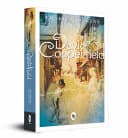
Charles Dickens (2017)
Genre
Historical Fiction
Reading Time
1500 min
Key Themes
See below
Sign in to track this book
Born into a loving home, David Copperfield's early life is shattered by a cruel stepfather, leading him on a journey through hardship, betrayal, and self-discovery to find his true identity and calling.
David Copperfield is born in Blunderstone, Suffolk, six months after his father's death. He enjoys a happy and protected early childhood with his kind, naive mother, Clara Copperfield, and their loyal servant, Peggotty. This peaceful life ends when Clara marries the strict and cruel Edward Murdstone. Mr. Murdstone quickly takes control of the household, bringing his equally severe sister, Miss Murdstone, to live with them. They isolate Clara and abuse young David, punishing him harshly. David is called a 'bad boy' and suffers under their rule, especially after biting Mr. Murdstone during a punishment.
After biting Mr. Murdstone, David is sent to Salem House, a strict boarding school run by the brutal headmaster, Mr. Creakle. Despite the school's harsh conditions and Mr. Creakle's violence, David finds some friendship. He becomes friends with James Steerforth, an older, charming, but morally questionable student whom David admires, and Tommy Traddles, a kind, if unlucky, boy. David endures school, learning about social ranks and human nature, especially through observing Steerforth's influence and Traddles's resilience.
David's time at Salem House ends abruptly with the sad news of his mother Clara's death, soon followed by the death of her infant son. He returns home for the funeral, heartbroken. Mr. Murdstone, showing no affection, quickly removes David from school and sends him to London to work in his wine-bottling factory, Murdstone and Grinby. This marks a sharp decline into poverty and hard work for David. He lives in poor conditions, enduring long hours of labor and the harsh realities of London's lower class, befriending the Micawber family, who are always struggling financially.
After a miserable time at the factory and witnessing the Micawbers' constant financial problems and Mr. Micawber's eventual imprisonment, David decides he cannot continue his wretched life. He resolves to run away from London and find his only remaining relative, his formidable great-aunt, Betsey Trotwood, whom he has never met. With very little money, David begins a long, difficult, and dangerous journey on foot to Dover. Along the way, he faces hunger, exhaustion, and encounters with various unpleasant characters, but his determination for a better life drives him forward.
Upon reaching Dover, a disheveled and exhausted David finds his great-aunt Betsey Trotwood. Initially strict, Miss Trotwood is eventually moved by David's situation and takes him in, despite the protests of her eccentric lodger, Mr. Dick. She becomes his guardian and gives him a loving, stable home. Miss Trotwood insists David receive a good education and sends him to a school in Canterbury, run by Dr. Strong. There, David does well in his studies and forms a close bond with Mr. Wickfield and his daughter Agnes, who becomes David's steady friend and moral guide.
While living with Mr. Wickfield and Agnes in Canterbury, David notices the growing power of Uriah Heep, Mr. Wickfield's overly humble and manipulative clerk. Heep, with his false modesty, slowly begins to control Mr. Wickfield's business and money, taking advantage of the lawyer's increasing alcoholism and trusting nature. David and Agnes become more suspicious of Heep's true intentions, sensing his ambition and his interest in Agnes. Heep's presence creates problems for the Wickfield household and threatens their future.
After finishing school, David moves to London to start his career, first as a proctor, and later hoping to become an author. He finds lodgings and reconnects with old friends, including James Steerforth, whose charm still captivates him, and the always-indebted Micawbers. During this time, David meets and falls deeply in love with Dora Spenlow, the beautiful but childish daughter of his employer, Mr. Spenlow. Their courtship is marked by youthful infatuation and Dora's charming but naive personality, leading to an engagement despite his aunt's disapproval.
David's admiration for James Steerforth ends with a devastating betrayal. Steerforth, despite his privileged background and David's warnings, seduces and runs away with Little Em'ly, Peggotty's niece and David's childhood friend. This ruins her reputation and brings great shame and sadness to the Peggotty family. Ham Peggotty, Em'ly's fiancé, is heartbroken, and Daniel Peggotty, Em'ly's uncle, begins a tireless, years-long search across the globe to find and rescue his niece. This tragic event deeply affects David and reveals Steerforth's darker side.
David marries Dora Spenlow, and they begin their married life. However, their happiness is short-lived, as Dora proves unable to manage a household, acting more like a child than a wife. David struggles with her impracticality and lack of understanding about serious matters, though he loves her deeply. Despite his frustrations, David remains devoted. Sadly, Dora falls ill and her health worsens. After wishing that Agnes Wickfield would one day be David's wife, Dora dies, leaving David heartbroken and in a period of deep grief and self-reflection.
While David grieves for Dora, Uriah Heep's schemes reach a peak. With the help of the reformed Mr. Micawber, who has been working for Heep and gathering evidence of his fraud, and Traddles, Heep's widespread embezzlement and fraudulent activities against Mr. Wickfield and Miss Trotwood are uncovered. Heep is revealed as a manipulative villain who systematically defrauded his employer and tried to ruin the lives of those around him. Justice is served, and Heep is eventually imprisoned, his 'umble' act shattered, restoring Mr. Wickfield's reputation and finances.
After years of searching, Daniel Peggotty finally finds Little Em'ly, now remorseful and broken, in London, abandoned by Steerforth. He arranges her safe passage to Australia, where she can start a new life away from her past shame, accompanied by Mrs. Gummidge. David, meanwhile, focuses on his writing career, becoming a successful author. He travels abroad to heal from his grief and gain perspective, returning as a more mature and self-aware person. He also witnesses the tragic death of Ham Peggotty, who drowns trying to rescue a shipwrecked sailor, who turns out to be Steerforth.
Upon returning from his travels, David finally realizes his true love has always been Agnes Wickfield, who has been his steady friend, confidante, and moral guide throughout his life. He understands that his youthful infatuation with Dora had kept him from seeing Agnes's deeper qualities and her deep affection for him. David proposes to Agnes, who returns his feelings, having loved him patiently for years. They marry and build a happy life together, raising children. David continues his successful writing career, finding contentment and peace with Agnes by his side, acknowledging her as the guiding light of his life.
The Protagonist
David evolves from an innocent, abused child into a mature, self-aware, and successful man, learning from his mistakes and recognizing true love and companionship.
The Supporting
Initially a distant and stern relative, she becomes David's loving guardian and a symbol of stability, demonstrating her underlying kindness and loyalty.
The Supporting
Agnes remains a constant, guiding presence in David's life, evolving from a childhood friend into his insightful confidante and ultimately his loving wife, embodying steadfast virtue.
The Antagonist
Heep rises from a seemingly 'umble' clerk to a powerful manipulator, only to be exposed and suffer a complete downfall, revealing the consequences of unchecked ambition and deceit.
The Supporting
Steerforth remains largely static in his character, a tragic figure whose charm masks a fatal flaw of selfishness and irresponsibility, leading to his ruin and the destruction of others.
The Supporting
Micawber progresses from a comical figure of perpetual debt to a man who, finding stability and purpose in Australia, finally achieves financial and personal success.
The Supporting
Dora remains a childlike figure, her inability to adapt to adult responsibilities eventually leading to her tragic illness and death, representing a stage of David's youthful idealism.
The Supporting
Peggotty remains a constant source of unconditional love and support for David, her character largely unchanged, embodying steadfast devotion.
The Supporting
Em'ly's arc is tragic, as she falls from innocent ambition to social ruin, ultimately finding redemption and a new life through her uncle's unwavering love.
The Supporting
Traddles progresses from a good-natured but struggling student and lawyer to a successful and respected figure, embodying perseverance and integrity.
The novel carefully follows David's journey from a naive child to a mature, self-aware adult. His early happy life ends with the Murdstones, forcing him to face cruelty and unfairness. Experiences at Salem House, the bottling factory, and later betrayals by Steerforth and the loss of Dora, remove his innocence. Each challenge helps him understand the world and himself, shaping his character and preparing him for a more meaningful adult life. This theme is central to the bildungsroman structure, showing how difficulties build character.
“Whether I shall turn out to be the hero of my own life, or whether that station will be held by anybody else, these pages must show.”
Dickens clearly shows the harsh realities of Victorian society, especially for those with little power. David's time at the Murdstone and Grinby factory highlights child labor and class differences. Little Em'ly's ruin after running away with Steerforth exposes the severe double standards and lack of options for women in that era, particularly those from lower classes. Uriah Heep's manipulative rise and fall also comment on the dangers of uncontrolled ambition and moral corruption that can exist in different social levels, contrasting with the struggles of honest poor people like the Peggottys.
“I know enough of the world now, to have almost lost the capacity of being much surprised by anything.”
The novel explores different kinds of love and family. David's early love for his mother and Peggotty sets a standard. His youthful infatuation with Dora is contrasted with the lasting, selfless love of Agnes Wickfield, which he only recognizes later. The strong devotion of the Peggotty family, especially Daniel Peggotty's determined search for Em'ly, highlights the power of family bonds. Betsey Trotwood's unexpected care for David shows that family can be found in surprising places, providing stability and support, even with strict affection.
“I had advanced in life, and had long had my share in its changes and surprises; but not a year passed over my head, without bringing me some fresh knowledge of the worth and truth of Agnes.”
Betrayal is a recurring element, from the Murdstones' cruelty to Steerforth's seduction of Em'ly. These actions cause deep suffering and disappointment for David and those around him. However, the novel also looks at redemption. Mr. Micawber, despite his lifelong financial irresponsibility, finds purpose and honor by exposing Uriah Heep, leading to his successful new life in Australia. Little Em'ly, though marked by her past, finds a path to a new, respected life through her uncle's forgiveness and persistence. Even David, in his own journey, corrects his youthful mistakes through maturity and self-awareness.
“My opinion is, that when a man has an opportunity of bettering himself, he should take it.”
As a first-person story, the novel is deeply rooted in David's memory and personal experience. The opening line sets up a retrospective account, where David, as an adult author, thinks about his past. This allows for moments where the adult narrator understands things the younger David did not. Memory shapes the story, influencing how events are seen and characters are portrayed, giving the narrative a personal and often nostalgic feel. The act of writing his own story is also a way of self-discovery and processing his past.
“I have been as good a friend to you as I could, and I shall be as good a friend to you as I can.”
The story is told by an adult David Copperfield reflecting on his past.
This device allows for a deeply personal and intimate account of David's life. The adult narrator provides insights and commentary on the younger David's experiences, often highlighting the irony or significance of events that the child or young man could not fully grasp. It shapes the tone, making it both nostalgic and reflective, and allows Dickens to explore themes of memory, growth, and self-discovery through David's mature perspective, lending authority and emotional depth to the narrative.
Characters whose contrasting traits highlight the qualities of others.
Dickens masterfully uses foil characters to emphasize key traits. Dora Spenlow, with her charming impracticality, serves as a foil to Agnes Wickfield's quiet wisdom and domestic competence, highlighting what David truly needs in a partner. Uriah Heep's false humility and insidious ambition contrast sharply with the genuine kindness and honesty of characters like Tommy Traddles and Mr. Micawber, emphasizing the dangers of hypocrisy and the value of integrity. These contrasts deepen characterization and thematic exploration.
Character names often reflect their personality or role.
Dickens frequently employs symbolic names to give readers immediate insight into a character. 'Murdstone' clearly suggests a 'murderous' or 'stony' heart, reflecting his cruel nature. 'Uriah Heep' evokes images of 'heaping' up wealth through 'creeping' manipulation. 'Copperfield' itself, with 'copper' suggesting a malleable, yet valuable, metal, reflects David's journey of being shaped by life's pressures and ultimately finding his true worth. This device adds a layer of subtle meaning and foreshadowing.
David's physical journeys parallel his emotional and psychological development.
David's life is marked by several significant journeys: his forced move to Salem House, his harrowing walk from London to Dover to find Betsey Trotwood, and his eventual travels abroad after Dora's death. Each physical journey represents a pivotal stage in his emotional and psychological development, forcing him to confront new challenges, meet new people, and gain self-reliance. These literal movements mirror his internal growth, signifying a progression from innocence to experience, and from dependence to self-sufficiency.
“Whether I shall turn out to be the hero of my own life, or whether that station will be held by anybody else, these pages must show.”
— Opening line of the novel, setting the stage for David's autobiography.
“I have been so happy, so truly happy, in my love for Agnes, and in her love for me. It is a happiness that I have never known before, and that I shall never know again.”
— David reflecting on his deep and enduring love for Agnes Wickfield.
“Procrastination is the thief of time.”
— Mr. Micawber's oft-repeated maxim, ironically given his own financial struggles.
“Annual income twenty pounds, annual expenditure nineteen nineteen six, result happiness. Annual income twenty pounds, annual expenditure twenty pounds ought and six, result misery.”
— Mr. Micawber's famous formula for financial stability and happiness.
“I know enough of the world now, to have almost lost the capacity of being surprised by anything.”
— David, having experienced many trials and tribulations, reflects on his accumulated wisdom.
“Never be mean in anything; never be false; never be cruel.”
— Agnes Wickfield's wise and gentle advice to David, embodying her moral character.
“It was a loving, good, kind, amiable, innocent, fresh, delightful, guileless, affectionate, excellent, and beautiful creature.”
— David's adoring description of his first wife, Dora Spenlow.
“He was a gaunt, sallow man, with a cadaverous face, and a long, lank, skeleton hand, which he always held up, as if he were taking an oath.”
— Description of Uriah Heep, highlighting his physical and moral repulsiveness.
“There are some things in this world, that are so strong, and so deep, and so true, that they can never be lost.”
— David reflecting on the enduring nature of true love and friendship.
“The one great principle of the good which ever comes out of evil, is that good is stronger than evil.”
— A philosophical reflection on the triumph of good over adversity, a recurring theme.
“I have no doubt that I was a child of an amiable nature, and that I had a good heart; but I was a child, and I had a child's understanding.”
— David reflecting on his early innocence and limited understanding as a child.
“It may be for my good, that I have been so much tried.”
— David acknowledging the transformative power of his past hardships.
“And the older I grow, the more I see the truth of the saying, that the best way to be happy, is to make others so.”
— David's mature reflection on altruism and its connection to personal happiness.
“All I can say is, that I am a man who has always been true to his word, and that I have never done anything to disgrace it.”
— Steerforth's self-justification, revealing his flawed sense of honor.
“Accidents will happen in the best-regulated families.”
— Peggotty's often repeated, comforting, and somewhat fatalistic observation.
Ready to see how well you understood this book? Take our interactive quiz with 10 questions.
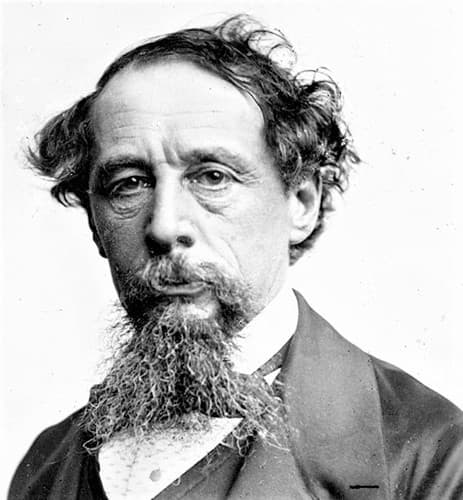
Charles John Huffam Dickens was an English writer and social critic who created some of the world's best-known fictional characters and is regarded by many as the greatest novelist of the Victorian era. His works enjoyed unprecedented popularity during his lifetime and, by the 20th century, critics and scholars had recognised him as a literary genius. His novels and short stories are widely read today.







