“It was what had been promised to us, the new land, and now it was here, as real as the ache in my bones.”
— Reflecting on the arrival in Montana.

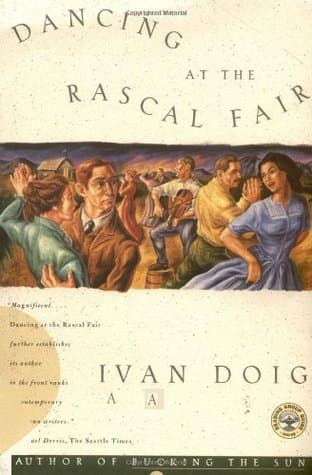
Ivan Doig (1987)
Genre
Literary Fiction / Historical Fiction
Reading Time
10-12 hours
Key Themes
See below
Sign in to track this book
Two Scottish immigrants, bound by duty and drawn to the wild beauty of Montana's Two Medicine country, find their hearts entangled in a fateful contest as they strive to tame both the land and their own complicated lives.
In 1889, young Angus McCaskill and his best friend, Anna Ramsay, leave their impoverished crofting life in the Scottish Highlands for the promise of America. Their passage on a crowded ship is a stark transition from the familiar, bleak landscapes of home to an uncertain future. Before their departure, Angus and Anna, childhood sweethearts and companions, make a solemn, unspoken pact to eventually marry, a promise born of deep affection and the necessity of forging a new life together. They arrive in the bustling port of New York, a bewildering experience, before making their way west, their dreams set on the vast, untamed lands of Montana, where Angus hopes to claim a homestead and build a future for them both.
Angus and Anna reach the Two Medicine country of Montana, a starkly beautiful but unforgiving landscape that immediately tests their resolve. They find temporary lodging and work, with Angus taking on various laboring jobs to save money and Anna assisting where she can. The initial excitement of their arrival quickly gives way to the harsh realities of frontier life, the isolation, the relentless weather, and the sheer physical demands of survival. Angus begins scouting for a suitable homestead claim, his determination fueled by his desire to fulfill his promise to Anna and secure their future, even as the vastness of the land makes their shared goal seem distant.
Alex McCaskill, Angus's charismatic and ambitious cousin, arrives in Two Medicine, having been sent for by Angus to help with the homesteading efforts. Alex is a man of grander ideas and a more worldly demeanor than the earnest Angus. Initially, his presence seems a boon, as he brings energy and a different perspective to their struggle. However, it quickly becomes clear that Alex views the opportunities in Montana with a more aggressive, self-serving ambition. More troublingly, Alex is immediately captivated by Anna's beauty and spirit, and he begins to subtly, and sometimes not so subtly, vie for her attention, creating an unspoken tension between the two cousins and threatening the fragile bond between Angus and Anna.
Angus, Alex, and Anna begin the arduous task of claiming and developing their homestead in the Two Medicine valley. They face immense challenges from the raw land itself – clearing fields, building a cabin, and enduring the harsh Montana winters. Their efforts are complicated by interactions with other settlers, some friendly and cooperative, others suspicious or openly hostile. The physical labor is relentless, and the isolation is profound. Despite these shared struggles, the underlying tension between Angus and Alex for Anna's affection continues to simmer, adding an emotional strain to the already difficult physical demands of frontier life. Anna, caught between the two men, tries to maintain peace while navigating her own feelings and responsibilities.
The complexities of the Homestead Act and the need for two separate claims to secure sufficient land for a viable ranch become a critical plot point. To prevent their combined land from being vulnerable to claim jumpers and to ensure their future prosperity, a difficult decision is made. Anna, understanding the practical necessity and swayed by Alex's persuasive arguments about their collective future, agrees to marry Alex, making their homestead claims legally secure. This decision, while pragmatic, shatters Angus's long-held dreams and the unspoken pact he had with Anna. His heart is broken, and a deep rift forms between him and Alex, irrevocably changing their relationship and the family dynamic.
The narrative spans several years, depicting the McCaskills' relentless work to establish a successful ranch. Anna and Alex have children, creating a family unit that, on the surface, appears prosperous and stable. Angus, though deeply wounded, remains on the neighboring land, working tirelessly on his own claim, often in close proximity to Anna and Alex. He eventually marries another woman, but his marriage is overshadowed by the lingering feelings he has for Anna and the weight of his broken promise. The community grows around them, and their lives become intertwined with the larger story of the Two Medicine valley, yet the foundational betrayals and unspoken resentments continue to shape their daily interactions and internal lives.
As the McCaskill ranch grows, they encounter various conflicts common to frontier life. These include disputes over water rights, cattle rustling, and the constant battle against the elements – blizzards, droughts, and prairie fires. They also become more deeply embedded in the nascent community of Two Medicine, participating in local events, forming alliances, and experiencing both the camaraderie and the petty squabbles of their neighbors. Through these shared trials and triumphs, their individual characters are further forged, and their reputation as resilient, hardworking settlers is established, even as the complex personal dynamics within the McCaskill family persist beneath the surface of their public lives.
Despite the passage of time and the growth of their families, the original betrayals and the unspoken love between Anna and Angus continue to exert a powerful influence. Anna, though a devoted wife and mother to Alex's children, carries the weight of her choice and the memory of her initial promise to Angus. Angus, for his part, remains a silent, steadfast presence, his love for Anna a constant, aching undercurrent to his life. Alex, while outwardly successful, is not immune to the past, aware of the lingering bond between his wife and his cousin. These unspoken emotions create a complex, often tense, emotional landscape that shapes their interactions and their innermost thoughts, affecting even their children.
The McCaskill family faces significant personal tragedies, including the loss of loved ones and other hardships inherent in frontier existence. These events, while devastating, also serve to highlight the characters' resilience and the deep, if complicated, bonds that tie them together. In moments of crisis, the old animosities sometimes recede, replaced by a shared need for support and survival. These tragedies force characters to confront their own mortality, their choices, and the true meaning of family, revealing hidden strengths and vulnerabilities. The community often rallies around them, demonstrating the collective spirit of the settlers in the face of insurmountable odds.
As the years turn into decades, the main characters, Anna, Angus, and Alex, reach old age, reflecting on the lives they have built in the Two Medicine country. They witness the transformation of the raw frontier into a more settled landscape, marked by the growth of towns, the arrival of new technologies, and the establishment of a lasting community. They grapple with the consequences of their youthful decisions, the sacrifices made, and the enduring power of love and loss. The novel concludes with a sense of the legacy they leave behind – not just the physical ranch and their descendants, but also the indelible mark they've made on the land and the history of Montana, embodying the immigrant spirit.
The Protagonist
Angus evolves from a hopeful young man to a stoic, somewhat melancholic patriarch, marked by the loss of his initial dream but finding resilience in hard work and family.
The Protagonist
Anna transforms from a hopeful young woman to a pragmatic, resilient matriarch, making difficult choices that shape her destiny and that of her family, all while carrying the weight of her past.
The Antagonist/Supporting
Alex develops from a charming opportunist into a successful, if somewhat conflicted, rancher and patriarch, always striving for more, but never fully escaping the shadow of his past choices.
The Supporting
Adair remains a steadfast and supportive figure, finding her place and purpose within the McCaskill family despite the emotional complexities surrounding her husband.
The Mentioned
Not a direct arc, but his circumstances indirectly shape Angus's entire life trajectory and motivations.
The Supporting
The land remains a constant, powerful presence, transforming from untamed wilderness to a settled, if still wild, landscape, reflecting the changes wrought by human endeavor.
The novel portrays the arduous journey and subsequent struggles of Scottish immigrants seeking a new life in America. It captures the hope, the culture shock, the relentless labor, and the profound sense of displacement and reinvention. From the crowded ship passage to the brutal realities of homesteading in an alien land, the theme explores the courage required to leave everything behind and forge an identity in a new world. The McCaskills' clinging to Scottish traditions while adapting to Montana's demands exemplifies this.
“We were not just Scots anymore, but something new, something raw and American, forged in the wind and the wide, wide sky.”
At the heart of the story is the complex interplay of love, duty, and betrayal among Angus, Anna, and Alex. Angus's enduring love for Anna and their unspoken pact drive much of his motivation, while Anna's choice to marry Alex out of practical necessity and a sense of duty to the homestead creates a profound betrayal of that initial love. This theme explores the sacrifices made for survival and prosperity, and the lasting emotional scars left by such choices, shaping the characters' lives for decades.
“A promise made on the home ground, even if unspoken, was a rope that could bind you tighter than any iron chain.”
The untamed Montana landscape is a central character and a relentless antagonist. The theme explores the constant struggle of the homesteaders against the harsh elements – blizzards, droughts, prairie fires – and the sheer physical demands of taming the wilderness. The land offers both immense beauty and brutal challenges, forcing the characters to develop resilience, ingenuity, and a deep respect for its power. Their success is measured by their ability to adapt and endure its unforgiving nature.
“The land was not a thing to be owned, but a thing to be wrestled with, day after day, until it grudgingly gave up its bounty.”
The novel examines the pursuit of the American Dream – the promise of land, prosperity, and a better life – but also highlights the immense personal and emotional cost of achieving it. The McCaskills' ambition to build a successful ranch comes at the expense of deeply personal relationships and sacrifices. The dream of independence and wealth is realized, but not without profound heartache, betrayal, and a reshaping of their very identities. It questions whether the gains truly outweigh the losses.
“We came for the land, but the land, in its own way, took a piece of us in return.”
The silent agreement between Angus and Anna to marry, which drives much of the narrative conflict.
This device establishes the foundational romantic tension and the central conflict of the story. The unspoken nature of the pact makes its eventual breach by Anna's marriage to Alex all the more poignant and devastating for Angus. It serves as a constant emotional undercurrent, influencing characters' decisions and feelings for decades, even when other relationships are formed. It highlights the power of youthful promises and the lasting impact of their breaking.
The vast and challenging Two Medicine country as a character and catalyst.
The physical environment of Montana acts as a powerful plot device, shaping events and character development. Its beauty and harshness are not merely a backdrop but an active force. The need to tame the land drives the homesteading efforts, influences the marriage of convenience, and forces characters to develop resilience. The land dictates their daily struggles, their successes, and ultimately their identity as Montanans, serving as a constant reminder of their journey and purpose.
Recollections of Scotland and early days in Montana, enriching character motivation and context.
The narrative frequently employs flashbacks and characters' internal recollections of their lives in Scotland and their early days in America. This device provides crucial context for their motivations, their cultural heritage, and the depth of their relationships. It allows the reader to understand the emotional weight of their past decisions and the long-lasting impact of their journey, grounding their present actions in a rich historical and personal history.
The legal framework that dictates land ownership and forces characters' choices.
The intricacies and demands of the Homestead Act serve as a pivotal plot device, directly influencing the characters' major decisions, particularly Anna's marriage to Alex. The need to secure and expand their land claims under the law creates practical pressures that override personal desires, demonstrating how external forces can dictate individual fates. It underscores the practical realities and legal challenges faced by settlers in establishing their lives and property.
“It was what had been promised to us, the new land, and now it was here, as real as the ache in my bones.”
— Reflecting on the arrival in Montana.
“We were all immigrants of one kind or another, even the ones who’d been born here.”
— Considering the shared experience of settling the West.
“The wind had a voice here, and it spoke of distances and loneliness.”
— Describing the vast, isolating Montana landscape.
“A man’s word was his bond, and in this country, it was often all he had.”
— Highlighting the importance of integrity in a frontier setting.
“You could measure a man’s pride by how much he was willing to lose for it.”
— Reflecting on the nature of human pride and resilience.
“Hope was a thing with feathers, as the poet said, but here it often felt like a thing with calluses.”
— Comparing Dickinson's 'Hope' with the harsh reality of pioneer life.
“The past was a country you never truly left, no matter how far you traveled.”
— Contemplating the lasting impact of one's origins.
“Love was not a gentle thing in this land; it was as fierce and demanding as the weather.”
— Describing the nature of relationships in a harsh environment.
“We built our lives out of grit and stubbornness, and sometimes, a little bit of luck.”
— Summarizing the effort required to establish a life in the West.
“There was a music to the land, if you listened hard enough, a low, steady hum of survival.”
— Finding beauty and meaning in the seemingly desolate landscape.
“A good story was like a good fire: it kept you warm and made you forget the cold for a while.”
— Highlighting the comfort and escapism found in storytelling.
“The world had a way of shrinking you down to size, especially out here.”
— Reflecting on the humbling effect of the vast natural world.
“We were forging a new history, one swing of the axe, one furrow of the plow at a time.”
— Emphasizing the active role of pioneers in shaping the future.
“Sometimes the biggest battles were fought not with fists, but with patience and a quiet heart.”
— Suggesting that inner strength and endurance are crucial for success.
Ready to see how well you understood this book? Take our interactive quiz with 10 questions.

Biography coming soon.







