“I was born a slave, but I never let it define me.”
— Moses's reflection on his identity and resilience.

Genre
Children's / Historical Fiction / Young Adult
Reading Time
300 min
Key Themes
See below
Sign in to track this book
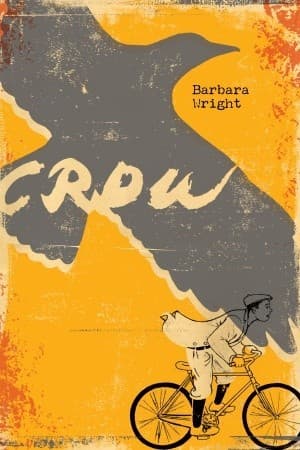
In the racially charged summer of 1898, 11-year-old Moses navigates family secrets, generational divides, and the hope of Black empowerment in Wilmington, North Carolina. This hope is brutally shattered by a violent political coup that rewrites history.
The summer of 1898 begins in Wilmington, North Carolina. 11-year-old Moses feels a growing distance from his best friend, Timothy. Moses's home combines old and new. His superstitious Boo-Nanny (grandmother) often clashes with his educated, practical father, Papa. Boo-Nanny believes in conjure and folk wisdom. Papa, a respected newspaper editor and community leader, favors education and modern progress. Moses feels caught between their different views. His mother, Mama, also deals with a recently discovered family secret, adding tension to their lives. Despite these issues, Moses enjoys teaching Boo-Nanny to read, which slowly starts to close the generational and ideological gaps in their family.
As Moses patiently teaches Boo-Nanny to read, a strong bond forms between them. This shared activity encourages Boo-Nanny to talk about her past, something she rarely did before. She starts to share fragmented, painful memories of her life as a slave, describing the harsh realities, constant fear, and the strength needed to survive. These stories are very different from Moses's comfortable upbringing and give him a deeper understanding of his family's history and his ancestors' struggles. Her stories, at first hard for Moses to understand, gradually create a clear picture of a brutal past that still affects their present, making freedom seem even more valuable.
Moses's father, Papa, and his group of prominent African American men are making political and social gains in Wilmington. They are respected professionals – doctors, lawyers, and businessmen – who have gained positions of power and influence within the Fusionist government, a coalition of Republicans and Populists. This time sees many African Americans in Wilmington getting the right to vote and becoming prosperous. However, this progress is met with strong resentment from white supremacists, especially members of the Democratic Party and the 'Red Shirts,' a paramilitary group. They see the black community's success as an insult to their social order and actively plan to take back political control, using racist talk and threats to create fear and division.
The political tensions increase sharply with an editorial published by Alex Manly, a black newspaper editor and friend of Papa's. In response, a group of white supremacists, led by Alfred Waddell and Josephus Daniels, publish their 'White Declaration of Independence.' This document clearly demands the return of white rule, the removal of voting rights for black people, and the suppression of black businesses and political influence. It is a clear call for white citizens to take control, by force if needed. This declaration directly threatens the thriving African American community and signals the coming danger of organized racial violence, creating fear and uncertainty in Wilmington.
Before the November election, the 'Red Shirts' and other white supremacist groups increase their intimidation campaign. They parade through black neighborhoods, threaten voters, and openly show weapons. Despite these tactics, many African Americans, including Papa, remain hopeful and determined to vote. However, the widespread intimidation works, and the Democratic Party wins. This victory encourages the white supremacists, who see it as permission to overthrow the Fusionist government. The election results, tainted by force, cement the power shift and set the stage for the violent events about to happen in Wilmington.
On November 10, 1898, the long-standing tensions turn into violence. A mob of white men, stirred by Alfred Waddell's speeches, marches to The Daily Record, the African American newspaper owned by Alex Manly. They set the building on fire, destroying it. This act of arson is an attack on black voices, black prosperity, and black freedom in Wilmington. Moses and his family see the growing chaos and fear in the city. The burning of The Daily Record marks the start of the Wilmington Insurrection, a violent coup d'état meant to dismantle the biracial government.
After the destruction of The Daily Record, the white mob, now armed and organized, starts a campaign of terror across Wilmington. They target African American neighborhoods, businesses, and homes. Black citizens are shot in the streets, beaten, and driven from their homes. Moses and his family, along with many others, must run for their lives. They hide in the swamps and woods outside the city, escaping the groups of white rioters. The once-thriving African American community is broken, its residents scattered and scared. The violence is systematic and brutal, meant to completely suppress the black population and erase their political and economic gains.
During the chaos, Papa, along with other prominent African American leaders, is rounded up and imprisoned by the white supremacists. He loses his authority and dignity, a clear sign of the complete overthrow of the legitimate government. Alfred Waddell and his co-conspirators declare themselves the new government, staging the only successful coup d'état in US history. They force the resignations of the Fusionist mayor and aldermen, replacing them with their own white Democratic appointees. The city is now controlled by those who believe in white supremacy, and the rights and freedoms of African Americans are systematically removed, starting an era of Jim Crow laws and racial oppression.
Moses, Mama, Boo-Nanny, and other family members remain hidden, enduring harsh conditions and the constant threat of being found. The experience of being hunted and displaced deeply traumatizes Moses, destroying his sense of security and innocence. When it is safe to return, they find a city completely changed. The once-active African American community is gone, many homes destroyed, and countless lives lost or forever altered. The new white supremacist government immediately creates discriminatory laws, effectively taking away voting rights from black people and establishing a strict system of racial segregation. The dream of equality and progress that Papa and his peers worked for is violently crushed, replaced by an oppressive new reality.
Afterward, Moses and his family, along with the surviving members of the African American community, must find a way to rebuild their lives in a city where their rights have been removed. Papa eventually returns, but he is changed, bearing the scars of imprisonment and the deep loss of his political goals. Boo-Nanny's stories of slavery become newly relevant, as the family experiences a different kind of subjugation. Despite the devastation, there is resilience. The family's bond strengthens, and the shared trauma reinforces their determination to survive and remember. Moses, though young, carries the weight of these events, understanding that the fight for true freedom and equality is far from over.
The Protagonist
Moses matures rapidly from a somewhat naive child to a young man deeply aware of racial injustice and his family's history, losing his innocence amidst the violence but gaining a profound understanding of resilience.
The Supporting
Boo-Nanny transitions from a private, somewhat guarded figure to one who openly shares her past, finding a new voice and connection through literacy, while her wisdom becomes a source of strength for her family.
The Supporting
Papa moves from a position of optimistic leadership and influence to one of profound disillusionment and loss after the coup, forced to adapt to a new reality while retaining his inner strength.
The Supporting
Mama navigates personal revelations and societal upheaval with quiet strength, serving as an anchor for her family through profound trauma.
The Supporting
Timothy's friendship with Moses is strained and ultimately fractured by socio-economic differences and the escalating racial tensions, reflecting the broader societal fragmentation.
The Supporting
Manly's role is primarily as a catalyst and a victim of the white supremacist violence, representing the targeted suppression of black voices and institutions.
The Antagonist
Waddell rises to power through manipulation and violence, successfully orchestrating the coup and establishing a white supremacist regime.
The Antagonist
Daniels uses his journalistic power to instigate racial hatred, successfully contributing to the overthrow of the biracial government and the establishment of white supremacy.
The novel's main theme is the reality of racial injustice and the violent enforcement of white supremacy in post-Reconstruction America. The book carefully details the systematic efforts by white Democrats to take away voting rights from African Americans and overthrow the legitimate biracial government in Wilmington. Scenes like the burning of The Daily Record and the massacre clearly show the terror and oppression the black community faced. The actions of figures like Alfred Waddell and Josephus Daniels show the organized nature of this injustice and its devastating impact on Moses and his family, ultimately removing their rights and freedoms.
“What they took from us wasn't just our votes or our businesses. They took our hope. They took our belief that things could truly be different.”
The novel explores how personal and collective memory shapes understanding of history. Boo-Nanny's stories of slavery, told to Moses as he teaches her to read, are important. These stories connect Moses to his ancestors' struggles and give context for the contemporary racial violence he sees. The difference between Boo-Nanny's experience and Papa's educated view of history shows different ways of knowing and remembering. The book itself acts as a historical record, bringing to light the largely forgotten Wilmington Insurrection, ensuring this event is not erased.
“Some things, Moses, you gotta tell. Even if they hurt. Especially if they hurt.”
Education and literacy are shown as powerful tools for empowerment and connection. Papa's dedication to education and his role as a newspaper editor highlight the importance of knowledge and informed citizenship. Moses teaching Boo-Nanny to read is a symbol of learning between generations and the uncovering of personal history. However, the burning of Alex Manly's newspaper, The Daily Record, by white supremacists shows how literacy and independent black voices were seen as threats to the established racial hierarchy, leading to their violent suppression.
“A book, Moses, is a window. And some folks, they just don't want you looking out that window.”
Despite the violence and loss, the novel emphasizes the resilience of family and community when facing hardship. Moses's family, with its internal tensions and strengths, is like the larger African American community's ability to endure. The shared trauma of the Wilmington Insurrection strengthens their bonds, and their efforts to survive and rebuild show their spirit. Even after their political and economic gains are violently removed, the characters show a strong determination to continue, remember their past, and find hope for the future, showing the lasting strength of people.
“We might be broken, Moses, but we ain't shattered. Not while we got each other.”
Narrative shifts between Moses's present and Boo-Nanny's past.
The novel employs a dual perspective by intertwining Moses's present-day experiences in 1898 Wilmington with Boo-Nanny's recounted memories of her life as a slave. This device allows the reader to understand the historical context of the racial tensions, showing how the legacy of slavery directly informs the contemporary struggles for civil rights. Boo-Nanny's stories provide a crucial backdrop, making the violence of the Wilmington Insurrection resonate more deeply by highlighting the cyclical nature of oppression and the enduring fight for freedom across generations.
Incorporation of actual historical events and individuals.
The book is deeply rooted in the historical reality of the 1898 Wilmington Insurrection, utilizing real historical figures like Alex Manly, Alfred Waddell, and Josephus Daniels. This device lends authenticity and gravity to the narrative, transforming a fictionalized account into a powerful historical testimony. By grounding the story in actual events, the author educates readers about a significant, often overlooked, moment in American history, emphasizing the fact that the events depicted, no matter how horrific, genuinely occurred and had lasting consequences.
The bird 'crow' as a multifaceted symbol.
The 'crow' in the title and throughout the narrative functions as a potent symbol. It can represent the ominous shadow of Jim Crow laws and racial oppression that descends upon Wilmington. Crows are also often associated with intelligence, adaptability, and even trickery, which might reflect the cunning and strategic efforts of both the white supremacists and the resilient survival tactics of the African American community. Furthermore, crows are scavengers, picking at the remnants, which could symbolize the stripping away of rights and prosperity, or the act of remembering and piecing together a forgotten history.
Boo-Nanny's folk wisdom and superstitions hint at future dangers.
Boo-Nanny's traditional beliefs and warnings, often dismissed as 'superstition' by Papa, serve as subtle foreshadowing throughout the story. Her intuitive understanding of human nature and the darker forces at play in society, stemming from her experiences as a slave, often hint at the dangers lurking beneath the surface of Wilmington's apparent progress. This device builds suspense and highlights the clash between rational, modern thought and an older, more visceral understanding of the world, ultimately validating Boo-Nanny's often-ignored wisdom when the violence erupts.
“I was born a slave, but I never let it define me.”
— Moses's reflection on his identity and resilience.
“The crow flies free, and so shall I.”
— Moses finds inspiration in the crow's freedom.
“Sometimes the hardest battles are fought in silence.”
— Moses contemplates the internal struggles of enslaved people.
“A name is more than a word; it's a piece of your soul.”
— Moses values the significance of names and identity.
“The past may haunt us, but it also teaches us to be strong.”
— Moses reflects on learning from history.
“In the darkest nights, the stars shine brightest.”
— Moses finds hope during difficult times.
“Freedom isn't given; it's taken with courage.”
— Moses discusses the active pursuit of liberty.
“Every story has a voice, if only we listen.”
— Moses emphasizes the importance of hearing others' experiences.
“The land remembers what people forget.”
— Moses observes the lasting impact of history on the environment.
“A single act of kindness can change a life.”
— Moses recalls a moment of compassion that affected him.
“We are all connected, like threads in a tapestry.”
— Moses reflects on human interconnectedness.
“The crow's call is a reminder to never give up.”
— Moses draws motivation from the crow's persistent cry.
“Truth has a way of rising, no matter how deep it's buried.”
— Moses believes in the enduring power of truth.
“Home is not a place, but a feeling of belonging.”
— Moses defines home beyond physical location.
Ready to see how well you understood this book? Take our interactive quiz with 10 questions.

Dan Gemeinhart
4.5
Kate O'Hearn
4.4

Jeanne Birdsall
4.4

Jen Wang
4.4
Wendelin Van Draanen
4.3

John Marsden
4.3

Chris Van Allsburg
4.3
Jennifer A. Nielsen
4.2