“Every morning I wake up and I know I have to be brave.”
— Rosa reflects on her daily struggle and the courage required to face her circumstances.

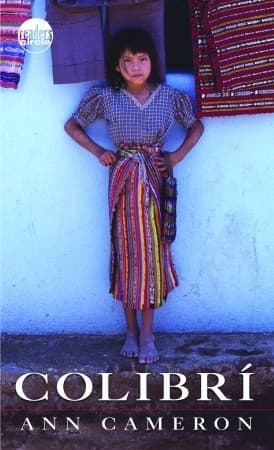
Ann Cameron (2003)
Genre
Children's / Historical Fiction / Young Adult
Reading Time
240 min
Key Themes
See below
Sign in to track this book
Four-year-old Tzunún, called Colibrí, is taken from her Guatemalan home and renamed Rosa by her kidnapper, a wandering beggar who invents stories of a lost family while erasing her past.
Tzunún, a four-year-old Guatemalan girl, is playing in her family's courtyard when a man, who will become known to her as Uncle, takes her. He renames her Rosa and tells her her parents are gone and he will care for her. Uncle is a former soldier, a beggar, and a street performer who uses his missing arm to get sympathy. He makes Rosa help him, teaching her to beg and perform simple acts. They live a life of constant movement, sleeping in doorways, parks, and sometimes in cheap hotels when they earn enough. Rosa's memories of her past are fragmented, with images of a blue butterfly and a song her mother sang, but she accepts Uncle's story as her reality.
As Rosa grows, she becomes good at begging, often more successful than Uncle because of her youth and perceived innocence. Uncle, while seeming to care, is manipulative and controlling. He often reminds Rosa that she owes him everything, making up stories about his tireless search for her parents and his sacrifices. He discourages her from making friends or staying in one place too long, fearing she might reveal their true situation or escape. Rosa learns to read people, to tell who might be generous, and to navigate street life, always watched by Uncle. She wants stability and a sense of belonging, but Uncle's hold is strong.
One day, while begging in Antigua, Rosa meets American tourists. One kind woman is moved by Rosa's performance. The woman gives Rosa a lot of money and a small, carved wooden colibrí (hummingbird), which brings back a faint memory for Rosa. This interaction makes Rosa doubt Uncle's stories and her identity. The tourists' generosity, along with the bird, makes Rosa question her life. She begins to secretly save small amounts of money, an early act of independence and a plan for a future without Uncle.
Rosa's unhappiness with her life with Uncle grows. She dislikes his demands, his lies, and how he uses her. The colibrí from the American tourist becomes a symbol of her lost past and a hopeful future. She watches other children, especially those with families and homes, and longs for a different life. Rosa begins to plan her escape, saving money and watching Uncle's habits. She knows the dangers of being alone but believes the risk is worth the freedom. Her determination strengthens, fueled by the desire to find her true identity and family.
The chance to escape comes when Uncle is distracted or unable to act. Rosa carefully chooses her moment, perhaps while Uncle is drinking or deeply asleep. She gathers her few things, including the colibrí and her hidden money, and slips away in the night or early morning. The act is terrifying but exciting. She knows Uncle will look for her, and the fear of being caught is constant. Rosa's first days of freedom are marked by extreme caution, hunger, and loneliness, but also by a strong sense of liberation. She is now on her own, facing the world with only her wits and the hope of finding her past.
After her escape, Rosa struggles to survive. She begs, searches for discarded food, and sleeps in unsafe places. Her independence is hard-won, but her vulnerability is immense. She eventually finds herself in a small village, where she meets a kind woman named Doña Elena and her family. Do༚ Elena, seeing Rosa's situation and gentle nature, offers her shelter and food for help with chores. This temporary home gives Rosa stability, a sense of community, and a look at what normal family life could be like. She slowly begins to trust again, revealing parts of her past, though still cautious about Uncle.
In the comfort and safety of Do༚ Elena's home, Rosa's fragmented memories become clearer. The image of the blue butterfly, a recurring thought, becomes sharper. She remembers details about her former home, her mother's face, and the sound of her name, Tzunún. Do༚ Elena, noticing Rosa's distress and vivid memories, encourages her to share what she remembers. The colibrí carving she carries is another key, linking to her mother's nickname for her. These resurfacing memories are both painful and hopeful, giving Rosa concrete clues to use in her search for her true family. She feels an urgency to act on these new insights.
Guided by her increasingly clear memories of her home and the blue butterfly, Rosa decides she must actively search for her family. Do༚ Elena, though sad to see her go, supports her decision and helps her with what little she has. Rosa travels, asking questions, describing her memories of a house with a specific courtyard, a garden, and the blue butterfly. She learns to trust her instincts and to tell genuine help from danger. Her journey is hard, with disappointments and false leads, but her resolve is strong. The colibrí stays with her, a symbol of her identity.
Rosa's search eventually leads her to a neighborhood in Guatemala City, guided by the image of the blue butterfly. She learns that a family in the area was known for their beautiful gardens and many butterflies, especially blue ones. She starts asking about a family who lost a young daughter years ago. The details she gives – her age when taken, the specific features of the house, and the nickname 'Colibrí' – resonate with some older residents. This clue narrows her search, filling her with renewed hope and fear as she gets closer to her past.
Following the blue butterfly and stories of the lost girl, Rosa arrives at a house that feels familiar. Hesitantly, she approaches and knocks. An older woman opens the door. Rosa says her original name, Tzunún, and shows the carved colibrí. The woman's eyes widen, and tears fall. She recognizes her daughter, her 'Colibrí,' from the nickname and the resemblance. The reunion is overwhelming, full of joy, relief, and the pain of lost years. Rosa is finally home, embraced by her mother and the family she thought she had lost forever. The blue butterfly, a symbol of her past, now represents her return.
The Protagonist
From a kidnapped child with lost memories, Tzunún transforms into a determined young woman who actively seeks and ultimately reclaims her identity and family.
The Antagonist
Uncle remains largely static, a figure of manipulation and control, ultimately losing his hold over Rosa as she asserts her independence.
The Supporting
Doña Elena acts as a catalyst for Rosa's healing and self-discovery, providing a crucial stepping stone in her journey.
The Supporting
Her character's presence is primarily felt through memory, culminating in a joyful reunion that restores her role as a mother.
The Mentioned
Her impact is immediate and transformative, setting Rosa on a new path.
The main theme is Tzunún's quest to reclaim her identity after being kidnapped and renamed. Fragmented memories, the nickname 'Colibrí,' and the blue butterfly are vital clues. Her journey is not just about finding her family, but about understanding who she is beyond the 'Rosa' identity Uncle created. Escaping Uncle is the first step in asserting her true self, ending with the reunion where she embraces her birth name.
“She was Rosa, yes, but deep inside, a tiny hummingbird fluttered, whispering another name, another life.”
Tzunún's life with Uncle is marked by hardship, constant movement, hunger, and emotional manipulation. Yet, she shows resilience. She learns to beg effectively, to read people, and to navigate dangerous situations. Her ability to hold onto hope, to secretly save money, and to plan her escape shows her strong spirit. Even after escaping, she faces new challenges, but her will to survive and find her truth never fails, highlighting the strength of the human spirit in adversity.
“Hunger was a familiar companion, but fear was a shadow she learned to outrun.”
Despite being kidnapped young, Tzunún's earliest memories, though fragmented, are important to her journey. The blue butterfly, the colibrí nickname, and echoes of her mother's song are not just nostalgic fragments but vital clues. These memories act as an internal compass, guiding her search and providing the emotional drive to break free from Uncle's control. The story shows how deeply ingrained early experiences are and their power to shape destiny and lead one back to their origins.
“A blue butterfly, a flash of color in her mind, always leading her somewhere she couldn't quite grasp.”
At its heart, 'Colibri' is a story about the human need for family and belonging. Tzunún is robbed of her family young, and her life with Uncle lacks genuine familial love. Her longing for a true home, for loving parents, drives her entire quest. Do༚ Elena's temporary care offers a glimpse of what a loving family feels like. The reunion with her biological mother fulfills this deep need, affirming the irreplaceable bond of family and the sense of completeness that comes with belonging.
“She longed for a place where her name was spoken with love, not just for a purpose.”
A small wooden hummingbird carving that serves as a tangible link to Tzunún's past.
The colibrí carving, given to Rosa by an American tourist, is a powerful symbol and plot device. It directly connects to her mother's nickname for her, 'Colibrí,' serving as the first concrete piece of evidence that her past is different from what Uncle claims. It acts as a memory trigger, helping her recall fragments of her early life. More than just a memento, it becomes a talisman of hope and a physical representation of her true identity, which she carries throughout her arduous journey, strengthening her resolve to find her family.
A recurring image in Tzunún's fragmented memories that guides her search for home.
The blue butterfly is a recurring visual motif that functions as a symbolic memory trigger and a guiding clue for Tzunún. It appears in her earliest, most fragmented recollections of her home and garden. As her memories become clearer, the butterfly helps her pinpoint specific details about her original house and neighborhood in Guatemala City. It represents the beauty and fragility of her lost childhood, but also the persistent thread of memory that ultimately leads her back to her origins, becoming a beacon of hope and a signpost on her journey.
Uncle's fabricated narrative about Rosa's past and his role as her savior.
Uncle's constant storytelling about his 'heroic' efforts to find Rosa's parents and his 'sacrifices' in raising her is a key plot device. This manipulation serves to control Rosa, instill guilt, and prevent her from questioning her circumstances. It creates a false reality that Rosa internalizes for years. The gradual unraveling of this narrative, as Rosa's own memories resurface and she encounters external kindness, is crucial to her developing self-awareness and her eventual decision to escape. It highlights the power of narrative, both to imprison and to liberate.
“Every morning I wake up and I know I have to be brave.”
— Rosa reflects on her daily struggle and the courage required to face her circumstances.
“The city was like a giant, hungry mouth, always wanting more.”
— Rosa's perception of Guatemala City and its overwhelming nature.
“My mother always said that even a tiny bird can carry a big message.”
— Rosa remembers her mother's wisdom, linking it to the book's title and themes.
“We were like seeds blown by the wind, landing wherever we could.”
— Rosa describes the displacement and uncertainty experienced by her and other street children.
“Sometimes the only way to keep warm was to remember a sunny day.”
— Rosa's coping mechanism for the cold nights on the streets.
“A secret is like a heavy stone. You carry it, and it makes you tired.”
— Rosa's internal struggle with the secret of her past and her identity.
“The library was a different kind of street, a street of stories.”
— Rosa's discovery of the library and its transformative power.
“To read was to fly, to go to places you couldn't reach with your feet.”
— Rosa's profound appreciation for reading and the escape it offers.
“He taught me that even the smallest things can be beautiful, if you look closely.”
— Rosa reflects on lessons learned from a kind character, likely the librarian.
“My name is Rosa, and I am not nobody.”
— A powerful statement of self-worth and identity from Rosa.
“Hope is a small bird that sings in the dark.”
— Rosa's enduring sense of hope despite her difficult circumstances.
“Sometimes you have to pretend to be strong until you are strong.”
— Rosa's strategy for survival and building inner strength.
“The past is like a shadow. It follows you, but it doesn't have to define you.”
— Rosa's journey of coming to terms with her past and shaping her future.
“Every person has a story, and every story matters.”
— A central theme of the book, emphasizing the value of individual lives and narratives.
Ready to see how well you understood this book? Take our interactive quiz with 10 questions.
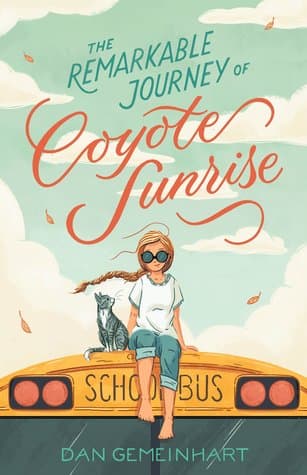
Dan Gemeinhart
4.5

Kate O'Hearn
4.4

Jeanne Birdsall
4.4

Jen Wang
4.4
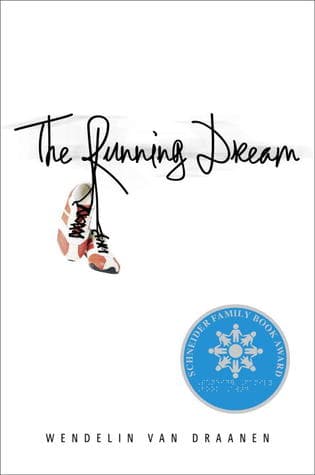
Wendelin Van Draanen
4.3

John Marsden
4.3

Chris Van Allsburg
4.3
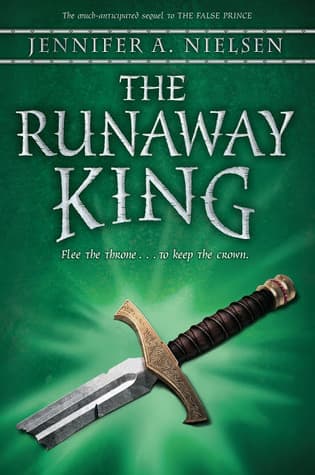
Jennifer A. Nielsen
4.2