“It ain't nothing to be scared of. It's just livin'.”
— Grandpa Blakeslee's pragmatic view on life.

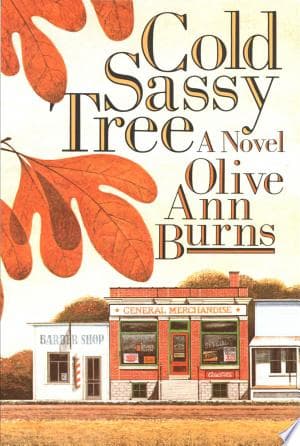
Olive Ann Burns (2007)
Genre
Historical Fiction / Young Adult
Reading Time
540 min
Key Themes
See below
Sign in to track this book
In a sleepy 1906 Georgia town, young Will Tweedy finds his world upended and expanded as he navigates the scandal, secrets, and surprising love ignited by his widowed grandpa's impulsive marriage to a much younger woman.
The story begins in 1906 in Cold Sassy, Georgia, with the death of Mattie Lou Blakeslee, Granny Blakeslee. Her husband, E. Rucker Blakeslee, becomes a widower. Her funeral is a sad event attended by the whole town and the Blakeslee family, including the narrator, fourteen-year-old Will Tweedy, Granny's grandson. Just three weeks after the funeral, Grandpa Rucker, known for his independent spirit, surprises his daughters and the community by announcing he will marry Miss Love Simpson, a much younger woman who works as a milliner in his store. This news causes anger and disbelief, especially from his daughters, Mary Willis and Loma, who see it as disrespect to their recently deceased mother.
Miss Love Simpson arrives in Cold Sassy and moves into Grandpa Rucker's house as his new wife. She is an independent, stylish woman from Baltimore, very different from the traditional Southern women of Cold Sassy. Her presence immediately sets her apart, and the townspeople, especially the women, are slow to accept her, seeing her as an outsider and a gold-digger. Will, however, is interested in Miss Love, finding her both mysterious and admirable. He watches her interactions with his grandpa and the town, often caught between his family's disapproval and his own growing admiration for her unusual spirit.
As Will spends more time with his Grandpa Rucker and Miss Love, he begins to feel affection and respect for her. He becomes her confidant, listening to her stories and understanding her difficulties as an outsider in Cold Sassy. Miss Love shares details about her past, including a difficult relationship with her own family and a broken engagement. She tells Will about her true reasons for marrying Grandpa Rucker, which are more about financial security and independence than romantic love, and their agreement about living arrangements. Will, in turn, defends her against the town's gossip and his family's judgment, strengthening their unique bond.
The annual Fourth of July picnic is an important moment for Miss Love's place in the Cold Sassy community. While Grandpa Rucker tries to include her, her independent nature and clothing—a fashionable, but for Cold Sassy, scandalous, bathing suit for wading in the creek—further separate her from the conservative townswomen. Will notices the subtle rejections and open whispers directed at Miss Love. Despite the hostility, Miss Love keeps her dignity, and Grandpa Rucker supports her, showing his firm commitment. Will feels a mix of embarrassment for his family and pride in Miss Love's strength, reinforcing his loyalty to her.
Grandpa Rucker becomes seriously ill, and his health quickly declines. This illness shows the true nature of his and Miss Love's relationship. Miss Love dedicates herself to nursing him back to health with steady care and tenderness, surprising many who had doubted her intentions. During his illness, the family sees the genuine affection and deep bond that has grown between the unlikely couple. This crisis forces the Blakeslee family to confront their biases and acknowledge Miss Love's devotion. Will is especially moved by Miss Love's strength and compassion, seeing her as a truly loving and committed partner.
After his recovery, Grandpa Rucker and Miss Love's relationship deepens. What began as a marriage of convenience for Miss Love and a desire for companionship for Grandpa Rucker develops into genuine love. Grandpa Rucker openly shows his affection for Miss Love, and she, in turn, returns it, shedding her initial emotional guardedness. They share private moments, and Miss Love reveals her vulnerability, admitting her fears and past hurts. This time marks a turning point where their unusual marriage becomes a deep and loving partnership, to Will's quiet satisfaction, as he has watched their journey.
Amidst his grandparents' drama, Will Tweedy grows up. He falls in love for the first time with Lightfoot McLendon, a poor country girl who works at the mill. Their relationship is gentle and innocent, marked by secret meetings and shared dreams. Will also deals with questions of faith, death, and his place in the world, often discussing these deeper topics with Miss Love. He begins to understand the complexities of adult relationships and human emotion. His experiences with Lightfoot and his observations of Grandpa Rucker and Miss Love shape his understanding of love, loss, and the bittersweet nature of life.
One day, while driving his horse and buggy, Grandpa Rucker is in a tragic accident. His horse spooks, causing the buggy to overturn, and Grandpa Rucker receives fatal injuries. The entire town mourns, and the Blakeslee family is devastated. Miss Love is especially heartbroken, having finally found true love and happiness with Grandpa Rucker. His death is a deep loss for her, and she struggles to cope with the sudden emptiness in her life. Will, too, is deeply affected by the loss of his beloved grandpa, a man who had been an important influence and a source of wisdom in his young life.
After Grandpa Rucker's death, Miss Love, now a widow, decides to leave Cold Sassy. Despite the town's initial disapproval, many have come to respect her, and her departure is met with sadness. She makes sure Will receives some of Grandpa Rucker's personal items, including his watch, a symbol of their shared bond. Miss Love's independence and strength leave a lasting impression on Will. He thinks about her influence, recognizing how she challenged social norms and taught him valuable lessons about love, acceptance, and living authentically. Her departure marks the end of an era for Will and the town.
Years later, an adult Will Tweedy looks back on the events of 1906, telling the story from a mature view. He understands the complexities of his grandparents' marriage and Miss Love's deep impact on his life. He remembers the innocence of his first love with Lightfoot and the pain of her eventual death during childbirth. Will reflects on the changes in Cold Sassy over time, the passing of loved ones, and his own journey into adulthood. He acknowledges the wisdom gained from watching his Grandpa Rucker's unusual choices and Miss Love's strong spirit, recognizing how these experiences made him the man he became.
The Protagonist/Narrator
Will transitions from an innocent boy into a more mature and understanding young man, learning about love, loss, and the complexities of human relationships.
The Supporting/Protagonist
Grandpa Rucker moves from grieving widower to finding unexpected love and companionship, demonstrating that love can be found at any age and in unconventional forms.
The Supporting/Protagonist
Miss Love transforms from an emotionally guarded woman seeking security to a woman who finds unexpected love, comfort, and a sense of belonging.
The Supporting
Lightfoot's arc is brief and tragic, serving as a symbol of lost innocence and the harsh realities of life and death in the early 20th century.
The Supporting
Mary Willis remains largely static in her traditional views, struggling to reconcile her father's choices with her own beliefs.
The Supporting
Loma's character remains largely defined by her dramatic and self-centered tendencies, with little significant personal growth.
The Supporting
Campbell's character remains relatively static, serving to highlight Loma's personality and the constraints of their marriage.
The Mentioned
Bluford serves primarily as a static companion, representing the innocence of youth.
The novel looks at the strict social rules of the early 20th-century rural South. Grandpa Rucker's decision to remarry a much younger woman so soon after his first wife's death goes against the town's expectations of mourning and proper behavior. Miss Love, as an independent woman from Baltimore, further challenges these norms with her modern views and refusal to act as women were expected to. Will sees how the town's gossip and his family's disapproval come from their inability to accept anything outside their narrow view, showing the courage it takes to live authentically.
“What people thought about a man didn't amount to a hill of beans. It was what he thought about himself.”
The book explores different kinds of love, from lasting grief for a lost spouse to the unexpected start of new love. Grandpa Rucker's love for Mattie Lou is clear in his sorrow, but his later marriage to Miss Love, at first for companionship and security, grows into a deep, real affection. Will's innocent first love with Lightfoot offers a contrast, showing the tenderness of young romance. The novel suggests that love is not limited by age, social rules, or initial intentions, but can grow and change, offering comfort and joy in unexpected ways, even when there is loss and social disapproval.
“Love don't come in one color. It's got a whole rainbow.”
Will Tweedy's journey from a curious fourteen-year-old boy to a more mature young man is central to the story. By watching his grandparents' unusual marriage, experiencing his first love with Lightfoot, and seeing the deaths of those he cares about, Will faces the complexities of adult life, love, and death. He learns about hypocrisy, strength, and the bittersweet nature of existence. His experiences make him lose his childhood innocence, gaining a deeper understanding of human nature and the world beyond Cold Sassy's sheltered limits.
“It seems to me I've been a grown man ever since I can remember.”
The entire novel is Will Tweedy's adult memory of his youth, highlighting how memory is subjective and how storytelling preserves the past. Will carefully rebuilds conversations and events, thinking about their meaning years later. This narrative structure allows for a detailed perspective, where the wisdom of experience informs the telling of youthful events. Telling his story is not just about facts, but about understanding the emotional truths and lasting effects of his experiences and the people who shaped him, especially Grandpa Rucker and Miss Love.
“The past ain't dead. It ain't even past.”
Cold Sassy is a small town where appearances and reputation often matter more than real compassion. The townspeople, especially the women, quickly judge Miss Love and Grandpa Rucker, engaging in widespread gossip and clear disapproval. This social hypocrisy is evident in their condemnation of the marriage while often ignoring their own moral flaws or personal unhappiness. Will sees how this judgmental atmosphere creates isolation and pain, making him question the truth of community judgment versus individual integrity.
“Cold Sassy was a place where everybody knew everybody else's business, and if they didn't, they made it up.”
The story is told by an adult Will Tweedy looking back on his youth.
This device allows the narrator, Will Tweedy, to provide both the immediate observations and feelings of his fourteen-year-old self and the reflective wisdom of an adult. The adult Will can comment on the significance of events, foreshadow future developments, and offer deeper insights into the characters' motivations and the societal context, enriching the reader's understanding beyond what a child's perspective alone could offer. It lends a nostalgic and philosophical tone to the narrative.
Characters whose contrasting traits highlight each other's qualities.
Miss Love Simpson acts as a foil to the traditional women of Cold Sassy, particularly Mary Willis and Loma. Her independence, modern attire, and practical approach to life highlight their rigid adherence to convention, their gossipy nature, and their emotional fragility. Similarly, Grandpa Rucker's unconventional and independent spirit is emphasized by the staid, conforming attitudes of many other townsfolk. These contrasts serve to underscore the novel's themes of challenging societal norms and finding authenticity.
The town's name, derived from a tree, symbolizes its unique, sometimes prickly, character.
The 'Cold Sassy Tree' itself, a real-life tree with a slightly tart or 'sassy' taste, symbolizes the town of Cold Sassy. It represents the town's unique, often stubborn, and sometimes harsh character, much like the tree's fruit. It also hints at the underlying sweetness or charm that can be found despite its initial 'cold' or 'sassy' exterior. This symbolism reinforces the idea that things (and people) are not always as they appear and that beauty and depth can be found in unexpected places.
A central gathering place that reflects the community's social dynamics.
Grandpa Rucker's general store serves as a vital setting, functioning as the economic and social hub of Cold Sassy. It's where the townspeople gather, exchange news, and gossip, making it a microcosm of the community's social dynamics. Important character introductions, such as Miss Love's arrival, occur here. The store symbolizes the traditional values and close-knit nature of the small town, while also being the site where new ideas and challenges (like Miss Love's presence) are introduced and debated.
“It ain't nothing to be scared of. It's just livin'.”
— Grandpa Blakeslee's pragmatic view on life.
“Life is a show-and-tell. You show up, and you tell your story.”
— Rucker Blakeslee reflecting on the importance of living fully.
“Love ain't nothing but a word, unless you show it.”
— Grandpa Blakeslee's belief in demonstrating affection.
“The past ain't nothing but a story you tell yourself.”
— Will Tweedy's evolving understanding of history and memory.
“God don't make no junk, but he sure does make some strange folk.”
— A humorous observation about human diversity.
“You can't live your life worrying about what other people think.”
— Miss Love Simpson's independent spirit.
“Grief is a funny thing. It comes when it wants to, and it leaves when it's good and ready.”
— Will Tweedy's reflections on loss.
“The future ain't nothing but a guess.”
— A pragmatic view on the uncertainty of what's to come.
“It's a good thing to be different. It keeps people on their toes.”
— Emphasizing the value of individuality.
“Sometimes the best way to get over a thing is to go right through it.”
— A lesson in facing challenges directly.
“A body can get used to anything, given enough time.”
— Reflecting on human adaptability.
“The world keeps turning, no matter what happens.”
— A reminder of life's continuous flow despite personal events.
“It ain't what you got, it's what you do with it.”
— A lesson on the importance of action over possessions.
“Every day is a gift, even the bad ones.”
— A reminder to appreciate all experiences.
Ready to see how well you understood this book? Take our interactive quiz with 10 questions.







