“I was haunted by the faces of saints and saviours, by tales of angels and daemons, by the smell of incense and the sound of bells.”
— Davie, the narrator, reflecting on his Catholic upbringing and the atmosphere of the church.

David Almond (2005)
Genre
Fantasy / Children's / Young Adult
Reading Time
250 min
Key Themes
See below
Sign in to track this book
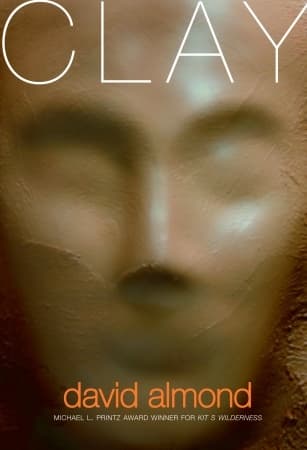
In a summer of childhood mischief, two altar boys create a mud-sculpted being with a soul, only to uncover the dark plans of its true maker.
Fourteen-year-old Davie and his best friend, Geordie, are altar boys at St. Peter's Catholic Church. They spend their days playing football in the churchyard and teasing other children. Davie lives with his parents and younger sister, Rosie, in a close community. Their lives are simple, following the routines of school, church, and friendship. Davie often feels quiet and observant, slightly removed from others' energy, even Geordie's. He is imaginative and thoughtful, often considering deeper questions about faith and the world, though he keeps these thoughts mostly to himself.
Davie's calm life changes when Stephen Rose arrives. Stephen is an orphan, living with his Auntie Mary and Uncle Peter, but Father O'Mahoney, the kind but somewhat simple parish priest, soon takes him in. Stephen is mysterious, pale and intense, with an unusual look in his eyes. He is an outsider from the start, often bullied for his strange manner and perceived weakness. Father O'Mahoney hopes to help Stephen fit in and asks Davie and Geordie to befriend him, believing their good nature might influence the troubled newcomer. Davie agrees, though he feels cautious.
Davie and Geordie reluctantly spend time with Stephen. During one meeting, Davie sees Stephen's unusual talent. Stephen uses river clay to sculpt a small, lifelike figure. It feels more than just a toy; it seems to have a strange, almost living quality. Stephen explains he has a 'gift' – the ability to create, to breathe a sense of life into his sculptures. This discovery fascinates Davie, who, despite his initial wariness of Stephen, is drawn to his art's mysterious power. Geordie, however, remains doubtful and even disgusted by Stephen's abilities.
Stephen, seeing a similar spirit in Davie, begins to confide in him. He believes Davie also has a hidden creative energy. Stephen proposes a bigger project: to create a life-sized figure, a 'golem,' from special river clay. He explains this is not just art; it's a way to make something real, something that can act and exist. Davie is torn between his fascination with Stephen's power and a growing unease. Stephen's intensity and belief are convincing, and Davie, feeling a strange pull and a desire to understand this power, agrees to help.
In a hidden, overgrown area by the river, Davie and Stephen start their secret project. They gather large amounts of dark, rich clay. Stephen directs the work, guiding Davie in shaping the large, human-like form. The work is hard and secret, requiring many hours. As they work, Stephen performs strange rituals and chants, speaking about the 'breath of life' and the 'soul.' Davie, though increasingly troubled by Stephen's methods, feels deeply involved, sensing a strange connection to the emerging figure. Finally, after a powerful act by Stephen, the figure stirs, and 'Clay' is born, innocent and childlike.
Clay, clearly not a normal human, begins to live. He is large, strong, and completely loyal to Stephen. Stephen brings Clay to the abandoned house where he lives with his aunt and uncle, keeping Clay a secret from most, though Davie and Geordie know. Stephen cares for Clay, dresses him, and teaches him simple actions. However, it quickly becomes clear that Clay obeys only Stephen. Stephen uses Clay to do his bidding, showing a growing possessiveness and a desire to use Clay's power for his own, increasingly dark, ends. Davie watches with growing worry, feeling responsible for what he helped create.
Geordie, always more grounded and less influenced by Stephen, grows increasingly afraid of Clay and Stephen. He sees the unnaturalness of Clay's existence and Stephen's sinister control. Geordie tries to warn Davie, urging him to stay away from Stephen and the creature they made. He senses a growing darkness and danger from Stephen, who seems to use Clay to get revenge on those who bullied him. Geordie's pleas highlight Davie's moral dilemma, caught between loyalty to Stephen and his own growing conscience.
Stephen's use of Clay grows from small pranks to more serious acts of revenge. Bullies who tormented Stephen are mysteriously hurt or face frightening incidents. Clay, with his great strength and unquestioning obedience, becomes Stephen's tool for retribution. Davie sees these events, feeling deep guilt and horror. He tries to talk sense into Stephen, to show him the wrongness of his actions, but Stephen is consumed by his desire for power and control. The town, unaware of Clay, begins to feel a strange undercurrent of fear and suspicion as unexplained events happen.
Father O'Mahoney, despite his initial kindness, becomes worried by Stephen's behavior and the strange atmosphere around him. He tries to reach out to Stephen, offering guidance and spiritual support. However, Stephen, feeling threatened and unwilling to give up his control over Clay, sees the priest as a problem. In a desperate and sad confrontation, Stephen uses Clay to silence Father O'Mahoney, leading to the priest's death. This act is a turning point, shattering Davie's last illusions about Stephen and forcing him to face the full horror of what they unleashed.
Devastated by Father O'Mahoney's death, Davie knows he must act. He confronts Stephen, determined to stop the creature he helped create. The confrontation is tense and emotional, with Stephen holding tightly to his power over Clay. Davie appeals to Clay's emerging innocence, trying to awaken a sense of self beyond Stephen's control. In a dramatic moment, Clay must choose between his creator, Stephen, and Davie, who represents compassion and freedom. Clay, despite his origins, shows a moment of independent will, an understanding of the moral stakes, and makes a choice that leads to his own destruction.
After the confrontation, Clay is destroyed, returning to the earth. Stephen Rose, weakened by the loss of his creation and power, disappears from town without a trace. Davie is left to deal with the deep trauma of the events. The community has unanswered questions and a lingering unease, though they largely don't know the true nature of Clay and Stephen's powers. Davie carries the weight of his involvement, forever changed by the experience. He thinks about creation, responsibility, and the thin line between good and bad, forever marked by the summer of Clay.
The Protagonist
Davie transforms from an innocent, somewhat passive observer into a young man burdened by guilt and forced to confront the consequences of his actions, ultimately finding the courage to take a stand.
The Antagonist
Stephen descends from a troubled outcast with a unique gift to a vengeful, power-hungry figure who ultimately loses everything.
The Supporting
Geordie remains steadfast in his moral compass, serving as a consistent voice of warning and concern for Davie.
The Supporting
Clay evolves from an obedient instrument to a being capable of independent thought and choice, culminating in his self-sacrificial destruction.
The Supporting
Father O'Mahoney attempts to offer spiritual guidance but ultimately becomes a victim of the very darkness he tried to alleviate.
The Mentioned
Rosie's character remains static, serving as a reminder of the world Davie is trying to protect.
The Mentioned
Their role is static, primarily serving to establish Stephen's initial displacement and lack of stable family support.
The novel explores the power of creation and the moral duty that comes with it. Stephen's 'gift' brings clay to life, but his motives are twisted by revenge and a desire for control. Davie, as a co-creator, struggles with the ethical questions of what they have unleashed. The story asks if creation, even if miraculous, is good if it comes from dark intentions. Clay's existence makes Davie face his part in things and the need to take responsibility for their actions, leading to his decision to destroy what he helped make.
“We were creators. We were gods. And if we were gods, then we were responsible.”
The story shows good and evil in a complex way, often blurring their boundaries. Stephen, though an antagonist, is also a victim of bullying and neglect, suggesting that bad acts can come from pain. Davie, at first innocent, is drawn into dark actions, showing how easily one can become involved. The 'good' characters, like Father O'Mahoney, are often naive or powerless against the supernatural forces. The novel suggests that evil is not always clear-cut but can be a complex mix of human suffering, unchecked power, and moral compromise, forcing characters to make hard choices.
“There's good and bad in everything, lad. Even in the blessed clay.”
Davie's journey is a loss of innocence. His childhood, with its typical mischief and comforting routines of church and home, is shattered by his involvement with Stephen and Clay. He sees and takes part in violence and deception, making him confront the darker parts of human nature and the world. The summer's events leave him permanently scarred, replacing childish naivety with a deep understanding of grief, guilt, and moral complexity. Clay's destruction also symbolizes the destruction of a unique, if dangerous, innocence.
“The summer of Clay. It was the summer I learned that not all miracles are blessings.”
Bullying drives many of Stephen's actions. His past experiences of being tormented fuel his desire for power and revenge. He uses Clay to get back at those who wronged him, showing how ongoing suffering can twist a person's morals and lead to destructive behavior. This theme highlights the cycle of violence and how victims can become perpetrators, seeking to inflict the same pain they endured. Davie tries to understand Stephen's reasons but ultimately realizes that revenge, even when provoked, is not right.
“They pushed me, Davie. They always pushed me. Now I push back.”
A literary reference to the Jewish folklore figure, a being created from inanimate matter.
The creation of Clay directly references the golem motif from Jewish folklore, where a being is animated from clay or mud. This device introduces a sense of ancient, mystical power and also carries inherent warnings about the dangers of creating life without fully understanding its consequences or having the wisdom to control it responsibly. It immediately signals to the reader that the story will deal with themes of artificial life, creation, and the potential for such creations to turn against their masters or become instruments of destruction.
The story is told by an older Davie looking back on his youth.
The novel is narrated by Davie in the first person, but retrospectively, meaning he is recounting the events from a point in the future. This device allows for a layer of reflection and maturity to be present in the narrative voice, even when describing the actions of his younger, more naive self. It enables the narrator to provide insights, foreshadowing, and moral judgments that a young Davie would not have been capable of, deepening the thematic resonance and emphasizing the lasting impact of the events on his life.
Clay represents raw potential, creation, earthiness, and the malleable nature of good and evil.
Clay itself is a potent symbol. As a natural, earthy material, it signifies creation and life, as in biblical accounts of human creation. However, its malleability also represents the ease with which it can be shaped for good or ill. The special 'dark' clay from the riverbed further hints at its inherent power and perhaps a darker, ancient magic. Clay, the character, embodies this duality: an innocent being with immense power, capable of great harm when manipulated, but also capable of independent choice, reflecting the moral choices of its creators.
Hints and clues throughout the narrative suggest future dark events.
The author employs foreshadowing through subtle hints and atmospheric descriptions, building a sense of unease and anticipation. Stephen's intense gaze, his unusual background, the eerie quality of his small sculptures, and Geordie's repeated warnings all serve to hint at the darker events to come. This device keeps the reader engaged, creating suspense and a growing sense of dread as the narrative progresses towards its inevitable, tragic climax, emphasizing that the dangers were always present, if only partially perceived.
“I was haunted by the faces of saints and saviours, by tales of angels and daemons, by the smell of incense and the sound of bells.”
— Davie, the narrator, reflecting on his Catholic upbringing and the atmosphere of the church.
“He was like something from a dream, a creature of myth and magic, and I was drawn to him like a moth to a flame.”
— Davie's initial impression and fascination with Stephen Rose.
“The clay was cold and damp, and it felt like the earth itself was in my hands.”
— Davie describing the physical sensation of working with the clay.
“He didn't just make things. He brought them to life.”
— Davie's observation about Stephen's unique ability with the clay.
“There are things in this world, Davie, that defy explanation. Things that are beyond our understanding.”
— Stephen speaking to Davie about the mysterious aspects of their experiences.
“We were just kids, trying to make sense of a world that didn't always make sense to us.”
— Davie reflecting on his and Stephen's youthful attempts to understand their circumstances.
“Sometimes, Davie, you have to break things to make something new.”
— Stephen's somewhat unsettling philosophy on creation and destruction.
“The devil, Davie, isn't always red and horned. Sometimes he's just a lonely boy with a gift.”
— Father Michael's perspective on the nature of evil and Stephen's potential.
“It was a kind of madness, I suppose, but it was a beautiful madness.”
— Davie describing the intensity and allure of Stephen's creative process.
“We were playing God, I suppose, and we didn't even know it.”
— Davie's realization about the profound implications of their actions with the clay.
“The world is full of wonders, Davie. And terrors. Sometimes they're the same thing.”
— Stephen imparting a complex view of the world's dual nature.
“He was a boy who saw the world in a different way, a boy who could make the impossible possible.”
— Davie reflecting on Stephen's unique perception and abilities.
“And in the silence, I heard the whisper of something ancient, something that had been waiting for us all along.”
— Davie's sense of an old, powerful force at play during their experiences.
“We all carry our own devils, Davie. It's what we do with them that matters.”
— Father Michael offering a nuanced view on personal struggles and choices.
Ready to see how well you understood this book? Take our interactive quiz with 10 questions.
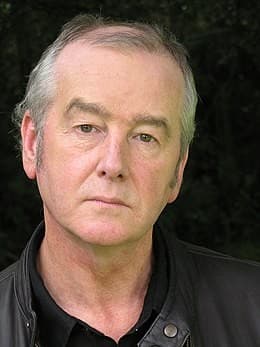
David Almond is an acclaimed British author celebrated for his evocative and often magical realist children's and young adult fiction. His notable works include the award-winning "Skellig," "Kit's Wilderness," and "Clay," as well as the prequel "My Name Is Mina." Almond's writing is characterized by its lyrical prose, exploration of profound themes, and a unique blend of the ordinary and the extraordinary.







