“The forest is like a mother. She gives, and she takes. But mostly, she gives.”
— Saartjie's early understanding of the forest's bounty and harshness.

Genre
Historical Fiction
Reading Time
9-10 hours
Key Themes
See below
Sign in to track this book
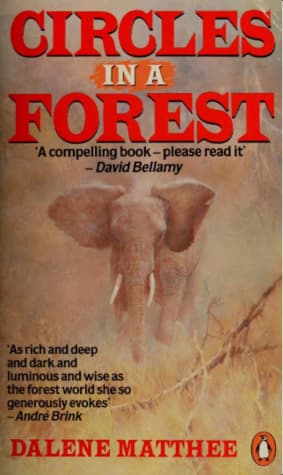
In the ancient Knysna Forest, a young woodcutter's life intertwines with the fate of a magnificent elephant herd, as their world clashes with humanity's greed for timber and ivory.
Saul Barnard is introduced as a young boy living with his family, the Barnards, who are 'bosmense' (forest people) – woodcutters making a living in the Knysna Forest. His life is closely tied to the forest's rhythms and creatures, especially the elephants. He learns the forest's ways early, developing a deep understanding and respect for its ecosystem. Unlike many other woodcutters, Saul feels a spiritual connection to the forest, often watching the elephants and their matriarch, Oupoot, from a distance. His childhood shows a strong sense of belonging and a growing awareness of human greed's destructive impact on his home.
As Saul grows, timber merchants and their large-scale logging operations become more common. Men like Mr. M.C. du Toit, representing government and business, start to control the forest more. This puts pressure on the woodcutters, who are often exploited and paid little. The forest suffers from the constant cutting of its old trees. The elephants, important to Saul's connection to the land, find their habitat shrinking and their lives threatened. The 'bosmense's' traditional, sustainable practices are slowly replaced by industrial exploitation.
Saul's growing unhappiness with the exploitation of the forest and his people leads him to defy authorities more often. He becomes known for his independent spirit and his refusal to follow the harsh rules set by timber companies. A major event happens when Oupoot, a large, famous elephant, is targeted for hunting, accused of being dangerous. Saul sees Oupoot as a symbol of the forest's wild spirit and a creature he respects. He becomes involved in the hunt, not to kill, but to protect. His actions often put him against other hunters and authorities.
Saul meets Kate MacDonald, a woman not from the forest community. She represents the 'outside world' of education and different social norms. Kate is first drawn to a romantic idea of the forest and its people, but she also brings the complexities and expectations of urban society. Their relationship has misunderstandings and cultural clashes. Kate sees Saul's potential beyond his life as a woodcutter and tries to encourage him to find opportunities outside the forest. This interaction makes Saul face the limits and prejudices 'bosmense' encounter and his own place in a changing world.
In a dramatic turn, Oupoot, the elephant, is killed. Saul is wrongly blamed for its death, despite his efforts to protect the animal. Authorities, wanting to assert control and remove a troublesome figure, use this accusation. Saul is put on trial, a process he sees as unfair given his deep connection to the forest and his innocence. He is found guilty and banished from the Knysna Forest, his only home. This banishment is a devastating blow, cutting his ties to his heritage and the land he loves.
Forced to leave the forest, Saul tries to build a new life in the nearby town of Knysna. He finds work in a sawmill, ironically processing the timber he once fought to protect. This new environment feels alien and hostile. He struggles with the structured, monotonous work and the artificiality of town life. The noise, crowds, and lack of nature weigh heavily on him. He feels like an outsider, always longing for the forest's freedom and familiarity. His experiences in town only deepen his appreciation for what he has lost and confirm his identity as a 'bosmens'.
Unable to live away from his home, Saul makes the dangerous decision to secretly return to the Knysna Forest, defying his banishment. He becomes a fugitive, living off the land and avoiding authorities. His main goals are to clear his name regarding Oupoot's death and to reconnect with his family, especially his sister, Lena, and his aging mother. During his secret return, he starts to uncover the real story of Oupoot's killing, realizing others were involved who gained from the elephant's death. His presence in the forest is a constant reminder of unresolved injustices.
As Saul moves through the forest as an outlaw, he starts to piece together the truth about Oupoot's death. He confronts various people, including other woodcutters and the hunters who actually killed the elephant for its ivory, not out of need. He also confronts the corruption and exploitation of the timber industry and its agents, who have taken land from the 'bosmense' and destroyed their way of life. These confrontations are often tense and dangerous, showing the deep divisions and moral decay that have entered the forest community. Saul's search for justice becomes a search for the forest's soul.
Throughout his time back in the forest, Saul is aware of the sharp decline in the elephant population. He sees fewer and fewer of the creatures, their numbers cut down by hunting and habitat loss. The herds, of which Oupoot was a proud matriarch, are now fragmented and struggling. This dwindling presence of elephants deeply affects Saul, as they represent the forest's spirit and wildness. Their disappearance mirrors the destruction of his own way of life and the damage done to the natural world by human greed and shortsightedness.
Saul eventually finds a measure of redemption, not through legal clearance, but through his commitment to the forest. He accepts his role as a guardian of the remaining wilderness and its stories. Though the forest he knew as a child is changed, he works to preserve what remains and ensure the memory of the elephants and the 'bosmense' way of life is not lost. He finds a new purpose in living with the forest, observing its cycles, and advocating for its protection. He becomes a living legend, a symbol of the forest's enduring spirit.
The Protagonist
Saul transforms from an innocent forest boy into a defiant protector, unjustly banished but ultimately returning to become a guardian of the forest's legacy, finding a new form of belonging.
The Supporting/Symbolic
Oupoot's arc is less about personal development and more about her symbolic journey from a powerful matriarch to a hunted icon, ultimately representing the tragic loss of the forest's primal essence.
The Supporting
Kate's arc involves a growing understanding of the complexities and injustices faced by the forest people, moving from romantic idealization to a more realistic, albeit still 'outsider,' perspective.
The Supporting
Lena's arc is one of quiet endurance and unwavering loyalty, representing the steadfastness of the forest community in the face of adversity.
The Antagonist
Du Toit remains largely static, serving as a consistent symbol of the destructive, exploitative forces arrayed against Saul and the forest.
The Supporting
Old Man Barnard's arc is one of gradual decline and fading relevance as the traditional woodcutter's life is systematically dismantled.
The Supporting
Joram's arc reflects the broader struggle of the 'bosmense' to adapt or succumb to the pressures of modernization, often remaining a more passive figure compared to Saul.
The Antagonist/Mentioned
This collective remains static, serving as a persistent antagonistic force throughout the narrative, symbolizing the relentless encroachment of destructive 'progress'.
This theme explores the destructive conflict between human greed and nature. The novel shows the exploitation of the Knysna Forest for timber and ivory, which devastates its ecosystem and nearly wipes out its elephants. Saul Barnard embodies resistance to this destruction, fighting to protect his home and its creatures from industrialization and profit. The cutting of old trees and the hunting of Oupoot symbolize the damage done to nature when it is treated only as a resource, as seen in the logging by figures like Mr. M.C. du Toit.
“The forest was not a property. It was life. It was a heart beating in a million trees and in the deep silence between them.”
The novel mourns the loss of a natural world and a traditional way of life. Saul's childhood in the untouched forest contrasts with his later experiences, where the forest is scarred, and the 'bosmense' are displaced. The disappearance of the elephant herds, especially Oupoot's death, symbolizes the erosion of the forest's wild spirit and the fading of a unique culture. The 'bosmense' are forced to abandon their old practices, trading freedom for sawmill wages, representing the tragic sacrifice of heritage for 'progress.'
“He knew it was not only Oupoot that had died. Something else had died with her. Something in the forest. Something in himself.”
Justice and injustice run through the narrative, especially regarding Saul's wrong accusation and banishment. Saul is blamed for Oupoot's death, a crime committed by others driven by greed. The legal system, shown by the trial, is biased against the 'bosmense' and manipulated by powerful interests like timber merchants. Saul's quest to clear his name and expose the truth highlights the struggle for fairness when power often decides what is 'right.' His banishment from the forest is the ultimate injustice, separating him from his identity and spiritual home.
“They would never understand. They would never understand that a man could kill a tree and still love the forest.”
The novel explores Saul's struggle with identity and his deep connection to the Knysna Forest. As a 'bosmens,' his identity is tied to the land, its trees, and its elephants. His banishment from the forest is not just a physical separation but an existential crisis, forcing him to confront who he is without his spiritual home. His attempts to adapt to the 'outside' world show his alienation and strengthen his identity as a man of the forest. Ultimately, his return, even as an outlaw, means he reclaims himself and his heritage.
“He was a forest man. He belonged in the forest, like the trees and the elephants.”
The natural cycle of life, death, and regeneration is a constant backdrop to the human story. The forest itself shows this theme, with trees growing for centuries and eventually falling for new life. Elephants also follow this cycle, but human interference brutally stops their natural rhythm. The novel contrasts the natural, respectful cycle of the 'bosmense' (who understood selective cutting) with the destructive, exploitative cycle of commercial logging. Saul's understanding of this natural balance makes the human-caused destruction even more tragic, as it breaks the sacred circle of life.
“The forest was forever changing, forever dying and forever being born again. But man interfered with the rhythm.”
The elephants, particularly Oupoot, symbolize the wild, untamed spirit of the forest and its ultimate vulnerability.
The elephants in 'Circles In A Forest' serve as powerful symbols. Oupoot, the ancient matriarch, embodies the majesty, wisdom, and primal spirit of the Knysna Forest. Her existence is tied to the forest's health, and her eventual death signifies the irreversible loss of its wild essence and the tragic impact of human encroachment. The dwindling herds represent the wider environmental destruction and the fading of a natural world that cannot withstand human greed. For Saul, they are a spiritual connection to his heritage and a physical manifestation of what he fights to protect.
The forest is not merely a setting but an active, living entity that shapes characters and plot.
The Knysna Forest is a dominant presence, almost a character in itself. It is described with vivid sensory detail, reflecting its beauty, dangers, and intricate ecosystem. It acts as a refuge, a provider, a spiritual home, and later, a place of conflict and loss. The forest's health directly mirrors the well-being of the 'bosmense' and the elephants. Its ancient trees bear witness to centuries, and its destruction directly impacts Saul's identity and fate, making its fate inseparable from the human story.
Saul's memories of his childhood in the forest are used to highlight the contrast between past and present.
The novel frequently employs flashbacks and Saul's internal memories of his childhood in the untouched forest. These serve to establish the profound connection he has with the land and to emphasize the stark contrast between the pristine past and the degraded present. These memories deepen the sense of loss and highlight the irreversible changes wrought by human intervention. They also provide insight into Saul's motivations and his unwavering commitment to the forest, showing the reader what he is fighting to preserve or reclaim.
The forest people represent a traditional, marginalized culture clashing with modern industrialism.
The community of 'bosmense' (forest people) acts as a microcosm for indigenous or traditional cultures worldwide facing displacement and destruction by modern industrialization. Their way of life, their skills, their connection to the land, and their simple economic system are all threatened and ultimately dismantled by the timber industry and government policies. Their struggles highlight themes of cultural erosion, economic exploitation, and the loss of traditional knowledge in the face of 'progress,' making their story a universal one of marginalized communities.
“The forest is like a mother. She gives, and she takes. But mostly, she gives.”
— Saartjie's early understanding of the forest's bounty and harshness.
“A man without land is a man without roots, and a tree without roots will fall.”
— Reflecting on the struggles of the woodcutters and their connection to the land.
“The elephant carries the forest in his memory, and the forest remembers the elephant.”
— Emphasizing the deep, almost spiritual connection between the elephants and the forest.
“There are circles in a forest, and circles in a man's life. Some you can break, some you cannot.”
— Saartjie's reflection on destiny, fate, and the cyclical nature of life and the forest.
“To live in the forest is to read the signs, to hear the whispers, to feel the breath of the trees.”
— Saartjie's deep immersion and intuitive understanding of the forest's language.
“Fear is a shadow that grows longer the more you run from it.”
— Saartjie's internal struggle with the dangers and uncertainties of her life.
“The outside world wants to tame the forest, but the forest will always find a way to resist.”
— Highlighting the conflict between human exploitation and nature's resilience.
“Sometimes the greatest strength is to know when to let go, when to surrender to the flow.”
— Saartjie's difficult decisions and adaptations to life's changing circumstances.
“The silence of the forest is not empty, it is full of living things.”
— A description of the vibrant, hidden life within the seemingly quiet forest.
“Every tree has a story, if only you know how to listen.”
— Emphasizing the deep history and wisdom held within the ancient trees of the forest.
“Blood spilled on the forest floor does not wash away easily. It stains the earth and the memory.”
— Referring to the violence and tragic events that occur within the forest.
“To be truly free, one must first be free in one's own mind, not just in one's body.”
— Saartjie's journey towards self-discovery and internal liberation.
“The future is like a path through dense bush; you cannot see the end, only the next step.”
— A metaphor for the uncertainty and challenges of life, especially in the unpredictable forest.
“Love is not a tame thing. It is wild, like the forest, and demands respect.”
— Saartjie's passionate and often tumultuous relationships, reflecting the untamed nature of her world.
Ready to see how well you understood this book? Take our interactive quiz with 10 questions.
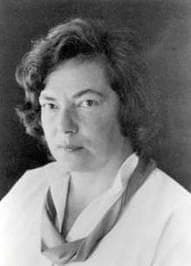
Dalene Matthee was a celebrated South African author, best known for her evocative novels that explored the Knysna forests and the lives of the woodcutters. Her debut novel, 'Circles in a Forest' (1984), garnered international acclaim and remains her most famous work. Matthee's writing is characterized by its lyrical prose, deep connection to nature, and exploration of complex human relationships and societal issues.







