“The secret to happiness, at least for me, is to stop trying to control things I can't control and to focus on what I can.”
— Christy reflects on her early struggles in Cutter Gap.

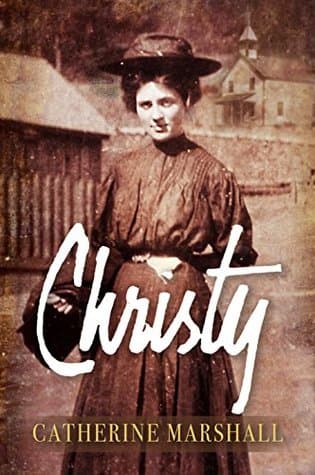
Catherine Marshall (1967)
Genre
Historical Fiction / Young Adult / Romance
Reading Time
12-15 hours
Key Themes
See below
Sign in to track this book
Nineteen-year-old Christy Huddleston ventures into the isolated, impoverished world of Cutter Gap, where her faith, heart, and modern ideas clash with ancient traditions and the fierce love of two very different men.
In 1912, nineteen-year-old Christy Huddleston, fresh out of seminary, leaves her comfortable home in Asheville, North Carolina, to teach in the remote, impoverished community of Cutter Gap in the Great Smoky Mountains. Her journey by train and then by wagon is hard. It immediately shows the difference between her privileged upbringing and the primitive conditions of the Cove. Upon arrival, she meets Dr. Neil MacNeill, the dedicated local doctor, and David Grantland, the young minister. Christy is assigned a small, rundown cabin. She quickly discovers the deep poverty, illiteracy, and superstitions among the mountain folk. Her initial enthusiasm lessens because of the overwhelming challenges and the suspicion some locals have of outsiders.
Christy's first days are full of culture shock. She sees the independence and sometimes violent nature of the mountain people. Many are suspicious of her intentions. She meets Fairlight Spencer, an elderly woman many believe is a 'hant' (ghost), who becomes a source of both fear and interest. Christy tries to introduce formal education, but some parents resist. They value manual labor over schooling. She sees the effects of moonshining, feuds, and the lack of basic medical care, which often leads to preventable deaths. Both Dr. MacNeill and David Grantland offer her support, but they also have different ideas for helping the community. This creates early tension for Christy.
Christy dedicates herself to her one-room schoolhouse. She faces challenges like irregular attendance, a lack of supplies, and students of all ages with different levels of education. She tries to introduce hygiene, basic arithmetic, and reading, often clashing with traditional beliefs. She learns about 'White Death' (tuberculosis) and pellagra. Her efforts to connect with the children are often successful, especially with characters like Lundy Taylor and Little Burl. However, gaining the trust of their parents, like the patriarchal Jeb Spencer, is much harder. She begins to see the beauty and resilience of the people, along with their hardships. She starts to question her own ideas.
Several medical crises show the great need for modern medicine and Dr. MacNeill's tireless efforts. Christy often helps him, seeing his skill and compassion. During a diphtheria outbreak, she helps nurse the sick, risking her own health. She sees his frustration with his limited resources and the community's reliance on folk remedies and superstitions. These shared experiences create a strong bond between Christy and Neil. She comes to admire his dedication and selflessness. At the same time, David Grantland continues to offer spiritual guidance and a different view on the Cove's problems, creating a subtle romantic tension as Christy feels drawn to both men.
Christy actively confronts the superstitions in Cutter Gap, especially those that endanger health or cause fear. She tries to dispel beliefs about 'hants,' 'witchy women,' and folk cures that are ineffective or harmful. Her efforts are not always welcomed. She sometimes faces direct opposition, even threats. She learns about the tragic story of Fairlight Spencer and her son, which is tied to the community's superstitions. Christy's desire to bring reason often puts her at odds with the older generation and those who hold to tradition. But she also finds allies among younger, more open-minded individuals.
Christy gradually uncovers the moonshine operation in the Cove. It provides a small income for many families but also leads to violence, poverty, and moral decay. She sees the effects of alcohol on men like the Taylors and the consequences of feuds started by moonshine disputes. David Grantland preaches against moonshine, while Neil MacNeill treats its physical and social problems. Christy struggles with how to address this deeply ingrained part of the mountain economy. She understands the desperation that drives it but also sees its destructive power.
Despite her dedication, Christy feels lonely, frustrated, and doubtful. The isolation of Cutter Gap, the constant struggle against poverty and ignorance, and the slow pace of change weigh on her. She misses her family and the comforts of her former life. She questions if she is making a difference and if she has the strength to continue. She often shares these thoughts with either Neil or David, who offer different kinds of comfort and encouragement, further complicating her feelings for them. Her faith is tested, and she seeks guidance through prayer and reflection.
David Grantland's wealthy family visits Cutter Gap. Their presence highlights the difference between the mountain folk and the outside world, and between Christy's past life and her current one. Christy sees David through their eyes, recognizing his potential for a more prestigious life outside the Cove. The visit also lets Christy reflect on her own background and choices. This strengthens her commitment to the people of Cutter Gap despite the hardships, and perhaps further connects her destiny with theirs.
Christy faces a life-threatening situation when caught in a mountain feud or a dangerous journey. This shows the constant dangers of the Cove. This event often brings both Neil and David to her aid, showing their protective instincts and deep care for her. After this, or a similar moment, David Grantland proposes marriage to Christy. This forces her to face her feelings for both David and Neil. She is torn between David's intellectual and spiritual companionship and Neil's practical, compassionate, and often unspoken love. The proposal is a turning point, making Christy consider her future and her heart's true inclination.
Christy grapples with David's proposal. She weighs her feelings for both men and her calling to serve the community. She deeply respects and cares for David, but her heart increasingly leans towards Neil MacNeill. His quiet strength, unwavering dedication, and shared experiences have created a strong bond. The book often leaves the final romantic decision somewhat open at its end. It focuses more on Christy's renewed commitment to Cutter Gap. She chooses to remain in the Cove, dedicating herself to her teaching and the betterment of the mountain people. She understands that her journey of faith, self-discovery, and service is far from over. She finds her purpose rooted in the rugged beauty and challenging realities of the Smoky Mountains.
The Protagonist
Christy transforms from an idealistic, sheltered girl into a resilient, compassionate woman deeply committed to service, finding her purpose and a deeper understanding of love and faith.
The Supporting/Love Interest
Neil continues his tireless service to the community, finding renewed hope and companionship through his bond with Christy.
The Supporting/Love Interest
David remains committed to his ministry, continuing to seek ways to uplift the community both spiritually and intellectually.
The Supporting
Miss Alice continues her quiet, impactful ministry, guiding Christy and embodying enduring faith and service.
The Supporting
Fairlight remains a mysterious figure, her story serving as a powerful lesson for Christy about prejudice and compassion.
The Supporting
Lundy continues her education, representing the hope for a brighter future for the children of Cutter Gap.
The Supporting
Jeb remains a steadfast figure of mountain tradition, slowly and subtly influenced by Christy's persistent efforts.
The Supporting
Little Burl's survival and progress in school symbolize the small but significant victories of Christy's work.
The Supporting
Opal grows in her studies and respect for Christy, showing the transformative power of education.
Christy's journey is one of spiritual growth. She arrives with a strong, but untested, faith. The harsh realities of Cutter Gap—poverty, illness, death, and superstitions—make her question God's presence and purpose. Her struggles with loneliness, the slow pace of change, and the community's resistance lead to moments of doubt. However, through her service, her relationships with Miss Alice, Neil, and David, and her own thoughts, she finds a deeper, more resilient faith rooted in action and compassion. The book shows how faith is challenged, refined, and strengthened through adversity.
“"Faith, like a muscle, grows stronger with use, even if the use is just holding on tight in the dark."”
A central theme is the clash between Christy's modern, educated, and privileged background and the traditional, superstitious culture of Cutter Gap. Christy initially judges the mountain people through her own worldview, struggling with their illiteracy, resistance to hygiene, and belief in 'hants.' As she spends more time in the Cove, she learns to appreciate their independence, resilience, family loyalties, and unique wisdom. The book highlights the challenges of cross-cultural communication and the importance of empathy and respect in bridging divides. It shows that true progress needs understanding and adapting to local ways, rather than imposing outside ones.
“"They were mountain people, and their ways were their ways, carved out of generations of isolation and hardship."”
The novel shows the theme of selfless service and the sacrifices it demands. Christy, Dr. Neil MacNeill, and Miss Alice Henderson all dedicate their lives to helping the people of Cutter Gap, often at personal cost. Christy leaves comfort and security, enduring hardship and isolation. Neil works tirelessly with minimal resources, risking his own health. Miss Alice has spent decades in quiet, devoted ministry. Their work is often thankless, dangerous, and slow to show results, yet they continue. The book suggests that fulfillment comes from serving others, even when it requires personal sacrifice and confronting difficult truths.
“"To serve, she was learning, meant to give not only her time and her skill, but her very heart."”
Education is a powerful, though slow, catalyst for change and improvement in Cutter Gap. Christy's main mission is to bring literacy and basic knowledge to the children. She believes it will empower them to break cycles of poverty and ignorance. The resistance she faces from some parents shows the community's distrust of outside influences and their practical focus on survival. However, the eagerness of students like Lundy Taylor shows education's potential to open new worlds and provide hope for a better future, challenging harmful superstitions and promoting health. The schoolhouse is a symbol of progress and possibility.
“"A book was a window, and these children, she vowed, would have their windows opened wide."”
Christy's romantic involvements with Dr. Neil MacNeill and David Grantland are intertwined with her search for purpose. Both men represent different paths and philosophies for helping the Cove. Her attraction to each reflects different aspects of her developing character. Neil embodies practical, hands-on service and quiet strength. David offers intellectual companionship, spiritual guidance, and a more traditional partnership. Christy's ultimate decision about who to marry (or her commitment to stay in the Cove) is not just romantic. It is also a vocational choice, aligning her personal future with her calling to serve the mountain people. This theme explores how personal relationships and professional purpose are often intertwined.
“"She had come to the mountains to find God, and instead, she was finding her own heart, torn between two good men and a calling that demanded everything."”
Allows intimate access to Christy's thoughts, feelings, and moral struggles.
The novel is told from Christy Huddleston's first-person perspective, giving readers direct access to her initial idealism, subsequent struggles, moments of doubt, and eventual growth. This narrative choice immerses the reader in Christy's personal experience of cultural shock, allowing them to witness her internal conflicts, her developing understanding of the mountain people, and her evolving feelings for Neil and David. It makes her journey of self-discovery and faith highly personal and relatable, as we experience events and observations filtered through her eyes and consciousness.
Creates a microcosm for cultural clash and highlights the challenges of progress.
The remote, isolated setting of Cutter Gap in the Great Smoky Mountains is more than just a backdrop; it is a character in itself. Its inaccessibility preserves ancient traditions, fosters deep-seated superstitions, and amplifies the challenges of poverty and disease. This isolation creates a distinct cultural microcosm, intensifying the clash between Christy's modern worldview and the mountain folk's traditional ways. The natural beauty of the mountains contrasts sharply with the harshness of life within them, serving as a constant reminder of both the resilience and vulnerability of the community. The setting is crucial for demonstrating the profound impact of geography on human lives and cultures.
Explores different forms of love and commitment, mirroring Christy's vocational choices.
The romantic tension between Christy, Dr. Neil MacNeill, and David Grantland serves as a significant plot device. It's not merely a romantic entanglement, but a reflection of Christy's internal struggle to define her purpose and find her place. Neil represents pragmatic action, quiet strength, and a shared dedication to physical well-being, while David embodies intellectual companionship, spiritual guidance, and a more traditional, educated path. Her attraction to each man, and her eventual leaning, mirrors her evolving understanding of love, service, and the kind of life she is called to lead in Cutter Gap. It forces her to examine her heart and her deepest convictions.
Represents hope, progress, and the potential for a brighter future.
The one-room schoolhouse in Cutter Gap functions as a powerful symbol throughout the novel. Initially, it's a dilapidated structure, reflecting the community's neglect of formal education. As Christy dedicates herself to teaching, the schoolhouse transforms into a beacon of hope and progress. It represents the potential for literacy to break cycles of poverty and ignorance, challenging deep-seated superstitions and introducing new ideas about hygiene, health, and the wider world. It becomes a space where children of all ages gather, symbolizing the unity and future of the community, and Christy's unwavering commitment to its betterment.
Highlights cultural differences, the dangers of ignorance, and the struggle for health.
The contrast between the mountain people's reliance on folk remedies, superstitions, and 'granny women' and Dr. Neil MacNeill's efforts to introduce modern medicine is a recurring plot device. This tension underscores the cultural clash and the dangers of ignorance in a community prone to preventable diseases like diphtheria and pellagra. It highlights Neil's tireless, often frustrating, struggle against deeply ingrained beliefs. Christy's involvement in assisting Neil and witnessing the efficacy of his methods helps her to understand the critical need for change, while also respecting the mountain people's traditions and the wisdom that sometimes lies within them.
“The secret to happiness, at least for me, is to stop trying to control things I can't control and to focus on what I can.”
— Christy reflects on her early struggles in Cutter Gap.
“There are some things in life that you can only learn by living them, not by reading about them in books.”
— Christy realizes the limitations of her formal education when facing mountain life.
“Love is not just a feeling; it's a choice, a commitment, a daily act of will.”
— Christy contemplates her feelings for David and Neil.
“Sometimes the greatest courage is not in fighting, but in enduring.”
— Christy observes the resilience of the mountain people.
“God doesn't always give us what we want, but He always gives us what we need.”
— Christy grapples with a difficult decision or outcome.
“Education is not just about filling a pail, but about lighting a fire.”
— Christy expresses her passion for teaching and inspiring her students.
“The mountains have a way of stripping away everything that isn't real, leaving only what truly matters.”
— Christy reflects on the transformative power of her new environment.
“It takes a certain kind of strength to admit you don't know everything, and a greater strength to be willing to learn.”
— Christy acknowledges her initial naiveté and her willingness to adapt.
“Prejudice is a disease of the heart, blinding us to the truth of others.”
— Christy confronts the prejudice she encounters and observes in others.
“Hope is a fragile thing, but it is also the strongest thing, for it can survive where all else perishes.”
— Christy witnesses moments of despair and enduring hope in Cutter Gap.
“Sometimes the most profound sermons are not spoken from a pulpit, but lived out in the daily lives of ordinary people.”
— Christy observes the quiet faith and integrity of the mountain folk.
“There's a vast difference between pity and compassion. Pity keeps its distance, compassion moves in close.”
— Christy learns to move beyond her initial pity for the mountain people to genuine empathy.
“True wealth is not measured in possessions, but in the richness of one's spirit and the love shared with others.”
— Christy contrasts the material poverty of Cutter Gap with the spiritual wealth of its inhabitants.
“The greatest joy comes not from receiving, but from giving, especially when you have little to give.”
— Christy experiences the profound satisfaction of service and generosity.
Ready to see how well you understood this book? Take our interactive quiz with 10 questions.
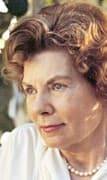
Catherine Marshall was a beloved American author best known for her inspirational fiction. Her most famous novel, "Christy," published in 1967, was a runaway bestseller and later adapted into a television series. Marshall's works often explored themes of faith, love, and the human spirit, drawing from her own experiences and deep Christian beliefs.







