The Father from China
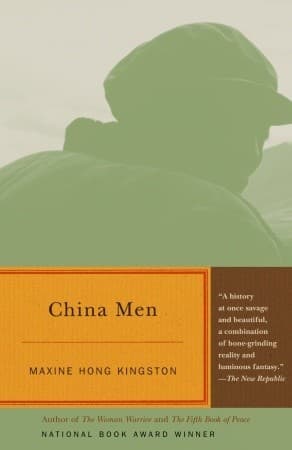
Maxine Hong Kingston begins by exploring the mythical and real journey of her father, often called 'BaBa.' She tells of his arrival in America, searching for the 'Gold Mountain,' and the tough realities he faced. Early parts describe the hard, often brutal work done by Chinese immigrants, especially in laundries, one of the few jobs open to them. The story highlights cultural displacement and the great pressure to send money back to China, showing the dual identity and divided loyalties these men felt. Kingston uses a mix of memory, family stories, and history to picture her father's early life in a foreign land, dealing with racism and the hope of wealth.
The Grandfather and the Railroad
The story then moves to the experiences of Kingston's grandfather, 'Ah Goong,' and other 'China Men' who built the transcontinental railroad. This section vividly describes the dangerous and back-breaking work, including blasting tunnels through mountains, enduring harsh weather, and facing unsafe conditions with little safety. Kingston details the discrimination these workers faced; they were paid less than white workers and often given the most dangerous jobs. The men lived in isolated camps, forming close communities, but were always reminded of being foreign. This chapter shows the great contributions of Chinese immigrants to American infrastructure, often not recognized.
Laws Against the Chinese
This section focuses on the systemic racism in American laws, especially the Chinese Exclusion Act of 1882. Kingston explains how these laws stopped Chinese laborers from bringing their wives and families to America, creating 'bachelor societies' and causing great loneliness and hardship. She describes the 'paper sons' phenomenon, where men used false identities to get around immigration rules, and the constant fear of deportation. The story highlights the psychological cost of being seen as permanent foreigners and the struggle to establish a lasting presence in a country that actively tried to keep them out, affecting generations of Chinese Americans.
BaBa's Laundry and the Ghost Stories
Kingston recounts her father starting a laundry business in America, a common job for Chinese immigrants. This work was physically hard and often had low social status, but it provided a way to survive. The laundry becomes a central place for family life and storytelling, where BaBa shares tales of China and his past struggles. The story also includes Chinese folklore and ghost stories, showing the cultural beliefs immigrants carried with them. These stories helped them cope with being displaced and passed down their heritage to the next generation, mixing everyday life with myth.
The American-Born Sons
This part of the book explores the complex relationship between the immigrant 'China Men' and their American-born sons. The sons, growing up in a different culture, often struggled to understand their fathers' experiences and traditions. Kingston highlights the language barrier, cultural clashes, and the pressure on the sons to fit in while still honoring their heritage. The fathers, having gone through great hardship, often expected their sons to embody their sacrifices, leading to tension and misunderstanding. This generation gap shows the challenges of cultural transfer and identity for Chinese Americans living in two different worlds.
The Warrior Woman and the Silent Father
Kingston looks at her father's frequent silence, which she sees as both a way to protect himself from a hostile world and a source of frustration for his children. She contrasts this silence with the vibrant, often fantastical stories she tells, aiming to voice the unspoken histories of her ancestors. The story touches on the 'Warrior Woman' idea, a theme in Kingston's work, suggesting a strength and resilience beyond gender. Through her imagined reconstructions, Kingston tries to fill the gaps in her family's story, giving agency to those whose stories might otherwise remain untold, especially her father's.
Brother in Vietnam
The book moves to a more recent time, exploring the experiences of Kingston's brother, who serves in the Vietnam War. This section examines the irony and complexity of Chinese Americans fighting for a country that has historically discriminated against their people. It highlights the internal conflict of loyalty and identity, as well as the war's broader political context. The brother's experiences in Vietnam add another layer to the 'China Men' narrative – showing how they continue to contribute to American society, even in its wars, while still dealing with their place within it. His service represents a different kind of struggle for acceptance and belonging.
The 'Adoption' of American Ways
Kingston shows the various ways Chinese immigrants tried to adapt to American society, sometimes through forced assimilation and other times through creative cultural blending. This includes taking American names, celebrating certain holidays, and navigating the education system. However, the story also emphasizes the lasting strength of Chinese traditions and how they were kept despite outside pressures. The 'China Men' found clever ways to preserve their heritage, often in secret, while outwardly conforming to American expectations. This section highlights culture's resilience when facing great pressure to change.
The Immigrant's Dream vs. Reality
Throughout the book, Kingston consistently compares the alluring dream of 'Gold Mountain' – America as a land of opportunity and wealth – with the often brutal and discriminatory reality faced by Chinese immigrants. The men arrived with high hopes, only to encounter severe racism, exploitative labor, and legal barriers that denied them full citizenship and family life. This repeated theme shows the deep disappointment many felt, but also their persistent hope and determination to build a better life for future generations. The gap between expectation and reality creates a central tension in the lives of the 'China Men.'
Finding a Voice for the Voiceless
The final parts of the book emphasize Kingston's role as a storyteller and her dedication to voicing the often-silenced histories of Chinese men in America. She acknowledges gaps in memory and limits of her sources, yet she passionately reconstructs their lives through a mix of personal memories, historical facts, and imaginative additions. By weaving these different parts together, Kingston creates a rich story that honors their struggles, triumphs, and lasting legacy. Her narrative acts to reclaim their stories, ensuring that the contributions and sacrifices of these 'China Men' are not forgotten by history.