“The past is a ghost, the future a dream, and all we ever have is now.”
— A reflection on time and living in the present moment.

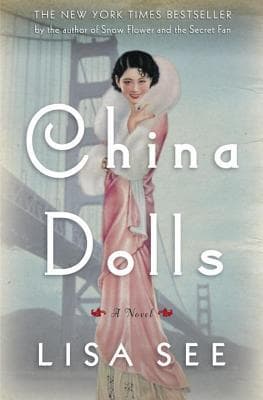
Lisa See (2014)
Genre
Historical Fiction
Reading Time
7-8 hours
Key Themes
See below
Sign in to track this book
In pre-WWII San Francisco, three showgirls form a strong bond that betrayal and the threat of war break, forcing them to face their loyalties and the cost of their secrets.
In 1938 San Francisco, Grace Lee, a girl from the Midwest fleeing an abusive father, auditions at the Forbidden City nightclub. She meets Helen Fong, a confident Chinese American woman from a prominent Chinatown family, and Ruby Tomizawa, a mysterious girl passing as Chinese, who calls herself Ruby Louie. Despite their different backgrounds, they want to escape their pasts and find independence through performing. They become showgirls, starting their journey into the exciting and demanding world of the 'Chop Suey Circuit,' a group of nightclubs with Asian performers.
Grace, Helen, and Ruby train and perform at the Forbidden City. They learn dance routines, wear elaborate costumes, and deal with demanding club owners and customers. Grace struggles with shyness but feels free on stage. Helen, an experienced performer, enjoys the spotlight and mentors Grace. Ruby, always a mystery, keeps some distance but performs well. Their shared experiences create a strong bond, and they move into a small apartment together, forming a family in San Francisco's lively, but often prejudiced, nightlife.
As their friendship grows, Ruby's secret becomes harder to keep. Grace accidentally finds a letter to Ruby Tomizawa, showing her Japanese heritage. Shocked by the deception, Grace confronts Ruby, who explains that her family hid their identity to avoid discrimination and find work. Helen, learning the truth, is more practical and worried, understanding the severe problems if Ruby's secret became known, especially as tensions with Japan rise. This revelation creates a fragile trust between them, complicated by the coming war.
On December 7, 1941, news of the Japanese attack on Pearl Harbor spreads, shocking America. The glamorous world of the Forbidden City quickly changes. Anti-Japanese feelings increase, and fear grips the nation. For Grace, Helen, and Ruby, the attack is a personal disaster. Ruby's hidden identity is exposed, and her presence becomes a risk. The carefree days end, replaced by suspicion and hostility, especially toward anyone of Japanese descent. The attack changes their lives and tests their friendship.
After the attack, President Roosevelt signs Executive Order 9066, leading to the internment of Japanese Americans. Ruby, an American citizen, is taken to an internment camp. Her sudden removal devastates Grace and Helen. After Ruby is interned, a question arises: who reported her? Only Grace and Helen knew her true identity. The suspicion of betrayal weighs heavily between them, harming their once-strong bond. Grace, upset by the loss of her friend and the possibility of treachery, struggles with the horror of the situation and her feelings for both Ruby and Helen.
With Ruby gone, Grace and Helen continue performing at the Forbidden City, but the joy is gone. The war changes the club's atmosphere, bringing in servicemen and a more serious mood. Grace tries to find meaning in her performances, while Helen becomes more ambitious and practical, focusing on her career. The unspoken accusation about Ruby's betrayal creates a gap between them. Grace finds comfort in writing letters to Ruby, receiving occasional, censored replies, which show the harsh realities of camp life. Their friendship, once a source of strength, is now burdened by guilt, suspicion, and the trauma of war.
Grace, no longer the naive girl from the Midwest, matures. She becomes more confident in her performances and as a person. She falls in love with Joe, a kind musician at the club, who helps her deal with her past trauma with her abusive father. Meanwhile, Helen, driven by ambition and a desire for stability, uses her connections and talent to advance her career, eventually leaving the Forbidden City for better opportunities. Despite their different paths, the memory of Ruby's betrayal continues to affect their interactions, preventing full reconciliation.
Years after the war, Ruby returns to San Francisco, a changed woman. She seeks out Grace and Helen, and the long-held tensions finally surface. Ruby reveals the truth of her internment: her own father, fearing for his family's safety and hoping to prove their loyalty, had reported her. This shocking revelation changes the understanding of betrayal and allows Grace and Helen to begin healing their broken friendship. The truth, though painful, offers a way toward understanding and forgiveness, letting them finally confront the past that has troubled them for so long.
The truth about Ruby's internment, that her father was responsible, finally allows Grace and Helen to let go of suspicion and guilt. The three women, though deeply affected by their experiences, begin the difficult process of reconciliation. They share their struggles and pain, leading to a deeper understanding of each other's wartime perspectives. While the past's wounds may not fully disappear, they find a way to forgive each other and themselves. Their sisterhood, tested by betrayal and injustice, ultimately lasts, stronger for having faced such hardship.
After confronting the painful truths of their past, Grace, Helen, and Ruby start new chapters in their lives. Grace continues her passions with a stronger sense of self. Helen, having achieved her career goals, finds a different kind of satisfaction. Ruby, though forever marked by her internment, finds peace in reconnecting with her friends and accepting her identity. Their journey, from naive showgirls to women shaped by war and resilience, shows the lasting strength of female friendship and the impact of historical events on individual lives.
The Protagonist
Grace evolves from a timid, abused girl into a confident, self-possessed woman who finds her own voice and love.
The Protagonist
Helen navigates the complexities of ambition and loyalty, eventually finding success but also grappling with the costs of her choices.
The Protagonist
Ruby's arc is one of forced displacement and the struggle for identity, culminating in a difficult but necessary confrontation with her past.
The Supporting
Joe remains a consistent source of support and love for Grace.
The Supporting
Mr. Fong maintains his traditional values throughout the story.
The Mentioned
Mr. Lee's character remains a representation of past trauma for Grace.
The Supporting
Ruby's father makes a desperate choice that leads to Ruby's internment, later becoming a point of understanding and forgiveness.
The novel explores what it means to be Chinese American, Japanese American, and 'American' during a time of war and strong racial prejudice. Ruby's decision to pass as Chinese shows the desire for acceptance and the changing nature of identity. Grace deals with changing her identity from a Midwestern girl to a showgirl, while Helen manages her dual identity as both American and deeply connected to Chinese culture. The internment of Japanese Americans, despite their citizenship, questions the idea of belonging for an entire community, forcing characters to face who they are versus who society sees them as.
“We were all Americans, weren't we? But some of us more than others, it seemed.”
At its heart, 'China Dolls' is a story about the strong bond between three women. Grace, Helen, and Ruby, despite their different backgrounds and secrets, form a powerful sisterhood that helps them navigate life's challenges as showgirls. Their friendship provides support, comfort, and a sense of family in a world that often treats them as objects. Even after the betrayal and internment, the desire to understand and forgive each other shows how deeply they affect each other's lives, leading to reconciliation and renewed connection.
“We were sisters, bound by blood and sequin, by secrets and dreams.”
The novel shows the widespread racism and discrimination faced by Asian Americans before and after WWII. From the exoticism of the showgirls at the Forbidden City to the injustice of Japanese American internment, prejudice is a constant threat. Ruby's need to hide her Japanese heritage, and her subsequent betrayal and forced removal, is the most clear example of this theme. The story highlights how wartime fear can increase existing biases, leading to civil rights violations and deep personal suffering, affecting not just those directly involved but also those who witness it.
“It was one thing to be Chinese. Another to be Japanese. And another still to be American.”
Each character in 'China Dolls' shows remarkable strength when facing hardship. Grace escapes an abusive home and finds her voice on stage. Helen navigates her family's expectations and her ambitions to build a successful career. Ruby endures the trauma of internment and displacement, yet finds the strength to return and seek closure. The showgirls generally survive in a demanding and often exploitative industry. Their ability to adapt, persevere, and rebuild their lives and friendships after personal and national tragedies shows the human capacity for survival.
“We learned to dance through the tears, to smile when our hearts were breaking.”
The novel explores the burden of secrets and the impact of betrayal. Ruby's secret Japanese identity, while helping her survive, creates constant tension and leads to her internment. The question of who betrayed Ruby affects Grace and Helen's friendship for years, harming their bond and showing how suspicion can destroy trust. The revelation that Ruby's own father was responsible adds another layer of complexity, showing how desperation and fear can lead to unexpected actions. The story suggests that while secrets can protect, their eventual discovery or the act of betrayal carries a lasting cost.
“The truth, once revealed, was a wound that festered.”
The story is told retrospectively by an older Grace, looking back on her youth.
The narrative is framed by an older Grace reflecting on her past, specifically her time at the Forbidden City and her friendships. This allows for a reflective tone, providing insight into the long-term impact of the events and the lingering emotional scars. It also creates dramatic tension, as the reader knows a significant event (Ruby's internment and the question of betrayal) has occurred, driving curiosity about the 'how' and 'why' as the story unfolds chronologically within the frame.
The unique world of Asian-American nightclubs provides a vibrant and complex backdrop.
The Forbidden City and the broader 'Chop Suey Circuit' are more than just a setting; they are a character in themselves. This unique cultural space allows the author to explore themes of identity, exoticism, performance, and the limited opportunities available to Asian American women at the time. It highlights both the glamour and the underlying racial prejudice of the era, showcasing how these women found agency and community within a system that often objectified them, while simultaneously being a place where secrets could be kept and dreams pursued, until war shattered it.
Ruby's hidden Japanese heritage serves as the central dramatic irony and catalyst for conflict.
Ruby's secret identity as Japanese passing for Chinese is a crucial plot device. It creates immediate tension and suspense, as the reader (and eventually Grace and Helen) knows the precariousness of her situation, especially as international tensions escalate. It serves as a ticking clock for the inevitable revelation and provides the central conflict that drives the narrative forward, leading directly to the betrayal and internment. This secret also underscores the theme of identity and the desperate measures people took to survive prejudice.
Grace's correspondence with Ruby provides insight into the camps and maintains their connection.
The letters exchanged between Grace and Ruby during Ruby's internment serve multiple functions. They are a direct window into the harsh realities of life in the internment camps, providing historical detail and emotional impact. They also act as a lifeline for their friendship, keeping their bond alive despite the physical separation and the unspoken betrayal. The censored nature of the letters further emphasizes the lack of freedom and the oppressive environment Ruby experiences, while also highlighting Grace's persistent loyalty and concern.
“The past is a ghost, the future a dream, and all we ever have is now.”
— A reflection on time and living in the present moment.
“We were three girls, as different as could be, yet bound together by a dream.”
— Describing the bond between the three main characters, Helen, Ruby, and Grace, and their shared ambition.
“In America, I was a Chinaman. In China, I was an American. Where was home?”
— A poignant question about identity and belonging for Chinese Americans.
“A woman’s beauty could be a weapon, a shield, or a cage.”
— Exploring the complex role of beauty in the lives of the women, particularly in the entertainment industry.
“The war changed everything, even the way we looked at ourselves.”
— Referring to World War II and its profound impact on the characters' lives and self-perception.
“Secrets are like a virus. They grow and fester until they destroy everything.”
— Highlighting the destructive nature of hidden truths and their consequences.
“We learned to smile through the pain, to dance through the heartache.”
— Illustrating the resilience and performative nature required of the women in their careers.
“Sometimes, the hardest thing to do is to forgive, especially yourself.”
— A reflection on the challenges of forgiveness and self-acceptance.
“The stage was our escape, our sanctuary, our prison.”
— Describing the multifaceted role of performing for the characters.
“Love is not always enough, but it is always something.”
— A realistic perspective on the power and limitations of love.
“We were just trying to make our way in a world that didn't always want us.”
— Expressing the struggle and determination of the Chinese American characters in a prejudiced society.
“Memory is a tricky thing. It can be a comfort or a curse.”
— Reflecting on the nature of memory and its dual impact on individuals.
“Family is not just blood. It's the people who choose to stand by you.”
— Emphasizing the chosen family aspect, particularly among the three friends.
“The applause was a drug, a temporary balm for all our insecurities.”
— Highlighting the intoxicating and fleeting nature of external validation for performers.
Ready to see how well you understood this book? Take our interactive quiz with 10 questions.
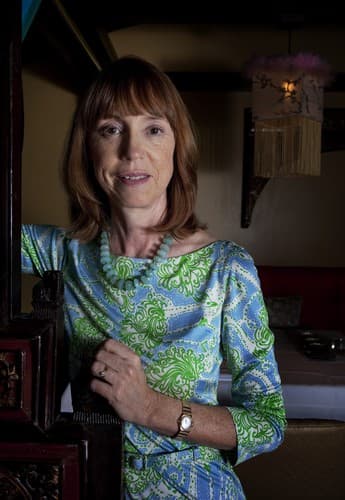
Lisa See is an American writer and novelist. Her books include On Gold Mountain: The One-Hundred-Year Odyssey of My Chinese-American Family (1995), a detailed account of See's family history, and the novels Flower Net (1997), The Interior (1999), Dragon Bones (2003), Snow Flower and the Secret Fan (2005), Peony in Love (2007) and Shanghai Girls (2009), which made it to the 2010 New York Times bestseller list. Both Shanghai Girls and Snow Flower and the Secret Fan received honorable mentions from the Asian/Pacific American Awards for Literature.







