“The land was a gift, and they were the stewards of it, not its owners.”
— Reflecting the early Native American perspective on land ownership and their relationship with nature.


James A. Michener (1978)
Genre
Historical Fiction
Reading Time
1700 min
Key Themes
See below
Sign in to track this book
Follow the Steed family through four centuries of American history, as their lives connect with the story of the Chesapeake Bay, from its wild beginnings to the founding of a nation.
The story begins before Europeans arrived, showing the lives of the indigenous peoples, mainly the Susquehannock and Algonquin tribes, who lived by the Chesapeake Bay. These tribes, including the Susquehannock under their leader, Pemmit, and the Algonquin, had complex societies, spiritual beliefs, and ways of hunting and fishing. The story introduces characters like Pentaquod, an Algonquin boy, who learns about the Bay. Their lives were closely tied to the land and water's natural cycles, experiencing both plenty and hardship. This world was about to change dramatically, as rumors and sightings of strange, pale men on distant coasts, called 'White Dahlias' by some native peoples, began.
The story moves to Captain John Smith's arrival in 1607, leading an expedition to start the Jamestown colony. Smith, a practical explorer, carefully mapped the Chesapeake Bay, meeting various native tribes, including the Powhatan Confederacy and their leader, Wahunsenacawh. His encounters involved diplomacy, trade, and sometimes conflict, as he sought resources and information about the new world. The indigenous people, at first curious and sometimes cautious, observed the Europeans' customs, technology, and their strong desire for land and wealth. This time marked the start of lasting changes for the native inhabitants, as the English presence slowly grew.
In the mid-17th century, Edmund Steed, a Quaker seeking religious freedom, arrived on the Eastern Shore of the Chesapeake Bay. He bought land from the local Indians, founding the town of Devon on principles of tolerance and hard work. Steed's family became one of the region's first, showing Quaker values of peace and industry. The Steeds, over generations, would help develop the area, becoming landowners, shipbuilders, and community leaders. Their story connects with the Bay's changing landscape, from early colonial struggles to building a new society in a wild land, often clashing with aristocratic, slave-owning planters.
As the 17th and 18th centuries passed, tobacco became the main crop in the Chesapeake region, changing its economy and society. The demand for labor to grow tobacco led to widespread indentured servitude and, more and more, chattel slavery. The story follows the lives of enslaved Africans, like those brought to the Turlock plantation, showing the harshness of their lives, their strong spirit, and their efforts to keep their culture. The wealth from tobacco created a clear social order, with powerful planter families at the top, and slavery became deeply set, shaping the Chesapeake's moral and economic structure.
The American Revolution brought trouble to the Chesapeake. Families like the Steeds struggled with divided loyalties. Some, like the independent Amos Steed, supported independence, fighting against British rule. Others, with ties to England or fearing rebellion, remained loyal. The Bay became important for strategy, seeing naval fights and troop movements. The conflict forced communities to choose sides, sometimes breaking families apart. The ideas of liberty and freedom, though strongly spoken by many, also showed the contradiction of a society that enslaved people, a problem that would last for generations.
Decades after the Revolution, the War of 1812 brought British forces back to the Chesapeake, threatening coastal towns and Washington D.C. Residents of the Eastern Shore, including descendants of the Steeds and other families, gathered to defend their homes. The story details naval battles, the burning of Washington, and the strength of American forces, especially at the Battle of Baltimore and the defense of Fort McHenry. This period strengthened American identity and unity, even as the region dealt with its own conflicts and growing tensions over slavery.
In the decades before the Civil War, the Chesapeake region became a center of abolitionist activity, even as slavery remained. The story explores the dangerous journeys of enslaved people seeking freedom through the Underground Railroad, often helped by brave individuals, both Black and white. Characters like the Steeds' descendants, especially those with Quaker roots, are shown as active in the abolitionist movement, sometimes at great personal risk. The moral divide over slavery grew, causing social and political unrest that hinted at the coming national conflict, with the Bay serving as both a barrier and a way to freedom.
The Civil War tore the nation apart, and the Chesapeake region, between Union and Confederacy, faced huge changes. Families were again divided, with some fighting for the Union and others for the Confederacy. The Bay itself became important for strategy, seeing naval battles and blockades. The war freed enslaved people, changing the region's social and economic structure. The aftermath was a time of rebuilding, struggle, and the slow, often hard, process of adapting to a new social order, with former slaves building new lives and former slaveholders dealing with their changed situation. The Steed family navigated these changes, reflecting the wider societal shifts.
After the Civil War, the Chesapeake Bay saw much industrial growth. The oyster industry became a main economic force, attracting thousands of watermen and leading to strong competition. The story details the 'Oyster Wars,' a time of violent conflicts between rival oyster dredgers and tongers, as the Bay's resources were used up quickly. New technologies and increased demand put pressure on the natural environment. The Steeds' descendants, now in various industries, witnessed and took part in these changes, dealing with the environmental effects of progress and the social tensions from fast economic change.
The early to mid-20th century brought the Great Depression, causing economic hardship and unemployment for Chesapeake residents. The story shows how families, including the Steeds, adapted and survived these difficult times, often relying on the Bay's resources. Later, World War I and World War II drew young men and women from the region into global conflicts. The Bay played a role in wartime efforts, with more shipbuilding and naval activities. These global events further connected the Chesapeake to the larger American story, while showing the lasting spirit and strength of its people in hard times.
As the story moves into the late 20th century, the Chesapeake Bay faces environmental problems, including pollution, overfishing, and habitat loss. The story focuses on the growing awareness of these issues and efforts to protect the Bay's ecosystem. Traditional jobs, like fishing and crabbing, declined, leading to changes in the local economy and culture. The descendants of the Steeds and other families adapted to these changes, with some becoming environmental advocates, while others tried to keep traditional ways of life. The story reflects on human activity's long-term impact on the Bay and the ongoing effort to balance progress with preservation.
The final parts of the book bring the story to recent times, reflecting on the history and lasting spirit of the Chesapeake Bay. The connected lives of the various families – the Steeds, the Turlocks, the Cattlets, and the remaining descendants of the indigenous peoples – show the complex nature of American history. The story emphasizes the Bay itself as a main character, always witnessing human effort, struggle, and success. It ends with a sense of both the challenges facing the Bay today and hope for its future, showing the deep connection between the land, the water, and the generations who have lived there.
The Protagonist/Founding Ancestor
Edmund establishes the Steed family legacy, transitioning from a persecuted individual to a respected community founder whose values shape generations.
The Historical Figure/Explorer
Smith's journey establishes the initial European foothold and understanding of the Bay, setting the stage for future colonization and conflict.
The Indigenous Protagonist
Pentaquod transforms from an innocent boy into a wise but ultimately sorrowful leader, representing the impact of colonization on native life.
The Descendant/Revolutionary Figure
Amos evolves from a spirited young man into a dedicated revolutionary, solidifying the Steed family's commitment to the new nation.
The Planter/Slave Owner
The Turlock family arc illustrates the rise and eventual decline of the planter aristocracy and their struggle with the legacy of slavery.
The Enslaved People
Their collective journey illustrates the struggle for freedom, the preservation of identity, and the eventual emancipation and pursuit of new lives.
The Supporting/Watermen
The Cattlets adapt their traditional waterman lifestyle through periods of prosperity and environmental decline, reflecting the Bay's changing health.
The Descendant/Environmentalist
Polly transitions from a passive observer of the Bay's decline to an active and influential advocate for its environmental protection.
The Chesapeake Bay is more than just a place; it is a main character, its health tied to the people living on its shores. From indigenous peoples who lived with its cycles to European settlers who used it for tobacco, oysters, and development, the book always shows how human actions affect the Bay. Modern ecological damage, and later conservation efforts, show a repeating pattern: the Bay's decline reflects human greed, and its possible recovery depends on human responsibility. The characters' success and suffering often reflect the Bay's own health.
“The Bay was not merely water; it was life, food, beauty, danger, and a silent witness to all that happened on its shores.”
This theme appears across many generations and groups. It starts with Edmund Steed's escape from religious persecution and his wish to create a community based on freedom of belief. It continues with the American Revolution, where characters like Amos Steed fight for political independence from British rule. Most strongly, it is seen in the struggles of enslaved Africans, who risk everything for personal liberty through the Underground Railroad and gain freedom through the Civil War. The theme explores different meanings of freedom and the often-hypocritical way its ideals were applied throughout American history, especially regarding race.
“'Liberty,' he thought, 'is a grand word, but it means different things to the master and the slave.'”
The novel shows how the past always shapes the present and future. Each generation inherits the good and bad results of their ancestors' choices. The Steed family's Quaker values, the Turlocks' history of slavery, and the lasting impact of European arrival on Native American tribes are all examples. Characters often deal with the moral debts and cultural traditions passed down to them. The long span of history reveals patterns of conflict, adaptation, and resilience, showing that the Chesapeake's identity is built from centuries of human experience and interaction with the land.
“The past was not merely prologue; it was the very ground upon which they walked, the air they breathed, and the water that sustained them.”
From the first meetings between Native Americans and European settlers, the story is full of conflict and attempts, often fragile, at living together. There are tribal wars, clashes between colonists and indigenous peoples, religious persecutions, the 'Oyster Wars,' and the deep divisions of the Revolutionary and Civil Wars. Yet, amidst these conflicts, there are also times of cultural exchange, intermarriage, and mutual help. The theme explores the tension between different groups competing for land, resources, and power, and the complex, often violent, process of forming a new, multi-cultural society.
“The Bay was wide enough for all, perhaps, but the hearts of men were often too narrow.”
Traces multiple families over centuries to illustrate historical changes.
The novel employs a generational saga structure, following the descendants of several key families (Steed, Turlock, Cattlet, and the indigenous lines) from the 17th century to the late 20th century. This allows Michener to depict the long-term impact of historical events, societal shifts, and moral choices across centuries. It provides a panoramic view of the Chesapeake's development, showing how values, conflicts, and legacies are passed down and evolve, creating a rich tapestry of interwoven destinies that reflect the broader American experience.
The physical environment is personified, influencing and witnessing human events.
Beyond being a mere setting, the Chesapeake Bay itself functions as a central character. It is described with vivid detail, its moods, resources, and ecological health directly impacting the lives and livelihoods of the human inhabitants. The Bay provides sustenance, serves as a battleground, a pathway to freedom, and eventually, a fragile ecosystem in need of protection. Its enduring presence and transformative power link all the disparate stories and generations, acting as a constant witness to human history and a reflection of humanity's relationship with nature.
Detailed, self-contained narratives within the larger story, focusing on specific events or individuals.
Michener frequently uses historical vignettes or mini-sagas, dedicating significant portions of the book to specific events or individual lives that, while part of the larger narrative, feel almost like short stories in themselves. Examples include the detailed exploration of Captain John Smith's interactions, the specific journey of a slave on the Underground Railroad, or the intricacies of the 'Oyster Wars.' This device allows for deep dives into particular historical moments and character experiences, providing rich detail and emotional resonance, before returning to the broader sweep of the generational narrative.
Utilizes different families to represent diverse social, economic, and moral perspectives.
The novel strategically uses several distinct family lines—the Quaker Steeds, the planter Turlocks, the watermen Cattlets, and the indigenous tribes—to represent contrasting social classes, economic interests, and moral viewpoints throughout Chesapeake's history. This allows for a multifaceted exploration of key historical themes like religious freedom, slavery, environmental exploitation, and social mobility. The interactions and conflicts between these families provide a dynamic framework for understanding the complex social fabric and evolving values of the region over centuries.
“The land was a gift, and they were the stewards of it, not its owners.”
— Reflecting the early Native American perspective on land ownership and their relationship with nature.
“There was a fierce joy in wresting a living from the wild, an independence that bred strong men and women.”
— Describing the challenging but rewarding life of early European settlers in the Chesapeake Bay area.
“History was not a straight line, but a river, constantly changing course, carving new paths, yet always flowing to the sea.”
— A thematic reflection on the unfolding centuries and the complex, evolving nature of human events in the region.
“Slavery was a stain on the soul, a cancer that ate at the very heart of the new nation's ideals.”
— A poignant observation on the moral dilemma and devastating impact of slavery as it became entrenched in the colonies.
“The bay was a living thing, demanding respect, offering bounty, and sometimes, taking lives without mercy.”
— Emphasizing the powerful and often unpredictable nature of the Chesapeake Bay itself, a central character in the book.
“Progress, they called it, but sometimes progress left behind more wreckage than it built new things.”
— A critical perspective on industrialization and development, and its often negative consequences on the environment and traditional ways of life.
“To be an American was to be a blend of many bloods, many dreams, many struggles.”
— Highlighting the diverse immigrant experience and the melting pot of cultures that shaped the American identity over centuries.
“The past was not dead; it was merely sleeping, waiting for a chance to reassert its claims.”
— Suggesting the enduring legacy of historical events and decisions on contemporary life and future generations.
“Love, like the tides, had its ebbs and flows, its calm moments and its storms.”
— A metaphorical description of the complex and often turbulent romantic relationships portrayed throughout the book.
“A man's worth was not in his possessions, but in his character and the honor he brought to his name.”
— Reflecting on the enduring values of integrity and reputation that were important across different eras and social strata.
“The taste of freedom, once experienced, could never truly be forgotten, no matter how distant it became.”
— Pertaining to the longing for liberty, particularly among those who were enslaved or oppressed.
“War was a madness that seized men, making them forget their common humanity.”
— A commentary on the destructive and dehumanizing nature of conflict, observed through various wars depicted in the book.
“The future was not something to be feared, but something to be shaped, with courage and with hope.”
— An optimistic outlook on the challenges and opportunities that lie ahead for the people and the region.
Ready to see how well you understood this book? Take our interactive quiz with 10 questions.
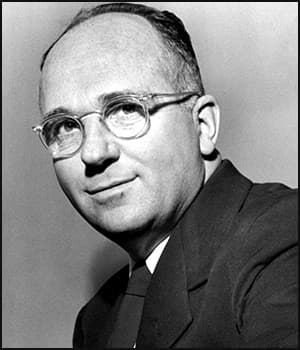
Biography coming soon.







