Return to Laguna Pueblo and Lingering Trauma
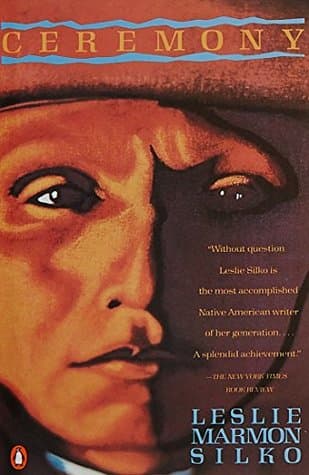
Tayo, a half-white, half-Laguna Pueblo man, comes home to the Laguna reservation in New Mexico after fighting in World War II and being held as a Japanese prisoner of war. He has deep trauma, suffering from 'battle fatigue' (PTSD), and struggles with the deaths of his cousin Rocky and his uncle Josiah. Rocky died in the Philippines, a memory that constantly bothers Tayo, especially the image of Rocky's body rotting in the mud. Josiah's death from influenza back home also affects him. Tayo feels sick, vomits, and feels very isolated. He finds no comfort among his family or other returning veterans who use alcohol and destructive behavior to cope. He feels disconnected from the world and his own people, believing he is cursed or somehow responsible for bad things.
Failed Healing Attempts and the White Doctors
Tayo's family, especially his Auntie, tries to help, but their efforts are limited. He goes to a Veterans Administration hospital, where white doctors call his condition 'melancholia' and 'schizophrenia'. They try to treat him with sedatives and talk therapy. But Tayo knows his sickness is not just physical or psychological in the Western way; it is a spiritual problem from a deeper imbalance. The doctors' methods do not address the cultural and spiritual parts of his trauma. Tayo continues to get worse, spending his days in a haze of alcohol and despair with his friends Emo, Harley, and Leroy, who are also struggling veterans and often act recklessly and violently.
Betrayal and Visions in the Bar
During a night of heavy drinking with Emo, Harley, and Leroy at a bar, Tayo's emotional pain comes out. He tries to talk about his grief and the horrors he saw, but Emo, who is bitter, mocks him, dismisses his suffering, and even shows off teeth from Japanese soldiers he keeps as souvenirs. This further disrespects the war's memory for Tayo. This causes Tayo to lash out violently, trying to stab Emo with a broken bottle. The fight makes Tayo feel more alone from his friends, who see him as weak and 'crazy.' In this chaotic moment, Tayo has a vivid hallucination of Josiah and Rocky. While painful, it suggests a path toward spiritual understanding, showing his connection to the land and his ancestors is still there.
The Old Man Ku'oosh and the Traditional Ceremony
Seeing that Western medicine is limited and his current path is useless, Tayo's grandmother, sensing his deep spiritual sickness, suggests he talk to Ku'oosh, an old Laguna medicine man. Ku'oosh performs a traditional ceremony for Tayo, speaking in the old language and using ancient rituals. The ceremony offers some temporary relief and a feeling of belonging, but it is not enough to fully cure Tayo's deep trauma. Ku'oosh explains that Tayo's sickness is complex and needs a new, more complete ceremony, one that must be 'fixed' or changed for the unique circumstances of the modern world and Tayo's specific suffering. This is a turning point, as Tayo begins to actively seek healing through his cultural heritage.
Betonie, the Mixed-Blood Medicine Man
Following Ku'oosh's advice, Tayo travels to the edge of Gallup, New Mexico, to find Betonie, a Navajo-Mexican medicine man. Betonie is an unusual healer, living in a run-down hogan filled with calendars, junk, and symbols of both traditional and modern life. He is mixed-blood like Tayo, which makes him able to understand Tayo's broken identity and the challenges of adapting old traditions to a modern, post-war world. Betonie immediately recognizes the 'witchery' affecting Tayo and the world. He explains that the old ceremonies are no longer enough because the world has changed. He tells Tayo he must take part in a new, evolving ceremony that involves a journey and specific tasks.
The Search for Josiah's Cattle
Betonie tells Tayo to go on a quest that will be the main part of his ceremony: finding Josiah's lost cattle. Before the war, Josiah had bought a herd of Mexican cattle, different from the local breeds, planning to raise them for profit. These cattle, representing Josiah's dreams and connection to the land, were scattered during a drought. Tayo's search for them becomes a symbolic journey. It forces him to reconnect with the land, its cycles, and its stories. This quest takes him into the large, harsh landscape of the Laguna Pueblo lands and beyond, away from the destructive influences of his drinking friends and into a deeper connection with nature and his ancestral heritage. The cattle represent not just a physical loss, but a spiritual one Tayo must get back.
The Woman Ts'eh and Spiritual Connection
While searching for the cattle, Tayo meets a mysterious and beautiful Ute woman named Ts'eh. She lives peacefully with nature, tending a hidden garden and embodying the land's spirit. Ts'eh becomes a spiritual guide and lover for Tayo, teaching him about how all living things connect, the importance of patience, and the sacredness of the earth. She helps him understand life and death cycles and how to read nature's signs. Their relationship is spiritual, giving Tayo comfort, understanding, and a strong sense of belonging he has missed since the war. Ts'eh represents the earth's feminine power and nature's healing ability.
Confrontation with the Ranchers and the White World
Tayo's quest leads him to a ranch owned by white men who have rounded up Josiah's Mexican cattle, branding them as their own. Tayo confronts the ranchers, risking his life to get back what belongs to his family and, by extension, his heritage. This encounter shows the ongoing conflict between Indigenous peoples and white settlers over land, resources, and cultural identity. Tayo's ability to outwit the ranchers and get the cattle back, despite the danger, is a big step in his personal growth and his ability to deal with the complexities of a world run by white institutions while keeping his cultural values. He learns to use his intelligence and knowledge of the land to succeed where direct confrontation would fail.
The Mountain Lion and the Power of Nature
During his journey, Tayo meets a mountain lion. Instead of being afraid, he feels a deep connection and respect for the animal, understanding its place in nature. This moment shows Tayo's growing connection to the wild parts of the natural world and his letting go of the fear and isolation that had troubled him. The mountain lion is a strong symbol in Native American cultures, representing strength, wisdom, and protection. This encounter shows Tayo's progress in his ceremony. He sees himself as part of the larger web of life, not separate from it, and draws strength from the land itself.
The Final Confrontation with Emo and the Witchery
As the ceremony nears its end, Tayo faces his biggest test. Emo, filled with bitterness and representing the 'witchery' that tries to destroy Indigenous people from within, tries to ambush and kill Tayo at the old uranium mine. Emo, with Harley and Leroy, tortures Pinkie, another veteran, before Tayo's expected fate. Tayo hides and watches, fighting the strong urge for revenge and violence. But remembering Betonie's lessons and how all things connect, Tayo resists the urge to kill Emo. He understands that giving in to violence would complete Emo's destructive ceremony and continue the cycle of hatred. By choosing not to kill, Tayo breaks the witchery's spell and finishes his own healing ceremony.
Completion of the Ceremony and Return to the Community
After avoiding Emo's trap and seeing his former friends' destruction, Tayo spends the night on the mountain, watching the sunrise. He returns to the Pueblo at dawn, feeling peaceful and clear. He tells his experiences to the elders, including Ku'oosh and his grandmother, who confirm his ceremony's success. Tayo has not only healed himself but has also brought back a new understanding of the old ways and their place in the modern world. He is no longer isolated but integrated, having found his place within the community and the cosmic order. His journey has confirmed his culture's lasting power and the land's ability to heal and support.