BookBrief
Catch-22 cover
Archivist's Choice

Catch-22

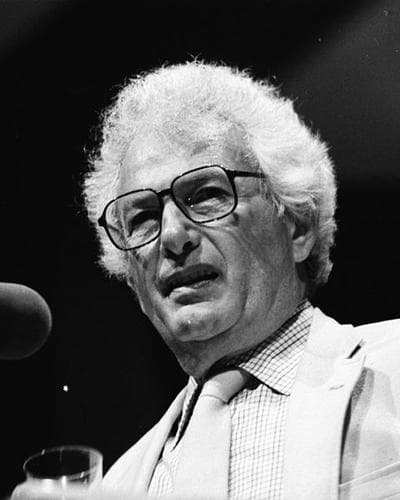
Joseph Heller (2008)

Genre

Historical Fiction

Reading Time

900 min

Key Themes

See below

Track Your Reading

Sign in to track this book

In the chaos of WWII, Captain Yossarian desperately navigates a military where the only sane choice is to pretend madness, all to escape endless bombing missions and survive.

Synopsis

Captain John Yossarian, a bombardier in the U.S. Army Air Forces during World War II, is on the island of Pianosa. He wants to survive the war, but his superiors raise the mission count and enforce the illogical "Catch-22." This rule states that a pilot is insane to fly more missions, but if he asks to be relieved, he is sane and must keep flying. Yossarian pretends illness, tries to get grounded, and even attempts desertion. He deals with the strange and often deadly actions of his fellow airmen, including Milo Minderbinder, who controls the market on everything from cotton to Egyptian dates. As the war continues, Yossarian sees friends die, military bureaucracy's pointlessness, and the moral compromises of those in power. Haunted by Snowden's death, Yossarian decides to escape the madness by following his friend Orr, who deserted to Sweden, rather than face a court-martial or a corrupt promotion.
Reading time
900 min
Difficulty
Hard
Pacing
Variable
Mood
Absurdist, Satirical, Darkly Humorous, Cynical, Frustrating
✓ Read this if...
You enjoy dark satire, anti-war themes, and a challenging, non-linear narrative.
✗ Skip this if...
You prefer straightforward plots, uplifting stories, or strict historical accuracy.

Plot Summary

The Hospital and the Catch

Captain John Yossarian, a bombardier in the U.S. Army Air Forces during World War II, is on the island of Pianosa. He often fakes illness, especially a liver problem, to avoid the growing number of combat missions needed for his squadron to go home. In the hospital, Yossarian meets various odd characters, including Dunbar, who tries to prolong his life by being bored, and Chaplain Tappman, who struggles with his faith and the strange events around him. Here, Yossarian first learns about 'Catch-22,' a bureaucratic paradox. It states that caring about one's safety in real danger is rational, meaning a man is sane enough to fly more missions. But if he flies, he's crazy, and if he doesn't, he's sane, so he must fly.

Milo Minderbinder's Syndicate

Milo Minderbinder, the mess officer, begins building a large, international black market business, M&M Enterprises. He starts by buying and selling things like eggs and cotton, then expands to military supplies, weapons, and even bombing missions for both the Allies and the Axis powers. Milo is known for his business skill, and he says everyone 'has a share' in the business, making everyone involved. His operations grow so large that he bombs his own squadron's base, Pianosa, under contract with the Germans, and later even bombs C.I.D. headquarters. His main goal is profit, and he acts without morals, seeing war as just another business chance.

The Increasing Mission Count

Colonel Cathcart, wanting to become a general, constantly increases the number of combat missions airmen must fly to finish their tour of duty. This random increase, from 25 to 30, then 35, 40, 50, and eventually 80, causes despair and frustration for Yossarian and his fellow airmen. Each time they get close to the current number, Cathcart, influenced by Colonel Moodus, raises it again, ensuring no one can ever go home. This bureaucratic cruelty drives Yossarian's desperation and his growing attempts to avoid flying, showing the random and inhumane nature of military command.

Clevinger's Disappearance and Orr's Crashes

Clevinger, a smart but naive airman, vanishes during a training flight, likely lost at sea; his fate is unclear. His disappearance symbolizes the random and often pointless losses in war. Orr, Yossarian's tent-mate and squadron-mate, often crashes his plane during missions, but always survives and returns to base, often with a silly smile and a story about crab apples. Yossarian finds Orr's constant crashes puzzling and annoying, not realizing that Orr is carefully practicing his escape and survival skills. Orr's seemingly bad flying is later revealed as a planned and successful way to escape the war.

Nately's Whore and the Old Man

Yossarian often visits Rome, where he becomes interested in Nately's Whore, a kind woman. He also meets Nately's Whore's Old Man, a cynical and tired man who hates Americans and believes America will fall, replaced by another power. The Old Man's talks about decay and the meaninglessness of national identity affect Yossarian deeply, increasing his growing disappointment with the war and its supposed values. Nately, a naive and patriotic airman, loves the Whore, unaware of Yossarian's feelings.

Doc Daneeka and the Medical Bureaucracy

Doc Daneeka, the squadron's flight surgeon, is a miserable and self-serving man. He cares only for his own well-being and always tries to avoid work. When McWatt accidentally flies his plane into another pilot, Kid Sampson, killing both, Doc Daneeka is officially declared dead because his name was wrongly on the flight manifest. Despite being alive, the military bureaucracy insists he is dead, and he cannot convince anyone otherwise. This absurd situation shows the dehumanizing and illogical nature of the military's administrative system, where paperwork matters more than reality.

The Death of Snowden

The death of Snowden, a rear gunner, during a mission over Avignon, is a deeply traumatic event that haunts Yossarian. After Snowden is badly wounded, Yossarian tries to help him, only to find a terrible wound in Snowden's side, showing his intestines. This graphic encounter with the reality of death and the body's fragility shatters Yossarian's illusions and strengthens his desperate wish to survive. The memory of Snowden's death, especially the image of his guts spilling out, often replays in Yossarian's mind, becoming a main reason for his rebellion against the war.

Hunger and the Great Loyalty Oath Crusade

The airmen on Pianosa face worsening food shortages because Milo Minderbinder's business diverts supplies for profit. This lack of food makes their already bad situation worse. At the same time, Colonel Cathcart, trying to gain favor with his superiors, starts a 'Great Loyalty Oath Crusade.' He demands that all personnel sign many loyalty oaths, often without understanding what they mean. This bureaucratic absurdity highlights the military's focus on control and appearances over the actual well-being of its soldiers, adding to Yossarian and his comrades' frustration and cynicism.

The Disappearance of Dunbar and the Whore's Revenge

Dunbar, Yossarian's friend who seeks boredom, mysteriously disappears from the hospital, likely 'disappeared' by the military for his different views. His vanishing further emphasizes the dangers of individuality within the system. After Nately's death during a mission, Nately's Whore, filled with grief and anger, tries to stab Yossarian many times, blaming him for Nately's death. Her persistent, almost funny, attempts to kill him become a recurring element, showing the damage and irrationality caused by war's trauma and blurred moral lines.

The Offer: Promotion or Court-Martial

After Yossarian refuses to fly more missions, Colonel Cathcart and Colonel Korn offer him a deal: he can go home immediately and be promoted to major, if he agrees to praise them and the military, and pretend he was always a team player. This cynical offer is meant to save Cathcart and Korn from embarrassment and keep up the appearance of order. Yossarian first considers the deal, tempted by survival and escape, but he finds the moral compromise too great, seeing it as a betrayal of his friends and his own values.

Orr's Escape and Yossarian's Decision

Yossarian is badly wounded by Nately's Whore and is recovering in the hospital when he hears surprising news: Orr, his seemingly incompetent tent-mate, has escaped to neutral Sweden. Orr's constant plane crashes were not accidents but deliberate practice for ditching his plane and rowing to freedom. This news gives Yossarian great hope and a real way to escape the military's demands. Inspired by Orr's clever and successful defiance, Yossarian rejects Cathcart and Korn's offer and decides to desert and follow Orr to Sweden, choosing freedom over complicity.


Principal Figures

Captain John Yossarian

The Protagonist

Yossarian transforms from a desperate, individualistic survivor into a principled rebel who chooses active defiance over passive complicity.

Milo Minderbinder

The Supporting

Milo's character remains largely static, his amoral ambition growing exponentially throughout the novel.

Colonel Cathcart

The Antagonist

Cathcart's ambition and incompetence drive much of the plot's conflict, his character remaining largely unchanged.

Chaplain Tappman

The Supporting

The Chaplain's arc involves a gradual loss of innocence and a growing disillusionment with the military and, to some extent, his own faith, ultimately finding a small measure of courage.

Orr

The Supporting

Orr's arc reveals his true nature as a brilliant strategist, successfully escaping the war.

Dunbar

The Supporting

Dunbar's story ends abruptly with his mysterious disappearance, symbolizing the silencing of dissent.

Doc Daneeka

The Supporting

Doc Daneeka's character remains largely static, his self-pity and bureaucratic 'death' serving as a symbol of the system's absurdity.

Nately

The Supporting

Nately's arc is cut short by his death, symbolizing the tragic loss of innocence in war.

Themes & Insights

The Absurdity of War and Bureaucracy

The novel shows the irrationality and pointlessness of war, not just from enemy actions but from the military's own logic. 'Catch-22' itself is the main symbol of this absurdity, a bureaucratic paradox meant to keep soldiers flying missions forever. Colonel Cathcart's random increases in mission counts, Doc Daneeka being declared dead while alive, and Milo Minderbinder bombing his own squadron for profit all show how military bureaucracy puts rules and self-interest before human life and common sense. This theme highlights how systems can dehumanize when they forget their original purpose.

Catch-22. Anyone who wants to get out of combat duty isn't really crazy.

Doc Daneeka

Self-Preservation vs. Morality

Yossarian's main goal is to survive the war, often leading him to extreme and sometimes morally questionable actions. However, his self-preservation is constantly tested by his inherent morality and care for others. The conflict between saving himself and betraying his friends or compromising his values is central to his struggle. Milo Minderbinder, on the other hand, represents pure, amoral self-interest, where profit outweighs all ethics. The novel explores how war forces individuals to face their moral limits and how far they will go to survive, often at the cost of their humanity.

He knew he was a sane man, because there were other people who were crazy, and he wasn't one of them.

Narrator about Yossarian

Loss of Innocence and Trauma

The war takes away the innocence of characters like Nately and the Chaplain, exposing them to brutality and disappointment. Snowden's traumatic death, with its graphic details, is a key moment for Yossarian, destroying any remaining illusions he had about war's glory or necessity. This event changes his view, making his desire to survive more urgent and his cynicism stronger. The constant threat of death and witnessing horrific violence leave deep psychological scars on the characters, showing the lasting impact of trauma.

Man was matter, that was Snowden’s secret. Drop him and he’ll splash. Strike him and he’ll groan. Touch him and he’ll bleed. Kick him and he’ll die.

Narrator on Yossarian's realization after Snowden's death

The Power of Individual Resistance

Despite the military system's overwhelming and oppressive nature, the novel ultimately supports individual resistance. Yossarian's constant refusal to fly missions, his attempts to escape, and his final decision to desert are acts of defiance against an illogical and deadly authority. Orr's carefully planned escape to Sweden is a strong example of how individual cleverness and determination can overcome seemingly impossible obstacles. This theme suggests that even against great odds, an individual can find agency and choose their own path, refusing to be a mere part of a destructive machine.

He had decided to live forever or die in the attempt.

Narrator about Yossarian

Plot Devices & Literary Techniques

Catch-22

A paradoxical military regulation that traps soldiers in an endless cycle of combat.

The 'Catch-22' is the central plot device, a circular logic that dictates a pilot is crazy if he flies more missions, but if he refuses to fly, he is sane, and therefore must fly. This paradoxical rule, never explicitly written down but enforced by the military, serves as a symbol of the arbitrary and illogical nature of military bureaucracy. It is the inescapable trap that prevents Yossarian and his fellow airmen from escaping combat duty, fueling their desperation and the novel's satirical critique of authority.

Non-Linear Narrative

The story jumps backward and forward in time, revealing information gradually.

The novel employs a highly non-linear narrative structure, constantly shifting between past and present events, often without clear transitions. This fragmented approach mirrors Yossarian's fractured mental state and the chaotic nature of war. Key events, such as Snowden's death, are revisited multiple times, with new details revealed in each iteration, building suspense and gradually unveiling the full horror of the event. This technique disorients the reader, immersing them in the absurd and confusing world of the characters.

Satire and Dark Humor

The use of exaggeration, irony, and black comedy to critique war and bureaucracy.

Heller employs biting satire and dark humor as a primary plot device to expose the follies and cruelties of war and military life. Exaggerated characters like Milo Minderbinder and Colonel Cathcart, absurd situations like Doc Daneeka being declared dead, and ironic dialogues all contribute to the novel's comedic yet critical tone. This humor serves to highlight the inherent irrationality of the events, making the grim realities of war more palatable while simultaneously underscoring their profound absurdity and inhumanity.

Repetition and Recurring Motifs

The repeated use of phrases, events, and character traits to emphasize themes.

Heller frequently uses repetition, such as Yossarian's constant questioning of 'Who's trying to kill me?' or the recurring memory of Snowden's death. This device reinforces key themes like paranoia, trauma, and the absurdity of the war. Certain phrases, like 'crazy right out of his mind,' are repeated with ironic intent. This repetition creates a sense of cyclical futility, emphasizing the characters' entrapment and the relentless, unchanging nature of the bureaucratic machine they are fighting against.

Critical analysis

Notable Quotes

Catch-22', Yossarian shrewdly observed, 'states that a concern for one's own safety in the face of dangers that are real and immediate is the process of a rational mind. Anyone who wants to get out of combat duty isn't really crazy.'

Yossarian's internal struggle with the absurd military bureaucracy.

War wasn't a game, it was a merry-go-round for midgets.

Yossarian's cynical view of the war.

The only thing standing between Yossarian and a safe trip home was the fact that he was sane.

Highlighting the paradox of sanity in an insane situation.

He knew everything, but there was nothing of which he was afraid except the war.

Describing Major Major Major Major's character.

It was a truism that to be a good officer one had to be a crazy bastard.

The prevailing sentiment among the soldiers about their commanders.

The enemy is anybody who's going to get you killed, no matter which side he's on.

Yossarian's realization about the true nature of his predicament.

It was the best of times and the worst of times, but it was the only time Yossarian had.

Yossarian reflecting on his life during the war.

He had decided to live forever or die in the attempt.

Yossarian's ultimate decision about his fate.

The case against Clevinger was open and shut. The only thing missing was a motive.

An example of the arbitrary nature of military justice.

Nately was a good boy, but he was a dead boy.

Reflecting on the futility and loss of life in war.

You're no patriot. You're a deserter.

Colonel Cathcart confronting Yossarian about his desire to leave.

I'm not going to get killed. I'm going to live forever.

Yossarian's defiant declaration as he makes his escape.

He was a self-made man who owed his lack of success to nobody.

Describing Milo Minderbinder's unique approach to business.

Every time he flew a mission, it was a mission completed, and he was still alive.

Yossarian's simple, yet profound, measure of success.

Quiz

Test Your Knowledge

Ready to see how well you understood this book? Take our interactive quiz with 10 questions.

10
Questions
~5
Minutes
?
Best Score

Key Questions (FAQ)

The central irony is that if Yossarian is sane enough to want to avoid flying dangerous missions, he is considered sane enough to fly them. Conversely, if he were crazy enough to want to fly more missions, he would be deemed insane and thus unfit to fly, but his desire to be grounded would prove his sanity, making him fit again. This circular logic traps him endlessly.

About the author

Joseph Heller

Joseph Heller was an American author of novels, short stories, plays, and screenplays. His best-known work is the 1961 novel Catch-22, a satire on war and bureaucracy, whose title has become a synonym for an absurd or contradictory choice. He was nominated in 1972 for the Nobel Prize in Literature.