“Every monster needs a mate, and you, my sweet, are mine.”
— Lord Kaelen's possessive claim over Elara.

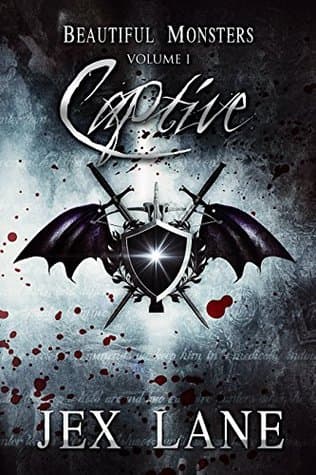
Jex Lane (2016)
Genre
Fantasy / Romance
Reading Time
6-8 hours
Key Themes
See below
Sign in to track this book
Imprisoned by a seductive incubus general, a tormented vampire, desperate to escape his bloodlust, finds himself an unwilling weapon in a supernatural war, battling an undeniable desire for his captor.
Matthew Callahan is a vampire who has spent seven years battling his bloodlust. He lives in self-imposed isolation to prevent harming humans. He hunts animals to survive, but the hunger for human blood is a constant, agonizing presence. His life is one of loneliness and self-loathing, marked by his attempts to control his monstrous urges. He often reflects on the moment he was turned and the loss of his human life. Despite his power, he sees his vampirism as a curse, and his greatest fear is harming an innocent. This internal conflict defines his solitary life before his capture.
One night, Matthew senses an unusual gathering of human energy, a strange lure he cannot resist. Believing he might find a way to satiate his hunger without harming anyone, he investigates. It is a trap. A group of powerful incubi, led by High Lord General Tarrick, ambushes him. Despite Matthew's vampiric strength and speed, he is overwhelmed and subdued by the incubi's combined power and their ability to manipulate energy. Tarrick, with his striking appearance and commanding presence, captures Matthew, intending to use him for his own purposes in the ongoing war.
Matthew is taken to Tarrick's heavily guarded fortress, a place full of incubi and their unique, sensual energy. He is imprisoned in a cell, deprived of blood and constantly exposed to the overwhelming, disorienting sexual energy of his captors. He quickly learns about incubi — their ability to feed on sexual energy and their seductive power. Tarrick makes it clear that Matthew is a prisoner and a tool, not a guest. Matthew's initial defiance is met with Tarrick's calm, authoritative demeanor, which only heightens Matthew's frustration and fear. He is physically and emotionally vulnerable.
Tarrick begins to feed from Matthew, not on blood, but on his sexual energy. This process is intensely intimate and invasive, initially terrifying Matthew. However, the incubus's touch and the surge of energy he draws from Matthew ignite a powerful, unfamiliar desire within the vampire. Matthew, who has long suppressed any form of intimacy due to his vampirism, finds himself inexplicably drawn to Tarrick. This feeding creates a bond, a connection that both repulses and fascinates Matthew, blurring the lines between captor and object of desire. Tarrick's feedings become a complex experience for Matthew, intertwining pain, pleasure, and growing emotional confusion.
Through Tarrick and other incubi, Matthew learns about the ancient, bitter war between vampires and incubi. He discovers that Tarrick intends to use him, a powerful vampire, as a weapon against his own kind. The incubi believe vampires are destructive, while vampires view incubi as manipulative and dangerous. Matthew sees the animosity firsthand. He is a pawn in a larger conflict, caught between two warring species, neither of whom he fully belongs to. His role as a weapon against his own kind further complicates his conflicted feelings about his vampiric nature and his growing connection to Tarrick.
Tarrick begins a rigorous 'training' regimen for Matthew. This is not just physical; it is about control and embracing his vampiric nature for Tarrick's purposes. Tarrick pushes Matthew to use his strength, speed, and senses, not for self-preservation, but as a tool in the war. He also teaches Matthew how to manage the overwhelming incubus energy around him, how to withstand it rather than be consumed. During these sessions, the power dynamic between them is constantly reinforced, yet the intimacy of their feedings continues to deepen their connection. Matthew is torn between his desire for freedom and the strange, compelling desire for his captor.
As part of his 'training' and to solidify his role as a weapon, Matthew is brought to a skirmish against a group of vampires. He is forced to fight against his own kind, a traumatic experience. He struggles with the moral implications of his actions, but Tarrick's presence and their bond compel him to obey. He uses his vampiric abilities to subdue the other vampires, proving his effectiveness to Tarrick and the incubi. This event solidifies Matthew's position as a betrayer to his own species, further isolating him and deepening his dependence on Tarrick.
Despite his captivity, Matthew finds himself increasingly drawn to Tarrick. The feedings evolve, blurring the lines between forced intimacy and genuine affection. He starts to see glimpses of vulnerability and compassion in Tarrick, challenging his perception of the incubus general. This growing attachment creates immense internal conflict for Matthew, as he grapples with the morality of loving his captor. Other incubi, particularly Tarrick's second-in-command, grow suspicious of their bond, questioning Tarrick's judgment and Matthew's loyalty. This tension creates a dangerous environment for their developing relationship.
As Matthew becomes more integrated into Tarrick's inner circle, he uncovers truths about the war that contradict what he has been told. He learns that the conflict is more complex than a simple good-versus-evil narrative, and that both sides have committed atrocities. He might even discover a secret about Tarrick's past or motivations that shakes his trust. This revelation, coupled with his growing feelings, forces Matthew to question everything. The betrayal could involve Tarrick withholding crucial information, or Matthew having to betray Tarrick's trust to uncover the truth, creating a significant rift between them.
The war escalates to a critical point, leading to a major confrontation where Matthew and Tarrick must fight side-by-side against a significant threat, possibly from the Vampire Council or a rogue faction of incubi. This battle tests Matthew's loyalty and his willingness to fight for Tarrick, even against his own kind. It is a desperate stand where their combined strengths are put to the ultimate test. Matthew's vampiric powers are unleashed in full, but his actions are now driven by a complex mix of self-preservation, affection for Tarrick, and a desire to end the senseless war, regardless of who he is fighting.
After the battle, Matthew and Tarrick must deal with the consequences of their actions and the fragile state of the war. Casualties are high, and the political landscape between vampires and incubi is altered. Matthew's position is still precarious, viewed with suspicion by both sides, yet his bond with Tarrick is undeniably strengthened. They are forced to confront the nature of their relationship, no longer just captor and captive, but something deeper and more complex. The path forward is uncertain, but a new understanding or a tentative alliance begins to form, promising a different future for them both.
The Protagonist
Matthew transforms from a self-loathing, isolated vampire into someone who embraces his nature and finds love and purpose in an unexpected, morally ambiguous relationship.
The Antagonist/Love Interest
Tarrick evolves from a pragmatic, dominant general into a leader who allows himself to be vulnerable and finds genuine connection, potentially rethinking his rigid views on the war.
The Supporting
Remains largely consistent, serving as a foil and a representation of the deep-seated animosity between species.
The Antagonist
Remains largely static, representing the entrenched opposition and traditional vampiric views.
The Supporting
Serves as a background character, reflecting the general sentiment of the incubus army.
The Mentioned
Serves as a benchmark for Matthew's internal struggle and character development.
Matthew's central struggle is with his identity as a vampire. He views his vampirism as a curse, leading to isolation and self-loathing. His journey with Tarrick forces him to confront and eventually accept his supernatural nature, not as a monster, but as a part of himself capable of both destruction and connection. This theme is clear from his solitary existence, through his forced training with Tarrick where he learns to wield his powers, and ultimately in his ability to form a bond despite his nature.
“"He was a monster, a creature of the night, and no amount of self-control could change that fundamental truth."”
The story explores various forms of captivity: Matthew's physical imprisonment by Tarrick, his emotional captivity to his own bloodlust, and the societal captivity of both species within their war. Freedom is not just escape, but also liberation from internal demons and societal expectations. Matthew initially yearns for physical freedom, but as his relationship with Tarrick deepens, he finds a different kind of freedom in embracing his desires and challenging the rigid boundaries of his world. This is exemplified in Tarrick's feeding, which is a form of control, yet paradoxically awakens Matthew's suppressed desires, leading to a different kind of liberation.
“"He had been free, in a cage of his own making. Now, he was a prisoner, but perhaps, in this gilded cage, he could finally be truly seen."”
The core of the story is the development of a forbidden romance between a vampire and an incubus, members of warring species, and specifically between a captive and his captor. This relationship challenges conventional morality and societal norms, forcing Matthew to question his understanding of good and evil, loyalty, and love. The taboo nature of their bond, particularly given the power imbalance and the violence of their species' conflict, highlights the complexities of desire and affection that transcend established hatreds. Their intimate feedings, initially forced, become the crucible for their evolving, morally ambiguous love.
“"How could he desire the one who held him prisoner? How could he crave the touch of his enemy?"”
The backdrop of the story is an ancient, brutal war between vampires and incubi, fueled by deep-seated prejudice and misunderstanding. Both sides view the other as monstrous and deserving of destruction. Matthew's capture and forced participation expose him to the complexities and hypocrisies of this conflict, revealing that neither side is entirely 'good' or 'evil'. The theme explores how prejudice blinds individuals and species, leading to endless cycles of violence, and how individual connections, like Matthew and Tarrick's, can begin to dismantle these ingrained hatreds. The reveal of hidden truths about the war further underscores this theme.
“"They called us monsters, but what were they, then, with their endless hunger for power and control?"”
A power imbalance that drives initial conflict and later evolves into complex intimacy.
This device is central to Matthew's captivity. Tarrick, as the High Lord General and Matthew's captor, exerts absolute control over him. This dynamic establishes the initial conflict and Matthew's internal struggle for freedom. However, the device is subverted as their relationship deepens; the lines between master and slave blur, and the power dynamic becomes intertwined with mutual desire and affection. It highlights themes of control, submission, and the complex nature of consent when desire enters the equation, ultimately leading to a more equal, albeit still charged, partnership.
The unique way incubi feed on sexual energy creates a powerful, intimate connection.
Unlike traditional vampire feeding on blood, Tarrick feeds on Matthew's sexual energy. This act is not merely sustenance for the incubus; it forms a profound, intimate, and often overwhelming bond between them. It is both a tool of control for Tarrick and the catalyst for Matthew's awakening desires and emotional connection to his captor. This device directly impacts the plot by deepening their relationship, making Matthew's captivity more complex than simple imprisonment, and serving as a constant reminder of their unusual and powerful connection, driving much of the romantic and psychological tension.
Matthew's thoughts and feelings are directly accessible, shaping reader perception.
The story is primarily told from Matthew's first-person perspective, allowing readers direct access to his tormented internal monologue. This device is crucial for conveying his deep self-loathing, his struggle with bloodlust, his confusion regarding Tarrick, and his moral conflicts. It builds empathy for Matthew and ensures that the reader understands the nuances of his emotional journey, particularly the morally ambiguous aspects of his developing feelings for his captor. It also allows for subjective interpretation of events and characters, particularly Tarrick, through Matthew's evolving lens.
Ancient beliefs or prophecies about the war or a unique union hint at a larger destiny.
While not explicitly stated in the prompt, it's common in this genre for an ancient prophecy or deeply ingrained lore to underpin the conflict between species or the significance of a unique individual like Matthew. This device would suggest that Matthew's capture and his unique bond with Tarrick are not mere accidents but part of a larger, predetermined destiny that could either end the war or escalate it to new heights. It adds a layer of grandeur and inevitability to their story, suggesting their relationship has far-reaching consequences beyond their personal lives, potentially forcing them to fulfill a role they never sought.
“Every monster needs a mate, and you, my sweet, are mine.”
— Lord Kaelen's possessive claim over Elara.
“Fear is a powerful motivator, but love, Elara, love can move mountains.”
— Kaelen trying to explain the depth of his feelings and the power of their bond.
“She was a moth to his flame, drawn to the danger, the darkness, and the undeniable heat.”
— Elara's internal struggle with her attraction to Kaelen.
“Sometimes the chains that bind us are not made of iron, but of desire.”
— Elara's growing realization about her own feelings towards her captor.
“He didn't just want her body; he wanted her soul, her defiance, her very essence.”
— Kaelen's profound and all-encompassing desire for Elara.
“The darkness within him was not a void, but a vast, untamed wilderness waiting for her light.”
— A metaphor for Kaelen's character and Elara's impact on him.
“You may hold my body captive, but my spirit will always be free.”
— Elara's early defiance against Kaelen's control.
“A monster is only a monster until you see the heart beating beneath the scales.”
— Elara's changing perception of Kaelen as she gets to know him.
“His touch was a brand, searing her skin, claiming her as his own, even when she fought against it.”
— The physical and emotional impact of Kaelen's touch on Elara.
“To love a monster is to embrace the shadows, to find beauty in the beast.”
— Elara's internal monologue about her evolving feelings for Kaelen.
“He was the storm, and she was the lightning that struck his heart.”
— A poetic description of their intense and destructive yet passionate connection.
“There are some bonds that even death cannot break, and ours, Elara, is one of them.”
— Kaelen's declaration of their eternal connection.
“She was not merely a captive; she was a catalyst, igniting a fire in a heart long cold.”
— Reflecting on Elara's role in Kaelen's life and transformation.
“Every scar he bore told a story, and she found herself wanting to read every single one.”
— Elara's increasing curiosity and empathy towards Kaelen's past.
Ready to see how well you understood this book? Take our interactive quiz with 10 questions.







