“I guess Mom and Dad don't realize that a fellow's got to do what a fellow's got to do.”
— Greg justifying his actions to his parents.

Jeff Kinney (2007)
Genre
Children's / Young Adult
Reading Time
90 min
Key Themes
See below
Sign in to track this book
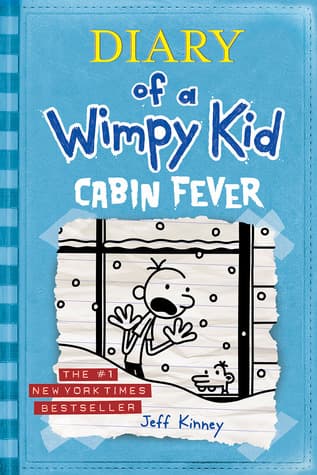
Trapped indoors by a blizzard and under suspicion for school property damage, Greg Heffley must survive the holidays with his eccentric family, only to face an even greater reckoning when the snow finally melts.
The book begins with Greg Heffley explaining how he became a suspect in school vandalism. At the annual Holiday Bazaar, Greg and Rowley ran a 'Santa's Little Helper' booth, offering to do chores. Their business quickly turned messy when they knocked over a display of homemade snow globes. Later, Greg found a rough cartoon of himself drawn on the school wall, suggesting he was involved in damaging the school's 'Giving Tree' poster. Principal Roy suspected Greg, who had a history of misbehavior, and warned him that he would be expelled if he didn't confess.
Afraid of Principal Roy's threat, Greg tried to stay unnoticed. He avoided school hallways and even attempted to hide his appearance. He thought that if he could just make it to winter break, the school would forget the incident. His mother, Susan, tried to get him to confess, but Greg believed he would be expelled anyway. He also tried to get Rowley to support his story, but Rowley was too honest and listened to his parents' advice. Greg grew more paranoid, imagining the police coming for him and constantly checking for cars outside his house.
Just as the school pressure and threat of punishment were highest, a large blizzard unexpectedly hit, covering the town in feet of snow. This closed the school and trapped the Heffley family inside their house. While at first a relief from school problems, Greg quickly found that being stuck with his family brought its own challenges. The power went out, the internet stopped working, and the family had to rely on each other for entertainment and survival, leading to more arguments and feeling cooped up.
With no power, the Heffley home became disorganized. Heat was limited, food supplies decreased, and without electronics, the family had to find other ways to spend time. Greg tried to entertain himself by reading old comic books and playing board games, but his brothers, Rodrick and Manny, constantly bothered him. Manny, the youngest, struggled most with the changes, often acting out and causing more problems, like hoarding all the blankets. Susan tried to keep spirits up, but everyone started to feel the effects of being trapped indoors.
During the blizzard, Greg realized who really vandalized the Giving Tree. He remembered talking with his friend Rowley about Silas Scratch, a local legend who supposedly lived in the woods and caused trouble. Greg understood that the crude drawing on the wall, which looked like him, was actually a misunderstanding of Silas Scratch's symbol. He then remembered seeing older kids, including Fregley, near the Giving Tree and figured out they were the ones who defaced it, using Greg as a scapegoat by drawing his caricature.
As the blizzard continued and supplies ran low, Manny's behavior became harder to control. He started hoarding food, specifically the remaining cookies, and refused to share. He also took all the blankets, leaving the rest of the family cold. When Frank tried to discipline him, Manny retaliated by unplugging the refrigerator, spoiling all the perishable food. This act pushed the family to their limit, showing the stress the blizzard put on their already fragile relationships. Manny's actions were from childlike selfishness and not understanding their shared hardship.
With food running very low and the family desperate, Frank and Greg decided to brave the blizzard to find food at the convenience store. The trip was dangerous, with deep snow and freezing temperatures. They met other desperate townspeople also looking for supplies. The convenience store was chaotic and mostly empty, but they found a few items. During their trip, Greg briefly saw Rowley, who was also out with his family, showing how widely the storm affected the community. They returned home, tired but with some small provisions.
Eventually, snowplows cleared the roads, and the Heffley family and their neighbors were rescued. As the snow melted, Greg knew he could not avoid school anymore. He went to Principal Roy's office, where he confessed his part in the Holiday Bazaar snow globe incident. He also explained about the Giving Tree vandalism and identified the real culprits. To his surprise, Principal Roy did not expel him. Instead, his punishment was to clean up the snow globe mess and serve detention. Greg felt relieved, realizing that telling the truth, even partly, saved him from a worse outcome.
After the experience, Greg thought about what happened. He learned that while being stuck with his family was hard, it also brought them closer in unexpected ways. He also realized that confessing, even to smaller mistakes, can sometimes lead to a better result than trying to hide the truth. The book ends with Greg feeling relief and a slight change in his view, though his basic 'wimpy' nature stays the same. He is glad to be out of the house and back to some sense of normal, but the memory of the blizzard and its challenges will remain with him.
The Protagonist
Greg learns the importance of honesty and facing consequences, though his fundamental personality remains largely unchanged.
The Supporting
Rowley remains consistently good-natured and honest, serving as a moral foil to Greg.
The Supporting
Rodrick remains a consistent source of annoyance for Greg, his character largely static.
The Supporting
Manny's spoiled nature is amplified by the blizzard, showcasing his impact on the family.
The Supporting
Susan consistently tries to hold the family together and teach her children right from wrong, facing increasing challenges during the blizzard.
The Supporting
Frank's frustration escalates during the blizzard, but he ultimately steps up to provide for his family.
The Supporting
Principal Roy remains a figure of authority, ultimately showing fairness in his judgment.
The Mentioned
Fregley's role is minor and his character does not develop.
This theme is important because Greg spends much of the book trying to avoid the results of his actions, both real and imagined. His first attempts to hide the snow globe incident and avoid blame for the Giving Tree vandalism drive the story. The blizzard delays his accountability, but he eventually must face Principal Roy. The book shows that avoiding responsibility might seem easier at first, but it often leads to more worry and possibly worse outcomes, suggesting that honesty, though sometimes hard, is the better way.
“I knew it was only a matter of time before the snow melted and I had to face the music.”
The blizzard forces the Heffley family into close living, making their existing family problems worse. No power and less food increase arguments between Greg, Rodrick, and Manny, and test Susan and Frank's patience. Manny's selfishness causes major conflict, pushing the family to their breaking point. The theme explores how families, even loving ones, struggle under long stress and confinement, showing both the annoyances and the underlying connections they share.
“Being stuck inside with my family for the holidays was probably worse than any punishment Principal Roy could come up with.”
Greg's story is mostly about his attempts to trick others and hide the truth about the school vandalism. He first lies by not saying everything and tries to manipulate Rowley. The fear of being caught consumes him. The discovery of the real culprits for the Giving Tree poster, along with his eventual confession about the snow globes, shows that lies often fall apart and that the truth, though sometimes difficult, can ultimately free one or lead to a more manageable solution. His journey is from lying to a reluctant acceptance of partial truth.
“I figured if I just kept my head down until winter break, everyone would forget about the whole thing.”
The unexpected blizzard is a major challenge the Heffley family must face together. They deal with no power, limited food, extreme cold, and boredom. Each family member copes differently, from Susan's attempts at organized fun to Frank's growing stress and Manny's selfish acts. Greg's own coping involves trying to entertain himself and dealing with his brothers' constant annoyance. The theme explores how people adapt (or don't) when modern conveniences are gone and they must adjust to difficult, isolated conditions.
“It was pretty clear that if we didn't get out of this house soon, someone was going to lose it.”
Provides direct access to Greg Heffley's thoughts, biases, and humorous observations.
The entire story is told through Greg Heffley's diary entries, complete with his handwritten text and simple line drawings. This device allows readers to experience the events directly from Greg's subjective and often self-serving point of view. It highlights his inner monologue, his anxieties about school and family, and his unique (and often flawed) interpretations of events. The diary format also adds to the comedic tone, as Greg's 'wimpy' perspective and exaggerated fears are central to the humor.
A natural disaster serving as both a temporary reprieve and a catalyst for heightened tension.
The blizzard acts as a major plot device, initially providing Greg with a temporary escape from his school troubles. However, it quickly transforms into a source of new adversity, trapping the family indoors and escalating existing tensions. It forces the characters to confront each other without the distractions of modern life, revealing their true coping mechanisms and deepening the 'cabin fever' theme. The blizzard serves as a literal and metaphorical barrier, isolating Greg from the outside world and forcing him to deal with his immediate environment.
The central mystery and external conflict driving Greg's initial actions.
The defacement of the school's 'Giving Tree' poster serves as the primary external conflict that sets the plot in motion. Greg is wrongly accused, creating the tension of him being a fugitive from school authority. This incident provides the motivation for Greg's evasive actions and his eventual investigation into the true culprit. It also allows for the plot twist where Greg discovers the real perpetrators, ultimately leading to his partial exoneration and a lesson about truth and justice.
Visual storytelling that complements and enhances Greg's written narrative.
Throughout the book, Greg's diary entries are interspersed with simple, hand-drawn illustrations and comic strips. These visuals are not merely decorative; they are integral to the storytelling. They often depict scenes Greg describes, visually elaborate on his thoughts and fears (like his paranoia about the police), or present mini-narratives that Greg creates (like his 'Santa's Little Helper' venture). This device enhances the humor, provides visual gags, and makes the book highly accessible and engaging for its target audience.
“I guess Mom and Dad don't realize that a fellow's got to do what a fellow's got to do.”
— Greg justifying his actions to his parents.
“The only thing worse than being snowed in is being snowed in with your family.”
— Greg's thoughts during the Heffleys' cabin vacation.
“I'm starting to understand why some animals eat their young.”
— Greg reflecting on his brother Rodrick's behavior.
“When you're stuck inside with nothing to do, you have to make your own fun. Unfortunately, my version of fun usually gets me in trouble.”
— Greg explaining his boredom during the snowstorm.
“I think the problem with vacations is that you're trapped with the people you see every day, but without any of your usual escapes.”
— Greg's observation about family trips.
“The great thing about being a kid is that you don't have to pretend to like things you don't like.”
— Greg's perspective on childhood honesty.
“Sometimes I think my parents forget what it's like to be a kid.”
— Greg feeling misunderstood by his parents.
“If there's one thing I've learned, it's that you can't trust the weatherman.”
— Greg after the snowstorm traps his family.
“Being bored is a lot like being hungry. If you don't feed it, it just gets worse.”
— Greg describing his restlessness indoors.
“The problem with family game night is that someone always ends up crying.”
— Greg's cynical take on family activities.
“I've decided that the key to survival is to stay out of everyone's way.”
— Greg's strategy for dealing with family tension.
“You know you're in trouble when your mom starts using your full name.”
— Greg noting a sign of parental anger.
“Sometimes I wonder if my family is normal, or if we're just a special kind of crazy.”
— Greg questioning his family's dynamics.
“The best part of being snowed in is that you have a really good excuse for not doing anything.”
— Greg finding a silver lining in the situation.
Ready to see how well you understood this book? Take our interactive quiz with 10 questions.
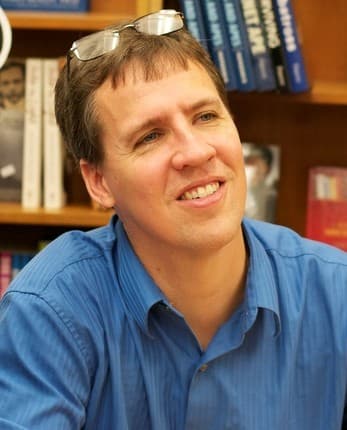
Jeffrey Patrick Kinney is an American author and cartoonist, best known as the creator of the children's book series Diary of a Wimpy Kid. He also created the child-oriented website Poptropica.
Dan Gemeinhart
4.5
Kate O'Hearn
4.4

Jeanne Birdsall
4.4

Jen Wang
4.4
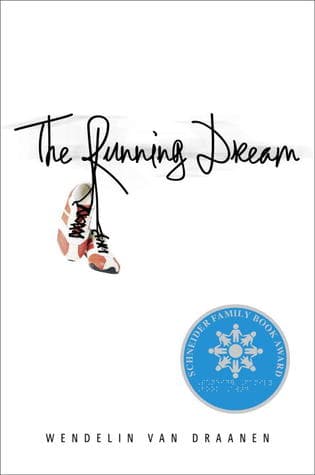
Wendelin Van Draanen
4.3

John Marsden
4.3

Chris Van Allsburg
4.3
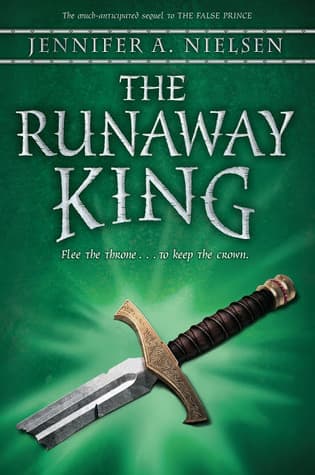
Jennifer A. Nielsen
4.2