“It was as if the fire were a living thing, reaching out to consume everything in its path.”
— Describing the initial moments of the Great Chicago Fire.

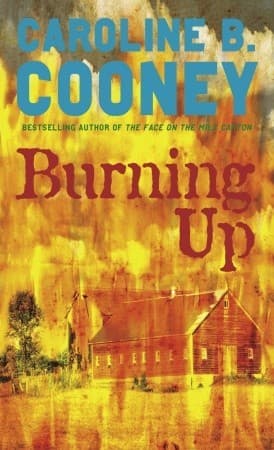
Caroline B. Cooney (1998)
Genre
Thriller / Children's / Historical Fiction / Mystery / Young Adult
Reading Time
240 min
Key Themes
See below
Sign in to track this book
During an idyllic summer in small-town Connecticut, fifteen-year-old Macey Clare uncovers a decades-old arson and confronts her community's hidden prejudice, forcing her to choose between silence and the truth.
Fifteen-year-old Macey Clare arrives at her grandparents' house in rural Connecticut for the summer, looking forward to spending time with Austin, the charming grandson of their neighbors, the Wheelers. Her grandmother, Gran, is initially distant, busy with her own life. Macey quickly notices the remains of a burned barn across the street, on the Wheelers' property. Curious, she asks her grandparents about the fire, which happened 38 years ago. To her surprise, both Gran and Gramps become evasive and uncomfortable, refusing to discuss it. They hint at a deep secret the town has agreed to bury. This immediate resistance makes Macey shift her summer focus from romance to investigation.
Macey tries to question other long-time residents about the barn fire, but everyone gives vague answers, changes the subject, or refuses to discuss it. This reinforces the idea that the community is actively suppressing the past. Even Austin, who Macey hoped would join her adventures, dismisses her questions, preferring typical teenage summer activities. His lack of interest in local history, especially something so close to his family's property, frustrates Macey and makes her feel alone in her search. The collective silence only strengthens Macey's resolve, making her suspect the fire was not an accident but something more sinister involving the town's prominent families.
While volunteering at a summer program, Macey meets Valerie, a girl from the inner city spending the summer in town as part of a foster program. Valerie is staying with the Wheelers, Austin's grandparents, creating an unexpected link. Valerie is quiet at first, but as they spend more time together, she opens up to Macey. Valerie reveals her family history is tied to the town's past and the Wheelers. Her grandmother, a black woman, worked for the Wheelers decades ago and was wrongly accused of stealing, leading to her family's displacement and hardship. This revelation connects Valerie's pain to Macey's investigation into the barn fire, suggesting a pattern of prejudice and injustice in the community.
Macey digs deeper into the town's archives and local history, piecing together information. She discovers the barn belonged to a successful dairy farm owned by the Washington family, a Black family who had lived in town for generations. The fire, she learns, was not accidental but arson, a hate crime by white residents who resented the Washingtons' prosperity and presence in the mostly white community. This truth contrasts sharply with the innocent accident the town has implied for decades. Macey realizes the fire was a symbol of animosity and an attempt to drive the Washingtons out, showing the ugly side of her seemingly perfect hometown.
Macey confronts her grandmother, Gran, with what she has found. At first, Gran remains defensive and tries to dismiss Macey's discoveries. However, under Macey's persistent questioning, Gran's resolve breaks. She tearfully admits her family, including Macey's grandfather, knew the fire's true nature and the hatred behind it. Gran confesses she and many others chose to stay silent, fearing social exclusion and disruption of their comfortable lives. She reveals the deep guilt she has carried for decades, acknowledging her part in the cover-up and the injustice the Washington family suffered. This confession is a turning point, confirming Macey's suspicions and showing the town's moral cowardice.
A tragic event occurs when Valerie, trying to get something from the deserted and run-down Washington property, falls and gets seriously hurt. Her accident is a direct result of the property's neglect and abandonment, which itself stems from the historical injustice. This event deeply affects Macey, turning her academic curiosity into a personal mission for justice. Valerie's suffering makes the historical wrong immediate and real, fueling Macey's determination to not only uncover the past but also to ensure the truth is acknowledged and the community takes responsibility. Macey realizes that indifference and silence have devastating consequences, even decades later.
Armed with the truth, Macey confronts the Wheelers, Austin's grandparents, whose family was directly involved in the events surrounding the barn fire and the harassment of the Washingtons. The Wheelers are defensive at first, trying to downplay their role and keep the town's long-held story of innocence. Macey, however, refuses to back down, presenting her evidence and challenging their selective memory. The confrontation is tense, forcing the Wheelers to face their past actions and the legacy of prejudice they have continued. Austin is present during parts of this confrontation, seeing his grandparents' discomfort and his family's true involvement, which starts to break his earlier indifference.
Seeing Macey's strong resolve and the clear evidence, Austin finally drops his apathy. He begins to understand the impact of the historical injustice and the need to confront it. He realizes the extent of his own family's involvement and the shame of their silence. Austin apologizes to Macey for his earlier dismissiveness and promises to help her reveal the truth. His support is a significant turning point for Macey, giving her an ally in her difficult mission and showing a shift in the younger generation's willingness to acknowledge and address historical wrongs. Together, they plan their next steps to inform the wider community.
Macey, with Austin's support, decides to present her research and findings to the entire community. She organizes a meeting, inviting town elders, local officials, and other residents. During the meeting, Macey bravely details the history of the Washington family, the arson, and the cover-up, exposing the hatred that had been hidden for decades. Her presentation brings varied reactions: some residents are shocked and ashamed, others are angry and defensive, still others express regret and a wish for reconciliation. The truth shatters the town's illusion of peace and makes its citizens confront their collective past, starting a painful but necessary talk about accountability and justice.
After Macey's presentation, the town begins a difficult process of facing its past. Discussions happen about how to acknowledge the injustice suffered by the Washington family and how to make amends. Macey, now a force for change, continues to advocate for recognition and healing. She helps Valerie connect with her family's history and offers support in dealing with the emotional aftermath. The community, though slow and sometimes resistant, starts to take steps toward accepting responsibility, perhaps by dedicating a memorial or establishing a scholarship in the Washingtons' name. Macey's actions not only reveal a historical wrong but also start a path toward collective healing and a more truthful future for the town.
The Protagonist
Macey transforms from an innocent, somewhat naive teenager into a courageous truth-seeker who forces an entire community to confront its dark past.
The Supporting
Gran's initial resistance gives way to a confession of guilt and a painful acknowledgment of her past actions, leading to a potential path towards atonement.
The Supporting
Austin evolves from an indifferent, somewhat privileged teenager to a supportive and morally aware ally for Macey, willing to confront his family's legacy.
The Supporting
Valerie moves from a place of quiet suffering to finding a voice and a degree of closure through Macey's actions, and potentially a path to healing.
The Supporting
They are forced to confront their past actions and the legacy of their family's prejudice, experiencing discomfort and perhaps the beginnings of regret.
The Mentioned
Their historical suffering is finally brought to light, allowing for a potential path to recognition and remembrance.
The novel shows how hatred, seen in the arson against the Washington family's barn, can destroy lives. It also explores the equally destructive power of indifference. The town's silence and refusal to acknowledge the hate crime for almost four decades allowed the injustice to continue, causing ongoing pain for victims' descendants like Valerie and creating a culture of moral cowardice. Gran's personal guilt shows how indifference can harm individuals and communities. Macey's struggle to uncover the truth highlights how ignoring past wrongs stops real healing and causes lasting harm.
“It wasn't just the fire that burned them up. It was the silence afterward, the way everyone pretended it didn't happen, or that it was just an accident.”
Macey's journey is about accepting responsibility for confronting uncomfortable truths, even if they involve her own family and community. She chooses to care for her town enough to demand its moral accountability, rather than letting it stay in denial. Gran's eventual confession, though hard, is a step toward accepting responsibility for her past indifference, opening a path to healing. Austin's change from apathy to active support shows the power of young people accepting responsibility for the legacies they inherit. The novel argues that true healing and progress can only begin when individuals and communities bravely face their past and take ownership of their roles in both causing and ignoring injustice.
“You can't fix what you pretend didn't happen.”
The novel shows how historical injustices, if not dealt with, continue to affect the present. The burned barn is a physical reminder of this burden, a constant sign of a suppressed truth. Valerie's family history, marked by her grandmother's wrongful accusation and later hardships, directly links past racism to her current struggles. Macey's grandparents, especially Gran, carry emotional weight from their decades of silence and involvement. The town itself lives under a false peace threatened by the unacknowledged truth. Macey's investigation forces the community to confront how their past actions, or lack thereof, have shaped their present and continue to affect its residents.
“The past isn't dead. It isn't even past.”
Macey's character arc shows the courage needed to find truth, especially when an entire community actively suppresses it. From the start, she faces silence, evasion, and even mild hostility from adults who prefer to keep their town's illusion of innocence. Austin's initial disinterest and his grandparents' defensiveness are further hurdles. Macey's determination to search archives, question reluctant witnesses, and ultimately confront her own family and town elders shows great bravery. Her actions highlight the moral need to challenge common stories and expose uncomfortable truths, even when it means standing alone against collective resistance.
“It was easier to pretend than to remember, but pretending didn't make anything go away.”
A physical symbol of a hidden racial injustice and the town's collective guilt.
The remains of the burned barn across the street from Macey's grandparents' house serve as the central inciting incident and a potent symbol throughout the novel. It is a tangible reminder of a historical act of racial hatred that the town has actively suppressed for decades. Its charred presence represents the lingering trauma and the unresolved guilt of the community. As Macey investigates, the barn transforms from a mere curiosity into a monument to injustice, forcing the characters and the reader to confront the destructive power of hatred and the burden of unacknowledged history.
The town's widespread refusal to discuss the barn fire, creating an atmosphere of mystery and suppression.
The collective silence of the town's long-time residents regarding the barn fire is a crucial plot device. It immediately signals that something significant and unsavory is being hidden. This conspiracy of silence creates suspense and fuels Macey's determination to uncover the truth. It highlights the social pressure to conform and the fear of disrupting established community norms, even at the cost of justice. This device underscores the theme of indifference and the destructive nature of avoiding difficult truths, making Macey's quest feel all the more urgent and challenging.
The linking of past and present through family histories and the experiences of different generations.
The novel uses intergenerational connections to bridge the gap between the historical injustice and its contemporary impact. Macey's relationship with her grandmother, Gran, and Valerie's connection to the Washington family are key. Gran's guilt and Macey's innocence represent different responses to the past, while Valerie's suffering directly links the historical racism to the present. This device emphasizes that historical events are not isolated but have lasting consequences, affecting subsequent generations and demanding their attention and action. It highlights the responsibility of the present generation to rectify past wrongs.
“It was as if the fire were a living thing, reaching out to consume everything in its path.”
— Describing the initial moments of the Great Chicago Fire.
“The wind was a monster, pushing the flames from one building to the next.”
— Illustrating the role of the wind in spreading the fire rapidly.
“People ran, their faces etched with terror, carrying whatever they could grab.”
— Depicting the panic and chaos as residents flee their homes.
“The sky was not blue, nor grey, but a terrifying orange, reflecting the inferno below.”
— A visual description of the sky during the height of the fire.
“Everywhere there was the smell of smoke, thick and choking, a constant reminder of the disaster.”
— The pervasive sensory experience of the fire.
“Homes that had stood for years vanished in minutes, leaving only ash and memory.”
— Reflecting on the rapid and complete destruction of homes.
“In the midst of the horror, there were moments of unexpected kindness, strangers helping strangers.”
— Highlighting acts of humanity amidst the tragedy.
“The river, usually a source of life, became a refuge for those escaping the heat.”
— The unexpected use of the Chicago River as a sanctuary.
“They lost everything, but they still had each other, and that was something.”
— Emphasizing the importance of family and human connection after material loss.
“The city was gone, but the spirit of its people was not.”
— A hopeful statement about the future of Chicago and its residents.
“Even in the darkest times, you find out what you're truly made of.”
— A reflection on personal strength forged during crisis.
“The silence after the roar of the flames was almost as terrifying as the fire itself.”
— Describing the eerie calm and devastation left in the fire's wake.
“They would rebuild. They had to. Chicago would rise again.”
— A powerful declaration of determination to reconstruct the city.
“It wasn't just buildings burning; it was history, memories, a whole way of life.”
— A broader perspective on the extent of the fire's destruction beyond physical structures.
“The cow. Such a small thing to start such a big disaster.”
— A poignant observation on the legendary cause of the Great Chicago Fire.
Ready to see how well you understood this book? Take our interactive quiz with 10 questions.
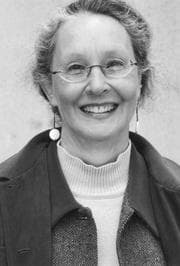
Caroline B. Cooney is a prolific author of young adult fiction, best known for her suspenseful and thought-provoking novels. Her most famous work, 'The Face on the Milk Carton,' explores themes of identity and family secrets, and has been adapted into a film. Cooney's other notable books include 'A Friend at Midnight,' 'The Voice on the Radio,' and 'Burning Up,' all characterized by their engaging plots and relatable teenage protagonists.







