“Ballet is a beautiful prison. You spend your life trying to get out, and when you do, all you want is to get back in.”
— Meredith reflecting on her life in ballet after leaving the company.

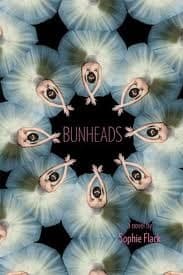
Sophie Flack (2011)
Genre
Young Adult / Romance
Reading Time
240 min
Key Themes
See below
Sign in to track this book
Nineteen-year-old Hannah, a dancer with the Manhattan Ballet Company, finds her structured life upended by a musician, making her choose between her ballet world and the uncertain freedoms of everyday life.
Nineteen-year-old Hannah Ward is a corps de ballet dancer with the Manhattan Ballet Company. Her life is ballet: demanding rehearsals, strict diets, constant comparisons with other dancers, and pressure to perform perfectly. She lives in a small apartment with fellow dancer Sadie. Her days are a cycle of classes, rehearsals, and performances. The story opens with Hannah preparing for the season, feeling tired but dedicated. She sees the company hierarchy, from soloists to apprentices, and knows every dancer is always being judged. Her focus is only on her craft, mostly ignoring the world outside the studio.
One evening, after a tough rehearsal, Hannah and Sadie go to a bar, a rare event. Sadie wants to meet people outside ballet. There, Hannah meets Jacob, a charming musician. Jacob is curious about Hannah's dedication but also senses her isolation. He represents a world new to her—one of spontaneity, artistic freedom, and no rigid discipline. Their conversation is light and interesting, giving Hannah a short break from the company's constant pressures. She likes his easygoing nature and his genuine interest in her as a person, not just a dancer.
After their first meeting, Hannah and Jacob start seeing each other. Jacob takes her to jazz clubs, introduces her to different music, and encourages her to experience life beyond ballet. These experiences are exciting and confusing for Hannah, who has always defined herself only by her dancing. She finds herself distracted during rehearsals, thinking about Jacob and their time together. Her focus shifts, and she feels the strain of trying to balance her professional life with the growing romance. This new connection makes her see the narrowness of her existence and question if she is truly happy with her sole focus on ballet.
The company's artistic director, Mr. K, announces auditions for soloist roles, increasing the competition among dancers. A new dancer, Adele, joins the company and immediately gets attention for her talent. Adele quickly becomes a rival for Hannah, pushing her to work harder, but also highlighting Hannah's growing inner conflict. Hannah feels pressure from her peers, the artistic staff, and her own ambition to move up. However, the joy she once found only in ballet is now challenged by Jacob's new experiences and perspectives, making her commitment to the company feel less absolute.
During a demanding rehearsal, Hannah gets a minor foot injury. It is not severe enough to stop her completely, but it reminds her of the physical sacrifices dancers make and how fragile their careers are. The injury forces her to rest, giving her more time to think about her choices and her relationship with Jacob. She sees how quickly a career can end because of injury. The incident increases her doubts about whether ballet is truly what she wants for her whole life. Jacob offers her comfort and perspective, suggesting there is more to life than the stage, which adds to her internal debate.
Jacob continues to be a steady presence for Hannah, showing her life outside the ballet world. He encourages her to explore new interests, from art to literature, and challenges her to think about what she wants for her future, beyond the company. He talks about his own dreams and pursuits, describing a life where passion can exist without rigid structure and intense competition. Hannah starts to realize she has hidden many parts of her personality and interests to fit the professional dancer mold. These talks with Jacob make her question her sacrifices and if they are worth it.
The day of the soloist audition arrives. She performs her routine, but her mind is not fully focused. The internal struggle between her lifelong dedication to ballet and her desire for a different life with Jacob weighs on her. She dances well, but perhaps without the singular, desperate fire of some competitors, like Adele. She watches the other dancers, their ambition, and wonders if she still has that same drive. The audition becomes less about getting a promotion and more about facing her own changing priorities and identity.
After the auditions, Hannah gets the news: she has been offered a soloist position, but not the main role she wanted. Adele has secured a more prominent position. This outcome, while an achievement, makes Hannah face the reality of ballet's endless competition and constant striving. She realizes that even with a promotion, the cycle of pressure and sacrifice would continue. The offer, combined with her deepening feelings for Jacob and her growing awareness of a life beyond the stage, brings her to a critical point. She must decide whether to continue on the path she has always known or to explore the possibilities Jacob has opened up for her.
After much thought, Hannah makes the decision to leave the Manhattan Ballet Company. It is a choice that shocks Sadie, her fellow dancers, and many of her mentors. She knows she is walking away from a dream she has pursued since childhood, but she also understands it is a necessary step for her personal growth and happiness. The scene shows the emotional weight of this decision, the sadness of letting go, but also a deep sense of freedom. She tells Mr. K of her decision, which is met with disappointment and a grudging respect for her conviction. This moment marks a clear break from her old life and identity.
The novel ends with Hannah starting her new life, free from the demanding schedule and pressures of ballet. She moves in with Jacob, finding comfort and companionship. While she still loves dance, she finds new ways to engage with it, perhaps teaching or performing in a less rigid setting. She explores other interests, makes new friends, and finally experiences the everyday freedoms she once gave up. The ending suggests Hannah has found a more balanced sense of self, where her identity is not only defined by her profession but by a wider range of experiences, relationships, and personal choices. She finds happiness in this new, less structured reality.
The Protagonist
Hannah evolves from a singularly focused ballerina to a young woman who seeks a more balanced and authentic life, ultimately choosing personal happiness over professional ambition in ballet.
The Supporting
Jacob remains a consistent, supportive presence, helping Hannah to see the world differently without imposing his own views.
The Supporting
Sadie maintains her commitment to ballet, serving as a foil to Hannah's changing aspirations.
The Supporting
Mr. K's character remains consistent as the demanding but respected authority figure of the company.
The Supporting
Adele's role is primarily to act as a competitive force, pushing Hannah to confront her own desires.
The Supporting
Ms. Anya maintains her role as a consistent, guiding figure within the ballet company.
The novel shows how Hannah's identity is almost entirely tied to her job as a ballerina. For years, 'dancer' has been her only label, shaping her routines, relationships, and self-worth. Meeting Jacob and experiencing life outside the studio makes her question who she is beyond her 'bunhead' persona. This theme appears in her internal debates about leaving ballet, as she realizes she needs to find a self not defined by dance moves. Her journey is a search for a varied identity.
“For so long, I thought the stage was the only place I could truly be myself. But maybe being myself meant being more than just a dancer.”
The book highlights the sacrifices needed for success in professional ballet—physical pain, strict diets, social isolation, and delayed rewards. Hannah first accepts these as necessary for her dream. However, as she sees others' lives, especially Jacob's, she questions if the fulfillment from ballet truly outweighs the personal costs. The theme asks if a life of singular dedication, even to a passion, can be truly fulfilling if it means sacrificing other parts of a well-rounded life. Her final choice reflects a new look at what fulfillment means.
“Everyone told me that to be a great dancer, you had to give up everything. I just never realized how much 'everything' actually was.”
The Manhattan Ballet Company is shown as an elite, glamorous, but often harmful environment. While it offers artistic perfection and dazzling performances, it is also a world of constant competition, body image issues, scrutiny, and a rigid hierarchy. Dancers are pushed to their limits, physically and mentally, with little room for error or individuality. The theme explores how such an environment can both create talent and limit personal growth. Hannah's eventual departure is a rejection of this harmful environment.
“The air in the studio was thick with ambition, sweat, and the unspoken fear of being replaced. It was intoxicating, and it was suffocating.”
Hannah's first important romantic relationship with Jacob helps her discover herself. Jacob introduces her to a world beyond ballet, challenging her ideas and showing her different ways of living and loving. Their relationship is not just about romance; it opens Hannah's eyes to possibilities she never imagined. Through Jacob, she learns about spontaneity, freedom, and the importance of a life outside her career. Their connection helps her find the courage to redefine her path and choose a life that better fits her changing self.
“He saw me, not just the dancer, but all the parts I'd kept hidden, even from myself.”
Jacob's character acts as the primary external force driving Hannah's internal conflict and ultimate decision.
Jacob is not just a romantic partner; his role is primarily to introduce Hannah to a world and perspective fundamentally different from her own. He represents the 'outside' world, free from the strictures of ballet. By offering her new experiences, intellectual stimulation, and unconditional acceptance, he forces Hannah to question her singular dedication to ballet. Without Jacob, Hannah might never have had the impetus or the alternative vision to seriously consider leaving the company, making him a crucial catalyst for her character development and the central conflict of the story.
Adele's arrival and talent intensify the competitive atmosphere and highlight Hannah's wavering commitment.
Adele serves as a foil to Hannah, embodying the relentless ambition and natural talent required to succeed at the highest levels of ballet. Her presence in the company, and her quick rise, intensifies the competitive pressure on Hannah. This rivalry forces Hannah to confront whether she still possesses the same singular drive and ruthless dedication as Adele. The comparison underscores Hannah's growing internal conflict, making her realize that her heart is no longer fully in the fight, thus pushing her closer to her ultimate decision to leave the ballet world.
Hannah's minor foot injury symbolizes the fragility of a dancer's career and prompts deeper introspection.
While not career-ending, Hannah's foot injury serves as a physical manifestation of the immense toll ballet takes on the body and the ever-present threat to a dancer's livelihood. It forces her to slow down, providing a rare moment of respite from the relentless schedule, which allows for deeper introspection about her future. The injury highlights the vulnerability of her chosen path and contributes to her growing doubts about whether the sacrifices are worth the potential risks, accelerating her internal debate about leaving ballet.
“Ballet is a beautiful prison. You spend your life trying to get out, and when you do, all you want is to get back in.”
— Meredith reflecting on her life in ballet after leaving the company.
“The hardest part about leaving ballet wasn't the pain, or the missed opportunities. It was the silence.”
— Meredith adjusting to life outside of the intense ballet world.
“You can love something with all your heart and still know it's not enough.”
— Meredith grappling with her decision to leave professional ballet.
“Every dancer knows the feeling of their body betraying them. It’s part of the job description.”
— Meredith dealing with injuries and the physical demands of ballet.
“There's a difference between wanting something and being willing to do anything for it.”
— Meredith contemplating the sacrifices required to be a prima ballerina.
“Sometimes the biggest leap isn't across a stage, but out the door.”
— Meredith making the decision to leave the New York City Ballet.
“The world outside the studio felt too big, too loud, too unchoreographed.”
— Meredith experiencing culture shock after leaving the structured ballet environment.
“Ballet was my first language. And I was suddenly mute.”
— Meredith struggling to communicate and express herself without dance.
“You don't just dance with your body; you dance with your history, your dreams, your fears.”
— Meredith reflecting on the emotional depth required for ballet.
“Maybe being a bunhead wasn't just about the hair, but about the way your life was tied up, neatly, precisely, perfectly.”
— Meredith considering the disciplined and confined nature of a dancer's life.
“The applause was a drug, and I was in withdrawal.”
— Meredith missing the validation and excitement of performing.
“It’s hard to find your own rhythm when you’ve spent your whole life dancing to someone else’s.”
— Meredith trying to forge a new path and identity outside of ballet.
“Falling in love was a lot like a grand jeté: exhilarating, terrifying, and you hoped you wouldn't land on your face.”
— Meredith experiencing romance for the first time outside her ballet bubble.
“Sometimes the most beautiful performances are the ones no one ever sees.”
— Meredith finding joy and purpose in everyday moments, not just on stage.
Ready to see how well you understood this book? Take our interactive quiz with 10 questions.